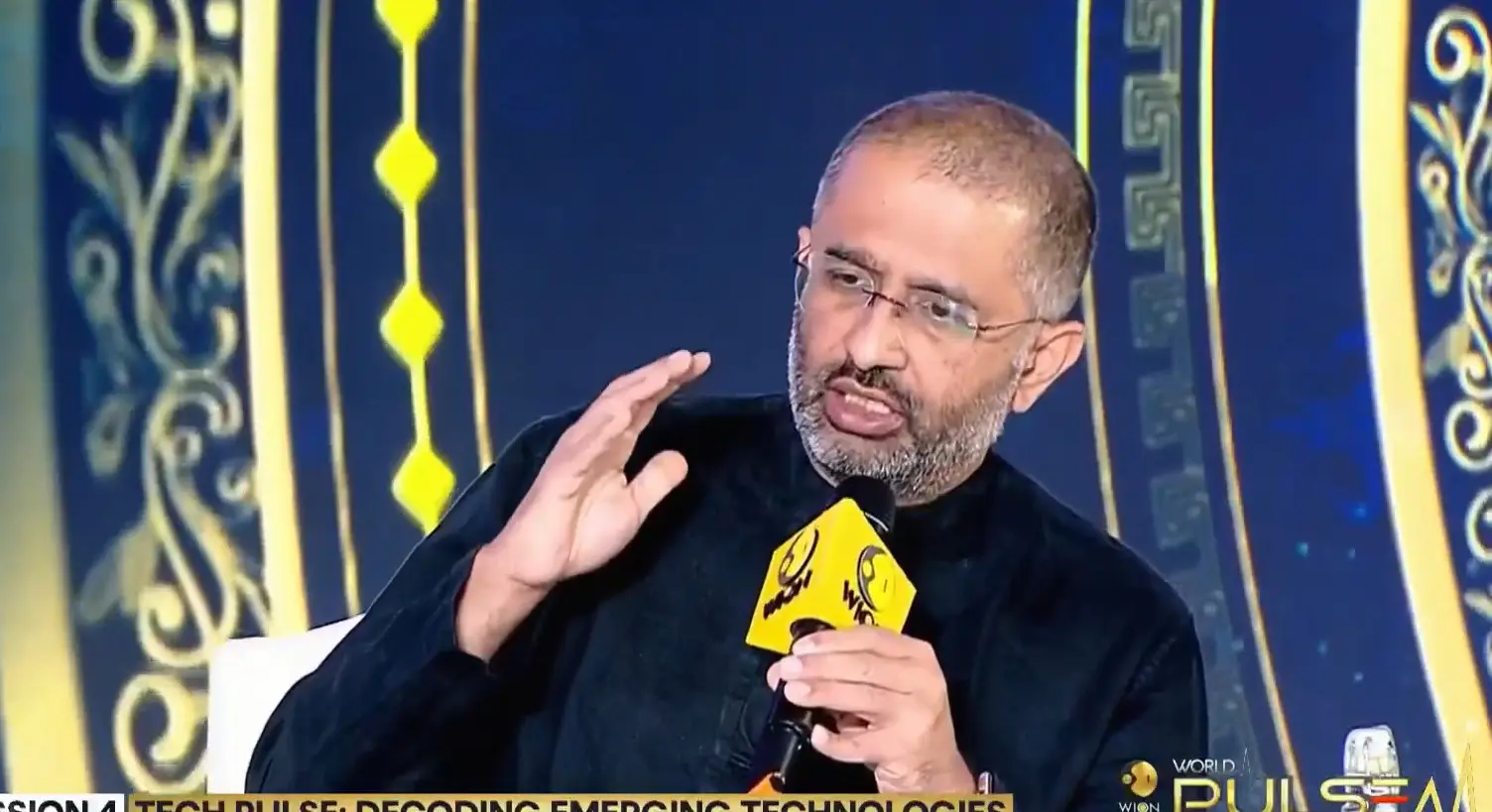
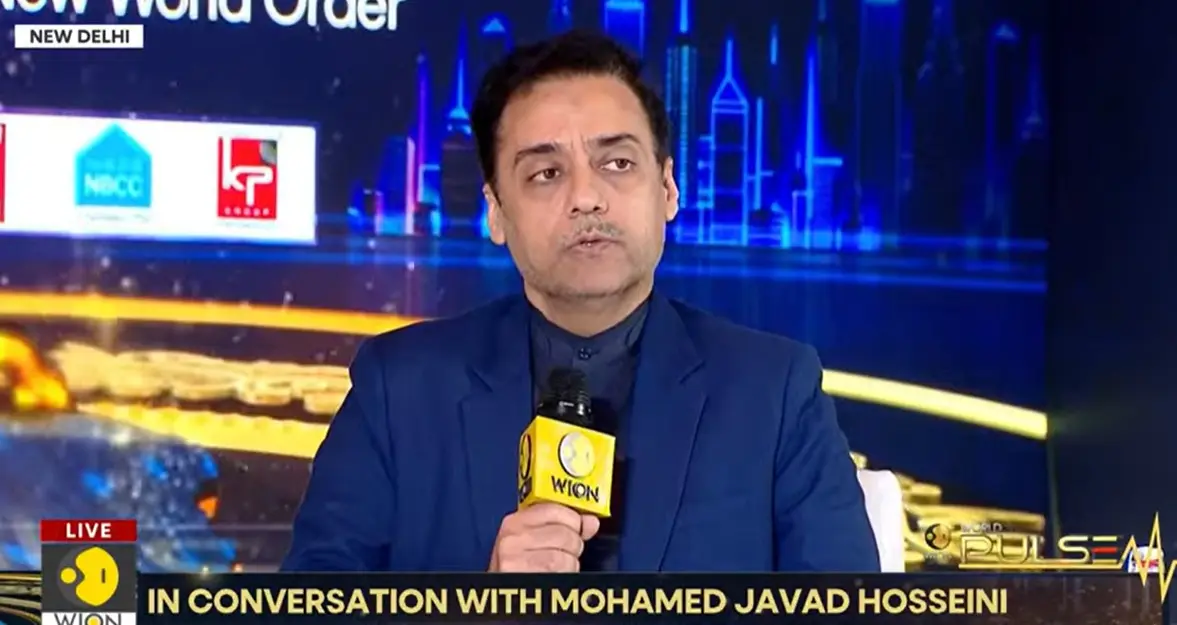
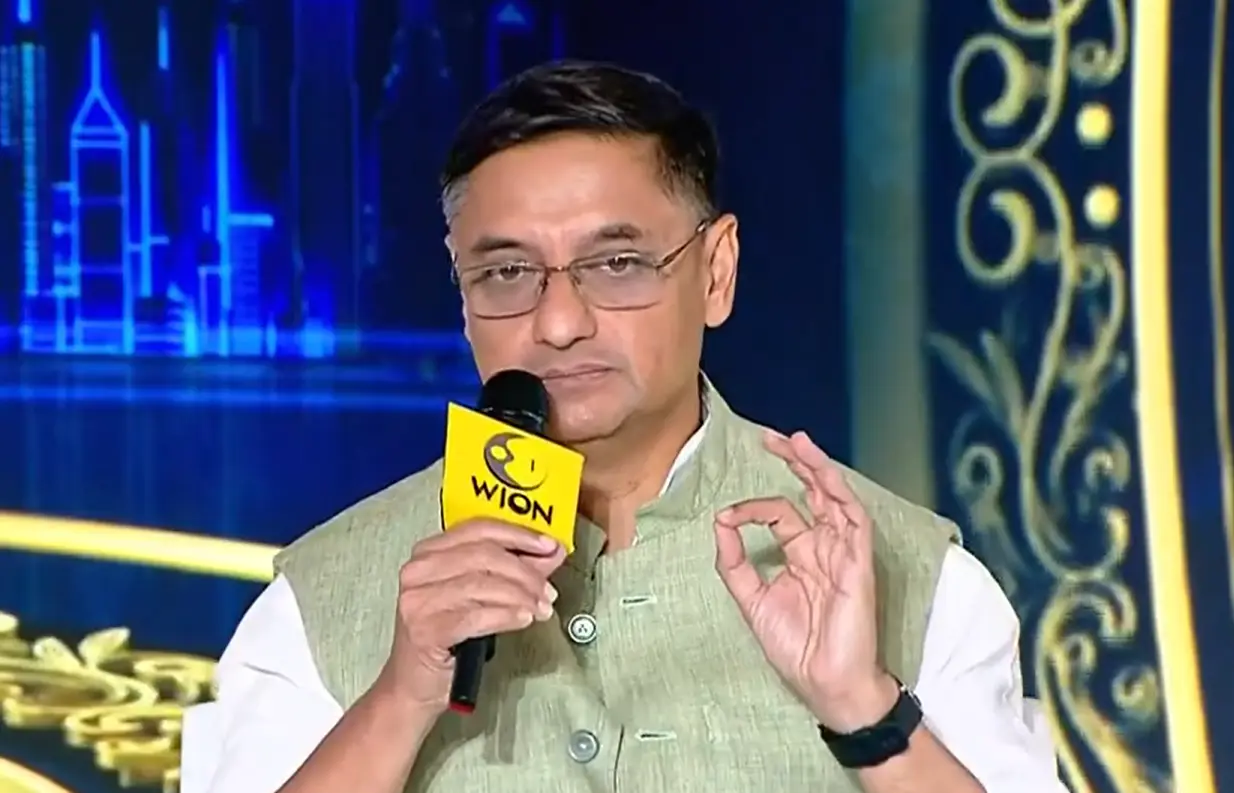
'Gulf countries want US and Israel to succeed in Iran war', says Reuven Azar, Israeli ambassador to India at WION World Pulse summit

&imwidth=600&imheight=450&format=webp&quality=medium "'Gulf countries want US and Israel to succeed in Iran war', says Reuven Azar, Israeli ambassador to India at WION World Pulse summit")
Reuven Azar at WION World Pulse summit Photograph: (WION)
Reuven Azar, Israel's ambassador to India, speaking at WION’s World Pulse summit on Wednesday (Mar 18), said that the war might take a few weeks to end
Reuven Azar, Israel's ambassador to India, speaking at WION’s World Pulse summit on Wednesday (Mar 18), said the ongoing war with Iran might take a few weeks to end. Azar pencilled out Israel’s strategic objectives and expectations in the ongoing West Asia conflict, stressing that the war is aimed at eliminating what he described as ‘existential threats’ posed by Iran.
Azar said that Israel’s military campaign is focused on dismantling Iran’s nuclear and ballistic missile programme, which he claimed posed a long-term danger not only to Israel but to the broader region. As per Azar, Israeli forces have already made significant progress by targeting leadership structures and key military capabilities, including the Basij forces. He acknowledged the global economic ripple effects of the conflict, particularly on fuel and food prices. Still, he argued that these consequences are minor compared to the risks of a nuclear-armed Iran. “By defending ourselves, we are making the entire region safer,” Azar said.
Speaking on concerns about the duration of the conflict, Azar said that Israel has the operational capacity to sustain military efforts for several more weeks. While international reactions have been mixed, he suggested that Gulf nations support Israel’s actions due to longstanding tensions with Iran.
On the possibility of escalation, Azar clarified that a full-scale ground invasion is unlikely, though limited special operations cannot be ruled out. He stressed that Israel does not intend to topple the Iranian regime forcibly, but hoped its actions will weaken it enough to allow internal change.
“I don't think that the US is going to invade Iran, but I feel that we have quite a good prospect of promoting stability and freeing us from this threat.”
Trending Stories
)
)
)
&im=FitAndFill=(700,400))
)
)
)
)
)
)
)
)
&im=FitAndFill=(700,400))
&im=FitAndFill=(700,400))
)
)
&im=FitAndFill=(700,400))
)
)
)
)
&im=FitAndFill=(700,400))
&im=FitAndFill=(700,400))
)
)
&im=FitAndFill=(700,400))
)
)
)
)
)
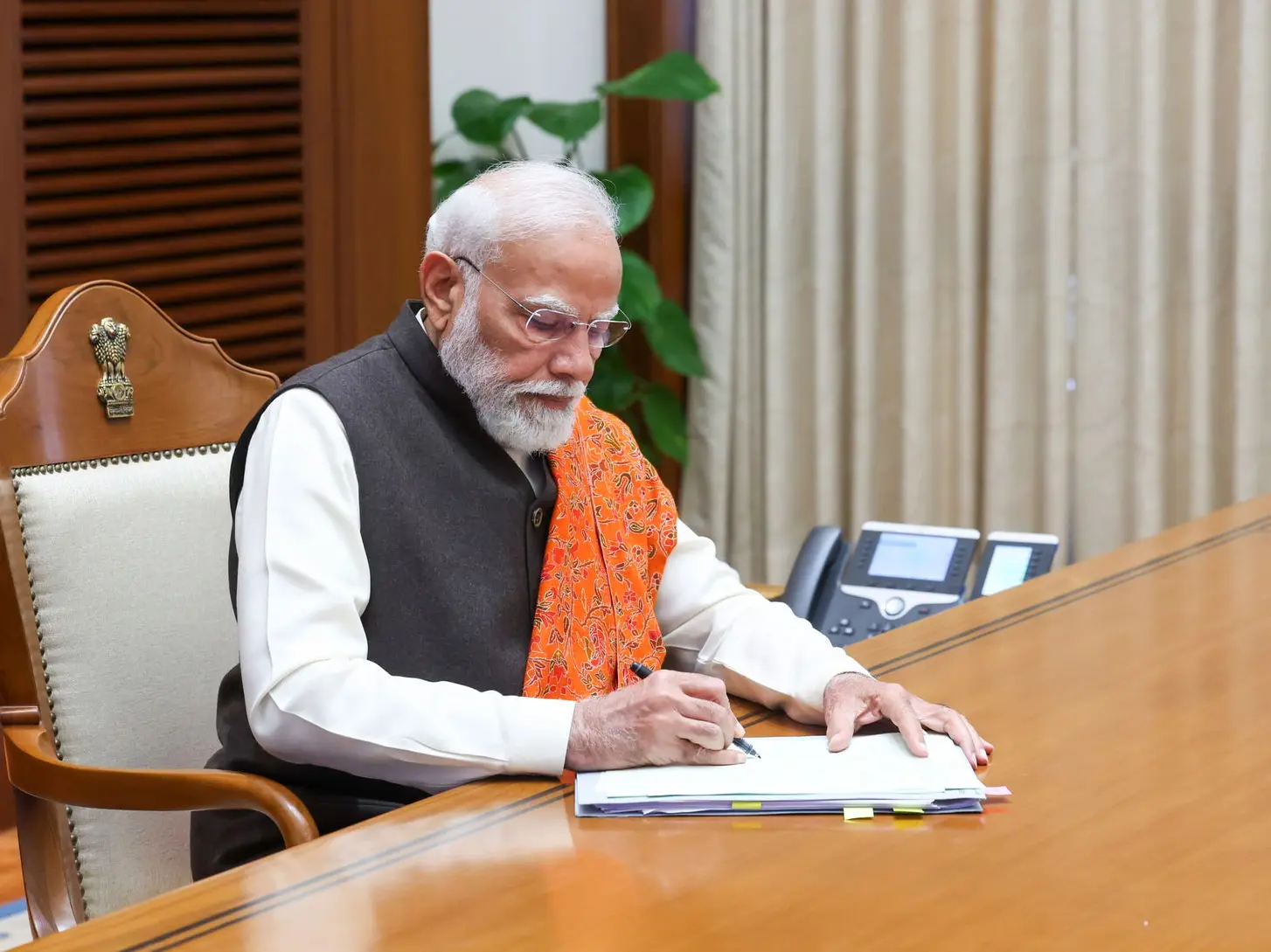
Highlighting India’s strategic importance, Azar praised Indian Prime Minister Narendra Modi’s balanced approach, noting India’s ties with both Israel and Iran.
He underscored that stability in West Asia is critical for India’s economic ambitions, particularly given the large Indian diaspora in the Gulf region. On connectivity initiatives like the India-Middle East-Europe Economic Corridor (IMEC), Azar admitted that progress may slow due to the conflict but remained optimistic about its long-term potential. He stressed that such projects are important for boosting trade, energy cooperation, and regional integration once stability is restored.
Towards the end of the chat, Azar expressed confidence that the weakening of Iran’s military capabilities could pave the way for greater economic cooperation and long-term prosperity across West Asia, benefiting not just regional players but partners like India.