'Graveyard for Trump’s mercenaries': Iran vows to block US-brokered Azerbaijan-Armenia corridor near its border

&imwidth=600&imheight=450&format=webp&quality=medium "'Graveyard for Trump’s mercenaries': Iran vows to block US-brokered Azerbaijan-Armenia corridor near its border")
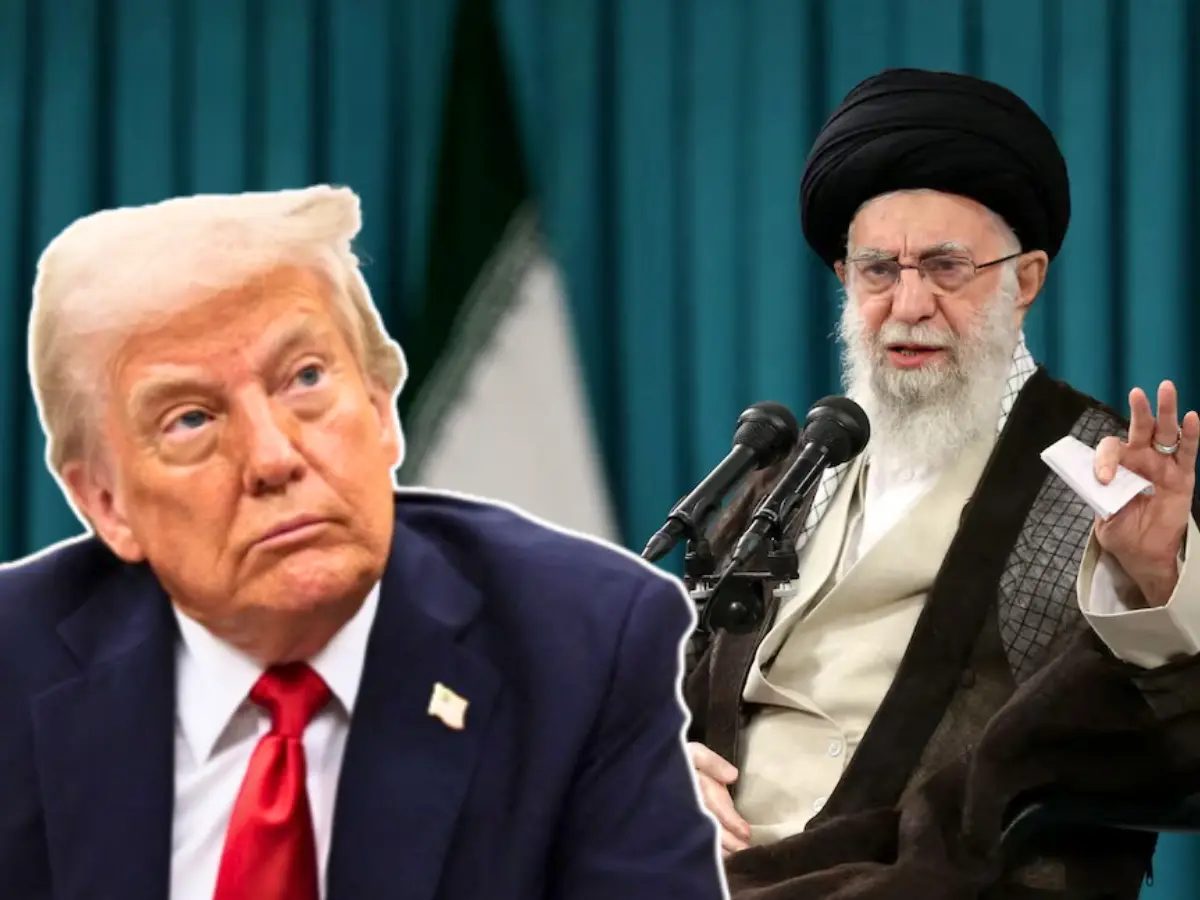
Iran vows to block US-brokered Azerbaijan-Armenia corridor near its border Photograph: (Reuters, Wion Web Team)
Iran rejected the proposed “Trump Route” near its border, part of a US-brokered Armenia-Azerbaijan peace deal, warning it threatens regional security and vowing to block its implementation.
Iran has firmly rejected the creation of a transport corridor near its border as part of a US-brokered peace deal between Azerbaijan and Armenia. The route, officially called the “Trump Route for International Peace and Prosperity,” was announced at the White House on Friday as a key element of the agreement aimed at ending decades of hostility between the two nations. It would connect Azerbaijan to its Nakhichevan exclave, passing close to Iranian territory, and give the United States development rights.
Also read: 'Will not show any mercy': Iran probes 20 arrests over alleged Israel links after deadly war
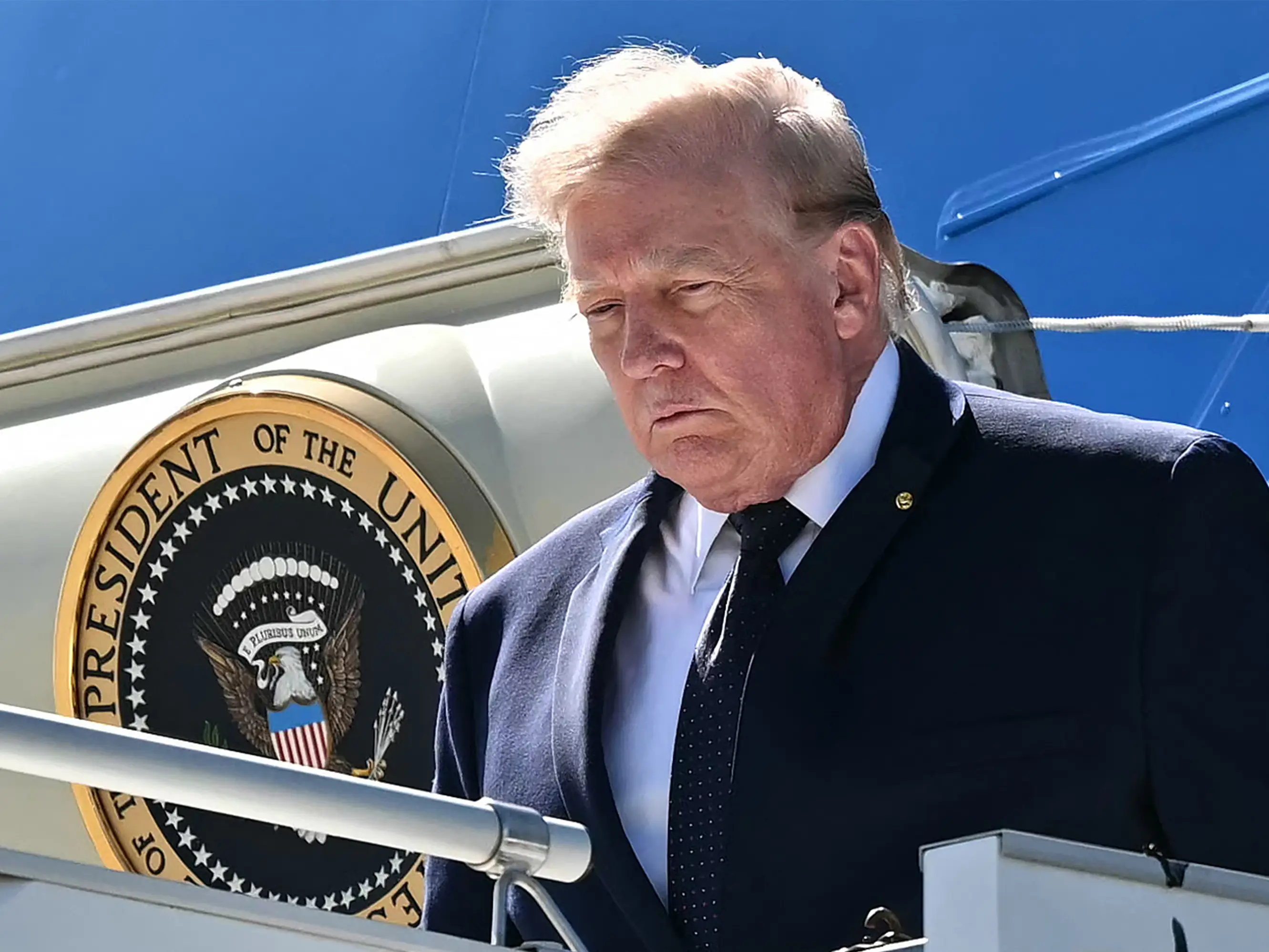
Ali Akbar Velayati, an adviser to Iran’s supreme leader Ayatollah Ali Khamenei, told Tasnim news agency that Tehran would not permit the plan to go ahead. “With the implementation of this plot, the security of the South Caucasus will be endangered,” Velayati warned. He called the idea “an impossible notion” and predicted it would become “a graveyard for Trump’s mercenaries”.
Iran fears security risks and loss of regional links
Iran has consistently opposed the proposed corridor, also known as the Zangezur route, fearing it could sever its connection to Armenia and the wider Caucasus while bringing foreign forces closer to its frontier. “We have the right to defend our interests in a completely powerful manner,” Velayati said, noting that Iran had already conducted multiple military drills in the area to demonstrate its readiness.
The Iranian foreign ministry, while welcoming the peace agreement between Armenia and Azerbaijan, voiced “concern over the negative consequences of any foreign intervention in any way and form, especially in the vicinity of common borders”. It added that such actions would “disrupt the security and lasting stability of the region”.
Trending Stories
)
)
)
&im=FitAndFill=(700,400))
)
)
)
)
)
)
)
)
)
)
)
)
)
)
)
)
)
)
)
)
)
)
)
)
)
)
)
)
&im=FitAndFill=(700,400))
)
)
)
&im=FitAndFill=(700,400))
)
A long and bitter conflict
Armenia, a Christian-majority nation, and Muslim-majority Azerbaijan have a long history of conflict, particularly over the disputed Karabakh region. The two countries fought wars over the territory, most recently in 2023, when Azerbaijan regained control in a rapid offensive, triggering the mass exodus of more than 100,000 ethnic Armenians. A senior White House official, speaking anonymously, claimed Armenia would gain a major ally from the peace deal, describing the United States as “an enormous strategic commercial partner, probably the most enormous and strategic in the history of the world”. “The losers here are China, Russia and Iran,” the official added.
