‘Dangerous precedent’: Qatar slams Iran over repeated missile attacks on water and energy sites

&imwidth=600&imheight=450&format=webp&quality=medium "‘Dangerous precedent’: Qatar slams Iran over repeated missile attacks on water and energy sites")
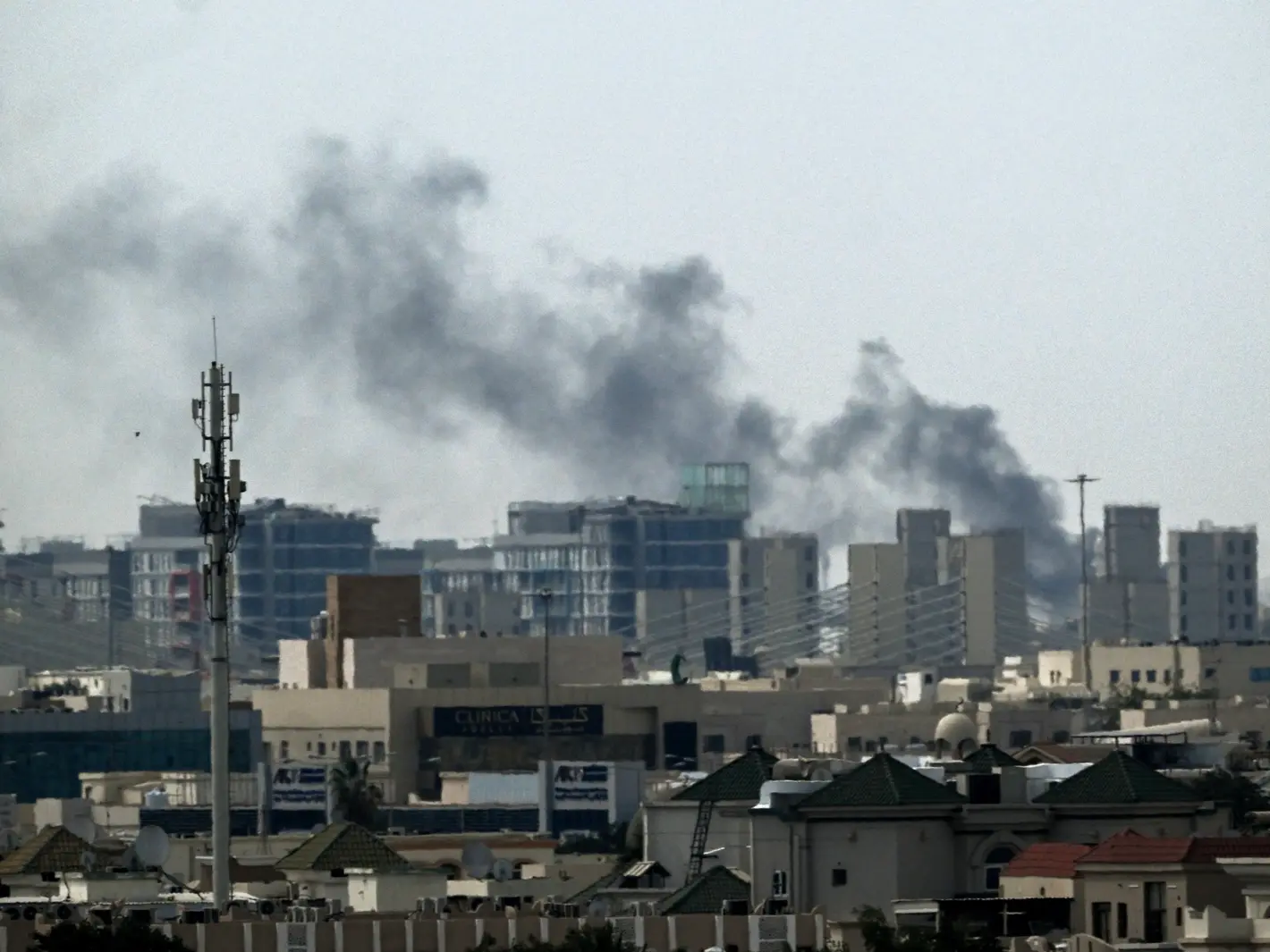
A plume of smoke rises over buildings in Doha on March 5, 2026. Photograph: (AFP (File Photo)
Qatar's foreign ministry described the attacks on energy facilities as a “dangerous precedent.” It warned that attacks on regional energy infrastructure during the West Asia war would be felt economically throughout the world.
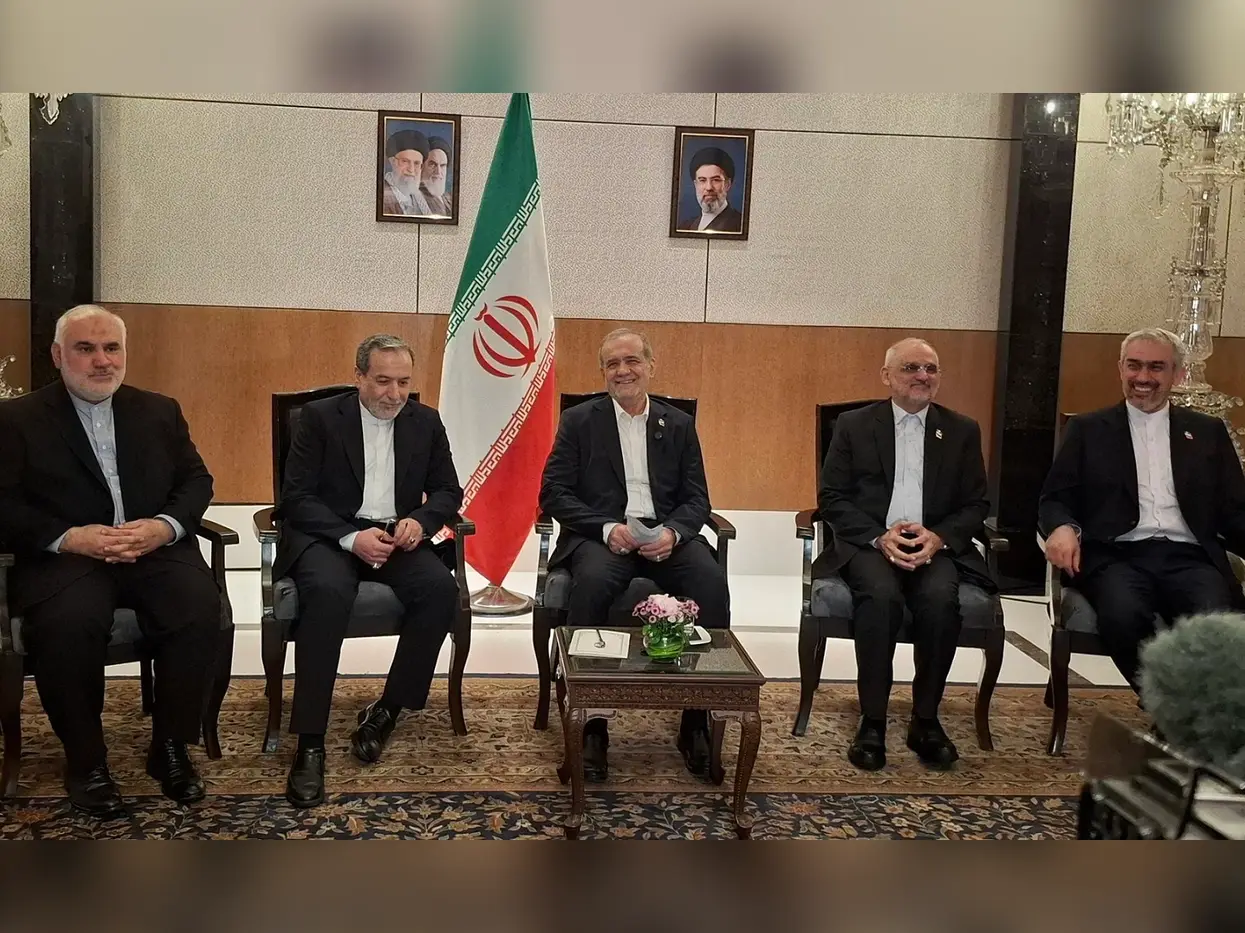
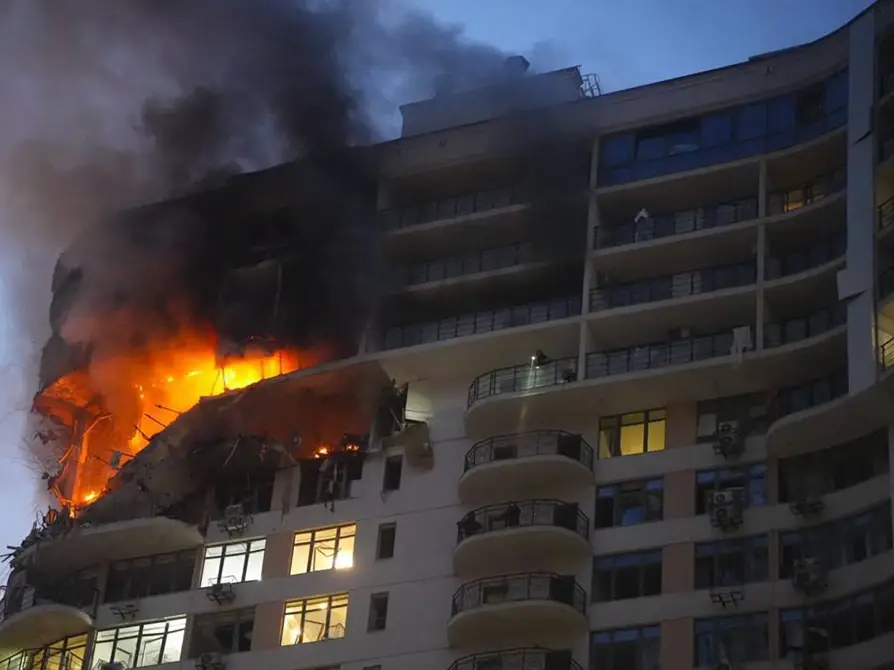
Qatar on Tuesday (Mar 10) accused Iran of sustained targeting of its civilian infrastructure, claiming that its forces intercepted a new missile attack. The Gulf state stated that the apology of Iranian President Masoud Pezeshkian had “not translated into action” as multiple loud explosions were reported in Doha.
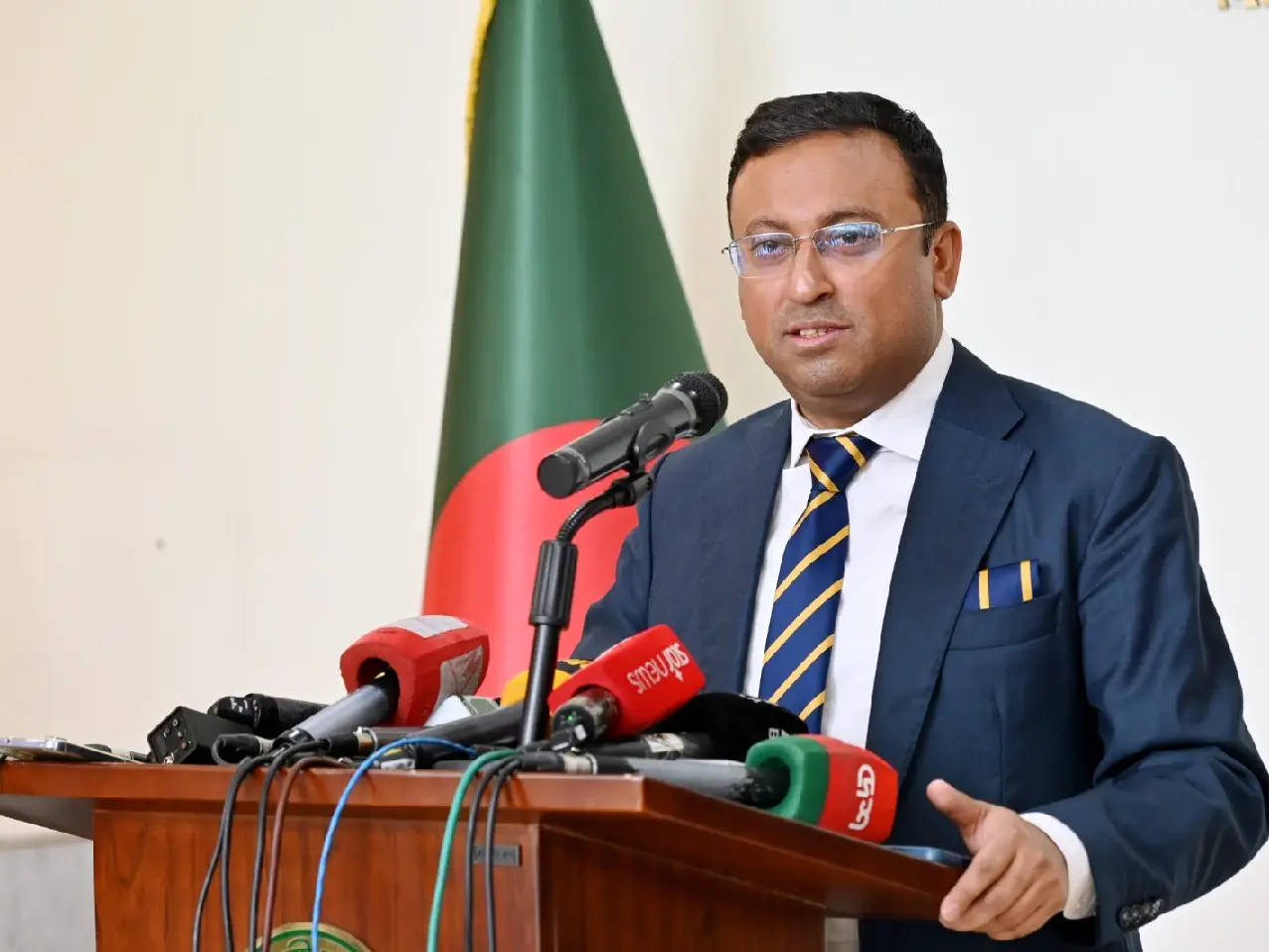
“The targeting of civilian infrastructure continues, and we rebuke any justification that the Iranians are offering for these attacks,” Qatar's foreign ministry spokesman Majed al-Ansari said, without specifying which civilian facilities had been targeted in Qatar.
Qatar's foreign ministry described the attacks on energy facilities as a “dangerous precedent.” It warned that attacks on regional energy infrastructure during the West Asia war would be felt economically throughout the world.
“The attacks on energy facilities that have happened, also on both sides, are a dangerous precedent. It will cause repercussions throughout the world,” the spokesman added.
Doha expressed its willingness to talk with Tehran, saying “communication between Qatar and Iran has not been cut”, adding that for the Gulf state, all "conflicts can be solved at the negotiating table, but Qatar can't mediate when it is being attacked by Iran.”
Communications are underway with all parties to ensure there is a way out of this conflict, the foreign ministry said, adding that “a viable solution would be to stop attacks on our energy facilities.”
Trending Stories
)
)
)
)
)
&im=FitAndFill=(700,400))
)
)
&im=FitAndFill=(700,400))
)
)
)
)
&im=FitAndFill=(700,400))
)
)
)
)
)
)
)
)
)
&im=FitAndFill=(700,400))
)
)
)
)
)
&im=FitAndFill=(700,400))
)
)
)
These developments come as the war in West Asia entered its 11th day, causing upheaval in energy markets across the world as global oil prices jumped above $100 per barrel for the first time since the start of the Russia-Ukraine war in 2022, marking more than a 50 per cent increase since the start of joint US-Israeli military strikes in Iran on February 28.
The strikes, codenamed Operation Roaring Lion by Israel and Operation Epic Fury by the United States, targeted government buildings, military installations, and suspected nuclear facilities, while aiming to decapitate the highest levels of Iranian leadership. The strikes resulted in the killing of Supreme Leader Ayatollah Ali Khamenei on the first day of the campaign.
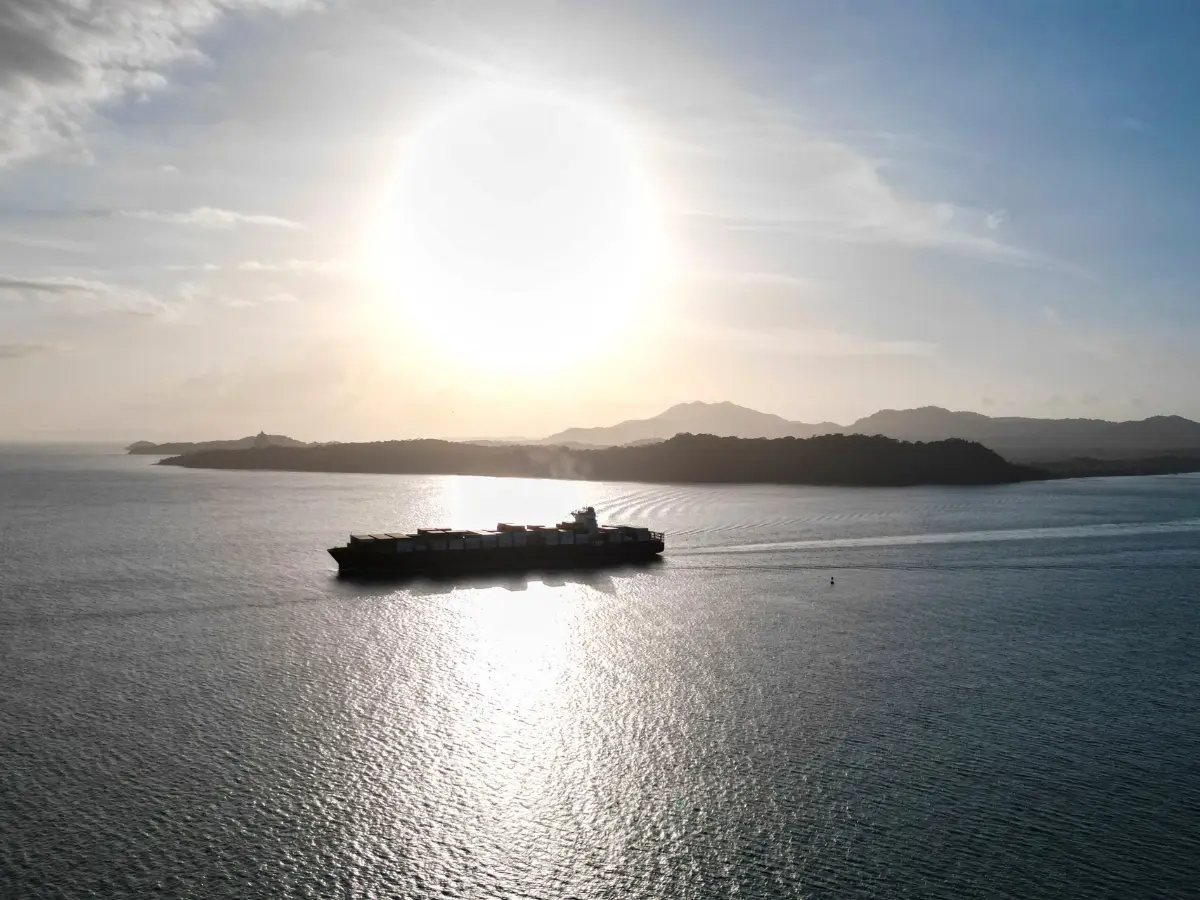
In retaliation, Iran targeted US military bases and strategic locations across Gulf nations, including Qatar, the UAE, Saudi Arabia, and Oman, leading to disruptions across the region. Moreover, Tehran has effectively halted shipping through the Strait of Hormuz, a vital artery for about 20 per cent of the world’s oil supply. In response, major producers such as Iraq, Kuwait, and the UAE have been forced to cut production as their storage tanks reach capacity with limited export routes.
(Disclaimer: WION takes utmost care to accurately and responsibly report ongoing conflicts in West Asia involving Israel, Iran, US, Gulf nations and non-state actors like Hezbollah, Hamas, Houthis, Islamic State, and others. Claims and counterclaims, disinformation and misinformation are being made online and offline. Given this context, WION cannot independently verify the authenticity of all statements, social media posts, photos and videos.)