‘Biased, politically motivated’: Sheikh Hasina issues first statement after Bangladesh court sentences her to death

&imwidth=600&imheight=450&format=webp&quality=medium "‘Biased, politically motivated’: Sheikh Hasina issues first statement after Bangladesh court sentences her to death")
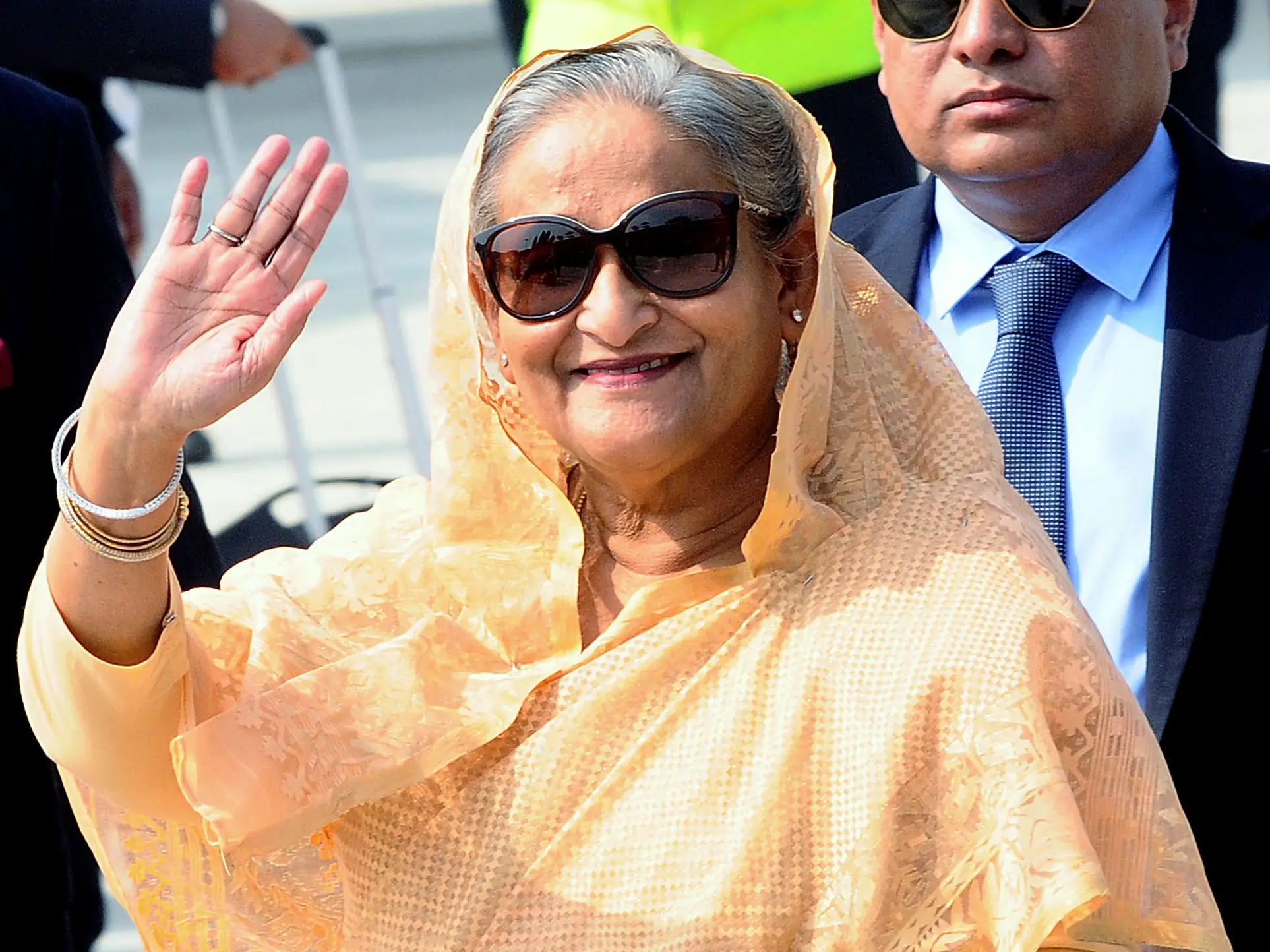
File photo of Bangladesh prime minister Sheikh Hasina Photograph: (AFP)
The tribunal delivered the verdict as crowds watched the hearing on big screens set up by the Ministry of Cultural Affairs across Dhaka.
Bangladesh’s ousted prime minister Sheikh Hasina on Monday (Nov 17) called the court verdict convicting her of ‘crimes against humanity’, as “biased and politically motivated”. The International Crimes Tribunal-1 announced a death sentence for Hasina, marking the end of a months-long trial. The tribunal delivered the verdict as crowds watched the hearing on big screens set up by the Ministry of Cultural Affairs across Dhaka.
“The verdicts announced against me have been made by a rigged tribunal established and presided over by an unelected government with no democratic mandate,” Hasina said in a statement issued from hiding in India. “They are biased and politically motivated.”
Hasina, who is currently living in India, defied court ordering her to return to Dhaka to attend her trial. Critics have accused her of imprisoning political rivals, enacting strict anti-press laws, and overseeing widespread human rights abuses.
Hasina refused to recognise the authority of the court, rejecting all charges. “Its guilty verdict against me was a foregone conclusion,” she added in her lengthy five-page statement. She added that she would be willing to attend a fresh trial from outside Bangladesh.
“I am not afraid to face my accusers in a proper tribunal where the evidence can be weighed and tested fairly,” she said. “That is why I have repeatedly challenged the interim government to bring these charges before the International Criminal Court (ICC) in The Hague.”
She further added, “The interim government will not accept this challenge, because it knows that the ICC would acquit me. The interim government also fears that the ICC would scrutinise its own record of human rights breaches in office.”
Slamming Muhammad Yunus, Hasina said that he came to power “unconstitutionally” and with the support of extremist elements. “Under his rule, every protest from students, garment workers, doctors, nurses, and teachers to professionals has been met with suppression, some of it brutal. Peaceful demonstrators have been shot and killed. Journalists who attempt to report these incidents face harassment and torture,” she said.
She also alleged that houses, businesses, and properties belonging to leaders of her party, the Awami League, across the country were burned and destroyed.
Trending Stories
&im=FitAndFill=(700,400)&imwidth=280&imheight=210&format=webp&quality=medium)
&imwidth=280&imheight=210&format=webp&quality=medium)
&imwidth=280&imheight=210&format=webp&quality=medium)
&imwidth=280&imheight=210&format=webp&quality=medium)
&imwidth=280&imheight=210&format=webp&quality=medium)
&imwidth=280&imheight=210&format=webp&quality=medium)
&imwidth=280&imheight=210&format=webp&quality=medium)
&imwidth=280&imheight=210&format=webp&quality=medium)
&imwidth=280&imheight=210&format=webp&quality=medium)
&imwidth=280&imheight=210&format=webp&quality=medium)
&imwidth=280&imheight=210&format=webp&quality=medium)
&imwidth=280&imheight=210&format=webp&quality=medium)
&imwidth=280&imheight=210&format=webp&quality=medium)
&im=FitAndFill=(700,400)&imwidth=280&imheight=210&format=webp&quality=medium)
&imwidth=280&imheight=210&format=webp&quality=medium)
&imwidth=280&imheight=210&format=webp&quality=medium)
&imwidth=280&imheight=210&format=webp&quality=medium)
&imwidth=280&imheight=210&format=webp&quality=medium)
&imwidth=280&imheight=210&format=webp&quality=medium)
&im=FitAndFill=(700,400)&imwidth=280&imheight=210&format=webp&quality=medium)
&imwidth=280&imheight=210&format=webp&quality=medium)
&imwidth=280&imheight=210&format=webp&quality=medium)
&imwidth=280&imheight=210&format=webp&quality=medium)
&im=FitAndFill=(700,400)&imwidth=280&imheight=210&format=webp&quality=medium)
&imwidth=280&imheight=210&format=webp&quality=medium)
&imwidth=280&imheight=210&format=webp&quality=medium)
&imwidth=280&imheight=210&format=webp&quality=medium)
&imwidth=280&imheight=210&format=webp&quality=medium)
&imwidth=280&imheight=210&format=webp&quality=medium)
&imwidth=280&imheight=210&format=webp&quality=medium)
&imwidth=280&imheight=210&format=webp&quality=medium)
&imwidth=280&imheight=210&format=webp&quality=medium)
&imwidth=280&imheight=210&format=webp&quality=medium)
&imwidth=280&imheight=210&format=webp&quality=medium)
&imwidth=280&imheight=210&format=webp&quality=medium)
Speaking about the violence in July and August last year, Hasina said, “In taking the actions we did to try to stem the disorder, Bangladesh's political leaders acted in good faith and were trying to minimise the loss of life. We lost control of the situation, but to characterize what happened as a premeditated assault on citizens is simply to misread the facts.”
She added that despite their lurid claims, the prosecutors failed to produce any persuasive evidence against her that she ordered the use of “lethal force” against the people. She alleged that audio files and transcripts cited as evidence have been taken out of context and are fragmentary. “The fact is that operational control rested with security forces on the ground, acting under established legal protocols,” she said.

