
&imwidth=800&imheight=600&format=webp&quality=medium "'Asim Munir’s law, death cell, no permission to meet': Protest for Imran Khan reignites in Pakistan as sons fear they'll 'never see him again'")
Protests to meet former Pakistan Prime Minister Imran Khan has gained prominence once again in the country. Tensions escalated outside Rawalpindi’s Adiala Jail on Tuesday (Dec 16) after his sisters were denied permission to meet him. Former cricketer's sister Aleema Khanum, along with Pakistan Tehreek-e-Insaf (PTI) workers, marched towards the jail on foot, demanding that Imran Khan should not be in solitary confinement. Meanwhile, urging the world leaders to help their father, Imran Khan's sons gave an interview, claiming that he is in “death cell” and they might never see him again. Earlier this month, one of the Khan sisters - Uzma Khanum - met Imran Khan inside the Adiala Jail.
Protest in Pakistan

In Rawalpindi, Aleema Khanum alleged that Imran Khan was being kept in illegal and dangerous solitary confinement. “Is solitary confinement even legal? Is Imran Khan a hardcore terrorist? Imran Khan’s solitary confinement is extremely dangerous for his mental health.” She added that the Pakistani authorities are denying permission to meet him despite court orders, which is a violation of constitutional rights. "Meeting Imran Khan is our constitutional right. We will not go back until we are allowed to meet him," she vowed, adding that the protest outside the jail would remain peaceful. Slamming the top echelons of Pakistani administration, Aleema claimed, “There is no law anymore, only Asim Munir’s law exists.”
Earlier this month, after meeting Khan, Uzma Khanum revealed that Imran Khan is facing “mental torture” in the prison, but his health is fine. "Imran Khan’s health is completely fine. But, he is being mentally tortured by keeping him in complete isolation; he is not allowed to leave the cell nor to talk to anyone.” She did not provide additional details on the alleged mistreatment or conversation, but assured that his brother is "mentally strong" despite the harassment he is being subjected to.
Trending Stories
)
The Early Spring is proof not everyone can talk about their real feelings, and it is perfectly OK
)
UN votes to ‘correct the map’ as India backs fairer world view
)
Nigerian Navy discovers 99,000 litres of suspected stolen, illegally refined products as it intensifies anti-crude oil theft operations
)
Who is Aditi Paudel? 17-year-old becomes Japan's first literacy ambassador
)
Bengaluru: Officials find 40 kg expired chilli at chairman's club
)
Jaishankar rejects trade link to ending Ukraine war
)
Israeli strikes on Lebanon kill three, injure 23 despite truce
)
Alpine glacier was covered with sheep wool sheets to prevent melting. It worked
)
South Korea mulls deploying military assets to Strait of Hormuz
)
World's fifth-largest economy, British army can't afford to train
)
Breaking | Vance takes the podium: First White House briefing since Leavitt's exit
)
Taiwan raises 'concerns' over China's missile test
)
BRICS 2026: $1 trillion sovereign capital set to converge in Delhi for first iBRICS Summit
)
What is Iran's Pickaxe Mountain that Trump has again threatened to bomb?
)
UN votes to correct world map that visually shrank Africa for 450 years
)
Former NewJeans member Danielle launches YouTube channel, hints at new solo journey
)
Bangladesh batter Towhid Hridoy creates history with 350 not out in South Africa
)
Brendan Fraser’s transformation fuels The Mummy 4 excitement as fans welcome back Rick O’Connell
&im=FitAndFill=(700,400))
Krishna Janmashtami 2026: From Dhaniya Panjiri to Makhana Kheer- 5 best sweet dishes perfect for celebrating Lord Krishna’s birth
)
Donald Trump plans to travel to Ireland on Qatari-donated jet amid security concerns
)
Nazi-looted art to return to Jewish heirs
)
Eight killed in Kerala’s Thrissur after car rams into lorry parked on highway
&im=FitAndFill=(700,400))
Why Russian fighter jets use bulky, low-pressure tyres compared to US jets
)
FBI-wanted fraud accused arrested in Jalandhar over $600,000 scam
&im=FitAndFill=(700,400))
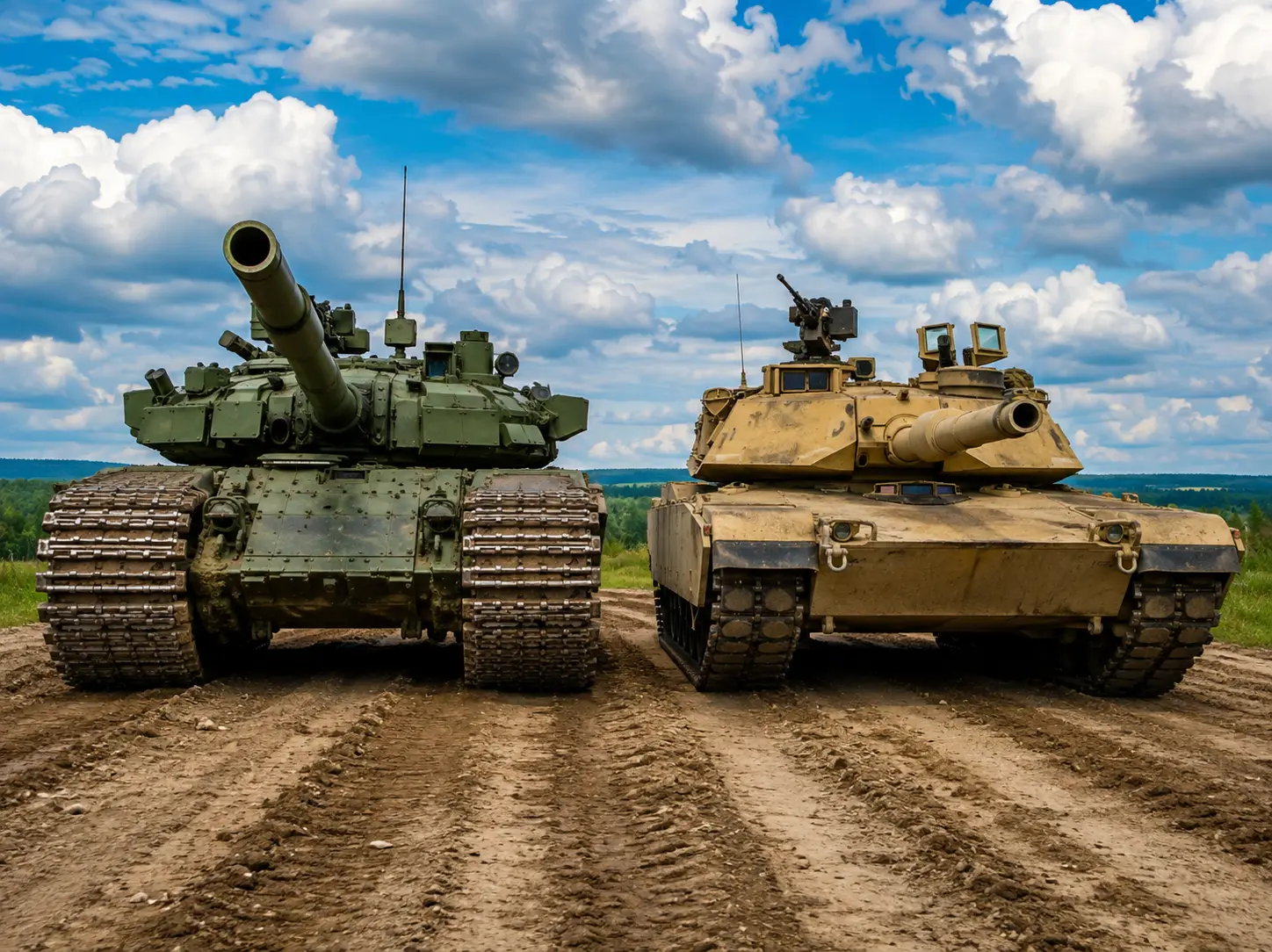
Why US tanks weigh over 20 tons more than Russian tanks
&im=FitAndFill=(700,400))
New Friday OTT releases (September 4, 2026): GDN, Dhamaal 4, Jagamae Sangeetham- Watch 6 new movies and TV shows on Netflix, Prime Video and more
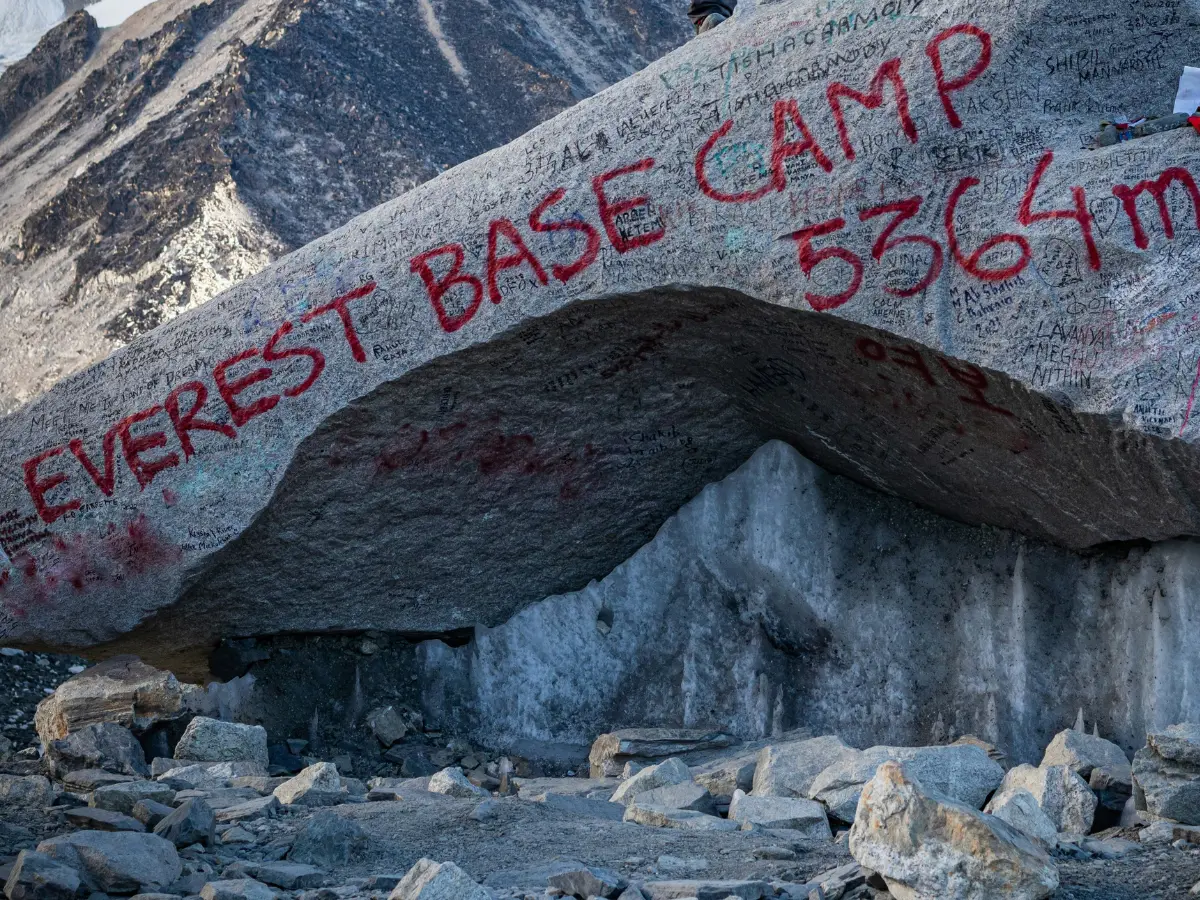)
Killing the Himalayas slowly: Human urine is melting a glacier on Mount Everest
What Imran Khan's sons said?
In an interview with Sky News' Yalda Hakim, Imran Khan's sons Kasim and Sulaiman Khan said that their father is in “death cell with no human contact.” They also expressed utter disappointment, both said that they are unable to “see a route out at this point.” They added that they fear they might never see their father again. "He's been in a solitary confinement cell for over two years where he's had filthy water, he is around inmates who are dying of hepatitis, the conditions are disgusting and also he is completely isolated from any human contact." He continued, "It's getting harder to see a route out at this point. We're trying to have faith. But at the same time, right now, the conditions are getting worse. It's very hard to see a way out… We're now worried we might never see him again."
However, Sky News quoted Mosharraf Zaidi, a spokesperson for Pakistan's PM Shehbaz Sharif, who denied allegations that Imran Khan was being kept in solitary confinement. He claimed that Imran Khan had been in prison for about 860 days and had 870 visits, despite the fact he is supposed to get one visit per week.

