‘80% of Pakistan is gay, 20% bisexual’: Karachi transgender activist Hina Baloch's controversial claim

&imwidth=600&imheight=450&format=webp&quality=medium "‘80% of Pakistan is gay, 20% bisexual’: Karachi transgender activist Hina Baloch's controversial claim")
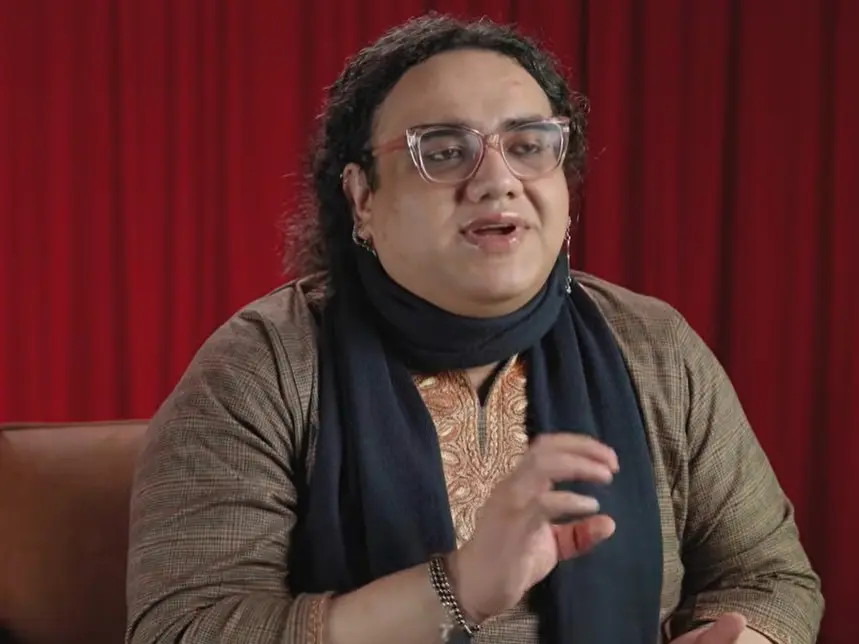
Karachi transgender activist Hina Baloch Photograph: (YouTube/Queer Global)
Karachi-based transgender activist Hina Baloch sparked controversy after claiming most Pakistanis conceal non-heterosexual identities, citing social pressures, while also highlighting discrimination, violence and systemic challenges faced by the khawaja sira community.
A viral video featuring Pakistani transgender activist Hina Baloch has sparked widespread debate after she claimed that “80 per cent of Pakistan is gay and the remaining 20 per cent are bisexual”, arguing that sexuality in the country remains largely concealed due to social pressure, religion and notions of family honour.
Speaking in an interview with the Queer Global, Baloch described what she called an “open secret” in Pakistani society. “I believe that more than half of Pakistan is quite gay, actually. They don’t want to just say it out loud, but I guess 80 per cent of Pakistan is gay and the remaining 20 per cent are bisexual, so I don’t think that anybody is straight in Pakistan in terms of their sexuality,” she said.
Baloch further argued that many individuals suppress or deny their sexual orientation, often invoking cultural and religious norms. “They will deny it, they will bring religion into it, they will bring culture into it, but this is an open secret. Nobody’s straight in Pakistan,” she added, reflecting on her own observations growing up.
Reflecting on her personal experiences, Baloch said her struggles were centred less on sexuality and more on gender expression. “What I was worried about was how to apply lipstick and not get lots of abuse from the family for that. How do I get to dress feminine, wear jewellery and not get the beatings?” she said.
She also highlighted the structural challenges faced by Pakistan’s khawaja sira community, noting that many are pushed into limited and often exploitative livelihoods such as begging, dancing or sex work. Rejecting these constraints, Baloch said she became actively involved in organising for gender and minority rights.
Trending Stories
)
)
)
)
)
)
)
)
)
)
)
)
)
)
)
)
)
)
)
)
)
)
)
&im=FitAndFill=(700,400))
)
)
)
)
)
Baloch went on to co-found the Sindh Moorat March and has participated in Pakistan’s Aurat March, positioning herself as a vocal advocate for transgender and minority rights. She has previously said she faced violent retaliation after raising a Pride flag at a protest and survived alleged kidnapping and abuse by law enforcement - experiences that ultimately forced her to leave the country. She later secured a scholarship to the SOAS University of London and sought refugee status in the United Kingdom.

