What does Italy’s new AI law really say? Here’s everything you should know about it

&imwidth=600&imheight=450&format=webp&quality=medium "What does Italy’s new AI law really say? Here’s everything you should know about it")
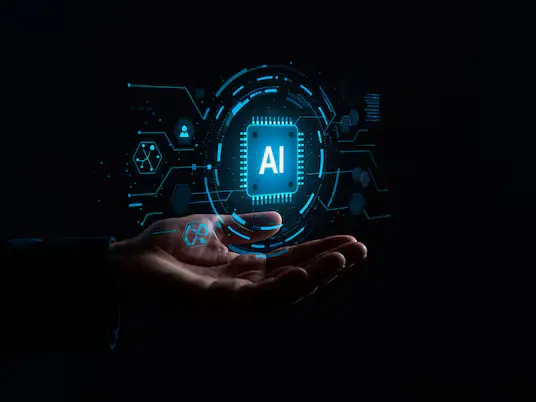
Representational image Photograph: (Freepik)
The Italian government also approved up to €1billion ($1,18,21,75,000) from a state-backed fund to support AI, cybersecurity, telecoms and quantum technology firms
Italy’s parliament on Wednesday (September 17) passed a new law on artificial intelligence and became the first country in the European Union to bring in AI rules that match the EU’s AI Act. Italy's Prime Minister Giorgia Meloni’s government led this move and said that the law focuses on human-centric, transparent, and people's safe use of AI. The law also supports the innovation, cybersecurity, and privacy protection. The law introduces cross-sector rules and covers sectors like healthcare, jobs, public services, justice, schools and sports. It requires that AI decisions can be traced and always checked by humans. Children under 14 can only use AI with parental approval.
"The (law) brings innovation back within the perimeter of the public interest, steering AI toward growth, rights and full protection of citizens," said Alessio Butti, the undersecretary for digital transformation. The Agency for Digital Italy and the National Cybersecurity Agency will act as the main national authorities for AI, while regulators (watchdogs) like the Bank of Italy and Consob will keep their powers.
This law also makes it a crime to spread harmful AI content such as deepfakes and issued punishments of one to five years in prison. Using AI illegally will also bring penalties for crimes like fraud and identity theft. On copyright, AI-created works are protected and safe if they involve human efforts. AI can be used for text and data mining only on non-copyrighted content or in research work by authorised groups.
The government also approved up to €1 billion ($1,18,21,75,000) from a state-backed fund to support AI, cybersecurity, telecoms and quantum technology firms. In healthcare, AI may help doctors with diagnosis and treatment, but doctors will have the final say and patients must be kept informed, about the use of AI. In workplaces, employers must tell their staff members when AI is being used.
&imwidth=280&imheight=210&format=webp&quality=medium)
&im=FitAndFill=(700,400)&imwidth=280&imheight=210&format=webp&quality=medium)
&im=FitAndFill=(700,400)&imwidth=280&imheight=210&format=webp&quality=medium)
&imwidth=280&imheight=210&format=webp&quality=medium)
&imwidth=280&imheight=210&format=webp&quality=medium)
&imwidth=280&imheight=210&format=webp&quality=medium)
&imwidth=280&imheight=210&format=webp&quality=medium)
&imwidth=280&imheight=210&format=webp&quality=medium)
&imwidth=280&imheight=210&format=webp&quality=medium)
&imwidth=280&imheight=210&format=webp&quality=medium)
&imwidth=280&imheight=210&format=webp&quality=medium)
&imwidth=280&imheight=210&format=webp&quality=medium)
&imwidth=280&imheight=210&format=webp&quality=medium)
&imwidth=280&imheight=210&format=webp&quality=medium)
&imwidth=280&imheight=210&format=webp&quality=medium)
&imwidth=280&imheight=210&format=webp&quality=medium)
&imwidth=280&imheight=210&format=webp&quality=medium)
&imwidth=280&imheight=210&format=webp&quality=medium)
&imwidth=280&imheight=210&format=webp&quality=medium)
&imwidth=280&imheight=210&format=webp&quality=medium)
&imwidth=280&imheight=210&format=webp&quality=medium)
&im=FitAndFill=(700,400)&imwidth=280&imheight=210&format=webp&quality=medium)
&imwidth=280&imheight=210&format=webp&quality=medium)
&imwidth=280&imheight=210&format=webp&quality=medium)
&imwidth=280&imheight=210&format=webp&quality=medium)
&imwidth=280&imheight=210&format=webp&quality=medium)
&imwidth=280&imheight=210&format=webp&quality=medium)
&imwidth=280&imheight=210&format=webp&quality=medium)
&imwidth=280&imheight=210&format=webp&quality=medium)
&imwidth=280&imheight=210&format=webp&quality=medium)
&imwidth=280&imheight=210&format=webp&quality=medium)
&imwidth=280&imheight=210&format=webp&quality=medium)
&imwidth=280&imheight=210&format=webp&quality=medium)