Medieval books contain traces of a 3,700-year-old virus that recently killed 500,000 animals

&imwidth=600&imheight=450&format=webp&quality=medium "Medieval books contain traces of a 3,700-year-old virus that recently killed 500,000 animals")
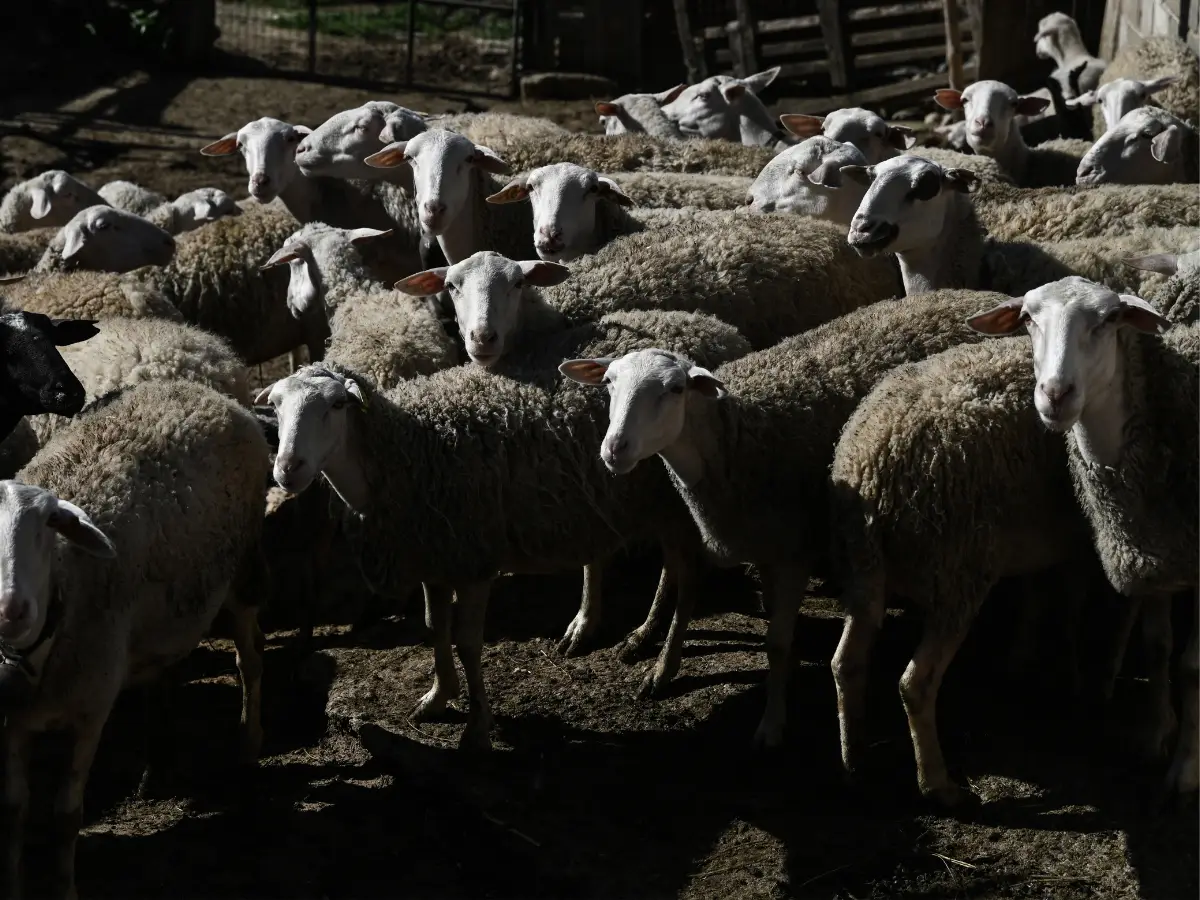
Sheep pox led to thousands of animals being culled and many that died naturally.
Greece witnessed the death of and culled 500,000 sheep and goats because of a virus with an extremely high fatality rate. The disease is several millennia old and remained on the skin of the animals, which was then used as parchment to write ancient texts.
A deadly virus that caused the death of nearly 500,000 animals through infection and culling in Greece in 2025, and also this year, is nearly 3,700 years old. Scientists studied the York Gospels and other historical documents written on sheepskin parchment a thousand years ago to trace the origins of sheeppox. Researchers led by Louis L'Hôte of the Molecular Population Genetics Lab at University College Dublin not only analysed ancient and medieval manuscripts, but also studied Bronze Age sheep teeth, which turned out to be the earliest known evidence of the virus.
"By the Bronze Age period, domestic sheep herds of the Eurasian steppe region were afflicted by a pathogen that today is highly infectious and virulent," L'Hôte said in the study published in Science Advances. The bacteria that causes the disease has been detected in sheep from this region and period, which they say suggests that "herding societies in the steppe may have contended with a diverse burden of [livestock] diseases."
"Although present in the Bronze Age, we find a particularly high number of SPPV genomes in the medieval period, associated with animal skin-based documents, implying that infection of sheep was a frequent challenge to European societies of this time," the researchers said.
Ancient record of sheep pox
Capripoxvirus sheeppox is closely related to the variola virus that causes smallpox in humans. The first written records came from Rome in the first century CE, where writer Lucius Columella describes skin lesions caused by it as "pustules". Several accounting records for livestock and agricultural treatises refer to it as "pockes" or "variola" and show that every time the disease surged, agricultural produce declined. When there was a long gap between two outbreaks, people were puzzled about its nature.
In fact, in medieval Europe, when an unexplainable disease afflicted sick livestock, people often believed the animals were victims of black magic. The sheep pox virus remained trapped in skins which were used to make parchment. So scientists turned to them to know how old the disease was.
Trending Stories
)
)
)
)
)
)
)
)
)
)
)
)
)
)
)
)
)
)
)
)
)
)
)
)
)
)
)
)
)
)
)
&im=FitAndFill=(700,400))
)
)
)
The disease is believed to have first emerged in the Eastern European and Caucasian steppe regions. They used sheep to make clothes, for meat and dairy. The larger settlements were trading hubs for metals and ceramics. When the sick animals came in contact with these items, the foreign traders unknowingly carried it back with them. Encounters with other herds also acted as an agent that spread the disease.
When L'Hôte studied the manuscripts, he found more virus DNA on the flesh side of the skin than the outside. He thinks sheep pox could have emerged with domestication. Symptoms included fever, loss of appetite, eye discharge, and lesions where wool was not present.

