World's deepest blue hole remained a secret until 2021 because it is invisible from space

&imwidth=600&imheight=450&format=webp&quality=medium "World's deepest blue hole remained a secret until 2021 because it is invisible from space")
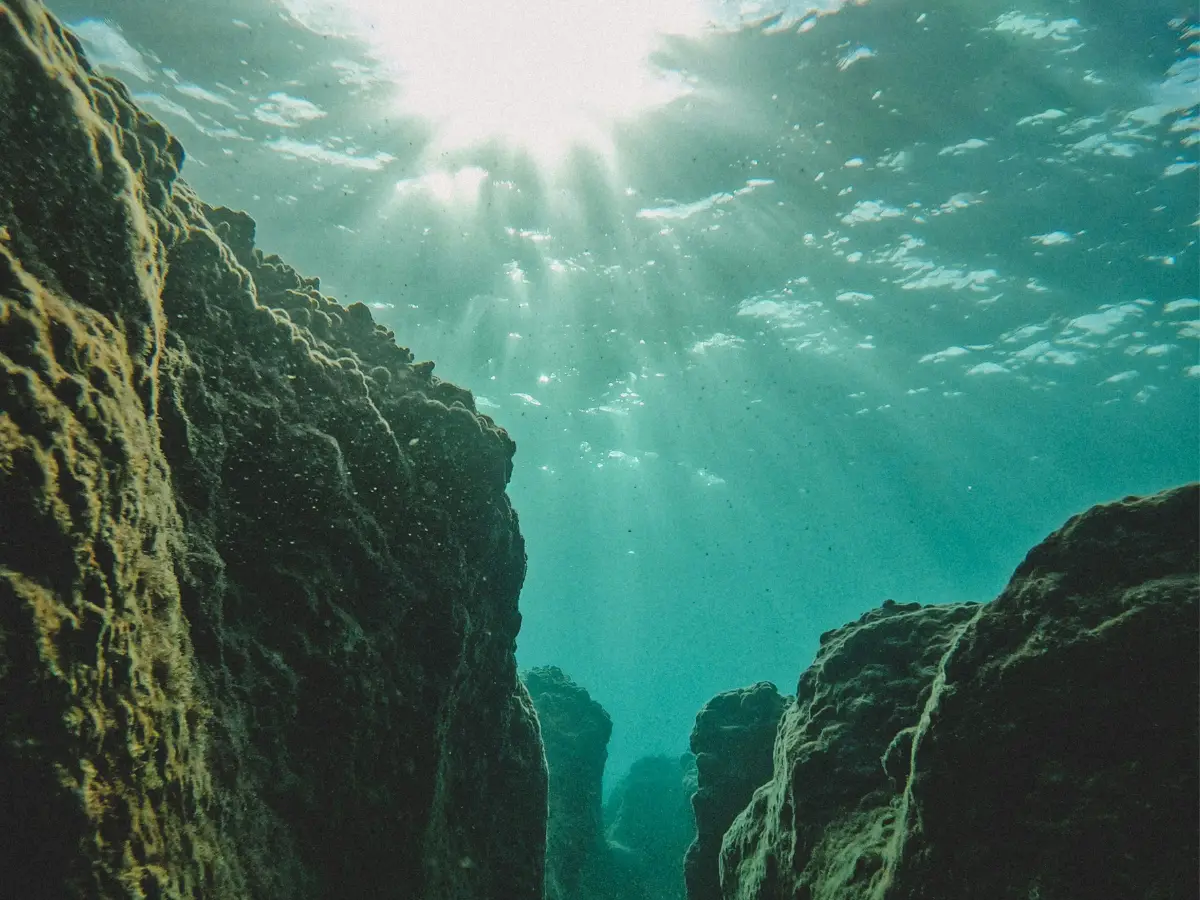
Representative image Photograph: (Unsplash)
A blue hole in the sea near Mexico is so deep that humans have yet to reach its bottom. It also has certain conditions that scientists think could be because of the presence of certain tunnels and caves connecting the hole to the ocean. But what are blue holes?
An underwater sinkhole off the southeastern coast of Mexico’s Yucatan Peninsula is much deeper than previously thought. Scientists have also detected strange conditions at a certain depth, which hints at the presence of tunnels and caves. Taam Ja' Blue Hole (TJBH) was discovered in 2021 and goes 1,380 feet deep below sea level, as per new analysis. Earlier estimates had placed this figure at 900 feet, meaning it is an additional 480 feet deep. This also puts it ahead of the Sansha Yongle Blue Hole, or the Dragon Hole, in the South China Sea, as the one in Mexico is 390 feet deeper than it. Scientists stated in a study published in 2024 that it is the deepest known blue hole on Earth, and "its bottom is still not reached." For the analysis, the researchers used a special probe that can read water properties to measure depth, temperature and conductivity. The data was transmitted in real time, and proved that Taam Ja' Blue Hole is deeper than expected, and one whose bottom is yet to be reached.
The blue hole also has different layers of water, with the most striking one present at 1,312 feet. Under this region, the temperature and salinity conditions are similar to those observed in the Caribbean Sea and nearby coastal reef lagoons. The authors think that this could be because of a hidden network of tunnels and caves that possibly connects the blue hole to the ocean.
An ocean anomaly invisible from space
Another fascinating information about the Taam Ja' Blue Hole in Mexico is that even though the world's oceans are mapped from space, this hole remained a secret until 2021. It was never seen by the satellites and remains practically invisible from above. Scientists learned about it in 2021 when local fishermen who knew about it told them. Its depth meant that their probe could not reach the bottom, and they had to stop because their CTD profiler ran out of cable at 1,380 feet. This means the hole could go as deep as the "Twilight Zone."
Trending Stories
&im=FitAndFill=(700,400)&imwidth=280&imheight=210&format=webp&quality=medium)
&imwidth=280&imheight=210&format=webp&quality=medium)
&imwidth=280&imheight=210&format=webp&quality=medium)
&imwidth=280&imheight=210&format=webp&quality=medium)
&imwidth=280&imheight=210&format=webp&quality=medium)
&imwidth=280&imheight=210&format=webp&quality=medium)
&imwidth=280&imheight=210&format=webp&quality=medium)
&imwidth=280&imheight=210&format=webp&quality=medium)
&imwidth=280&imheight=210&format=webp&quality=medium)
&imwidth=280&imheight=210&format=webp&quality=medium)
&imwidth=280&imheight=210&format=webp&quality=medium)
&imwidth=280&imheight=210&format=webp&quality=medium)
&imwidth=280&imheight=210&format=webp&quality=medium)
&im=FitAndFill=(700,400)&imwidth=280&imheight=210&format=webp&quality=medium)
&imwidth=280&imheight=210&format=webp&quality=medium)
&imwidth=280&imheight=210&format=webp&quality=medium)
&imwidth=280&imheight=210&format=webp&quality=medium)
&imwidth=280&imheight=210&format=webp&quality=medium)
&imwidth=280&imheight=210&format=webp&quality=medium)
&imwidth=280&imheight=210&format=webp&quality=medium)
&imwidth=280&imheight=210&format=webp&quality=medium)
&im=FitAndFill=(700,400)&imwidth=280&imheight=210&format=webp&quality=medium)
&imwidth=280&imheight=210&format=webp&quality=medium)
&imwidth=280&imheight=210&format=webp&quality=medium)
&im=FitAndFill=(700,400)&imwidth=280&imheight=210&format=webp&quality=medium)
&imwidth=280&imheight=210&format=webp&quality=medium)
&imwidth=280&imheight=210&format=webp&quality=medium)
&imwidth=280&imheight=210&format=webp&quality=medium)
&imwidth=280&imheight=210&format=webp&quality=medium)
&imwidth=280&imheight=210&format=webp&quality=medium)
&imwidth=280&imheight=210&format=webp&quality=medium)
&imwidth=280&imheight=210&format=webp&quality=medium)
&imwidth=280&imheight=210&format=webp&quality=medium)
&imwidth=280&imheight=210&format=webp&quality=medium)
&imwidth=280&imheight=210&format=webp&quality=medium)
What are blue holes?
These structures in the oceans present a bizarre image. They look intriguing and are still a mystery to humans. What goes on at the bottom of the hole is a secret, as scientists find it hard to reach the bottom of these pits. Blue holes are nothing but sinkholes, similar to those that form on Earth. As ground caves in on land, it also does in the ocean. Their name carries the word "blue" because they appear darker than the rest of the water around them. According to NOAA Ocean Exploration, these holes are not empty and are home to various kinds of plants and animals. They are all different from each other, but scientists haven't had much success in digging deep since they aren't easily accessible. Most of them start several hundred feet below the surface, and aren't as wide. Some of these blue holes have such narrow openings that most probes cannot enter them.

