3 billion years ago, Mars had a huge ocean that covered half the planet

&imwidth=600&imheight=450&format=webp&quality=medium "3 billion years ago, Mars had a huge ocean that covered half the planet")
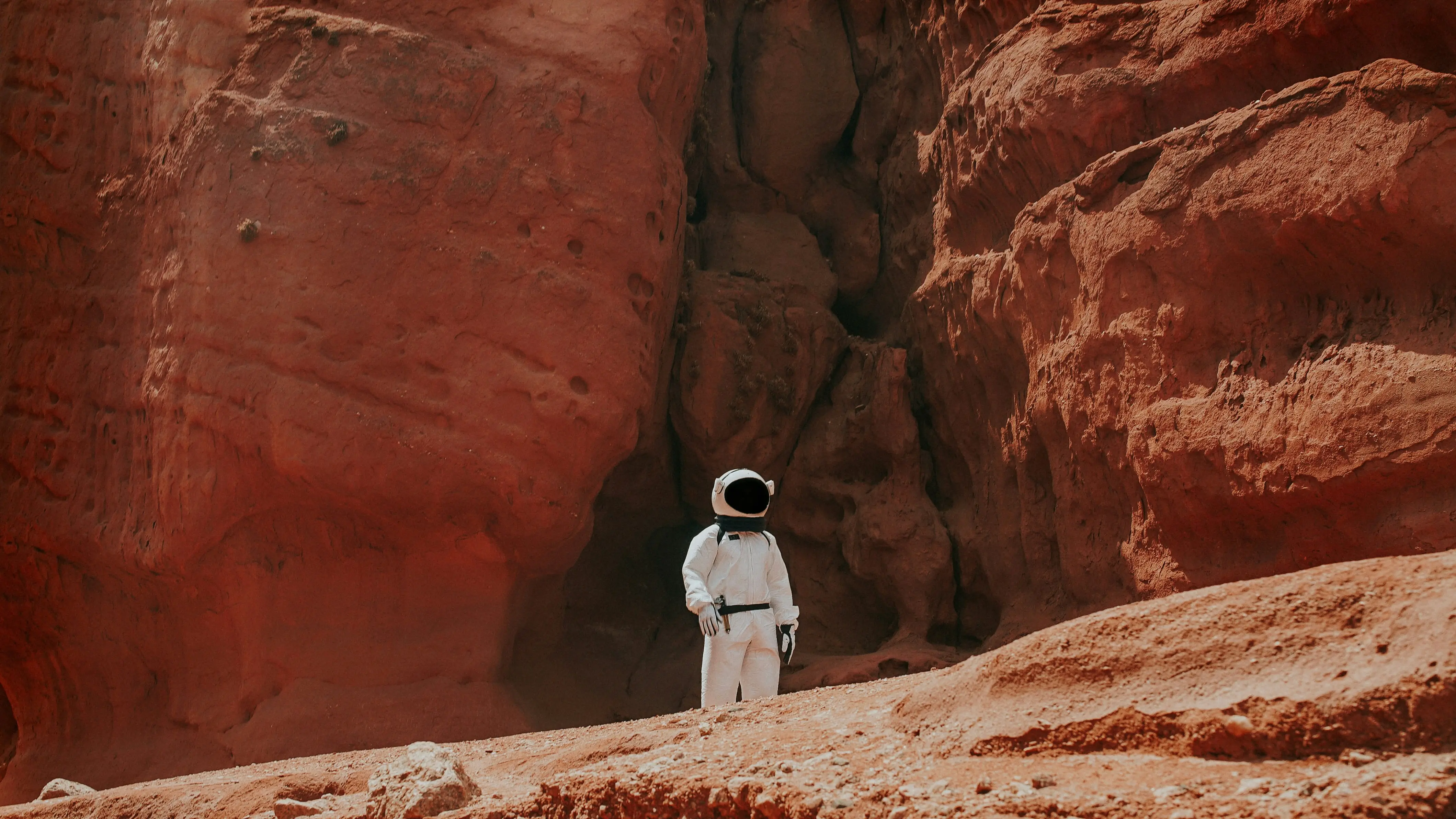
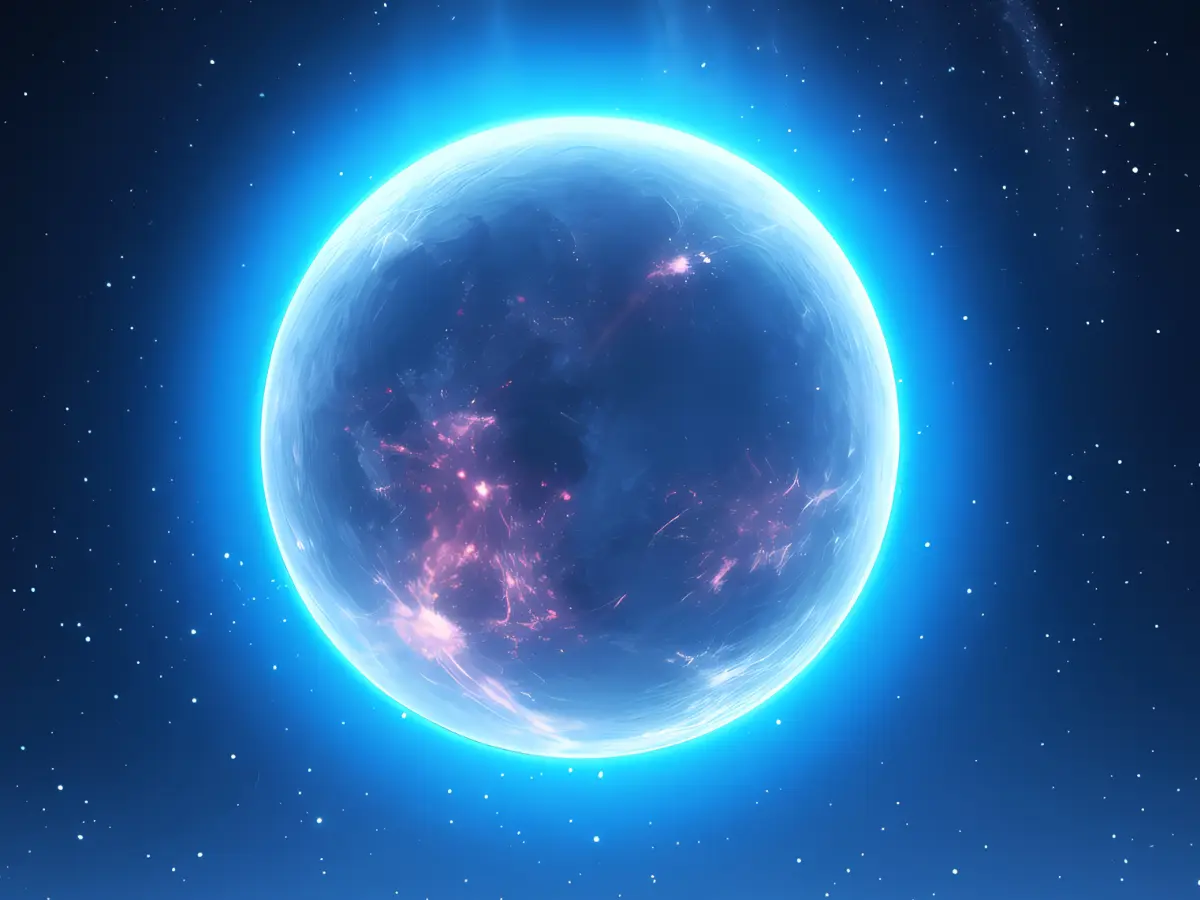
Mars had a huge ocean that covered almost all of its northern hemisphere. Photograph: (Freepik)
Mars used to have a vast ocean that spanned the entire Northern Hemisphere. This was the case three billion years ago, and yet today, it is nothing but an arid planet. Scientists have found conclusive proof that the Red Planet was once a Blue Planet.
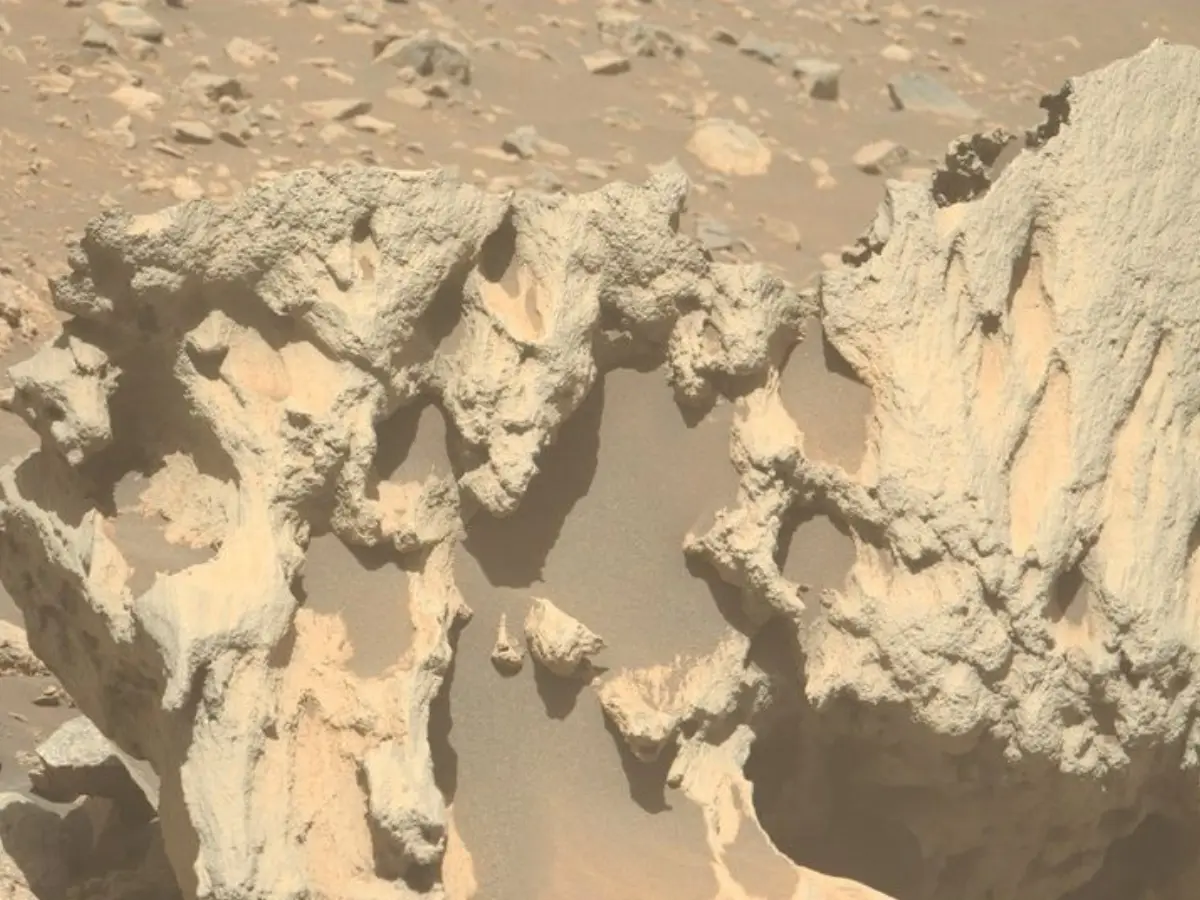
A new study carried out by Swiss scientists has proposed that Mars was once a "blue planet" just like Earth. Researchers of the latest study have found evidence of a vast ocean on Mars, similar in size to the Arctic Ocean. Previous observations have shown that the Red Planet once had major rivers and possibly oceans. Valles Marineris – the largest canyon system on Mars – has been identified as one of the regions near the equator where water was once present. Now, scientists from the University of Bern and the INAF – Osservatorio Astronomico di Padova have found proof of this vast ocean and a coastline. High-resolution images from cameras scanning Mars led them to find structures near the canyon system that resemble river deltas on Earth. They have come across what was once possibly the mouth of a river pouring into the ocean. They say their findings confirm previous research that Mars was covered with an ocean three billion years ago.
The team says that this ocean is as large as the Arctic Ocean on Earth. Fritz Schlunegger, Professor of Exogenous Geology at the Institute of Geological Sciences at the University of Bern, said, "We are not the first to postulate the existence and size of the ocean. However, earlier claims were based on less precise data and partly on indirect arguments. Our reconstruction of the sea level, on the other hand, is based on clear evidence for such a coastline, as we were able to use high-resolution images." He added that their analysis provides evidence for the deepest and largest former ocean on Mars to date. This ocean stretched across the northern hemisphere of the planet, he said. Even though dusty dunes cover this region today, he says their original shape is still noticeable.
Also Read: Ancient Indian texts say one universe ends, and another is born. Is this what Big Bang was?
Mars had conditions that supported life?
Ignatius Argadestya, PhD student at the Institute of Geological Sciences and the Physics Institute of the University of Bern, said that this finding shows that the Red Planet could have supported life at one time in its past. “We know Mars as a dry, red planet. However, our results show that it was a blue planet in the past, similar to Earth. This finding also shows that water is precious on a planet and could possibly disappear at some point,” Argadestya said.
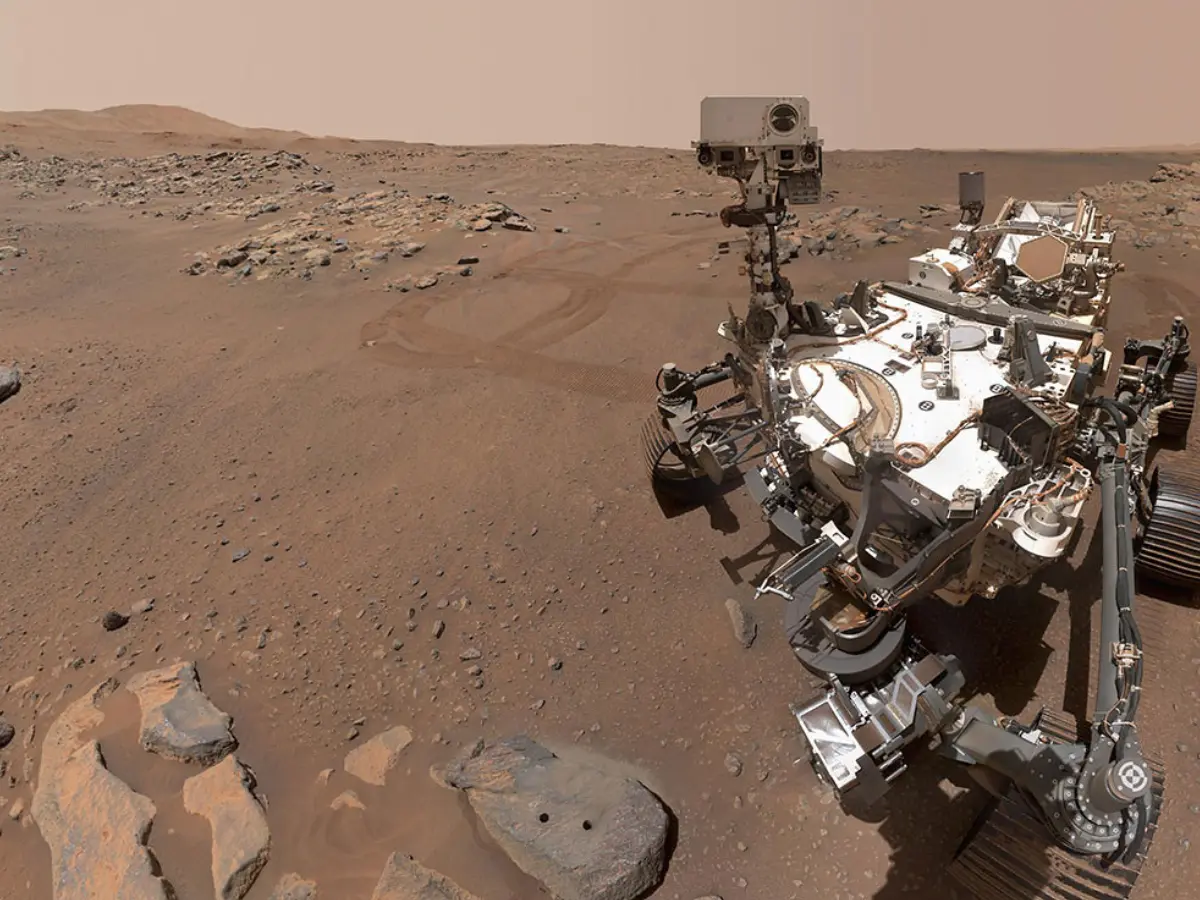
The researchers relied on the CaSSIS (Colour and Stereo Surface Imaging System) camera on board the European Space Agency’s ExoMars Trace Gas Orbiter, and data from ESA space probes Mars Express and NASA's Mars Reconnaissance Orbiter to investigate the structures. “The structures that we were able to identify in the images are clearly the mouth of a river into an ocean,” Schlunegger said.
Trending Stories
)
)
)
)
)
)
)
)
)
)
)
)
)
)
)
)
)
)
)
)
)
)
&im=FitAndFill=(700,400))
)
&im=FitAndFill=(700,400))
)
)
)
)
)