
&imwidth=800&imheight=600&format=webp&quality=medium "Dry days from Super El Niño claim an Indian favourite victim in the Nilgiris")
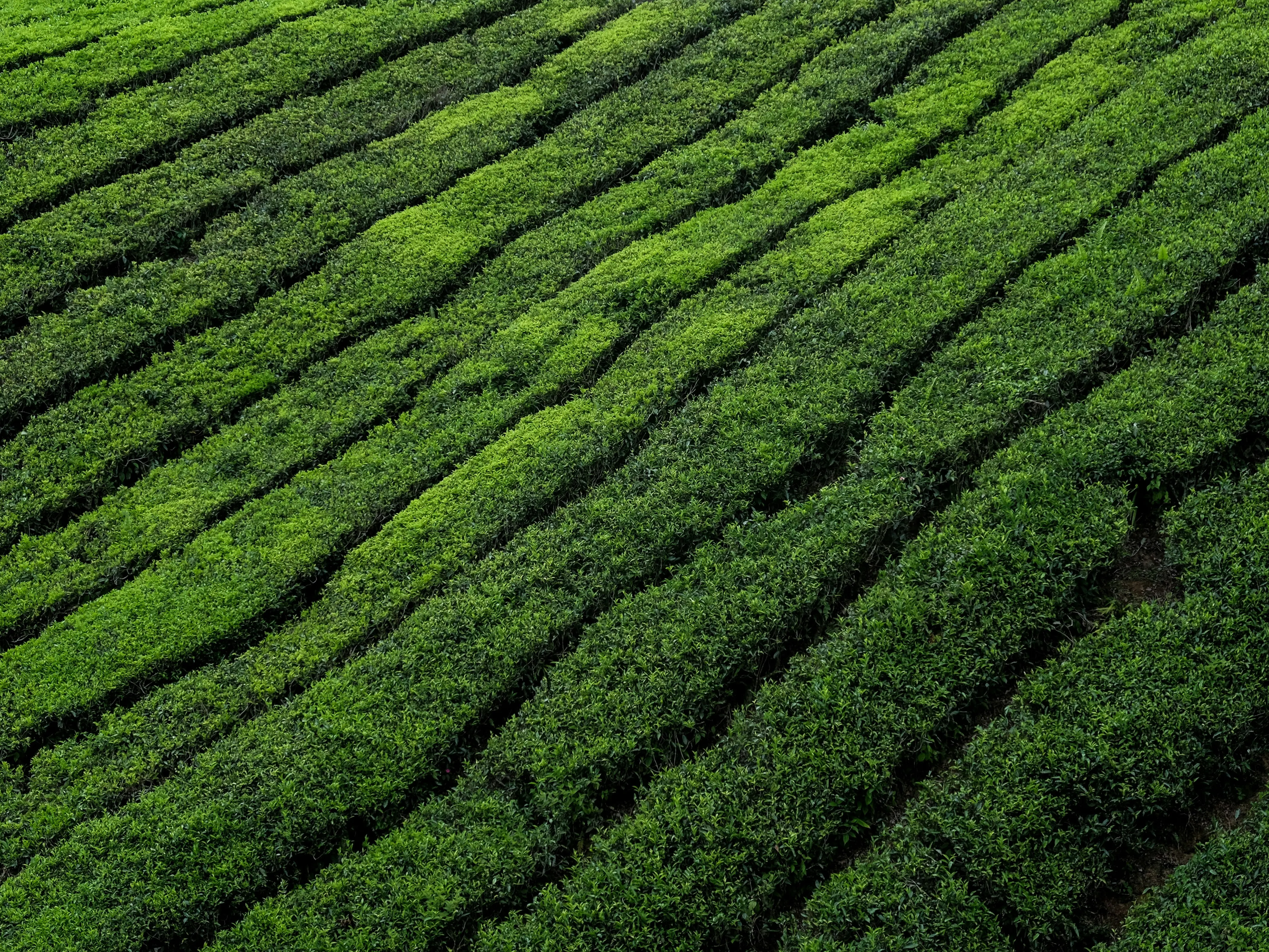
Super El Niño is affecting tea crops in the Nilgiris this season, according to a paper, which warns that rising temperatures and erratic weather patterns are spelling trouble for the plantations in the region. P Murugesan, author of the paper and Advisory Officer at the UPASI Tea Research Foundation Regional Centre in Coonoor, said that tea tracts in South India are not governed by "the quantum of total annual rainfall but by its temporal distribution." So even if the annual rainfall is fine, "an increase in dry-day frequency and a rise in short-duration high-intensity rainfall events could lead to agronomically significant moisture deficits."
Tea is harvested continuously as young shoots, and is vulnerable to even the slightest change in climate. An increasingly hot Earth affects shoot growth, internodal length, harvesting time, yield, quality and long-term bush health. Temperature, soil moisture, irradiance, and humidity dictate the crop’s growth and overall leaf quality. Murugesan wrote in “Super El Niño: Mitigation and Adaptation Strategies for The Nilgiris" that there hasn't been a drastic drop in total annual rainfall volume in the region, as per the meteorological data.

However, there has been a higher frequency of dry days and short-duration, high-intensity rainfall events. The average temperature has increased by approximately 0.5 degrees Celsius, and the geographic reach of frost and hailstorm damage has expanded, long-term observatory data from the Nilgiris shows.
Also Read: NASA satellite spots strongest sign of Super El Niño, confirming all predictions - What to expect?
“Because tea shoots are harvested continuously, these volatile conditions directly affect internodal length, shoot development, and harvesting schedules, ultimately threatening long-term bush health and crop yields,” Murugesan said.
Trending Stories
)
Why asking questions could be more important than memorising answers
)
BRICS Summit 2026: Iran's Pezeshkian praises PM Modi at BRICS
)
Osama Bin Laden ‘planned’ to target India, CIA reveals dozens of declassified documents
)
'Iran won't surrender': Pezeshkian sends blunt message to US while attending BRICS Summit in India
)
BRICS Summit 2026: Global leaders of BRICS nations attend main open session
)
PM Modi and China's Xi offered to help resolve Russia-Ukraine war: Kremlin
)
Why dehydration is the hidden cause of travel fatigue on long flights
&im=FitAndFill=(700,400))
Meet top 5 batters fastest to 3000 runs in T20Is
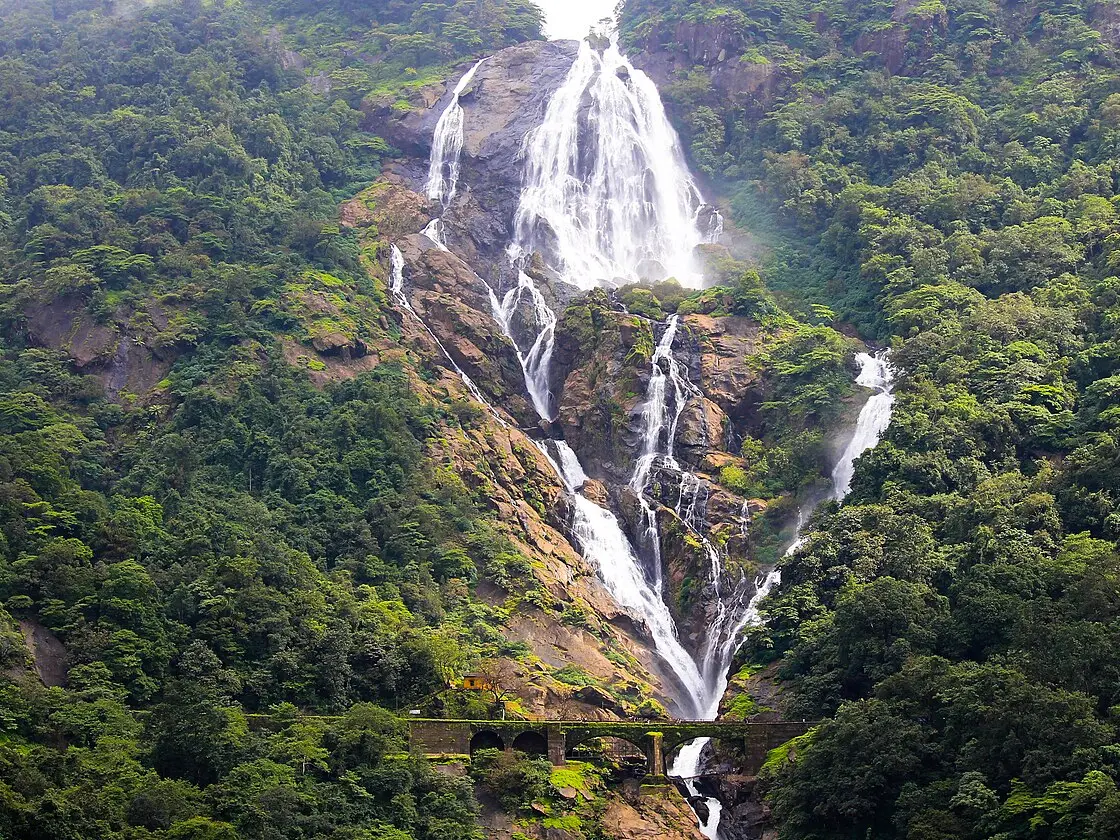)
Top 5 places to visit in Goa beyond its famous beaches
)
'He is popular...': Malaysian PM Anwar Ibrahim's praise for PM Modi during bilateral meeting | WATCH
)
BRICS Summit 2026: PM Modi, Xi reach key consensus on ties, China to assume BRICS chairmanship in 2027
)
BRICS Summit 2026: Consensus on joint declaration, diplomatic win for India
)
Trump says Canada eager to reach a deal, it could come ‘fairly soon’ if Ottawa treats US farmers better
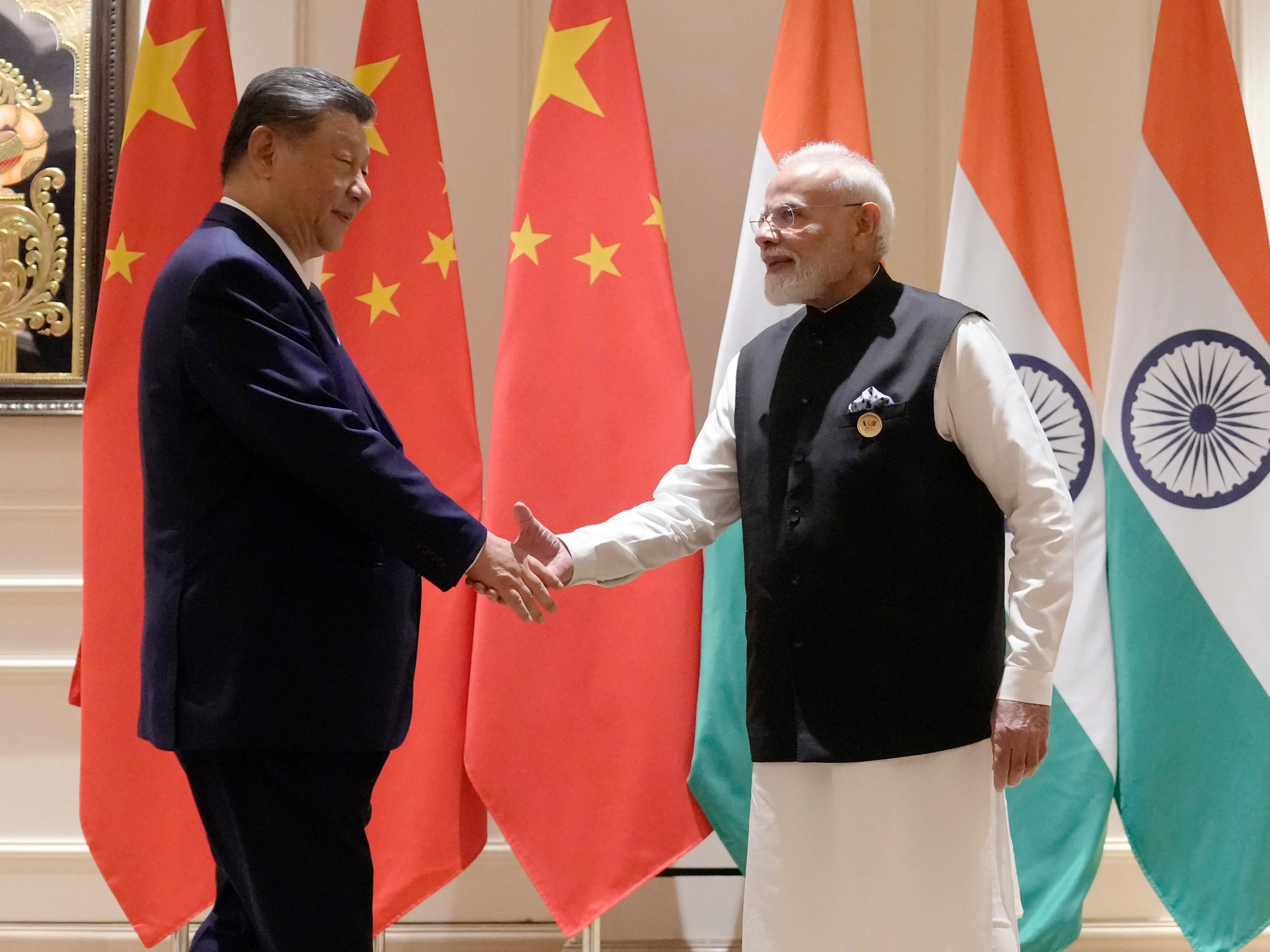)
‘Partners, not rivals’: Xi outlines four point plan for stronger India-China ties
&im=FitAndFill=(700,400))
Why Chinese PL-15 air-to-air missiles use dual-pulse motors compared to European interceptors
)
Could staying indoors all day affect your health?
)
BRICS Summit 2026: PM Modi addresses Day 2 of 18th BRICS summit
)
Who is the smiling man beside Modi, Putin and Xi at BRICS Summit 2026?
)
800 million years old - Scientists discover 'fingerprints' of supercontinent Gondwana in ancient rocks
)
Why going digital does not always mean becoming more efficient
&im=FitAndFill=(700,400))
Why do air defence missiles explode near their target instead of hitting it?
)
War is making Russia stronger? How Ukraine is shaping Moscow’s next generation of weapons
)
From severe mobility problems to recovery: Madhuri the elephant’s journey of wildlife care
)
BRICS Summit day 1: New Delhi declaration adopted with full consensus, big diplomatic win for India
)
Did Iran President Pezeshkian touch feet of Hindu spiritual leader at Delhi event as shown in viral video?
)
9-year-old Chennai prodigy clears Cambridge IGCSE grade 10 exams
)
Why does your body need time to adjust after a long journey?
)
BRICS Summit 2026: PM Modi to hold bilateral with leaders of seven countries
)
Ramanathaswamy temple takes centre stage as PM Modi welcomes world leaders at BRICS
)
Houthis launch cross-border strike on Saudi Arabia as Yemen war escalates
)
BRICS Summit 2026: Chinese president Xi Jinping departs from New Delhi after attending BRICS summit
)
Why does your skin need protection from UV rays?
)
How does the loss of forests affect the way wildlife lives and moves?
)
IND vs AFG, 1st T20I: When and where to watch live streaming in India?
)
Why do wild animals need quiet places to survive?
)
Bigg Boss 20: Qazi Touqeer gets a special ‘rockstar’ moment from Salman Khan
)
Humans may lose control of AI: Anthropic CEO calls for slowdown, Altman, Musk back him
Steps to protect tea plantation from El Nino
As Earth continues to become warmer, and threats like Super El Niño continue to become stronger, he says there is a need for steps to mitigate the effects. He has called for immediate field-level interventions including strategic shade management, optimising canopy cover using shade trees such as Gliricidia sepium to regulate microclimates and protect tea bushes. “The governing principle for tea management under Super El Niño conditions is unambiguous. So, protect the bush before protecting the crop," he said.

