Climate change shows its fangs - Melting permafrost triggered rockslide on Arctic island

&imwidth=600&imheight=450&format=webp&quality=medium "Climate change shows its fangs - Melting permafrost triggered rockslide on Arctic island")
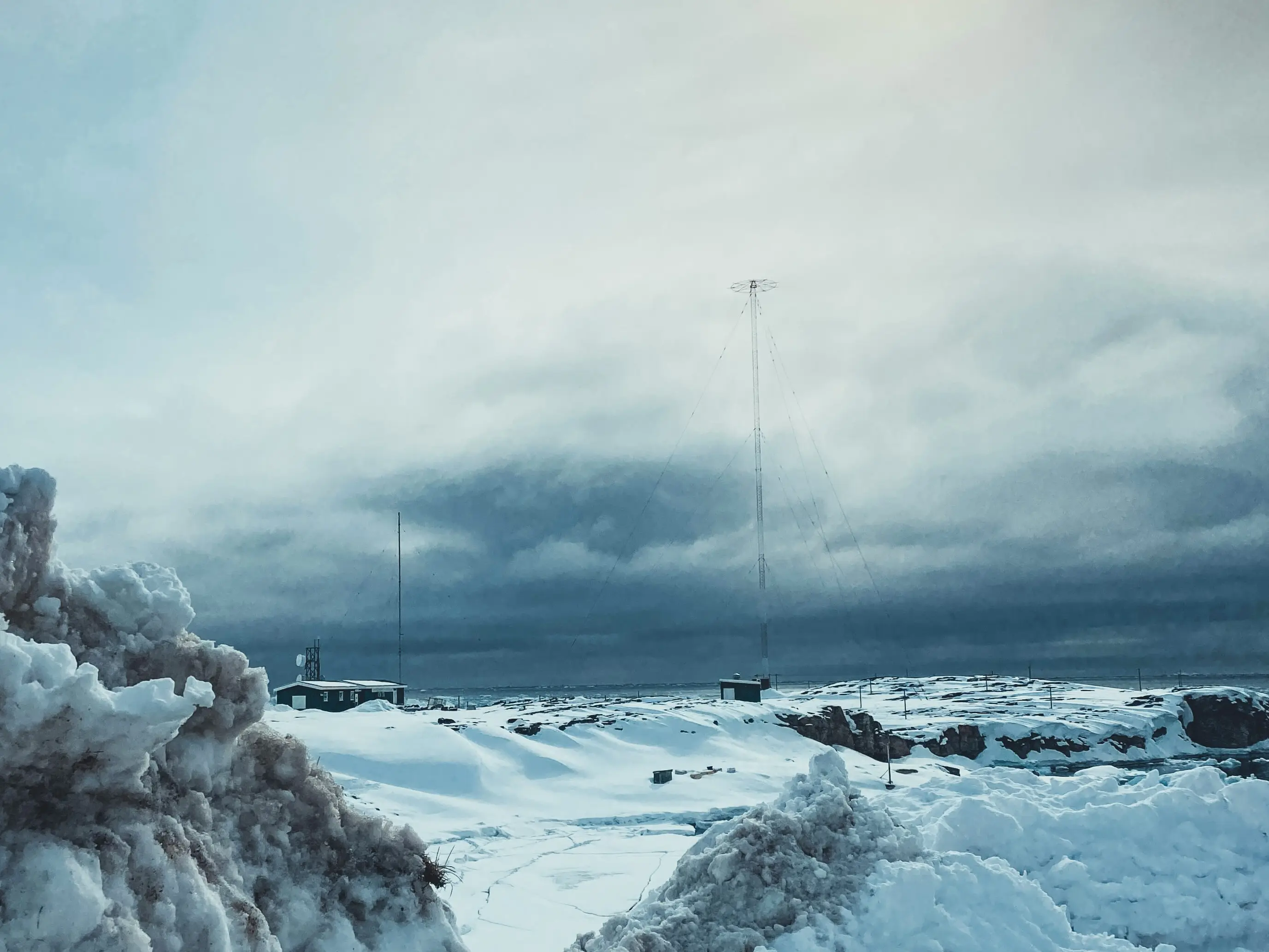
A 2025 rockslide on an Arctic island was caused by climate change and not just the earthquake.
Scientists have flagged the potential for more climate change-driven disasters like the Nepal-Tibet floods. In the Arctic, an earthquake triggered a massive rockslide in 2025. However, climate change had melted the permafrost, which actually caused the avalanche.
Scientists have stumbled upon the actual reason for the rock avalanche that hit Jan Mayen, a Norwegian volcanic island in the Arctic Ocean, in March 2025. Till now it was believed that a magnitude 6.5 earthquake destabilised the rocks, triggering the rockslide that buried a large portion of the Kjerulf Glacier. Even though this was the biggest earthquake to strike the island, it was not what caused this rock avalanche.
A study published in the journal Proceedings of the National Academy of Sciences states that it was the melting permafrost that sent the rocks to tumble down the slope in Jan Mayen. Simply put, climate change was the reason for this calamity, which affected the permafrost, the permanently frozen ground held together by ice.
The rising temperatures are triggering not only the glaciers to melt, but also the permafrost in the Arctic. Researchers used seismic data, infrasound observations, satellite imagery, satellite ground displacement data, and climate records to pin down the actual culprit.
So while the earthquake triggered the actual avalanche, the slope had already become unstable by permafrost degradation. Guilherme WS de Melo, the lead author of the study, said this is the first time an earthquake-triggered rock avalanche on Jan Mayen Island has been documented.
Trending Stories
&imwidth=280&imheight=210&format=webp&quality=medium)
&imwidth=280&imheight=210&format=webp&quality=medium)
&imwidth=280&imheight=210&format=webp&quality=medium)
&imwidth=280&imheight=210&format=webp&quality=medium)
&imwidth=280&imheight=210&format=webp&quality=medium)
&imwidth=280&imheight=210&format=webp&quality=medium)
&imwidth=280&imheight=210&format=webp&quality=medium)
&imwidth=280&imheight=210&format=webp&quality=medium)
&imwidth=280&imheight=210&format=webp&quality=medium)
&imwidth=280&imheight=210&format=webp&quality=medium)
&imwidth=280&imheight=210&format=webp&quality=medium)
&imwidth=280&imheight=210&format=webp&quality=medium)
&imwidth=280&imheight=210&format=webp&quality=medium)
&imwidth=280&imheight=210&format=webp&quality=medium)
&imwidth=280&imheight=210&format=webp&quality=medium)
&imwidth=280&imheight=210&format=webp&quality=medium)
&imwidth=280&imheight=210&format=webp&quality=medium)
&imwidth=280&imheight=210&format=webp&quality=medium)
&imwidth=280&imheight=210&format=webp&quality=medium)
&imwidth=280&imheight=210&format=webp&quality=medium)
&imwidth=280&imheight=210&format=webp&quality=medium)
&imwidth=280&imheight=210&format=webp&quality=medium)
&imwidth=280&imheight=210&format=webp&quality=medium)
&imwidth=280&imheight=210&format=webp&quality=medium)
&imwidth=280&imheight=210&format=webp&quality=medium)
&imwidth=280&imheight=210&format=webp&quality=medium)
&im=FitAndFill=(700,400)&imwidth=280&imheight=210&format=webp&quality=medium)
&imwidth=280&imheight=210&format=webp&quality=medium)
&imwidth=280&imheight=210&format=webp&quality=medium)
&imwidth=280&imheight=210&format=webp&quality=medium)
&imwidth=280&imheight=210&format=webp&quality=medium)
&imwidth=280&imheight=210&format=webp&quality=medium)
&imwidth=280&imheight=210&format=webp&quality=medium)
&imwidth=280&imheight=210&format=webp&quality=medium)
&imwidth=280&imheight=210&format=webp&quality=medium)
&imwidth=280&imheight=210&format=webp&quality=medium)
Earthquakes and rockslides
Jan Mayen Island sits near the Jan Mayen Ocean Transform Fault, a seismically active plate boundary which often triggers earthquakes on the island. But never before has one caused a rock avalanche of the same scale, according to satellite observations from the past 40 years. Their analysis showed that the earthquake did trigger the rock avalanche.
It occurred within three minutes of the main shock, with 1.3 million cubic yards of debris covering 30 to 50 per cent of the Kjerulf Glacier’s surface. An ice calving event on the shoreline of the Weyprecht Glacier nearby was also recorded.
Climate change loosened the rocks
To understand if climate change could have played a role, they gathered air temperature records at Jan Mayen Island from 1970 to 2025. The average summer temperatures had risen from 2 to 3 degrees Celsius in this period, while the winter temperature rose from -7 to -6 degrees Celsius. Extreme cold events, where temperatures were below -20 degrees Celsius, went down in the 1990s.
Also Read: IIT Mandi researchers flag 9-12 glacial lakes as 'critical' in Himachal Pradesh amid permafrost loss
Scientists have earlier flagged that the Arctic is warming at a faster rate than the rest of the world. The study authors noted that climate change has increased the risk of landslides and avalanches in the entire Arctic. Hazardous events, such as the one that occurred in Nepal and Tibet on August 26, could become common because of global warming.
"There, the immediate trigger was a glacier/ice-rock collapse; in the event we studied on Jan Mayen, it was an earthquake. In the broader context, however, both events highlight how a warming climate can make glacial areas increasingly vulnerable to cascading hazards," de Melo said.
The Arctic event once again proves that human-driven climate change is weakening glaciers, setting the stage for ominous events.

