Arachnophobes beware! Fastest spider on Earth, that moves 12 feet in 1 second, has just been identified

&imwidth=600&imheight=450&format=webp&quality=medium "Arachnophobes beware! Fastest spider on Earth, that moves 12 feet in 1 second, has just been identified")
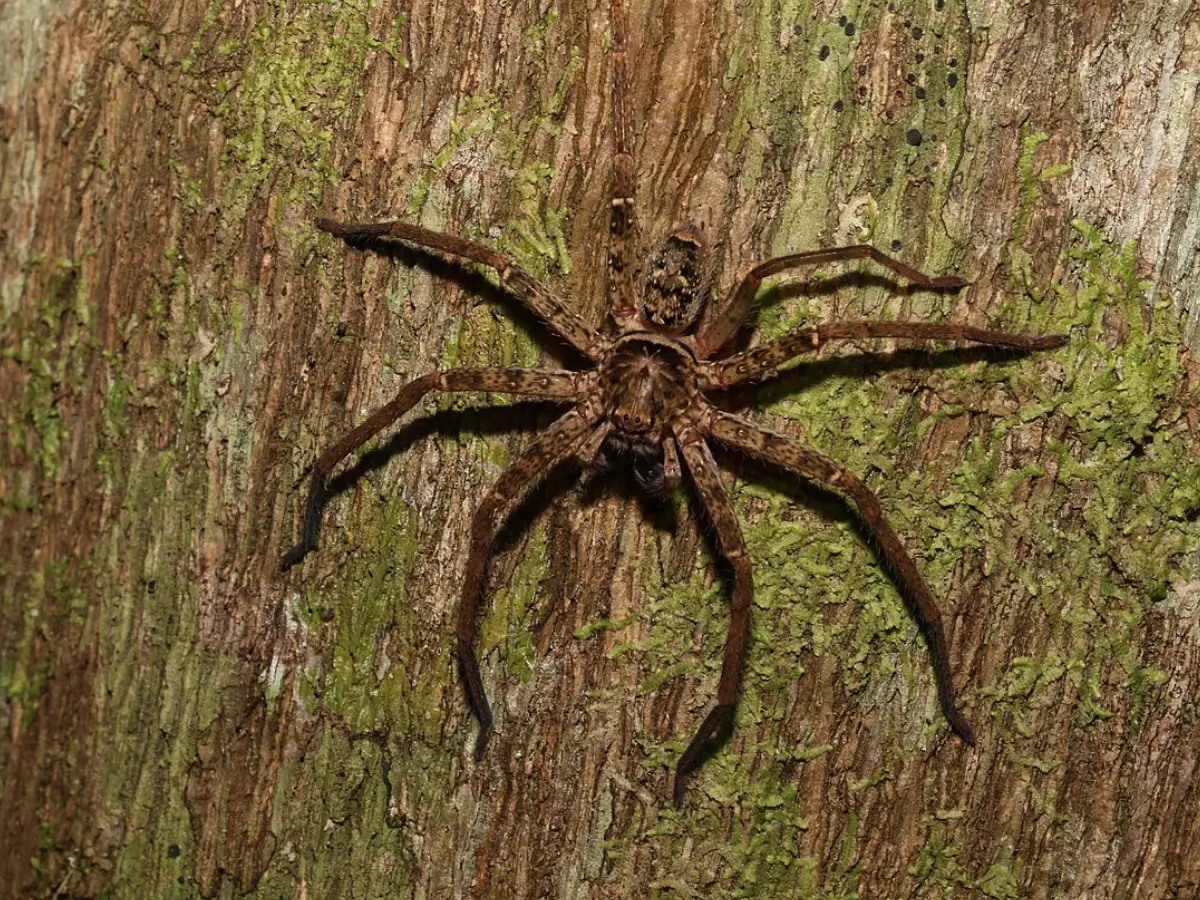
Brown huntsman is the fastest spider on Earth, according to a new study Photograph: (Wikimedia Commons)
The brown huntsman spiders found in Australia are the fastest spiders on Earth. A study has found that the Heteropoda jugulan species can run at speeds of 13km/hr. However, there could be much faster spiders out there, scientists said.
The brown huntsman, Heteropoda jugulan, has been identified as the fastest spider on Earth. Clocking at 3.59 metres (12 feet) per second (13km/hr or 8mph), the hairy-legged huntsman is faster than the current world record-holder. A team of German and British scientists studied more than 250 spider species and concluded that the huntsman is faster than the Moroccan flic-flac spider, which tops out at 1.7 m/s (6 km/hr). The spiders were collected from London, the German city of Greifswald, North America, southern Europe and Australia.
The brown huntsman is only found in Australia, and is often seen in homes in south-east Queensland. The venomous spiders are as large as a human hand, but rarely bite humans. The spiders used in the study were observed using cameras and ran on gridded paper. The huntsman registered a high speed of 3.59 m/s only for a fraction of a second, and its sustained speed stood at 2 m/s. The paper will be published in a scientific journal, and it also includes other studies about spider speeds.
How spiders move
One such work was done by Dr Christofer Clemente, an evolutionary biomechanist at the University of the Sunshine Coast in Queensland. His work, published in 2021, tried to understand how spiders moved. He just grabbed a bunch of spiders from his backyard without really selecting any special creatures. “I am interested in how different animals of different sizes move and whether muscle might limit the speed at which animals can run,” he said.
Also Read: 82-million-year-old fossil reveals Antarctica was home to the largest dinosaurs to ever walk Earth
He said that even though the huntsman only peaked at 3.59 m/s for a small time, that is "still really fast". Clemente says spiders use "a combination of muscles to retract their limbs and hydraulic pressure to push them outwards." To run really fast, a creature should have a "sweet spot" between legs and muscles. The legs should be long, but "not so big that you have to support this huge mass". He believed before the study that the huntsman might have the “best spider body type for speed.”
Trending Stories
&imwidth=280&imheight=210&format=webp&quality=medium)
&imwidth=280&imheight=210&format=webp&quality=medium)
&imwidth=280&imheight=210&format=webp&quality=medium)
&imwidth=280&imheight=210&format=webp&quality=medium)
&imwidth=280&imheight=210&format=webp&quality=medium)
&imwidth=280&imheight=210&format=webp&quality=medium)
&imwidth=280&imheight=210&format=webp&quality=medium)
&imwidth=280&imheight=210&format=webp&quality=medium)
&imwidth=280&imheight=210&format=webp&quality=medium)
&imwidth=280&imheight=210&format=webp&quality=medium)
&imwidth=280&imheight=210&format=webp&quality=medium)
&imwidth=280&imheight=210&format=webp&quality=medium)
&imwidth=280&imheight=210&format=webp&quality=medium)
&imwidth=280&imheight=210&format=webp&quality=medium)
&imwidth=280&imheight=210&format=webp&quality=medium)
&imwidth=280&imheight=210&format=webp&quality=medium)
&imwidth=280&imheight=210&format=webp&quality=medium)
&imwidth=280&imheight=210&format=webp&quality=medium)
&imwidth=280&imheight=210&format=webp&quality=medium)
&im=FitAndFill=(700,400)&imwidth=280&imheight=210&format=webp&quality=medium)
&imwidth=280&imheight=210&format=webp&quality=medium)
&imwidth=280&imheight=210&format=webp&quality=medium)
&imwidth=280&imheight=210&format=webp&quality=medium)
&im=FitAndFill=(700,400)&imwidth=280&imheight=210&format=webp&quality=medium)
&imwidth=280&imheight=210&format=webp&quality=medium)
&imwidth=280&imheight=210&format=webp&quality=medium)
&imwidth=280&imheight=210&format=webp&quality=medium)
&imwidth=280&imheight=210&format=webp&quality=medium)
&imwidth=280&imheight=210&format=webp&quality=medium)
&imwidth=280&imheight=210&format=webp&quality=medium)
&imwidth=280&imheight=210&format=webp&quality=medium)
&imwidth=280&imheight=210&format=webp&quality=medium)
&imwidth=280&imheight=210&format=webp&quality=medium)
&imwidth=280&imheight=210&format=webp&quality=medium)
&imwidth=280&imheight=210&format=webp&quality=medium)
There could be faster spiders than brown huntsman
Dr Jonas Wolff, of the University of Greifswald in Germany, a lead author of the study, said that running speeds can determine the ecological niche of spiders, and how they interact with the environment. He says that the study also revealed that “it was not the largest species that ran the fastest”, and spiders that catch prey in webs are not necessarily slower than huntsmans. Meanwhile, it is possible that there are faster huntsman species that are yet to be analysed.

