Would you like to live on an island RULED by AI? Yes, it exists

&imwidth=600&imheight=450&format=webp&quality=medium "Would you like to live on an island RULED by AI? Yes, it exists")
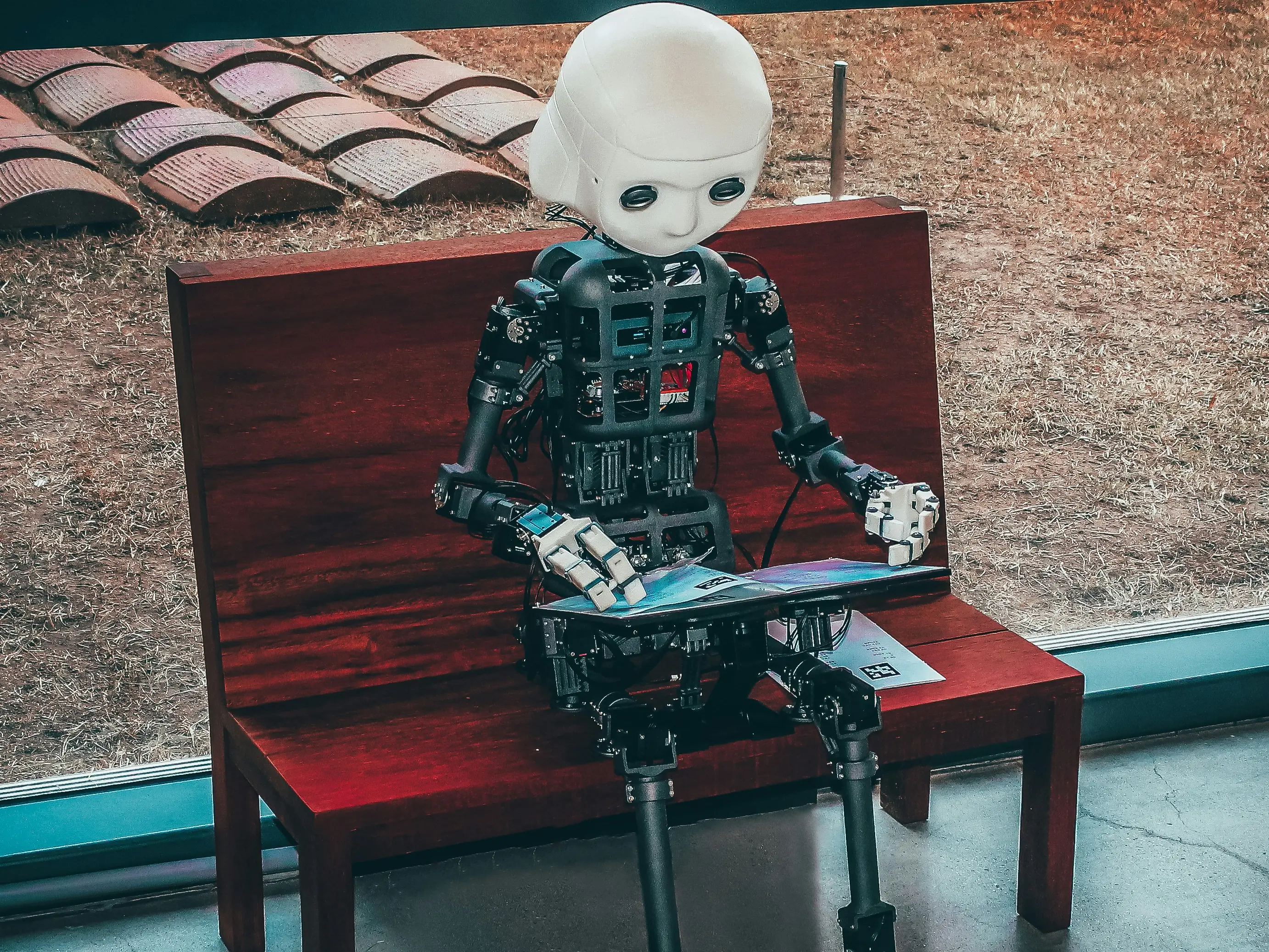
Island ruled by AI in the Philippines will soon be a reality. Photograph: (Unsplash)
AI bots impersonating figures like Gandhi and Churchill could soon rule an island. They will think like them, talk like them, and argue like them. Could they turn into a threat if AI is left to make independent decisions without intervention from humans?
A place ruled entirely by robots definitely sounds like a scary scenario, but one person seems adamant on making it a reality. He is almost certain that nothing bad will happen, after all, the Cabinet will comprise AI replicas of world leaders like Mahatma Gandhi, Winston Churchill, Eleanor Roosevelt, Marcus Aurelius, Nelson Mandela, Leonardo da Vinci, and Sun Tzu. However, experts fear that it could lead to dangerous and expensive mistakes. Sensay is a tiny 3.6km island in the Philippines located in the Palawan archipelago. It is owned by Dan Thomson, who runs an AI chatbot company. He dreams of establishing a micronation on his island, governed by a council of 17 AI-powered robots modelled after the powerful leaders. They think, deliberate decisions, and argue just like them. They can even incorporate proposals and votes from them. Getting the best minds together might be the perfect way to ensure smooth governance; however, critics and Thomson know that everything could go wrong.
AI has already been flagged as a potential risk to humanity if it evolves in ways that are not beneficial to us. On Sensay, we might get to see that happening first-hand. The rule of AI with no human intervention could be a recipe for disaster. Currently, it relies on human proxies and manually implements its choices. But Thomson's future plan is to connect the AI council to independent banking cards and crypto wallets. It would hire and pay workers in the real world, and everything could go wrong from here. Talking about an extreme scenario with CNN, he said, "If it starts acquiring weapons and attacking neighbouring islands, that would be a bad situation." Although Thomson thinks "it's extremely unlikely" to happen. He has placed a 'Human Override Assembly' to counter any threat.
12,000 people have applied to become e-residents
Even though it is simply an experiment at the moment, thousands of people have shown interest in becoming residents. Thomson wants to build up to 30 villas on the island to make it a popular stopover for tourists who visit Palawan each year. He also thinks it could get some permanent residents. At least 12,000 people have applied to become e-residents on the island. He did not expect this to happen, and says it is likely because "so many people have such little faith in their own governments". An e-resident is a digital identity, and those who hold it can access a country's e-services with ease. Right now, only one person, a groundskeeper referred to as a 'guy called Mike' by project communications advisor Emily Keogh, lives here.
According to Sensay's website, the full digital e-residency programme will be officially launched in 2027.
Trending Stories
&imwidth=280&imheight=210&format=webp&quality=medium)
&im=FitAndFill=(700,400)&imwidth=280&imheight=210&format=webp&quality=medium)
&imwidth=280&imheight=210&format=webp&quality=medium)
&imwidth=280&imheight=210&format=webp&quality=medium)
&imwidth=280&imheight=210&format=webp&quality=medium)
&imwidth=280&imheight=210&format=webp&quality=medium)
&imwidth=280&imheight=210&format=webp&quality=medium)
&imwidth=280&imheight=210&format=webp&quality=medium)
&imwidth=280&imheight=210&format=webp&quality=medium)
&imwidth=280&imheight=210&format=webp&quality=medium)
&imwidth=280&imheight=210&format=webp&quality=medium)
&imwidth=280&imheight=210&format=webp&quality=medium)
&imwidth=280&imheight=210&format=webp&quality=medium)
&imwidth=280&imheight=210&format=webp&quality=medium)
&imwidth=280&imheight=210&format=webp&quality=medium)
&imwidth=280&imheight=210&format=webp&quality=medium)
&im=FitAndFill=(700,400)&imwidth=280&imheight=210&format=webp&quality=medium)
&imwidth=280&imheight=210&format=webp&quality=medium)
&imwidth=280&imheight=210&format=webp&quality=medium)
&imwidth=280&imheight=210&format=webp&quality=medium)
&imwidth=280&imheight=210&format=webp&quality=medium)
&imwidth=280&imheight=210&format=webp&quality=medium)
&imwidth=280&imheight=210&format=webp&quality=medium)
&imwidth=280&imheight=210&format=webp&quality=medium)
&im=FitAndFill=(700,400)&imwidth=280&imheight=210&format=webp&quality=medium)
&imwidth=280&imheight=210&format=webp&quality=medium)
&imwidth=280&imheight=210&format=webp&quality=medium)
&imwidth=280&imheight=210&format=webp&quality=medium)
&imwidth=280&imheight=210&format=webp&quality=medium)
&imwidth=280&imheight=210&format=webp&quality=medium)
&imwidth=280&imheight=210&format=webp&quality=medium)

