3I/ATLAS spewed pristine material as ice volcanoes erupted near the Sun, Spanish scientists find

&imwidth=600&imheight=450&format=webp&quality=medium "3I/ATLAS spewed pristine material as ice volcanoes erupted near the Sun, Spanish scientists find")
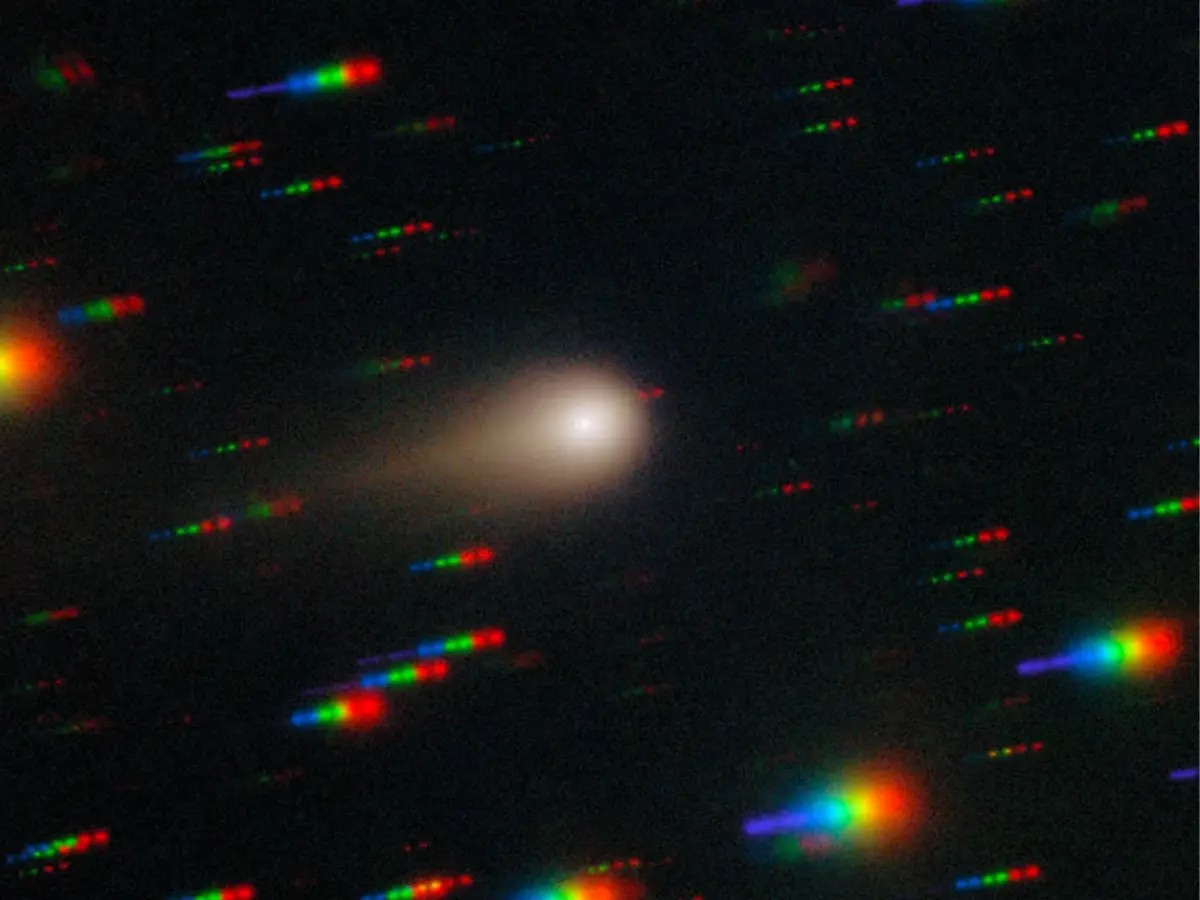
Interstellar comet 3I/ATLAS has ice volcanoes. Photograph: (Gemini Observatory/ Chile)
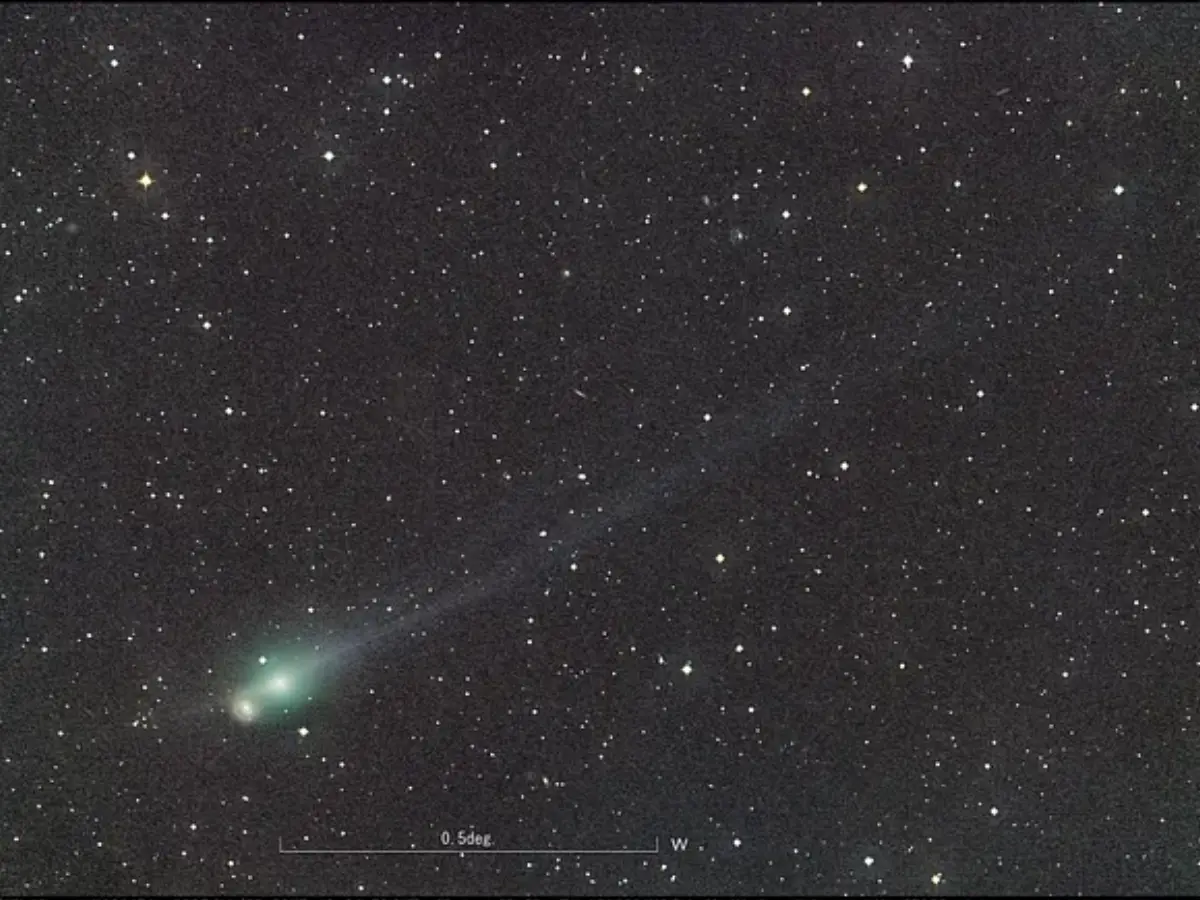
3I/ATLAS is covered with icy volcanoes that erupted as it came near the Sun. A team of Spanish scientists spotted jets of ice and dust being released from the interstellar comet at perihelion. This explains why it brightened near the Sun.
Interstellar comet 3I/ATLAS could be covered with icy volcanoes, which erupted as it neared the Sun, a study has found. Researchers say that as the comet's proximity to our star decreased, a series of cryovolcanoes, or ice volcanoes, erupted on its surface. According to the study posted November 24 to the preprint server arXiv, the composition of 3I/ATLAS can explain these icy jets. Study authors say that their findings show that the alien comet is similar to dwarf planets and other objects that orbit the sun beyond Neptune. This would mean that the interstellar comet shares some of the properties with several bodies in our solar system. Notably, 3I/ATLAS is dated to be 7-14 billion years old, way before our star system came into existence.
The study was led by Josep Trigo-Rodríguez, a staff leading researcher at the Institute of Space Sciences (CSIC/IEEC) in Spain. His team tried to dive deep into the history of 3I/ATLAS, as it is only the third interstellar object. It can offer vital clues about the world beyond our solar system and the early universe. Trigo-Rodríguez and his colleagues used the Joan Oró Telescope at the Montsec Observatory in the northeastern Catalonia region of Spain to observe the comet, and also coordinated with observatories for better data.
Also Read: Universe makes us happy, quite literally: NASA finds ‘Happy Hormone’ molecule in asteroid Bennu
3I/ATLAS brightened near the Sun - Telescope captures jets of gas and dust
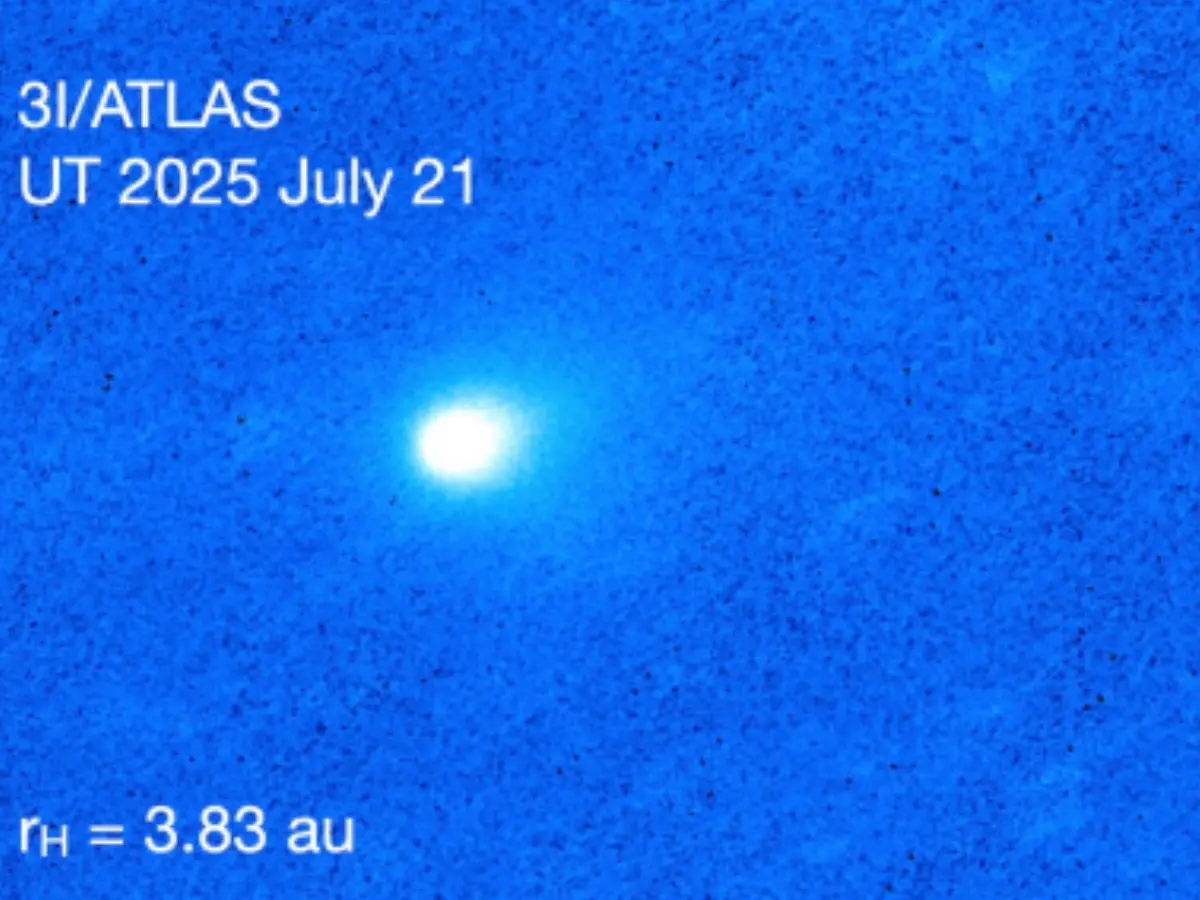
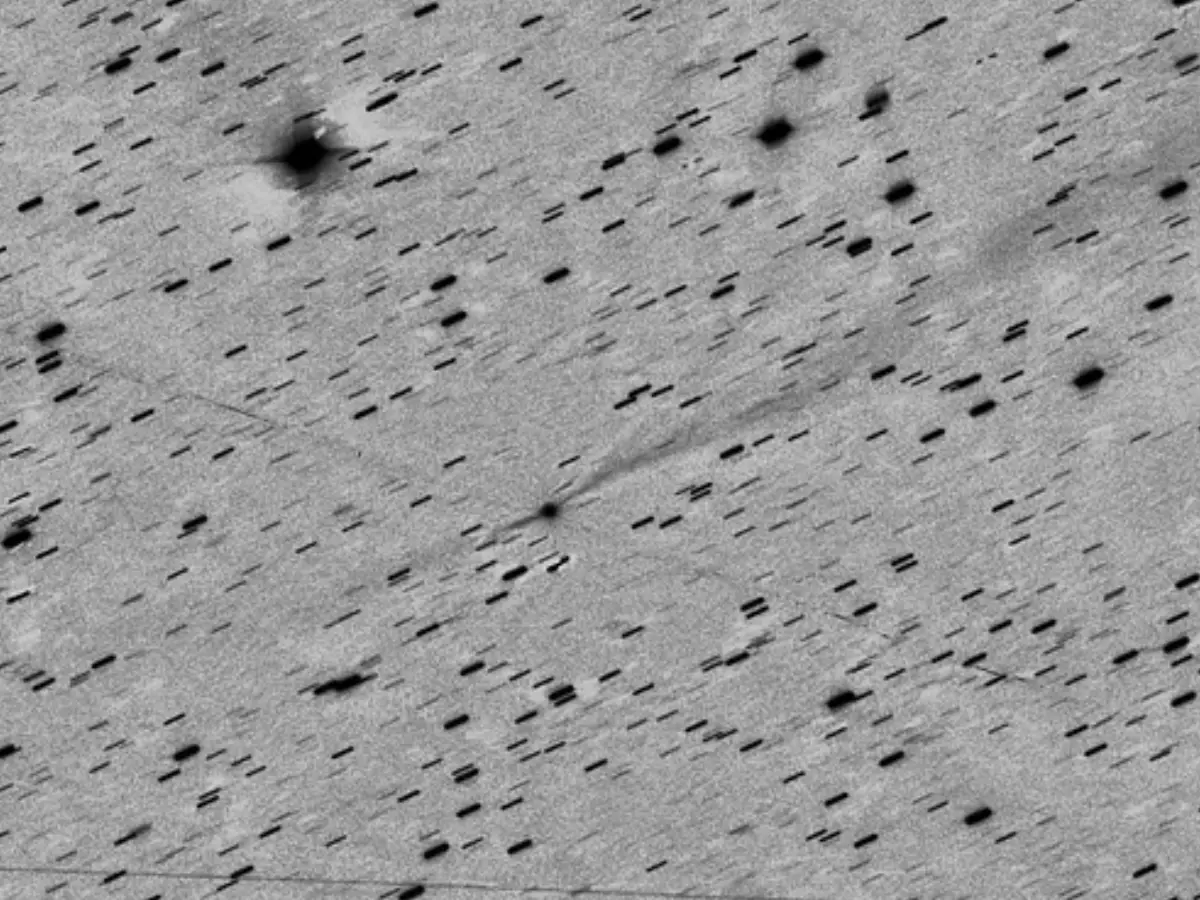
The team observed 3I/ATLAS on October 29, right around the time it was to reach perihelion. They noted that as it approached the nearest point to the Sun, it got brighter. This is common for comets as the heat and radiation from our star triggers sublimation, that is, turning ice on comets into gas. However, in the case of 3I/ATLAS, they saw that the sublimation was way more intense when it got within about 378 million kilometres of the sun. The Joan Oró Telescope captured the highest-resolution images yet of jets of gas and dust particles on the comet. Trigo-Rodríguez's team believes these jets are clear signs of cryovolcanism on 3I/ATLAS.
Trending Stories
)
)
)
)
)
)
)
&im=FitAndFill=(700,400))
)
)
)
)
)
&im=FitAndFill=(700,400))
)
)
)
)
)
)
)
)
)
)
)
)
&im=FitAndFill=(700,400))
)
)
)
)
)
)
)
3I/ATLAS releases pristine material
Within our solar system, trans-Neptunian bodies, such as Pluto and Eris, rich in ice, witness cryo-volcanic eruptions. For them, this happens because of internal heat. In the case of 3I/ATLAS, researchers believe the icy volcanoes are releasing pristine material locked within the comet. As it got closer to the Sun, the heat warmed up frozen carbon dioxide inside it, and the resultant gas rushed through the comet’s porous, icy body. It potentially carried or enabled other fluids or oxidising liquids to seep inward, triggering a reaction with metallic grains like nickel and iron sulfides.
Scientists are unsure of the origin point of 3I/ATLAS. Some say it likely originated in the Milky Way's thick disk, while other studies suggest it could have been born in the thin disk. It is older than our solar system, and has been on a journey for billions of years. The comet will soon exit, never to return.