
&imwidth=800&imheight=600&format=webp&quality=medium "Nvidia CEO says AI companies should regulate themselves, not slow development")
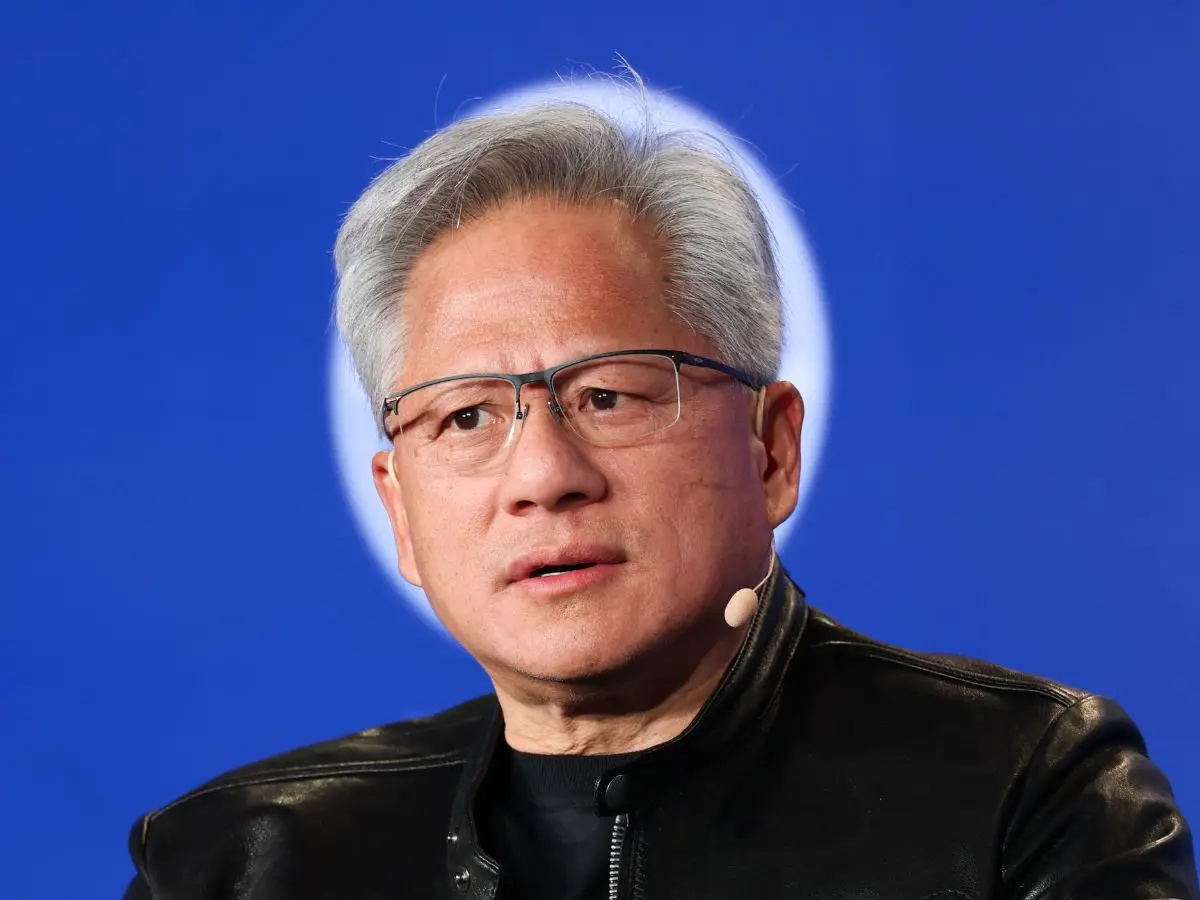
Nvidia CEO Jensen Huang has pushed back against growing calls to slow the development of advanced artificial intelligence, saying companies can pursue faster AI progress while still building safe products.
Speaking at Salesforce’s Dreamforce conference in San Francisco on Tuesday, Huang said “we don’t need any new laws” and argued that AI safety should primarily be handled by companies through engineering and testing. His comments put him on a different side of an increasingly heated debate involving Anthropic CEO Dario Amodei and OpenAI CEO Sam Altman, who have backed measures to deliberately pace frontier AI development.
‘Safety is an engineering problem’ Huang said safety was “paramount” but argued that companies should test their AI systems extensively before releasing them. “If we're not confident about the safety of the product, then don't release it,” he said. For Huang, the answer is therefore not necessarily to impose new restrictions on how quickly AI models can improve.

Instead, companies should decide when a product is ready and only release it when they are confident it is safe enough for the market. He also rejected the idea that companies must choose between speed and safety.
“Speed, and safe products… it’s a false choice,” Huang said. “You can definitely have both at the same time.”
Huang breaks with Amodei and Altman
Trending Stories
)
‘Kill all in the name of...’: FBI arrests 21-year-old over alleged ISIS-inspired mass-casualty attack plot
)
'She married her brother': Ilhan Omar faces criminal probe over immigration fraud claims
)
Bitter Zelensky snubs Trump for playing politics with Ukraine war | Gravitas
)
US fires up to 70 interceptors against Iran attack on Jordan, putting supplies under pressure
)
India’s imports from Russia jump 57% in five months; China remains top import source
)
‘US military task force aiding Saudi Arabia forces with intel, planning support’: Official
)
OpenAI boss Sam Altman repeats AI 'slow down' call, says world 'right to be afraid'
)
Top military commanders from US, Israel, and 7 Arab nations held secret meeting on Iran War
)
Sydney Sweeney defends provocative ad choice, the internet is still not impressed
)
'Definitely feel bad for yourself': Kuldeep Yadav opens up on India Test snubs
)
Delhi schools receive bomb threats in Punjabi, security checks find nothing suspicious
)
Ex-India all-rounder Yuvraj Singh wants India to avoid 'massive changes' before ODI World Cup 2027
)
Ed Sheeran’s US tour loses all support acts after Macklemore’s removal | Controversy explained
)
China's property crisis deepens as investment plunges nearly 20%
)
Messi set to play in farewell match on October 6 in Argentina vs Benin friendly
)
800 million years old - Scientists discover 'fingerprints' of supercontinent Gondwana in ancient rocks
)
Putin-linked Russian oligarch, Melania links: Why Trump skipped his son’s Bahamas wedding bash?
)
Saudi turns to Israel for intelligence help as Houthi attacks intensify: Report
)
Trump's name cannot return to Kennedy Center, US judge rules
)
1,200 Indian and US troops begin high-altitude and desert drills
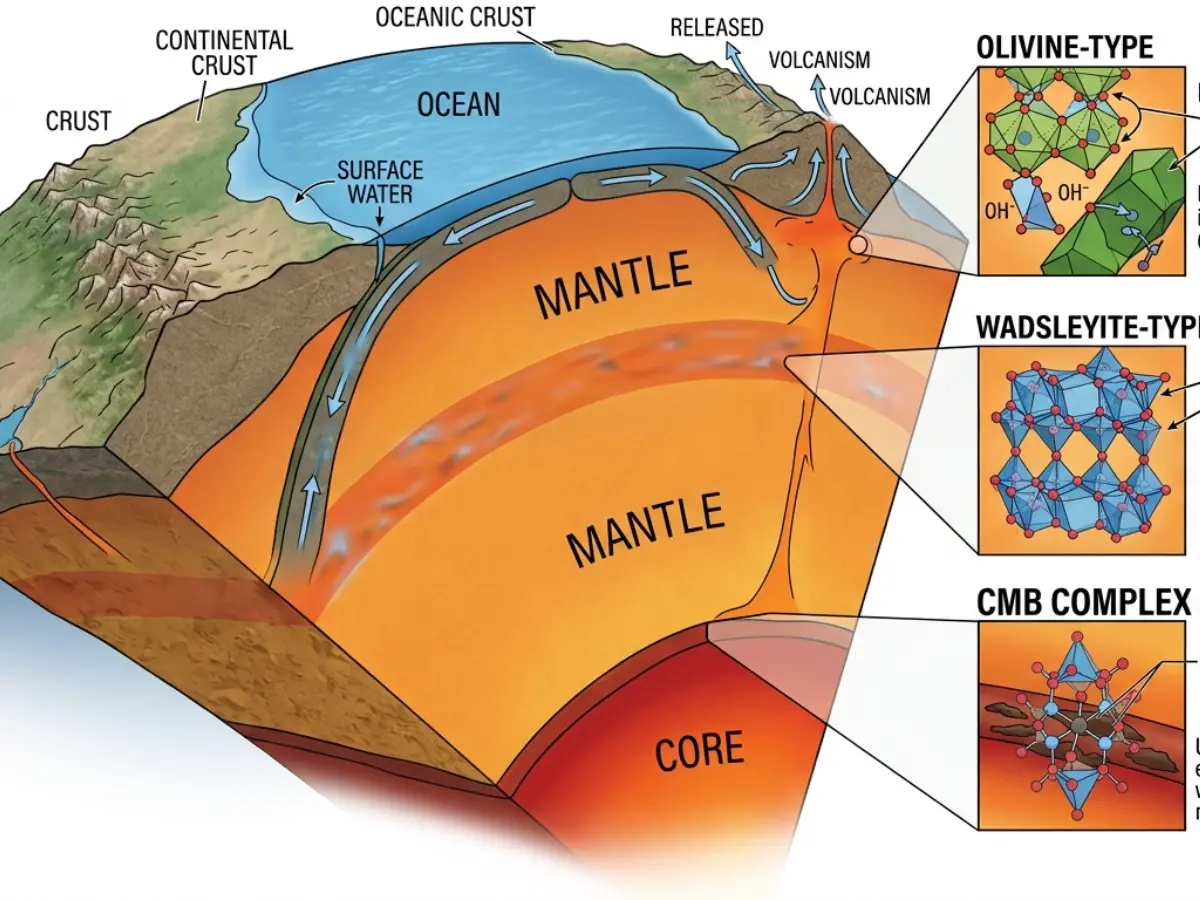)
Water equivalent to two Pacific Oceans could be stashed 2,900 km inside Earth
&im=FitAndFill=(700,400))
New OTT releases this week (September 14-20, 2026): Lust Stories 3, Waiting Hai, Irumudi- 5 new titles coming on Netflix, Prime Video and more
)
Trump's Iran war faces fresh House rebuke; 7 Republicans join Democrats in push to end conflict ahead of midterms
)
US Treasury yields cross 5% as Scott Bessent warns of ‘global issues’ impacting bonds
)
Who is Kalyan Bainsla, accused in the Gurugram hit-and-run case involving woman biker?
)
Saudi Arabia discovers 110 million tonnes of Uranium-rich ore in Madinah region
)
'Now Trump is copying us': Shivakumar links US $5,000 plan to Congress guarantees
)
Elephants hide behind trees, stage surprise attack on poachers targeting rhinos in South Africa
)
Los Angeles helicopter crash: At least three dead, several injured; NTSB to investigate
)
West Bengal IPS officer Bushra Bano transferred after objections to ‘Assalamualaikum’, ‘Inshallah’
)
Spanish officer sent home from NATO base over affair with 'Russian spy' | Gravitas
)
IND vs AFG, 2nd T20I: Reddy, Samson shine as India defeat Afghanistan by 7 wickets to clinch series
)
'Like a thug you are using agency to go after..': Kash Patel grilled by Senate Democrats over FBI firings, journalist investigations and hiring policy
The comments come days after Amodei called for the AI industry to “slow the pace” at which frontier models improve. The Anthropic CEO has proposed independent safety evaluators inside AI companies, common safety standards among leading democracies and wider international cooperation. OpenAI CEO Sam Altman backed Amodei’s call, saying AI companies need to “pace the frontier”, while stressing that pacing does not mean stopping AI development. Elon Musk also supported Amodei’s position. Huang’s position is notably different. Nvidia supplies the advanced chips that power much of the global AI infrastructure, making the pace of AI development especially important to the company’s business.
Why the AI debate is getting sharper
The disagreement follows a series of warnings from AI researchers about rapidly improving model capabilities. Former Anthropic researcher Jacob Coxon recently warned that people building AI believe the technology could potentially cause catastrophic harm. Anthropic researcher Evan Hubinger has also publicly discussed significant risks from future AI systems.
Amodei has argued that safety measures need time to catch up with rapidly advancing capabilities. Huang, meanwhile, believes companies can keep moving quickly while making safety part of the engineering process. That leaves the AI industry facing a fundamental question: should advanced AI be slowed to give safety research more time, or should companies improve safety while continuing to race ahead? For now, the biggest names in AI are giving very different answers.
