In 10 years, jobs will be completely new and different from today’s, says OpenAI CEO Sam Altman

&imwidth=600&imheight=450&format=webp&quality=medium "In 10 years, jobs will be completely new and different from today’s, says OpenAI CEO Sam Altman")
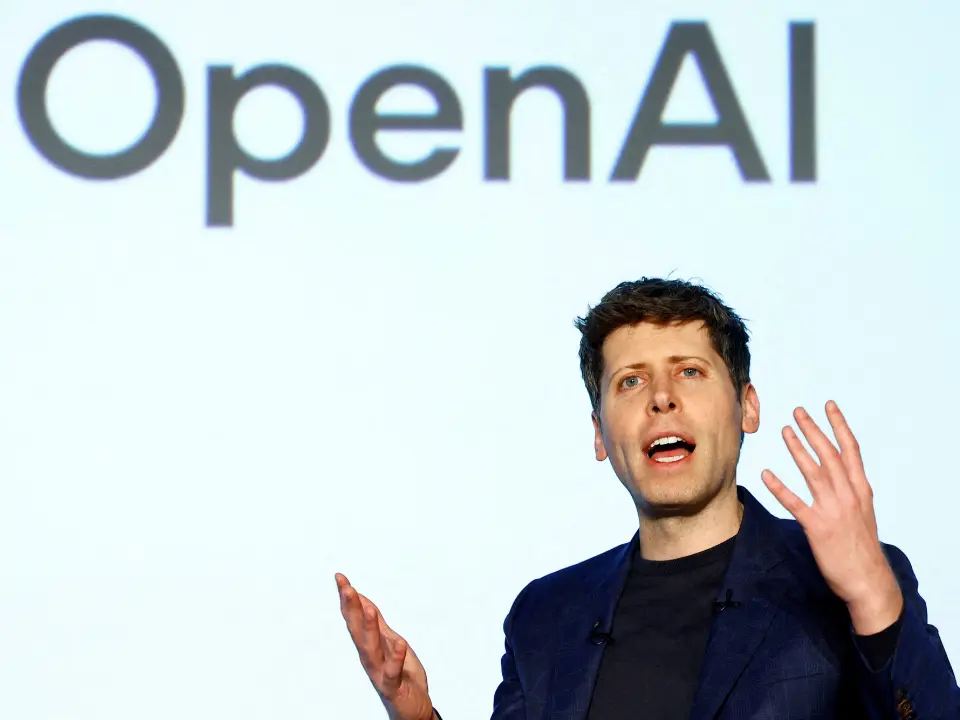
Future jobs will be ‘completely new’, says Sam Altman Photograph: (X)
OpenAI CEO Sam Altman says today’s graduates may work in jobs that do not exist yet as AI reshapes the workforce. He believes future roles will focus on AI tools, creativity and problem-solving, making skills and adaptability more important than job titles.
OpenAI CEO Sam Altman has said that students graduating from colleges today are likely to work in jobs that do not exist yet within the next 10 years, as artificial intelligence continues to reshape industries, skills and the global workforce. He said this. Altman believes the speed of AI development is changing how work is created and performed, making it harder to predict traditional career paths while opening space for new roles built around emerging technologies.
Speaking about the future of work, Altman said technology has always influenced jobs, but the current shift driven by AI is happening faster than earlier industrial changes. He explained that many roles in the coming decade will be built around AI systems, automation tools and advanced digital platforms, creating work that blends technology with problem-solving, creativity and decision-making. According to the report, he suggested that young graduates should not be overly focused on job titles today, as many future careers will only take shape as AI tools become more capable and widely used.
AI is changing how people work
Altman said artificial intelligence is not just about replacing tasks but about changing how people use their time and skills. He also said that AI tools are already helping people work faster, handle routine processes and focus more on higher-level thinking. This shift, he said, will continue as AI becomes more reliable and easier to use across sectors such as education, healthcare, science, engineering and digital services. Rather than eliminating all jobs, AI is expected to reshape roles, especially in knowledge-based fields, where workers will increasingly collaborate with machines.
He added that learning to work with AI tools will become a basic requirement, similar to how computer skills became essential over the past two decades. Graduates who understand how to use these tools effectively are likely to adapt more easily to new types of work, while those who resist change may find it harder to keep pace.
Skills matter more than job titles
Trending Stories
&imwidth=280&imheight=210&format=webp&quality=medium)
&imwidth=280&imheight=210&format=webp&quality=medium)
&imwidth=280&imheight=210&format=webp&quality=medium)
&imwidth=280&imheight=210&format=webp&quality=medium)
&imwidth=280&imheight=210&format=webp&quality=medium)
&imwidth=280&imheight=210&format=webp&quality=medium)
&imwidth=280&imheight=210&format=webp&quality=medium)
&imwidth=280&imheight=210&format=webp&quality=medium)
&imwidth=280&imheight=210&format=webp&quality=medium)
&imwidth=280&imheight=210&format=webp&quality=medium)
&im=FitAndFill=(700,400)&imwidth=280&imheight=210&format=webp&quality=medium)
&im=FitAndFill=(700,400)&imwidth=280&imheight=210&format=webp&quality=medium)
&imwidth=280&imheight=210&format=webp&quality=medium)
&imwidth=280&imheight=210&format=webp&quality=medium)
&im=FitAndFill=(700,400)&imwidth=280&imheight=210&format=webp&quality=medium)
&imwidth=280&imheight=210&format=webp&quality=medium)
&imwidth=280&imheight=210&format=webp&quality=medium)
&imwidth=280&imheight=210&format=webp&quality=medium)
&imwidth=280&imheight=210&format=webp&quality=medium)
&imwidth=280&imheight=210&format=webp&quality=medium)
&imwidth=280&imheight=210&format=webp&quality=medium)
&imwidth=280&imheight=210&format=webp&quality=medium)
&imwidth=280&imheight=210&format=webp&quality=medium)
&imwidth=280&imheight=210&format=webp&quality=medium)
&imwidth=280&imheight=210&format=webp&quality=medium)
&imwidth=280&imheight=210&format=webp&quality=medium)
&imwidth=280&imheight=210&format=webp&quality=medium)
&imwidth=280&imheight=210&format=webp&quality=medium)
&imwidth=280&imheight=210&format=webp&quality=medium)
&imwidth=280&imheight=210&format=webp&quality=medium)
&imwidth=280&imheight=210&format=webp&quality=medium)
&imwidth=280&imheight=210&format=webp&quality=medium)
&imwidth=280&imheight=210&format=webp&quality=medium)
He also said that future workers should focus on building flexible skills instead of following fixed career paths; he highlighted the importance of learning how to learn, staying open to new technologies and being comfortable with constant change. He said these qualities will help people move between roles as industries evolve and new forms of work emerge. Many of the jobs people consider normal today, he pointed out, did not exist a few decades ago, and AI is likely to create a similar shift over the next 10 years.
While Altman admitted it is difficult to clearly define what future jobs will look like, he said history shows that innovation usually creates opportunities over time. According to him, the transition will not happen overnight, giving governments, companies and workers time to adjust. However, he warned that adapting to AI-driven change will be essential, as the nature of work is already moving towards a more technology-driven future.
