Google's AI health tool could give Pixel Watch users health updates without a blood test

&imwidth=600&imheight=450&format=webp&quality=medium "Google's AI health tool could give Pixel Watch users health updates without a blood test")
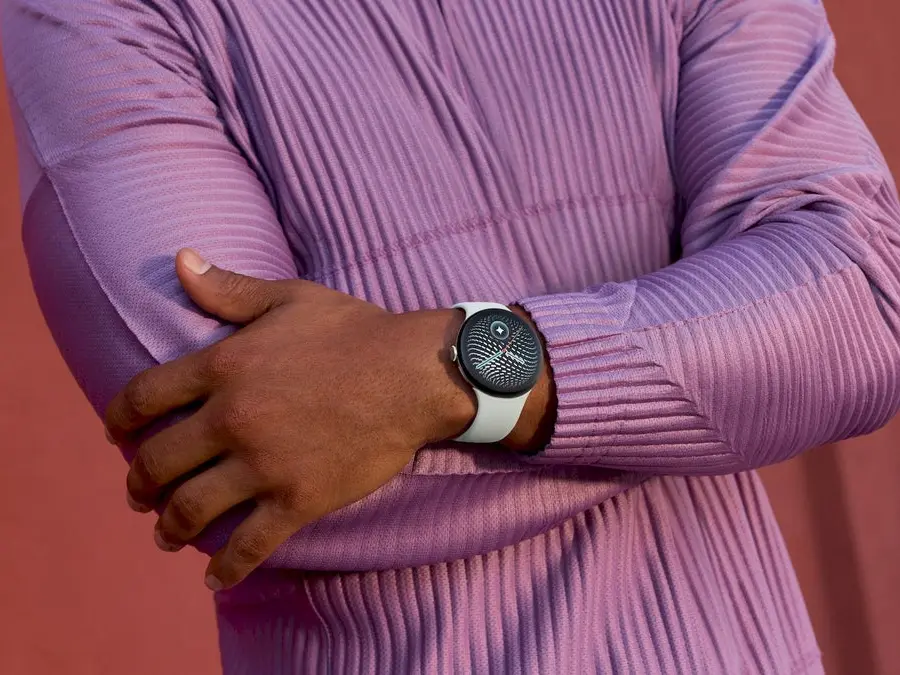
Google's new Health Guardian watches for subtle health changes 24/7
Google's new Health Guardian features will use Pixel Watch and Fitbit data to track subtle changes in insulin resistance, blood pressure and sleep breathing. The tools provide longer-term health insights, but Google says they are for wellness and are not medical diagnostic tools.
Google is taking its health tracking ambitions a step further with Health Guardian, a new set of features designed to spot subtle changes in the body that may not be obvious day to day. The tools are coming to the Google Health app for eligible Pixel Watch and Fitbit devices. Google says they can work quietly in the background around the clock, analysing physiological data and highlighting important changes over time. The idea is different from simply checking today's heart rate or number of steps. Health Guardian is designed to look for longer-term patterns and present them in monthly summaries, with notifications when a feature detects something that may need attention.
What can Google Health Guardian track?
Google is introducing four Health Guardian features. Insulin resistance trends analyse multi-week physiological data to track changes in metabolic health without requiring a blood sample, according to Google. Blood pressure trends use pulse and movement patterns collected over time to estimate changes without requiring a traditional blood-pressure cuff. There is also sleep breathing quality, which looks at breathing patterns during sleep and shows how much of the night was spent with optimal breathing. The fourth feature is breathing emergency detection. It is designed to detect a critical drop in blood oxygen and, if the person becomes unresponsive, can automatically contact emergency services and emergency contacts. Google says this feature is limited to Pixel Watch and select European countries.
AI is doing the heavy lifting
Google says its health models were trained using sensor data from millions of opted-in users. Its insulin-resistance model was trained on more than one trillion minutes of data from 5 million opted-in users, while its blood-pressure model was trained using billions of minutes of heart and movement data. Google says the features have also undergone clinical validation using established measurement methods. The company says research supporting the insulin-resistance technology has been published in Nature.
But Google says this is not a medical diagnosis
Trending Stories
&imwidth=280&imheight=210&format=webp&quality=medium)
&imwidth=280&imheight=210&format=webp&quality=medium)
&imwidth=280&imheight=210&format=webp&quality=medium)
&imwidth=280&imheight=210&format=webp&quality=medium)
&imwidth=280&imheight=210&format=webp&quality=medium)
&imwidth=280&imheight=210&format=webp&quality=medium)
&imwidth=280&imheight=210&format=webp&quality=medium)
&imwidth=280&imheight=210&format=webp&quality=medium)
&imwidth=280&imheight=210&format=webp&quality=medium)
&imwidth=280&imheight=210&format=webp&quality=medium)
&im=FitAndFill=(700,400)&imwidth=280&imheight=210&format=webp&quality=medium)
&im=FitAndFill=(700,400)&imwidth=280&imheight=210&format=webp&quality=medium)
&imwidth=280&imheight=210&format=webp&quality=medium)
&imwidth=280&imheight=210&format=webp&quality=medium)
&im=FitAndFill=(700,400)&imwidth=280&imheight=210&format=webp&quality=medium)
&imwidth=280&imheight=210&format=webp&quality=medium)
&imwidth=280&imheight=210&format=webp&quality=medium)
&imwidth=280&imheight=210&format=webp&quality=medium)
&imwidth=280&imheight=210&format=webp&quality=medium)
&imwidth=280&imheight=210&format=webp&quality=medium)
&imwidth=280&imheight=210&format=webp&quality=medium)
&imwidth=280&imheight=210&format=webp&quality=medium)
&imwidth=280&imheight=210&format=webp&quality=medium)
&imwidth=280&imheight=210&format=webp&quality=medium)
&imwidth=280&imheight=210&format=webp&quality=medium)
&imwidth=280&imheight=210&format=webp&quality=medium)
&imwidth=280&imheight=210&format=webp&quality=medium)
&imwidth=280&imheight=210&format=webp&quality=medium)
&imwidth=280&imheight=210&format=webp&quality=medium)
&imwidth=280&imheight=210&format=webp&quality=medium)
&imwidth=280&imheight=210&format=webp&quality=medium)
&imwidth=280&imheight=210&format=webp&quality=medium)
&imwidth=280&imheight=210&format=webp&quality=medium)
There is an important limitation. Google says Health Guardian features are intended for general wellness and information, not for diagnosing or treating medical conditions. The company specifically says insulin-resistance and blood-pressure trends should not be treated as real-time clinical readings or used to change medication or treatment plans. Users should consult healthcare professionals about medical concerns. The features are coming soon, with availability depending on the device and region. Google Health Coach can also help users understand the information, although it requires a Google Health Premium subscription or an eligible Google AI Pro or Ultra plan.
