Future of manufacturing is here: Chinese EV maker sets up factory where robots are building robots

&imwidth=600&imheight=450&format=webp&quality=medium "Future of manufacturing is here: Chinese EV maker sets up factory where robots are building robots")
Future of manufacturing is here: Chinese EV maker sets up factory where robots are building robots
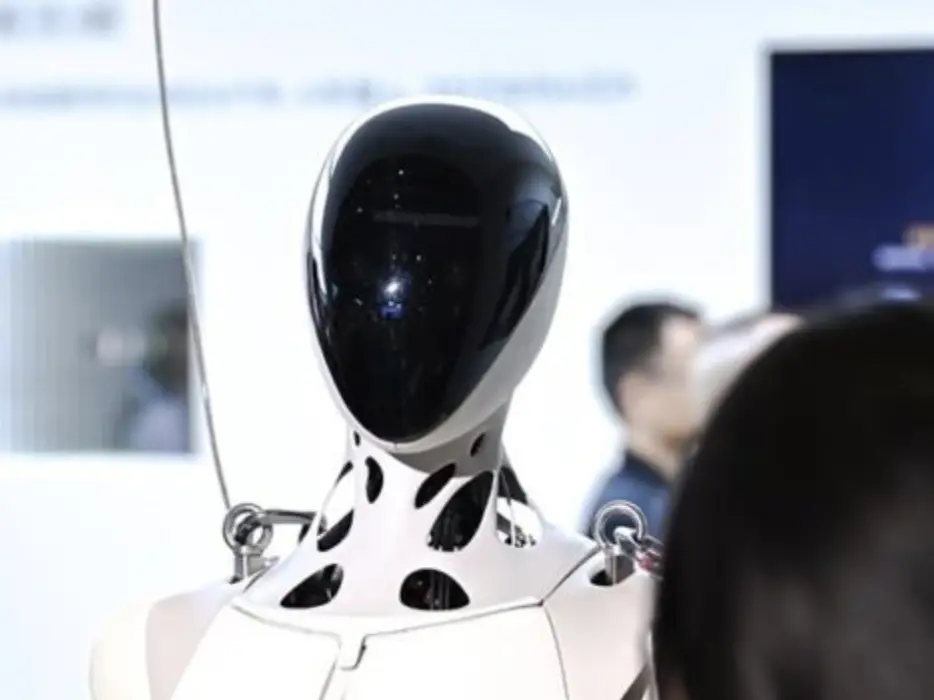
Chinese EV maker XPeng says it has launched an automated production line where humanoid robots help build other humanoid robots. Its first IRON robot reportedly completed assembly and walked off the line autonomously, though production capacity remains undisclosed.
Robots building robots is no longer just a science-fiction idea. Chinese electric vehicle maker XPeng says it has commissioned an automated production line where humanoid robots can help manufacture other humanoid robots.
XPeng CEO He Xiaopeng announced the development on X, calling it the world’s first automated production line for advanced general-purpose humanoid robots. The company says the system is designed to reduce manual involvement and help take humanoid production towards larger-scale manufacturing. The first robot produced on the line has also been given a name: IRON.
XPeng’s IRON robot walks off the line
According to He, IRON completed its assembly and then walked away from the production line on its own. The moment is significant because XPeng is not simply showing a robot performing one task inside a factory. The company says its manufacturing system can produce a complete advanced general-purpose humanoid.
He shared images of the facility and IRON, saying the production line had been developed from scratch. However, XPeng has not disclosed how many robots the factory can currently produce, or provided detailed information about its production capacity.
Why robots building robots matters
The bigger challenge for the humanoid robotics industry may not simply be making robots walk, talk or perform tasks.
It is making them cheaply and quickly enough to produce in large numbers.
Trending Stories
&imwidth=280&imheight=210&format=webp&quality=medium)
&imwidth=280&imheight=210&format=webp&quality=medium)
&imwidth=280&imheight=210&format=webp&quality=medium)
&imwidth=280&imheight=210&format=webp&quality=medium)
&imwidth=280&imheight=210&format=webp&quality=medium)
&imwidth=280&imheight=210&format=webp&quality=medium)
&imwidth=280&imheight=210&format=webp&quality=medium)
&imwidth=280&imheight=210&format=webp&quality=medium)
&imwidth=280&imheight=210&format=webp&quality=medium)
&imwidth=280&imheight=210&format=webp&quality=medium)
&imwidth=280&imheight=210&format=webp&quality=medium)
&imwidth=280&imheight=210&format=webp&quality=medium)
&imwidth=280&imheight=210&format=webp&quality=medium)
&imwidth=280&imheight=210&format=webp&quality=medium)
&imwidth=280&imheight=210&format=webp&quality=medium)
&imwidth=280&imheight=210&format=webp&quality=medium)
&imwidth=280&imheight=210&format=webp&quality=medium)
&imwidth=280&imheight=210&format=webp&quality=medium)
&imwidth=280&imheight=210&format=webp&quality=medium)
&imwidth=280&imheight=210&format=webp&quality=medium)
&imwidth=280&imheight=210&format=webp&quality=medium)
&imwidth=280&imheight=210&format=webp&quality=medium)
&imwidth=280&imheight=210&format=webp&quality=medium)
&imwidth=280&imheight=210&format=webp&quality=medium)
&imwidth=280&imheight=210&format=webp&quality=medium)
&imwidth=280&imheight=210&format=webp&quality=medium)
&im=FitAndFill=(700,400)&imwidth=280&imheight=210&format=webp&quality=medium)
&im=FitAndFill=(700,400)&imwidth=280&imheight=210&format=webp&quality=medium)
&imwidth=280&imheight=210&format=webp&quality=medium)
&imwidth=280&imheight=210&format=webp&quality=medium)
&imwidth=280&imheight=210&format=webp&quality=medium)
&imwidth=280&imheight=210&format=webp&quality=medium)
&imwidth=280&imheight=210&format=webp&quality=medium)
&imwidth=280&imheight=210&format=webp&quality=medium)
Humanoid robots contain complex mechanical, electrical and computing systems. If companies can automate more of the manufacturing process, production could eventually become faster and more consistent while reducing the need for manual assembly. That could be crucial if humanoids are ever expected to move beyond expensive prototypes and enter factories, warehouses, homes and other workplaces at scale.
XPeng wants IRON to do more than factory work
He said he hopes future versions of IRON will develop stronger general-purpose abilities.
The longer-term goal is for humanoids to handle dangerous, repetitive or undesirable jobs that people may not want to perform. He also suggested a much more ambitious future, saying robots could one day become companions, friends or even part of a family.
For now, that remains a vision rather than a demonstrated capability.
XPeng has yet to reveal IRON’s full capabilities, commercial availability or the actual scale of the new production line. But the development highlights a major shift in the robotics race: companies are no longer only trying to build smarter humanoids. They are also trying to build the factories that can build them.
