Elon Musk says SpaceX agreed only six-month AI compute lease with Anthropic

&imwidth=600&imheight=450&format=webp&quality=medium "Elon Musk says SpaceX agreed only six-month AI compute lease with Anthropic")
SpaceX may reclaim Colossus AI capacity if compute demand rises, says Musk
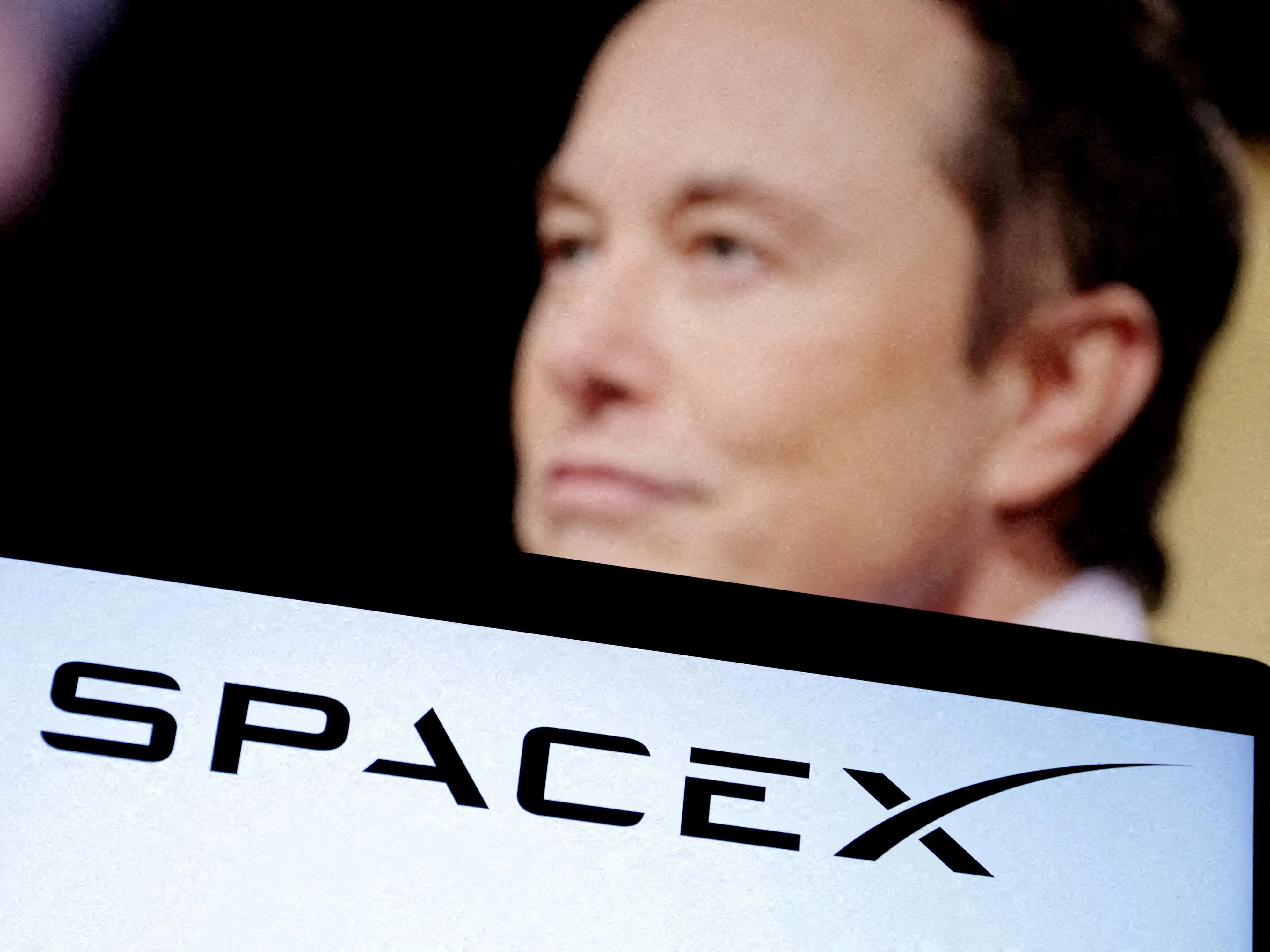
Elon Musk has clarified that the company's agreement to lease its Colossus AI computing infrastructure to Anthropic was initially designed as a short-term arrangement rather than a multi-year commitment.
SpaceX CEO Elon Musk has clarified that the company's agreement to lease its Colossus AI computing infrastructure to Anthropic was initially designed as a short-term arrangement rather than a multi-year commitment.
The comments came days after SpaceX's IPO filing revealed details of its growing AI infrastructure business. While the filing indicated that both companies could terminate the agreement with a 90-day notice, Musk said the original lease was intended to last only 180 days, with the possibility of extension depending on future demand.
Why the Colossus deal matters
The agreement has attracted attention because computing power has become one of the most valuable resources in the artificial intelligence industry. Companies developing advanced AI models require enormous amounts of computing capacity to train and operate their systems. Anthropic, one of the leading AI firms behind the Claude family of models, has increasingly expanded its infrastructure needs as competition with OpenAI, Google and Meta intensifies.
According to Musk, the short-term structure was requested by SpaceX rather than Anthropic. He said the company wanted to maintain flexibility in case demand for computing power increased significantly in the future.
"We won't leave them hanging and will provide a reasonable off-ramp, but if compute gets super tight I said we might need it back at some point," Musk wrote on X.
Trending Stories
&imwidth=280&imheight=210&format=webp&quality=medium)
&imwidth=280&imheight=210&format=webp&quality=medium)
&imwidth=280&imheight=210&format=webp&quality=medium)
&imwidth=280&imheight=210&format=webp&quality=medium)
&imwidth=280&imheight=210&format=webp&quality=medium)
&imwidth=280&imheight=210&format=webp&quality=medium)
&imwidth=280&imheight=210&format=webp&quality=medium)
&imwidth=280&imheight=210&format=webp&quality=medium)

&imwidth=280&imheight=210&format=webp&quality=medium)
&imwidth=280&imheight=210&format=webp&quality=medium)
&imwidth=280&imheight=210&format=webp&quality=medium)
&imwidth=280&imheight=210&format=webp&quality=medium)
&imwidth=280&imheight=210&format=webp&quality=medium)
&imwidth=280&imheight=210&format=webp&quality=medium)
&imwidth=280&imheight=210&format=webp&quality=medium)
&imwidth=280&imheight=210&format=webp&quality=medium)
&imwidth=280&imheight=210&format=webp&quality=medium)
&im=FitAndFill=(700,400)&imwidth=280&imheight=210&format=webp&quality=medium)
&imwidth=280&imheight=210&format=webp&quality=medium)
&imwidth=280&imheight=210&format=webp&quality=medium)
&imwidth=280&imheight=210&format=webp&quality=medium)
&imwidth=280&imheight=210&format=webp&quality=medium)
&imwidth=280&imheight=210&format=webp&quality=medium)
&imwidth=280&imheight=210&format=webp&quality=medium)
&im=FitAndFill=(700,400)&imwidth=280&imheight=210&format=webp&quality=medium)
&imwidth=280&imheight=210&format=webp&quality=medium)
&im=FitAndFill=(700,400)&imwidth=280&imheight=210&format=webp&quality=medium)
&imwidth=280&imheight=210&format=webp&quality=medium)
&im=FitAndFill=(700,400)&imwidth=280&imheight=210&format=webp&quality=medium)

&im=FitAndFill=(700,400)&imwidth=280&imheight=210&format=webp&quality=medium)
&imwidth=280&imheight=210&format=webp&quality=medium)
&imwidth=280&imheight=210&format=webp&quality=medium)
&imwidth=280&imheight=210&format=webp&quality=medium)
Growing demand for AI computing power
The comments highlight a broader trend across the technology industry. As AI models become larger and more capable, companies are investing billions of dollars in data centres, advanced chips and computing infrastructure. Industry executives increasingly describe compute as the most important resource in AI development. Anthropic executives have previously stated that access to computing infrastructure is critical to the company's growth and model development plans.
This growing demand has created a new business opportunity for firms that own large-scale infrastructure. Instead of using all their computing capacity internally, some companies are beginning to lease excess resources to other AI developers.
SpaceX exploring AI infrastructure business
Musk recently indicated that SpaceX is discussing the possibility of offering AI compute services to additional customers. The approach could help the company generate revenue from infrastructure investments while demand for AI computing continues to rise worldwide.
However, Musk's latest comments suggest SpaceX does not want to lock itself into long-term commitments if its own AI requirements increase. The company appears to be balancing two objectives: supporting external customers while preserving enough capacity for future internal projects.
AI division remains in investment phase
According to SpaceX's IPO filing, the company's AI segment generated revenue of approximately $818 million during the March quarter. However, the division also recorded an operating loss of around $2.5 billion during the same period. The figures underline the significant costs associated with building and operating large AI infrastructure systems. Data centres, specialised AI chips and energy requirements have become major expenses for companies competing in the AI race. Analysts note that many firms are currently prioritising expansion and market share over short-term profitability as they race to secure leadership positions in artificial intelligence.
For now, Anthropic continues to have access to the Colossus infrastructure under the existing agreement. However, Musk's comments indicate that the future of the partnership could depend on broader market conditions and SpaceX's own computing requirements. The development also highlights a growing shift in the AI industry, where computing power is becoming a strategic asset comparable to oil, electricity or telecommunications infrastructure. As demand for AI services continues to rise, access to large-scale compute capacity may become one of the biggest competitive advantages in the technology sector
