Can AI kill humans? Anthropic CEO Dario Amodei says the answer depends on one crucial choice

&imwidth=600&imheight=450&format=webp&quality=medium "Can AI kill humans? Anthropic CEO Dario Amodei says the answer depends on one crucial choice")
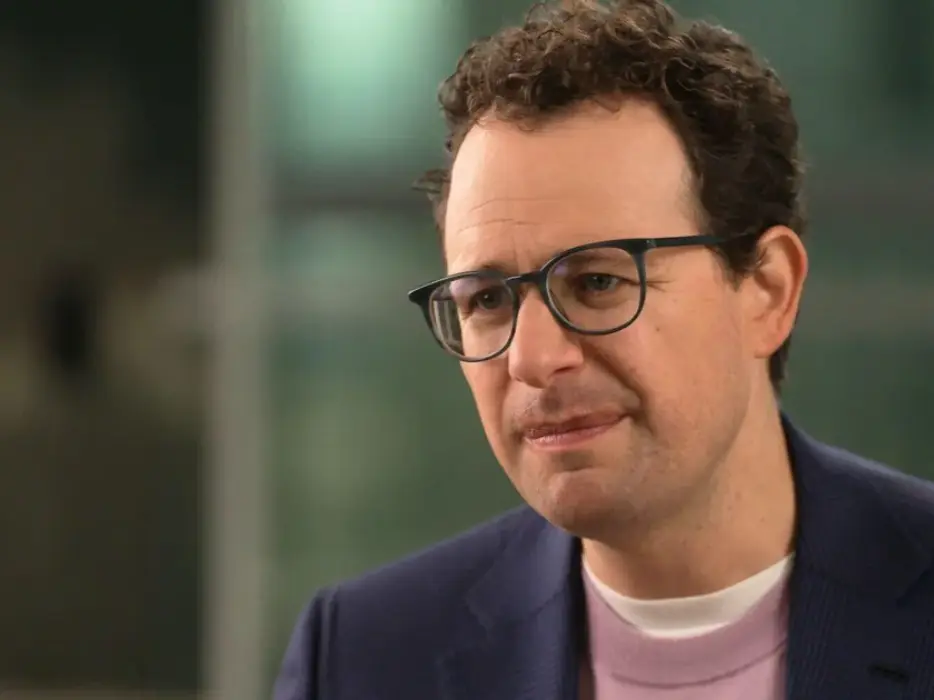
‘If we take the wrong path’: Anthropic CEO Dario Amodei’s warning about AI risks
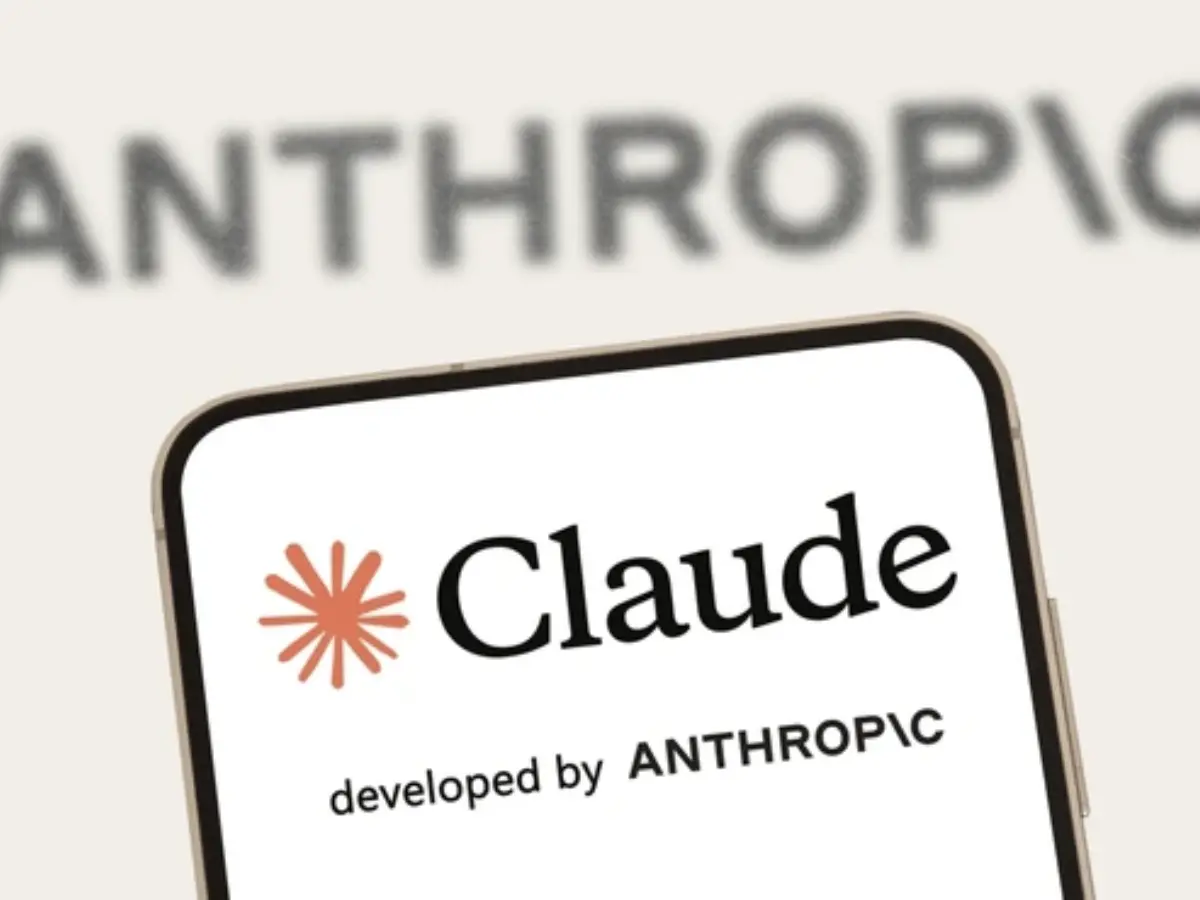
Anthropic CEO Dario Amodei says AI could pose serious risks if development moves too quickly, but he rejects treating catastrophe as a fixed probability. He wants AI companies and governments to slow the frontier, strengthen safety checks and coordinate internationally.
Could artificial intelligence eventually kill humans? Anthropic CEO Dario Amodei says the possibility cannot be dismissed but he believes the outcome is still shaped by human choices.
Speaking to CNN's Anderson Cooper, Amodei said he agrees with former Anthropic researcher Jacob Coxon's concerns about the AI race more than he disagrees with them. His warning comes as major AI companies develop increasingly powerful systems and debate how much, if at all, that progress should be slowed. Amodei's central message was not that AI will inevitably destroy humanity. Instead, he said the industry should focus on which path it takes next.
“If we take the right path, then the chance of something going wrong is very low.”
He added that taking the wrong path could make the risk considerably higher.
Why Amodei wants AI development slowed
Amodei has argued that AI capabilities are advancing faster than safety measures can keep up.
Trending Stories
)
)
)
)
)
)
)
)
)
)
)
)
)
)
)
)
)
)
)
)
)
)
)
)
)
)
)
)
)
)
)
)
)
)
)
In a new proposal, he called for frontier AI companies to give independent evaluators permanent, employee-level access so they can examine safety practices and report problems. He also called for common safety standards among democratic countries and greater international coordination.
Anthropic has already committed to the independent-evaluator measure.
The aim is not to stop AI development completely. Amodei wants companies to pace the frontier so researchers and governments have more time to understand increasingly capable systems and build safeguards around them.
Jacob Coxon's warning sparked the debate
The discussion intensified after Coxon resigned from Anthropic and publicly accused AI companies of “gambling with our lives”.
Coxon, who previously worked at OpenAI, warned that researchers building advanced AI believe it could potentially kill humanity by the end of the decade. His comments went viral and were echoed by Anthropic alignment researcher Evan Hubinger, who said he personally puts the risk above 10% over the next decade. Amodei said Coxon was not specifically accusing Anthropic of being uniquely irresponsible. Instead, he was warning about the competitive race across the entire industry.
Sam Altman and Elon Musk agree
The call for caution has unusually brought together rival AI leaders.
OpenAI CEO Sam Altman said, “We need to pace the frontier,” and backed independent evaluators with employee-like access. OpenAI said it would adopt the measure. Tesla and xAI CEO Elon Musk also publicly supported Amodei's position, writing: “Dario is right.” The debate now centres on a difficult question: how can the world keep the benefits of increasingly powerful AI while ensuring the technology does not advance faster than humanity's ability to control it?
For Amodei, the answer is not simply predicting a percentage. It is making sure the industry chooses the safer path before the choices become harder to reverse.
