Amazon founder Jeff Bezos says bottom half of earners should not pay income tax

&imwidth=600&imheight=450&format=webp&quality=medium "Amazon founder Jeff Bezos says bottom half of earners should not pay income tax")
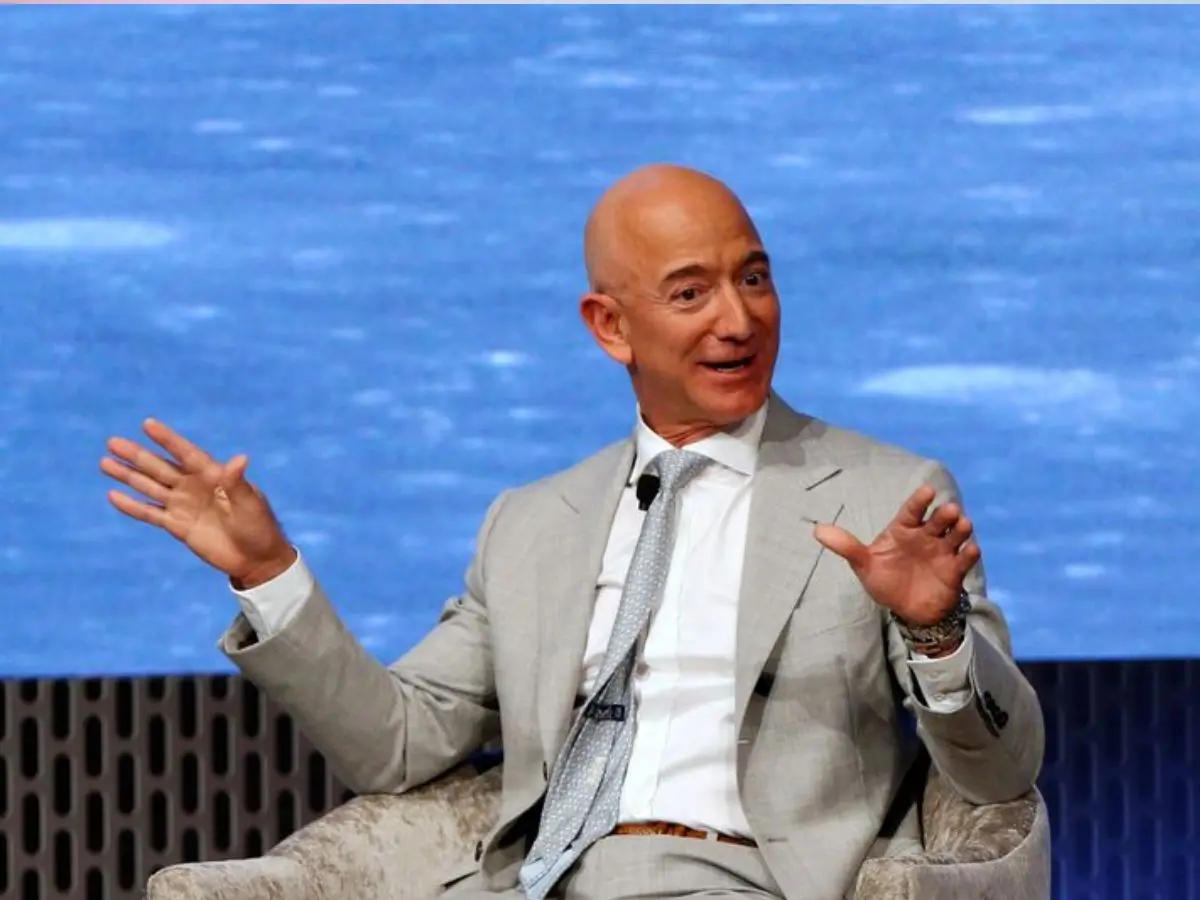
Amazon founder Jeff Bezos says bottom half of earners should not pay income tax Photograph: (Reuters)
Jeff Bezos has said that the bottom half of income earners in the United States should not pay any federal income tax, arguing that the current system places an unnecessary burden on lower-income workers.
Jeff Bezos has said that the bottom half of income earners in the United States should not pay any federal income tax, arguing that the current system places an unnecessary burden on lower-income workers. Speaking in a recent interview, Bezos said that the bottom 50 per cent of taxpayers contribute only about 3 per cent of total income tax revenue, and therefore removing their tax burden would have limited impact on government finances.
What Bezos said about the tax system
Bezos argued that the current system is not balanced for lower-income workers. He pointed out that many people earning modest salaries still pay a significant portion of their income in taxes.
Using examples such as a nurse earning around $75,000 a year or a worker earning $50,000, he questioned why such individuals are taxed at all. According to him, removing taxes on this group could directly improve their financial stability.
He also noted that higher-income groups contribute a much larger share of total tax revenue, suggesting that changes at the lower end would not significantly affect government funding.
What the data shows
Trending Stories
&imwidth=280&imheight=210&format=webp&quality=medium)
&im=FitAndFill=(700,400)&imwidth=280&imheight=210&format=webp&quality=medium)
&imwidth=280&imheight=210&format=webp&quality=medium)
&imwidth=280&imheight=210&format=webp&quality=medium)
&imwidth=280&imheight=210&format=webp&quality=medium)
&imwidth=280&imheight=210&format=webp&quality=medium)
&imwidth=280&imheight=210&format=webp&quality=medium)
&imwidth=280&imheight=210&format=webp&quality=medium)
&imwidth=280&imheight=210&format=webp&quality=medium)
&imwidth=280&imheight=210&format=webp&quality=medium)
&imwidth=280&imheight=210&format=webp&quality=medium)
&imwidth=280&imheight=210&format=webp&quality=medium)
&imwidth=280&imheight=210&format=webp&quality=medium)
&imwidth=280&imheight=210&format=webp&quality=medium)
&imwidth=280&imheight=210&format=webp&quality=medium)
&imwidth=280&imheight=210&format=webp&quality=medium)
&im=FitAndFill=(700,400)&imwidth=280&imheight=210&format=webp&quality=medium)
&imwidth=280&imheight=210&format=webp&quality=medium)
&imwidth=280&imheight=210&format=webp&quality=medium)
&imwidth=280&imheight=210&format=webp&quality=medium)
&imwidth=280&imheight=210&format=webp&quality=medium)
&imwidth=280&imheight=210&format=webp&quality=medium)
&imwidth=280&imheight=210&format=webp&quality=medium)
&imwidth=280&imheight=210&format=webp&quality=medium)
&im=FitAndFill=(700,400)&imwidth=280&imheight=210&format=webp&quality=medium)
&imwidth=280&imheight=210&format=webp&quality=medium)
&imwidth=280&imheight=210&format=webp&quality=medium)
&imwidth=280&imheight=210&format=webp&quality=medium)
&imwidth=280&imheight=210&format=webp&quality=medium)
&imwidth=280&imheight=210&format=webp&quality=medium)
&imwidth=280&imheight=210&format=webp&quality=medium)
According to analysis of US tax data:
The average income tax rate was around 14.1 per cent in 2023
The top 1 per cent paid an average rate of 26.3 per cent
The bottom 50 per cent paid about 3.7 per cent on average
These figures show a progressive tax system, where higher earners pay a larger share. However, Bezos argues that even the smaller tax burden on lower-income groups should be removed.
Income gap and wage concerns
The discussion comes alongside concerns about income levels and wage differences.
Research cited in reports shows that delivery drivers at Amazon earn an average of around $19 per hour, compared to about $35 per hour for unionised drivers at UPS.
Studies also suggest:
Around 26 per cent of Amazon drivers face food insecurity
About 33 per cent struggle to pay utility bills
These figures highlight financial pressures faced by some workers, which forms part of the wider debate around taxation and income inequality.
Debate around tax reforms
Bezos’ comments come at a time when tax policies are being widely debated in the United States. Some policymakers have proposed tax relief for lower-income groups. For example, proposals such as making the first $75,000 of income tax-free have been discussed.
At the same time, there have also been calls for higher taxes on wealthy individuals, including proposals for a “billionaire tax” in states like California.
Bezos’ wealth and broader context
Bezos is currently among the richest individuals globally, with an estimated net worth of over $267 billion, according to reports.
His views on taxation are therefore part of a broader discussion on how wealth, income and tax responsibilities should be balanced in modern economies.
What this means for policy debate
The proposal to eliminate income tax for the bottom half of earners adds to ongoing discussions about fairness in taxation. Supporters argue it could increase disposable income for millions of households, while critics may raise concerns about government revenue and long-term fiscal impact. As debates continue, the focus is likely to remain on how to balance economic growth, income distribution and public spending in a changing financial landscape.
