‘AGI has arrived’: Nvidia CEO says Astra is AGI! Layoff apocalypse now closer than you think

&imwidth=600&imheight=450&format=webp&quality=medium "‘AGI has arrived’: Nvidia CEO says Astra is AGI! Layoff apocalypse now closer than you think")
‘AGI has arrived’: Nvidia boss points to GPT-6 Astra as 400,000 GPUs come online
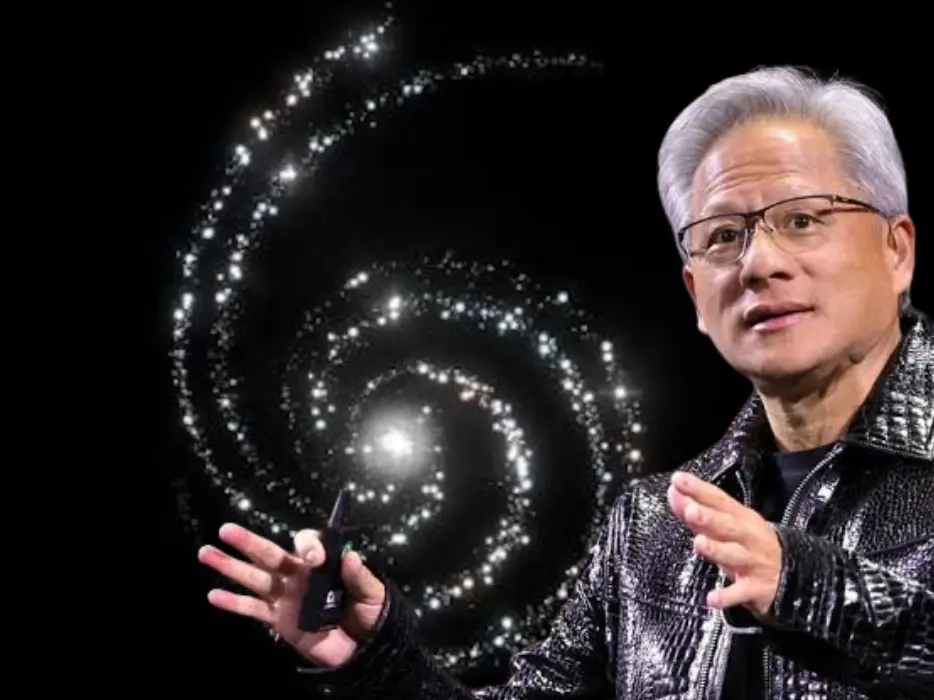
Nvidia CEO Jensen Huang has declared that “AGI has arrived” following OpenAI’s GPT-6 Astra launch. He points to a training run using more than 100,000 Nvidia systems and says another 400,000 GPUs are coming online, intensifying debate over AI, jobs and the future of work.
“AGI has arrived.” That is the striking verdict from Nvidia CEO Jensen Huang following OpenAI’s launch of GPT-6 Astra.
Huang said Astra marks the arrival of artificial general intelligence (AGI), the long-discussed idea of AI capable of handling a broad range of intellectual tasks rather than being limited to one specific job. His claim is significant, but it is not an industry-wide certification. There is no universally accepted test that officially declares an AI model to be AGI. The statement has also revived a bigger question: if AI can increasingly perform work that once required humans, how much will the workplace change?
Why Jensen Huang says AGI has arrived
Huang pointed to the extraordinary computing power behind Astra. According to his post, the model was developed using more than 100,000 Nvidia Grace Blackwell NVLink72 systems over roughly four years of rapid AI development. He also said 400,000 more Nvidia GPUs are coming online. OpenAI has highlighted Astra’s performance across demanding tests. The company says the model reached 98% on FrontierMath Tier 4, 99.9% on ARC-AGI-3 and 100% on ExploitBench. Those results show major progress, but benchmark scores alone do not prove that a model has achieved human-level intelligence across the real world.
Is this the beginning of an AI job crisis?
That is where the AGI debate becomes much more important for ordinary workers. A genuinely general AI system could potentially handle a wider range of tasks across coding, research, analysis, administration and other knowledge work.
Trending Stories
&imwidth=280&imheight=210&format=webp&quality=medium)
&imwidth=280&imheight=210&format=webp&quality=medium)
&imwidth=280&imheight=210&format=webp&quality=medium)
&imwidth=280&imheight=210&format=webp&quality=medium)
&imwidth=280&imheight=210&format=webp&quality=medium)
&imwidth=280&imheight=210&format=webp&quality=medium)
&imwidth=280&imheight=210&format=webp&quality=medium)
&imwidth=280&imheight=210&format=webp&quality=medium)
&imwidth=280&imheight=210&format=webp&quality=medium)
&imwidth=280&imheight=210&format=webp&quality=medium)
&imwidth=280&imheight=210&format=webp&quality=medium)
&imwidth=280&imheight=210&format=webp&quality=medium)
&imwidth=280&imheight=210&format=webp&quality=medium)
&imwidth=280&imheight=210&format=webp&quality=medium)
&imwidth=280&imheight=210&format=webp&quality=medium)
&imwidth=280&imheight=210&format=webp&quality=medium)
&imwidth=280&imheight=210&format=webp&quality=medium)
&imwidth=280&imheight=210&format=webp&quality=medium)
&imwidth=280&imheight=210&format=webp&quality=medium)
&imwidth=280&imheight=210&format=webp&quality=medium)
&imwidth=280&imheight=210&format=webp&quality=medium)
&imwidth=280&imheight=210&format=webp&quality=medium)
&imwidth=280&imheight=210&format=webp&quality=medium)
&imwidth=280&imheight=210&format=webp&quality=medium)
&imwidth=280&imheight=210&format=webp&quality=medium)
&imwidth=280&imheight=210&format=webp&quality=medium)
&im=FitAndFill=(700,400)&imwidth=280&imheight=210&format=webp&quality=medium)
&im=FitAndFill=(700,400)&imwidth=280&imheight=210&format=webp&quality=medium)
&imwidth=280&imheight=210&format=webp&quality=medium)
&imwidth=280&imheight=210&format=webp&quality=medium)
&imwidth=280&imheight=210&format=webp&quality=medium)
&imwidth=280&imheight=210&format=webp&quality=medium)
&imwidth=280&imheight=210&format=webp&quality=medium)
&imwidth=280&imheight=210&format=webp&quality=medium)
But AGI does not automatically mean mass unemployment. The immediate impact will depend on how reliably companies can use systems such as Astra, how much they cost, and whether businesses use AI to replace workers, increase productivity or create new roles.
Why 400,000 GPUs matter
The enormous computing buildout is another signal that the AI race is nowhere near finished. Moving from a training run involving more than 100,000 GPUs towards hundreds of thousands more means huge demands for data centres, electricity, networking and investment.
For Nvidia, that could mean continued demand for its AI infrastructure. But it also raises the stakes. Companies will need to prove that increasingly expensive AI systems deliver enough real-world value to justify the spending. Huang may believe AGI has already arrived. The more important test for everyone else will be what happens next in laboratories, businesses and, ultimately, the workplace.
