Retired official Marais Erasmus admits umpires made ‘two crucial errors’ in 2019 World Cup final


Erasmus admits umpires made ‘two crucial errors’ in 2019 World Cup final
Retired ICC official Marais Erasmus has admitted that both on-field umpires on the day of the 2019 World Cup final at the Lord’s, including him and Kumar Dharmasena, made two crucial errors, leading to England winning the World Cup against New Zealand for the first time in history. Following the first-of-a-kind finish to a 100-over WC final, the match went into the Super Over, where England emerged victorious on boundary count since the scores were tied during that too.
However, what led to that was the talking point. In the final over, England needed 15 off six balls, with Ben Stokes and Adil Rashid batting. On the third ball, Martin Guptill’s throw from the deep mid-wicket hit Stokes’ bat and went for a four. What happened then - since both had completed a double and the ball went for a four, the umpires awarded six runs. Instead, they should have awarded five runs because, at the time of the throw, the batters hadn’t crossed each other.
What led to that was, had the officials awarded five runs instead of six, England would have needed four from two balls, and not three, and who knows what that could have led to.

Meanwhile, with bygones be bygones, England made a match out of that situation, with Stokes standing between New Zealand and their maiden World Cup title. He stood tall till the end to ensure the hosts were walking away with the win.
“The next morning I opened my hotel room door on my way to breakfast and Kumar opened his door at the same time and he said, ‘Did you see we made a massive error?’,” Erasmus told the Daily Telegraph.
&imwidth=180&imheight=135&format=webp&quality=medium)
Blasts heard in Sanaa as Saudi-led coalition warns civilians to evacuate; Houthis vow retaliation
&imwidth=180&imheight=135&format=webp&quality=medium)
Saudi Arabia strikes Yemen oil sites as Houthi missiles target Riyadh; 'limited fire' breaks out at Aramco
&im=FitAndFill=(700,400)&imwidth=180&imheight=135&format=webp&quality=medium)
Navratri 2026: 9 days, 9 forms of Goddess Durga and 9 colours- Check the complete list
&imwidth=180&imheight=135&format=webp&quality=medium)
Trump accuses Houthis of driving up oil prices before US midterms, warns of consequences
&imwidth=180&imheight=135&format=webp&quality=medium)
‘Don’t blame SIR, Congress will lose 2029 too’: Amit Shah tells Rahul Gandhi after Gujarat local poll results
&imwidth=180&imheight=135&format=webp&quality=medium)
New Delhi rejects Beijing’s claims and remarks on Ladakh location naming exercise
&imwidth=180&imheight=135&format=webp&quality=medium)
CMs Vijay-Naidu meet in Vijayawada, discuss water sharing, river-linking
&imwidth=180&imheight=135&format=webp&quality=medium)
US Midterms 2026: In Alaska, cost-of-living anxiety meets strangest ballot in high-stakes Senate race
&imwidth=180&imheight=135&format=webp&quality=medium)
OpenAI employee arrested by FBI after allegedly hiding recording device in office
&imwidth=180&imheight=135&format=webp&quality=medium)
Man dies at Six Flags Georgia: Past accidents at Six Flags amusement parks across US
&imwidth=180&imheight=135&format=webp&quality=medium)
1,500 drones illuminate Mumbai sky as Cordelia Cruises unveils second ship, Cordelia Sky
&imwidth=180&imheight=135&format=webp&quality=medium)
Pope Leo XIV diagnosed with lung cancer after surgery, Vatican says 'successful surgery and recovering'
&imwidth=180&imheight=135&format=webp&quality=medium)
Pakistan to chair UN-backed global Borrowers’ Platform as its own debt burden mounts, triggers sarcastic reactions on social media
&imwidth=180&imheight=135&format=webp&quality=medium)
Suicidal man survives jump from 11th floor in Japan, could now be tried for murder
&imwidth=180&imheight=135&format=webp&quality=medium)
Robot gropes girl, makes thrusting movements in bizarre crime in Germany
&imwidth=180&imheight=135&format=webp&quality=medium)
Trump says Republicans face equally tough fight in House and Senate midterms
&imwidth=180&imheight=135&format=webp&quality=medium)
France accuses Musk of ‘online harassment’ of European leaders, warns of poll interference
&imwidth=180&imheight=135&format=webp&quality=medium)
MI5 chief warns Russia is UK’s ‘aggressor number one’ as Iran and AI threats grow
&imwidth=180&imheight=135&format=webp&quality=medium)
'Turn approver, resign, we'll forgive you': Rahul Gandhi claims receiving messages from CEC Gyanesh Kumar
&imwidth=180&imheight=135&format=webp&quality=medium)
Inside the alleged drug-money trail behind a Mumbai couple’s properties
&imwidth=180&imheight=135&format=webp&quality=medium)
‘My president, I mean my husband’: Trump's new press secretary Katie Zacharia's first briefing goes off the rails in 14 minutes
&im=FitAndFill=(700,400)&imwidth=180&imheight=135&format=webp&quality=medium)
IMF World Economic Outlook: 10 economies to watch for growth in FY27 and FY28 - Where does India stand?
&imwidth=180&imheight=135&format=webp&quality=medium)
L Murugan resigns as Union Minister, expresses wish to return to grassroots
&imwidth=180&imheight=135&format=webp&quality=medium)
'Ouch!!! That must hurt': Kangana Ranaut hails Kamal Haasan's sharp reply to Elon Musk over Starlink row
&imwidth=180&imheight=135&format=webp&quality=medium)
Sidhu Moose Wala’s younger brother wins hearts by recreating late singer’s signature move at Toronto Hologram Show
&imwidth=180&imheight=135&format=webp&quality=medium)
Girl 'dead' for 8 hours wakes up at her own funeral, dad insists she wasn't breathing
&imwidth=180&imheight=135&format=webp&quality=medium)
UK school ditches technology, shifts from screen to pen and paper for learning
&im=FitAndFill=(700,400)&imwidth=180&imheight=135&format=webp&quality=medium)
New OTT releases this week (October 12-18, 2026): Sacrifice, Koffee with Karan S9, Roadies Rebirth- 6 titles coming on Netflix, JioHotstar and more
&imwidth=180&imheight=135&format=webp&quality=medium)
Rahul Gandhi speaks on Anti-CeC protests: Gathering over tea after Supreme Court rally
&imwidth=180&imheight=135&format=webp&quality=medium)
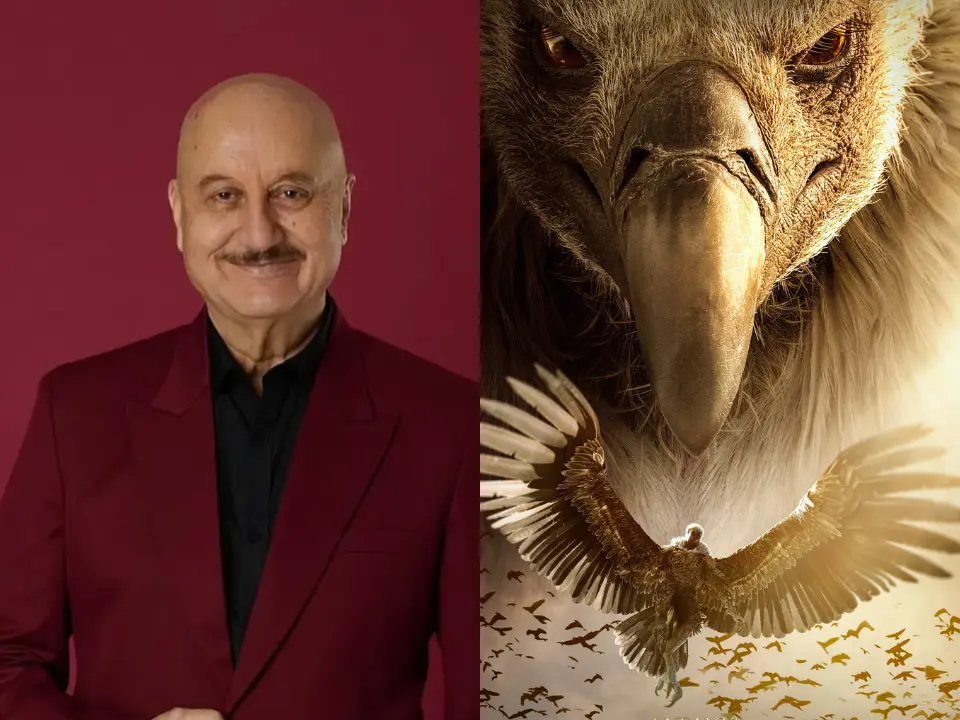
Anupam Kher joins Ranbir Kapoor's Ramayana as Jatayu, new poster unveiled
&imwidth=180&imheight=135&format=webp&quality=medium)
Measles kills again: 6 dead in Pennsylvania as America faces its worst outbreak in decades | Gravitas
&imwidth=180&imheight=135&format=webp&quality=medium)
Ken Paxton's Dubai night out with two US fugitives sparks political storm as Texas Senate race tightens
&imwidth=180&imheight=135&format=webp&quality=medium)
Mundhe: Fight against unsafe food goes on
&imwidth=180&imheight=135&format=webp&quality=medium)
Cornell University suspends fraternity parties over 2024 gang rape allegations
“That’s when I got to know about it. But in the moment on the field, we just said six, you know, communicated to each other, ‘six, six, it’s six’ not realising that they haven’t crossed, it wasn’t picked up. That’s it,” he added.
The second (or the first) error
During New Zealand’s innings, who batted first in the final, Erasmus gave Ross Taylor out LBW, admitting though he felt the ball was hitting the stumps with the naked eye, replaysshowed it was missing them. But since the BlackCaps had exhausted their reviews by then, they had to settle with the umpire’s decision.
“It was just too high but they had burnt their review. That was my only error in the whole seven weeks, and, afterwards, I was so disappointed because it would have been an absolute flip had I got through the whole World Cup not making an error and that obviously impacted the game a bit because he was one of their top players,” the now-retired official added.
However, having stood in 82 Tests during his career, Erasmus admitted that New Zealand was the nicest team to umpire.
“They were always very, very respectful,” Erasmus concluded.
