How Thomas Tuchel outsmarted Mexico: Five tactical decisions that sent England into the FIFA World Cup quarterfinal

&imwidth=600&imheight=450&format=webp&quality=medium "How Thomas Tuchel outsmarted Mexico: Five tactical decisions that sent England into the FIFA World Cup quarterfinal")
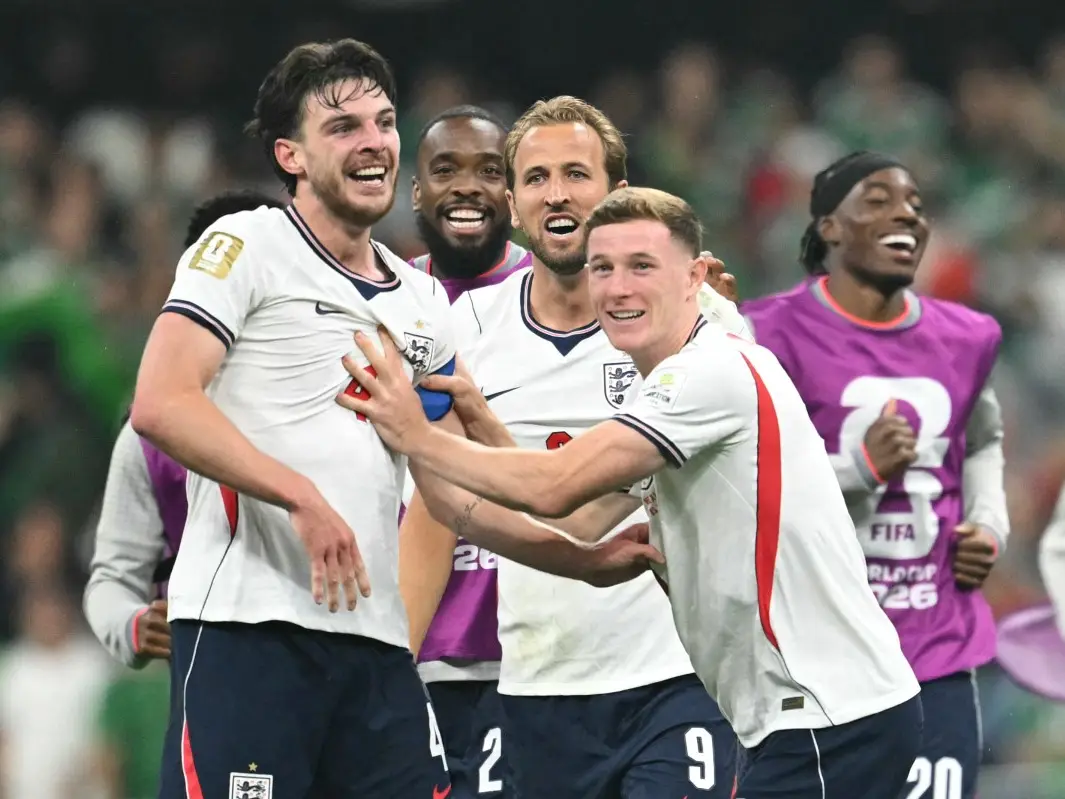
England players celebrate their win over Mexico Photograph: (AFP)
England overcame Mexico’s intensity, altitude and a red card through Thomas Tuchel’s tactical flexibility to secure a place in the World Cup quarterfinals
Much had been said about the challenge England would face against Mexico at the Azteca Stadium, and the contest lived up to expectations. The atmosphere created by the home crowd, the high altitude of Mexico City and Mexico’s relentless intensity combined to produce one of England’s toughest tests of the tournament. To navigate it, Thomas Tuchel’s side approached the match in clearly defined stages, almost as though they were playing five separate games. England’s progress to the World Cup quarter-finals once again highlighted why Tuchel has earned a reputation as one of football’s most tactically astute coaches and a specialist in knockout football.
Game 1: Surviving Mexico’s early pressure
England’s measured opening approach was no accident. Assistant coach Anthony Barry revealed the plan during the half-time interval. "We prepared the players that up until the first water break it would be a difficult game," he said. "We would have to suffer. Mexico always start fast. We knew 0-0 would be a good result at the break."
England focused on limiting Mexico’s early momentum rather than trying to dominate possession. Defensively, they were far more disciplined than in previous matches. Before kick-off, Tuchel had explained the need for smarter pressing rather than relentless pressure. "We are fully committed to our press," he said. “But it's not economical. We need to be smart and pick the right moments.” England largely followed that instruction. When Mexico attempted to build from the back, Harry Kane, Jude Bellingham and an additional pressing player worked together to block passing lanes, making life more difficult for Javier Aguirre’s side. Mexico still managed to progress through intelligent movement, with midfielders and wingers dropping into space to receive possession.
A key tactical detail was Elliot Anderson’s positioning. Rather than joining every press, he stayed closer to England’s centre-backs, denying Mexico an easy passing option through midfield. Once Mexico advanced into attacking areas, England settled into a compact mid-block, prioritising defensive shape over immediate ball recovery. The statistics reflected that patience. England had averaged just 12.1 seconds to regain possession in their first four World Cup matches. Against Mexico in the opening half, that figure rose dramatically to 37 seconds.
Game 2: Clinical counter-attacking
Trending Stories
&imwidth=280&imheight=210&format=webp&quality=medium)
&imwidth=280&imheight=210&format=webp&quality=medium)
&imwidth=280&imheight=210&format=webp&quality=medium)
&imwidth=280&imheight=210&format=webp&quality=medium)
&imwidth=280&imheight=210&format=webp&quality=medium)
&imwidth=280&imheight=210&format=webp&quality=medium)
&imwidth=280&imheight=210&format=webp&quality=medium)
&imwidth=280&imheight=210&format=webp&quality=medium)
&imwidth=280&imheight=210&format=webp&quality=medium)
&imwidth=280&imheight=210&format=webp&quality=medium)
&imwidth=280&imheight=210&format=webp&quality=medium)
&imwidth=280&imheight=210&format=webp&quality=medium)
&imwidth=280&imheight=210&format=webp&quality=medium)
&imwidth=280&imheight=210&format=webp&quality=medium)
&imwidth=280&imheight=210&format=webp&quality=medium)
&imwidth=280&imheight=210&format=webp&quality=medium)
&imwidth=280&imheight=210&format=webp&quality=medium)
&imwidth=280&imheight=210&format=webp&quality=medium)
&imwidth=280&imheight=210&format=webp&quality=medium)
&im=FitAndFill=(700,400)&imwidth=280&imheight=210&format=webp&quality=medium)
&imwidth=280&imheight=210&format=webp&quality=medium)
&imwidth=280&imheight=210&format=webp&quality=medium)
&imwidth=280&imheight=210&format=webp&quality=medium)
&imwidth=280&imheight=210&format=webp&quality=medium)
&imwidth=280&imheight=210&format=webp&quality=medium)
&im=FitAndFill=(700,400)&imwidth=280&imheight=210&format=webp&quality=medium)
&imwidth=280&imheight=210&format=webp&quality=medium)
&imwidth=280&imheight=210&format=webp&quality=medium)
&imwidth=280&imheight=210&format=webp&quality=medium)
&imwidth=280&imheight=210&format=webp&quality=medium)
&imwidth=280&imheight=210&format=webp&quality=medium)
&imwidth=280&imheight=210&format=webp&quality=medium)
&imwidth=280&imheight=210&format=webp&quality=medium)
&imwidth=280&imheight=210&format=webp&quality=medium)
&imwidth=280&imheight=210&format=webp&quality=medium)
&imwidth=280&imheight=210&format=webp&quality=medium)
&imwidth=280&imheight=210&format=webp&quality=medium)
&imwidth=280&imheight=210&format=webp&quality=medium)
England’s disciplined first-half display paid off in decisive fashion. Mexico’s fluid positional rotations saw 17-year-old Gilberto Mora drift to the left side of the attack, despite naturally operating on the opposite flank. When Jordan Pickford collected the ball, Mora instinctively moved back towards his usual position, leaving valuable space exposed. Pickford immediately found Declan Rice, who drove forward before releasing Bukayo Saka. Saka delivered an accurate cross that allowed Jude Bellingham to arrive late and head England into the lead.
Mexico’s response from the restart proved disastrous. England pressed aggressively immediately after kick-off. Unlike earlier in the game, Anderson stepped higher to support the press, filling the space behind England’s attackers. His pressure forced a turnover that led directly to England’s second goal, again finished by Bellingham.
Game 3: A shift towards control
England opened the second half looking to impose themselves more aggressively. Anthony Gordon had occasionally joined the high press before the interval, but after the break he and Saka alternated as the third pressing attacker. The approach created opportunities but also increased the risk, turning the match into a more open contest. One sequence ultimately proved costly.
Following an attacking move, Bellingham continued pressing goalkeeper Raul Rangel deep inside Mexico’s half.
It appeared to be one of the moments Tuchel had warned against, leaving England temporarily exposed with Bellingham positioned ahead of the ball. Mexico exploited the situation. Left winger Julian Quinones drifted inside, drawing Jarell Quansah out of position while Saka remained committed further forward. As Mexico attacked the exposed space, Quansah was forced into a late sliding challenge on Jesus Gallardo, resulting in a red card.
Also Read: Gianni Infantino insists FIFA ‘Independent’ after Donald Trump's call to lift Balogun ban
)
England players celebrate their win over Mexico Photograph: (AFP)
Game 4: Managing Mexico’s wide threat
Reduced to 10 men, England effectively entered another phase of the match. John Stones replaced Bukayo Saka, Ezri Konsa shifted to right-back, and England reorganised into either a 4-4-1 or 4-3-1-1 shape. Tuchel relied on one of his familiar tactical principles: invite pressure before launching direct passes towards runners. Anthony Gordon became England’s primary outlet.
His pace allowed England to relieve sustained pressure and he won the penalty that further strengthened England’s position.
Despite that, Mexico remained dangerous down the left.
Julian Quinones repeatedly drifted inside, dragging England’s defenders with him and creating space for left-back Jesus Gallardo to deliver dangerous crosses. Mexico frequently created overloads on the left, mirroring many of England’s own attacking patterns during the tournament. Those combinations freed Quinones to shoot, switch play or deliver inswinging crosses, one of which eventually resulted in Mexico winning a penalty.
Game 5: Closing the door
Tuchel again used the second-half hydration break to reshape his side. Dan Burn and Djed Spence replaced Elliot Anderson and Nico O’Reilly as England switched to a defensive 5-3-1 formation. Jude Bellingham, Declan Rice and Anthony Gordon formed an energetic midfield trio capable of covering large areas despite being a player short. England’s defensive resilience proved decisive. John Stones and Djed Spence produced crucial last-ditch tackles during the closing stages, while the towering 6ft 7in Dan Burn dominated aerially as Mexico increasingly relied on crosses.
As England dropped deeper, space opened in front of the defence. However, Javier Aguirre replaced the influential Julian Quinones with the taller Guillermo Martinez. The substitution ultimately suited England. Prepared for aerial battles, England comfortably dealt with Mexico’s increasingly predictable crossing strategy. The hosts lost the attacking variety that had troubled England earlier in the contest.
Almost every attack was directed wide before hopeful deliveries into the penalty area, allowing England to defend wave after wave of crosses with confidence. Tournament football demands adaptability, and England demonstrated exactly that. Reduced to 10 men in one of world football’s most intimidating stadiums, Tuchel’s tactical planning and the depth of his squad ensured England successfully negotiated another major World Cup obstacle and secured their place in the quarterfinals.

