Pakistan strikes Iran targeting Baluch separatist group: Who are the Baluch, what are their issues?

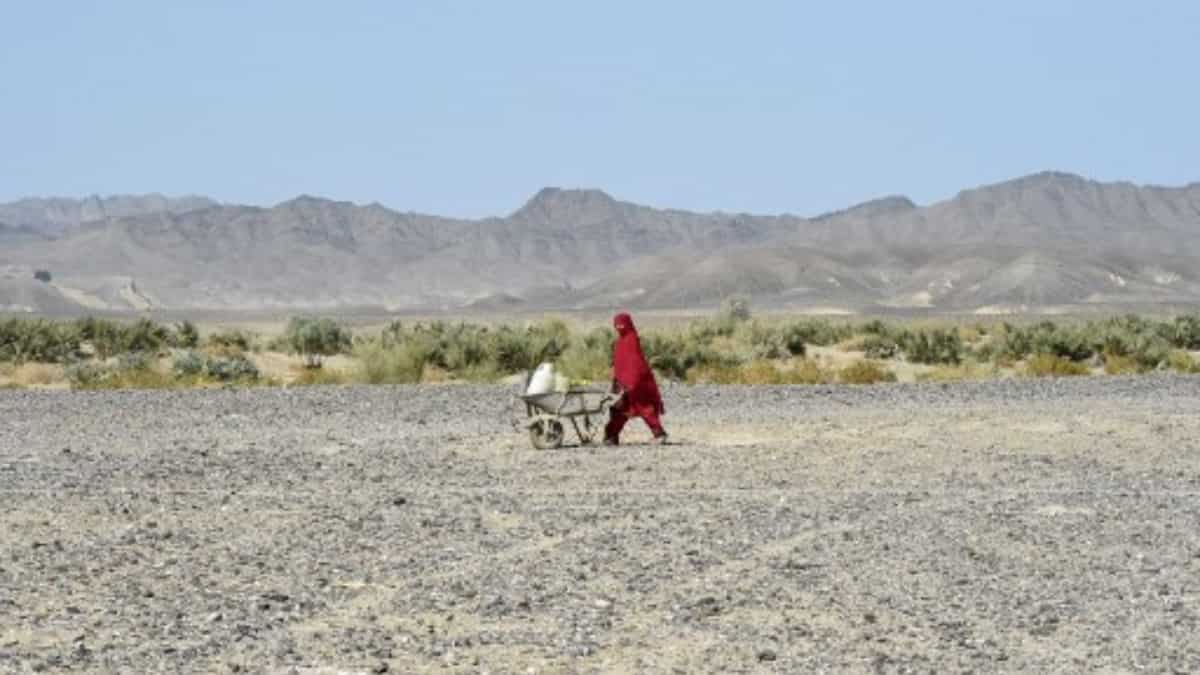
Koh-e-Sabz area of Pakistan's south-west Baluchistan
Pakistan launched a series of strikes on militants in Iran's Sistan and Baluchistan provinces, calling it retaliatory action which raised the tensions between the neighbouring nations. Islamabad said it hit bases of the separatist Baloch Liberation Front and Baloch Liberation Army.
The strikes killed at least nine people, including three women and four children, the Iranian state media said. But Pakistan claimed that the strikes caused the deaths of a "number of terrorists".
In its statement after the strikes, Pakistan said, "Iran is a brotherly country and the people of Pakistan have great respect and affection for the Iranian people. We have always emphasised dialogue and cooperation in confronting common challenges."

In addition to the diplomatic approach, likely to contain the situation, the Pakistan Ministry of Foreign Affairs said that Islamabad has provided evidence of Baloch militant activitiesin Iran to Iranian officials but that the strikes were necessary "because of lack of action on our serious concerns".
The strikes followedIranian missile attacks in the Pakistani part of the region, a province that is known as Balochistan. Pakistan said the Iranian attack had killed two children, but Tehran claimed that its drones and missiles struck militants of the Jaish al Adl (JAA) group.
The claims and counterclaims will continue to happen, but to begin with, let's find out who are Baluch and what are their issues.
)
China thinned Himalayan troop presence in 2025, India defence report says; terms border situation 'stable'
)
Israeli minister calls to strip Gaza film directors of citizenship
)
China discovers vast gold and silver 'mine' in the Pacific with unheard-of deposits
)
Crude oil prices jump more than $107 per barrel following Houthi attacks on Saudi
)
Ganesh Chaturthi 2026: Devotees throng the iconic Lalbaugcha Raja pandal in Mumbai
)
Did China give Iran intel before US base strike that killed 3 troops? Trump says, 'You’re right...'
)
Did India risk its US trade deal despite softer stance at BRICS?
)
Turkish Airlines plane flies through a storm three times, triggering severe turbulence
)
Trump says Canada eager to reach a deal, it could come ‘fairly soon’ if Ottawa treats US farmers better
)
Russian drone hits Warsaw-bound train near Polish border, Zelensky accuses Moscow of ‘deliberate’ targeting
)
First naval drone battle? Ukraine says Sargan 3000 sank Russian unmanned boat
)
Video of Pakistani lawmaker struggling to read English tribute to Jinnah goes viral - WATCH
&im=FitAndFill=(700,400))
New OTT releases this week (September 14-20, 2026): Lust Stories 3, Waiting Hai, Irumudi- 5 new titles coming on Netflix, Prime Video and more
)
‘Want to reset ties with India, have engagement based on mutual interests,’ says Bangladesh minister
&im=FitAndFill=(700,400))
Why Chinese PL-15 air-to-air missiles use dual-pulse motors compared to European interceptors
)
Iran, India agree to deepen humanitarian and political ties, President Pezeshkian says
)
Plane carrying prominent figure crashes at Libya’s Misrata airport: Report
)
Natural caffeine sources gain popularity; matcha & botanicals offer calm energy
)
Saudi Arabia discovers 110 million tonnes of Uranium-rich ore in Madinah region
)
Humans may lose control of AI: Anthropic CEO calls for slowdown, Altman, Musk back him
)
Practical Magic 2 breaks Spidey spell over North American box office
)
‘Let’s go’: Newly declassified videos show dramatic rescue of US Air Force officers downed in Iran
)
800 million years old - Scientists discover 'fingerprints' of supercontinent Gondwana in ancient rocks
)
Russia proposes to build 360 kmph Ivolga FG trains in India: What happened on sidelines of BRICS
)
Women's Asia Cup 2026: India denied trophy once again despite winning the title
)
'Huge destructive power': North Korea calls its latest missile launches 'live-fire drill' even as US dismisses 'immediate threat'
)
Pakistan puts Pak Rs 70 lakh bounty on UN terrorist Masood Azhar; move draws skepticism in Delhi
)
Indian importers urge Bangladesh to lift export ban on 'Hilsa' fish ahead of Durga Puja
)
Delhi’s balancing act: BRICS serves as a stage for West Asia diplomacy
)
Liam Neeson sparks romance rumours after holding hands with Stella Stocker at TIFF 2026
&im=FitAndFill=(700,400))
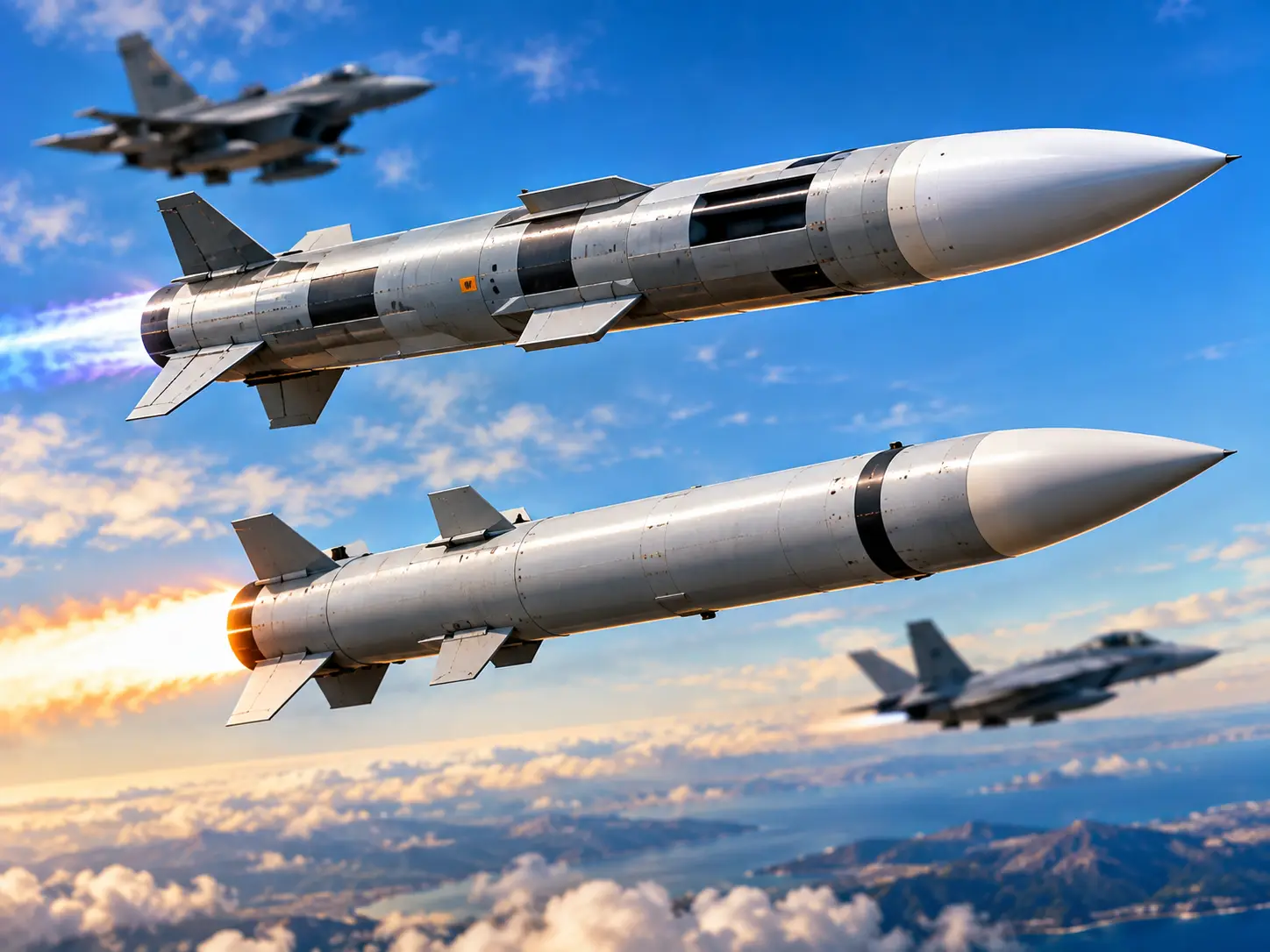
Why European Meteor missiles use ramjet engines compared to standard US solid rockets
)
Veteran Bollywood actress Nafisa Ali shares health update as Stage 4 cancer progresses, starts targeted therapy
)
Orlando Bloom addresses Pirates of the Caribbean comeback and reunion with Johnny Depp
What do we know about the region?
Balochistan is a region divided between Afghanistan, Iran and Pakistan, and has been marred by tensions with groups fighting majorly for autonomy.
Iran's southeastern province of Sistan-Baluchistan and Pakistan's western province of Balochistan are the most impoverished regions of their respective countries.
It consists of vast and arid provinces, that lack resources amid constant battle with drought. Unemployment and other opportunities make the situation worse for those who are living there.
On the porous Iran-Pakistan border, whichnow risks of being the subject of escalating tensions between the neighbours,security forces on both sides have battled militant groups for years.
Who are the Baluch?
The region, in whatever condition, is home to the Baluch people who are estimated to be 10 million. The majority of Baluch people live in Pakistan including also in the Sindh province. A clear estimation is not known, but several million are estimated to be living in Iran and a much smaller minority in Afghanistan.
Iran and Pakistan share a nearly 1,000-kilometer border along the provinces, with extensive smuggling activity, particularly of petroleum. Both nations have accused each other of being lenient towards militant organisations in the region. Many Baluchs work as fuel carriers, known as 'sookhtbar' in Persian. They smuggle fuel over the border to Pakistan where it can be sold at a higher price.
Notably, the Baluch are Sunni Muslims. In Iran, they are part of a religious as well as an ethnic minority, with the dominant religion in the Islamic republic Shiite Islam.
Situation in Pakistan
For almost two decades, the Pakistani forces have been fighting the latest iteration of an ethnic Baluch separatist insurgency. Hundreds have died in attacks targeting security forces, government personnel and ethnically non-Baluch civilians.
Baluch separatists and rights groups have often claimed that the military's campaign on the insurgency has resulted in numerous enforced disappearances and extrajudicial deaths.
Since 2014, separatists have also targeted projects affiliated with the China-Pakistan Economic Corridor (CPEC), which is a $58 billion project that is part of Beijing's Belt and Road Initiative (BRI), with substantial sections running through mineral-rich Balochistan.

Image: A map showing Sistan-Baluchistan province in southeast Iran, along the border with Pakistan. Credit: AFP.
What are the issues faced by the Baluch?
A report by the news agency highlights how 2022 emerged as a challenge for theBaluch people in Iran's Sistan-Baluchistan province when its residents joined thenationwide protests in Iran over the death of young woman Mahsa Amini in police custody.
The protest became a global phenomenon, the majority reflected nationwide anger, and security forces cracked down on the demonstrations.
Amnesty reported that over 80 people were killed on September 30, 2022, when security forces opened fire on a protest in Sistan-Baluchistan's main city of Zahedan in what became known as its "bloody Friday".
For a long period of time, the activists have claimed that Iran's Shiite clerical government has discriminated against the region economically and politically, with a disproportionate number of Baluch being executed, particularly on drug accusations.
Several activists have said that dozens of Baluch have been killed by Iranian security forces in recent years.
Amnesty International said that in 2021 at least 19 per cent of all executions in Iran were of members of the Baluch minority.
Baluch on the Pakistani side of the border also complainof being disenfranchised, and theincome from the province's rich natural resources not being adequately spent on local governance and social needs.
(With inputs from agencies)