Exclusive | Not war, nations talk about Afghanistan's growth now: Taliban Foreign Minister Amir Khan Muttaqi

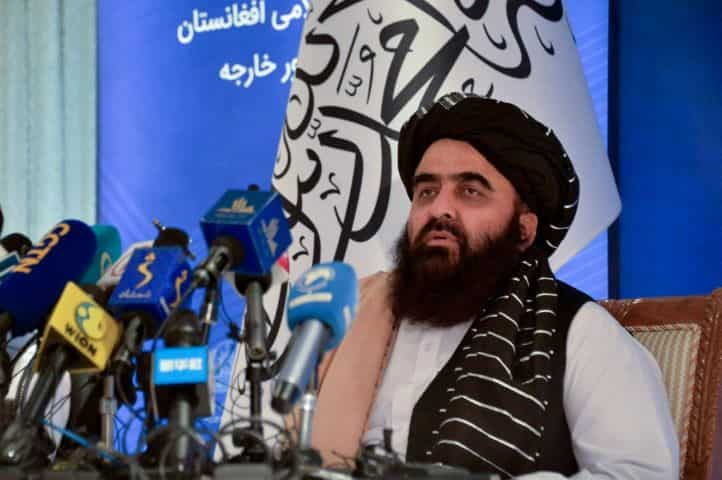
Afghanistan's Foreign Minister Amir Khan Muttaqi
The annual Shanghai Cooperation Organization (SCO) summit is taking place in Tashkent, the capital of Uzbekistan, with the participation of regional foreign ministers. Eight countries make up the alliance, including Russia, China, India, Pakistan, and Central Asian countries. It strives to advance political, commercial, and economic co-operation while upholding regional security and stability.
During the summit, WION conducted an exclusive interview with Afghanistan's Taliban government's foreign minister, Amir Khan Muttaqi. Below are the significant portions of that interview.
WION: It's been almost a year since the Taliban took power; what challenges does your government now face?

Amir Khan Muttaqi: We have dealt with many challenges over the years, and most of them have been addressed. The law and order situations in Afghanistan have improved now, and the foundations of the country’s economy are also improving day by day. Political ties with neighbouring, regional countries and the international community are improving gradually. So, the major challenges that we’re facing have been reframed to a greater extent.
However, Afghanistan has come out of a four-decade-long conflict. There are still many challenges, including the economy, and we’re hopeful of finding a solution to the remaining challenges too. I’m optimistic that with the level of progress that we’re making, we will be able to deal with the remaining challenges and find a good future.
WION: You are here in Tashkent for the Afghan conference. There are two pressing issues in the international community. One is recognition of your government and the second is girls' education. When can we see both things happen?
)
US Supreme Court backs Trump administration's use of SAVE database to check voter citizenship
)
Heart of the Beast review: Brad Pitt leads a gripping tale of survival and loyalty
)
Outrage erupts after 3-year-old is married to 60-year-old man in Pakistan, link to her sister's murder being probed
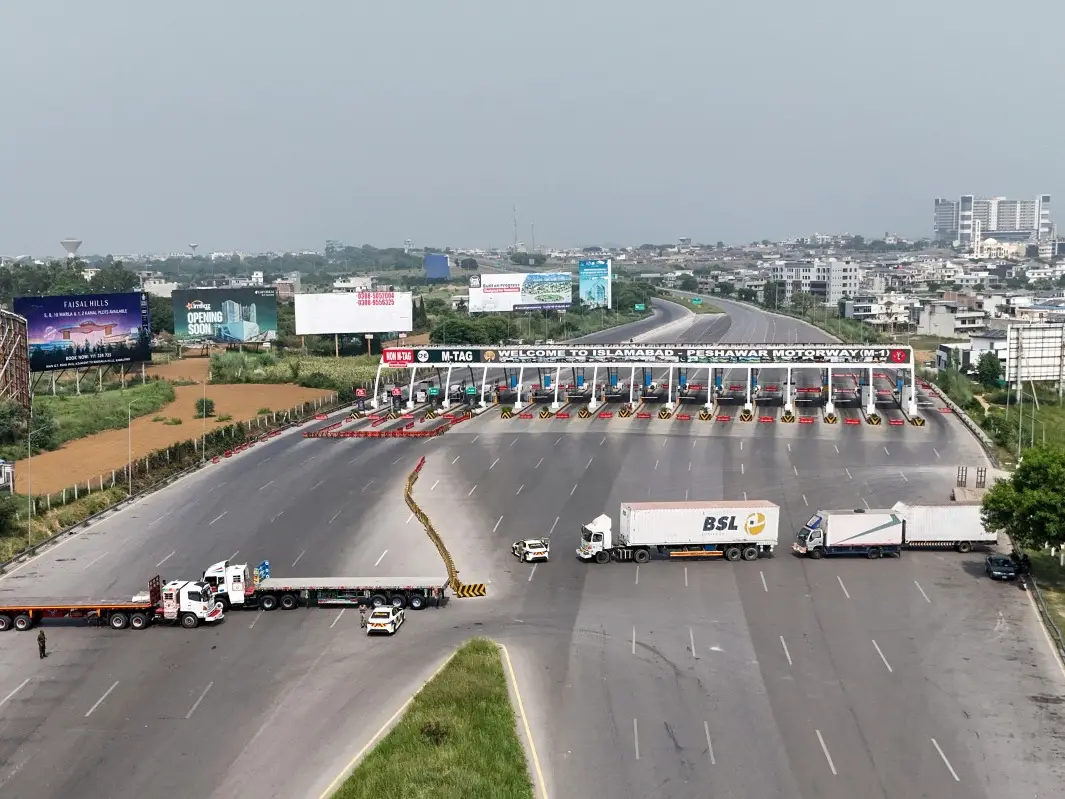)
Pakistan deploys over 20,000 security personnel as PTI vows march for Imran Khan's release
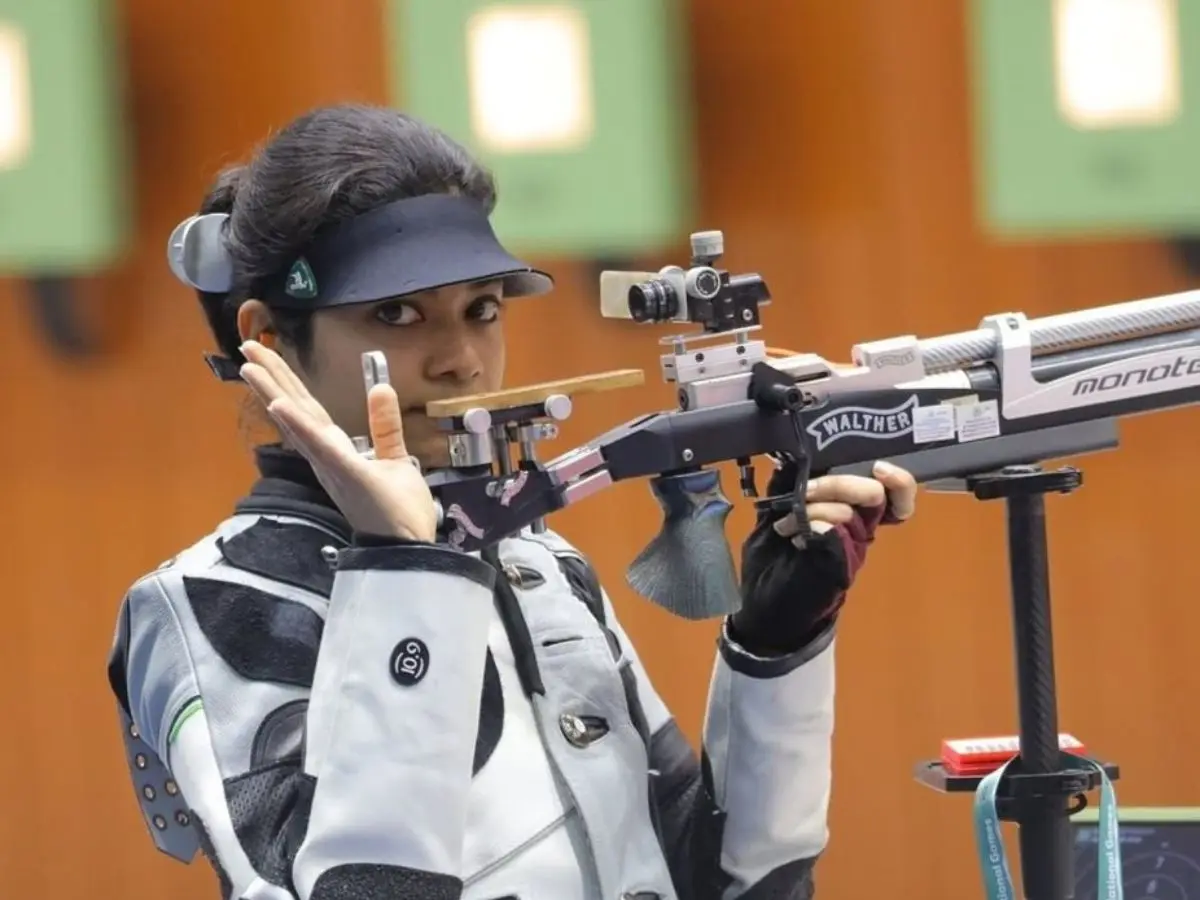)
Asian Games: Shooting spree continues as India win silver in women’s 50m rifle 3P team event
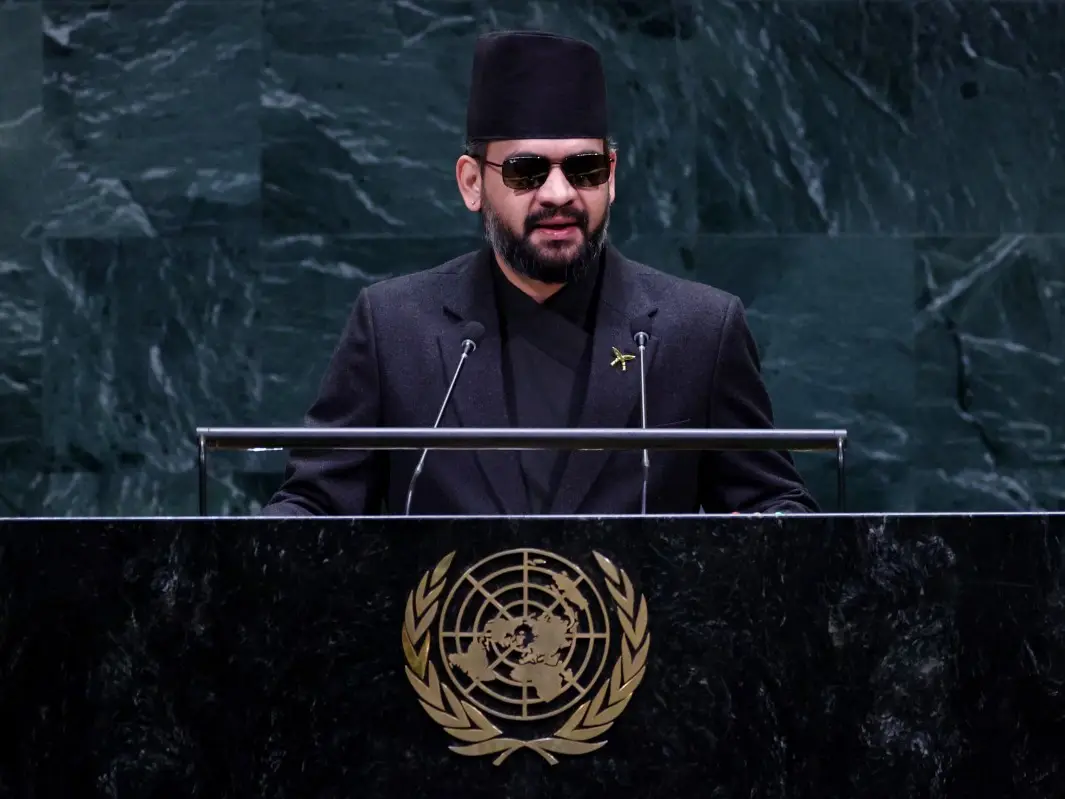)
‘Not just a local tragedy’: Nepal PM Shah warns UN of growing climate threat, says Nepal floods were 'a warning to the world'
)
OpenAI AI Agents hacked 4 websites before Hugging Face, researchers reveal
)
Pentagon quietly adds 37 wounded troops to Iran war tally without explaining when or how
&im=FitAndFill=(700,400))
New Friday OTT releases (September 25, 2026): Don’t Be Shy, Hunkkaar: The Roar, Mango Pachcha- 6 movies and TV shows on Netflix, Prime Video and more
)
Yemen's war escalates: Saudi-backed leader calls for general mobilisation against the Houthis
)
‘Attack on Mecca a red line for Pakistan’: Shehbaz Sharif warns Houthis at UN
)
Tesla is preparing something big for Optimus: new Gen 3 models surface in app
)
Bias or safety concerns? Bengaluru CEO says firm will not hire men from UP, Bihar, Rajasthan, MP. Here's why
)
Did Hitler kill his niece Geli Raubal? Newly found records reopen a 95-year-old mystery
)
Nigeria Navy moves to boost oil security, tackle crude theft and infrastructure threats
)
Indian diplomat Petal Gahlot raises deteriorating situation in Pakistan-occupied Kashmir in right of reply at UN
)
Scientists detect first radio signals directly from faraway planet
)
‘It is all possible’: Putin weighs next steps on Ukraine talks, rules out Europe conflict
)
10,000 gather in support of 87-year-old forcefully evicted from home of 71 years
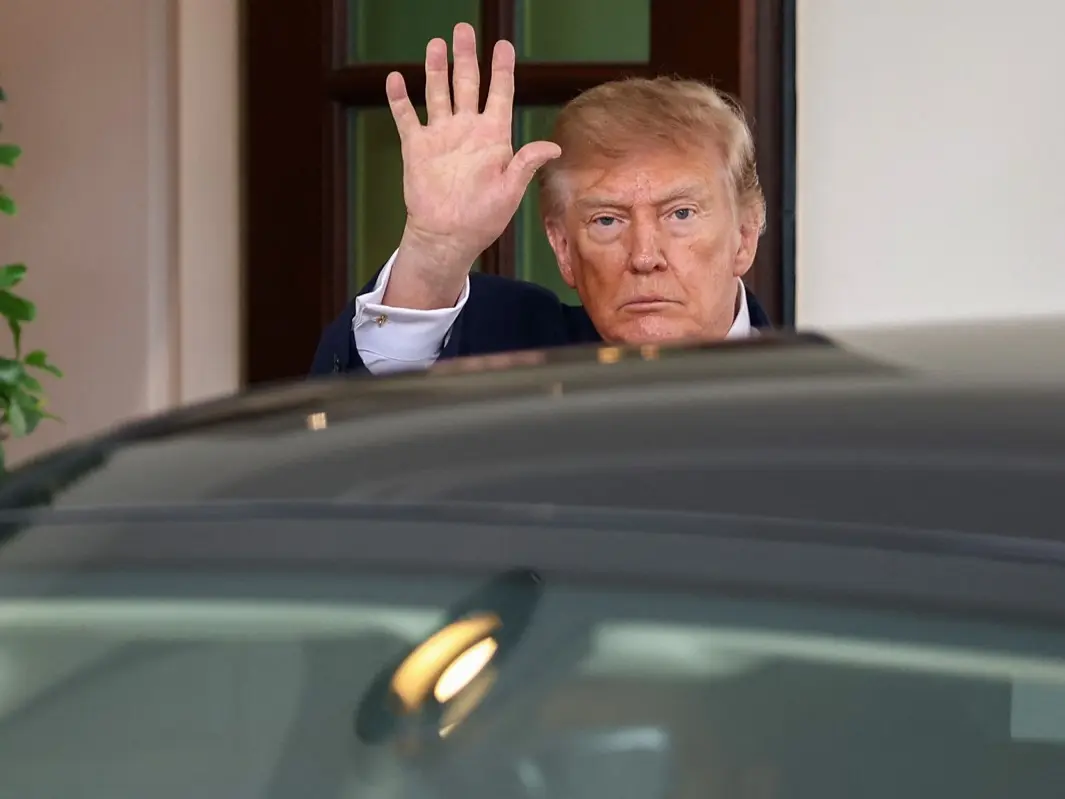)
Trump rejects Iran's 7-day ceasefire proposal as US weighs renewed bombing after midterms: Report
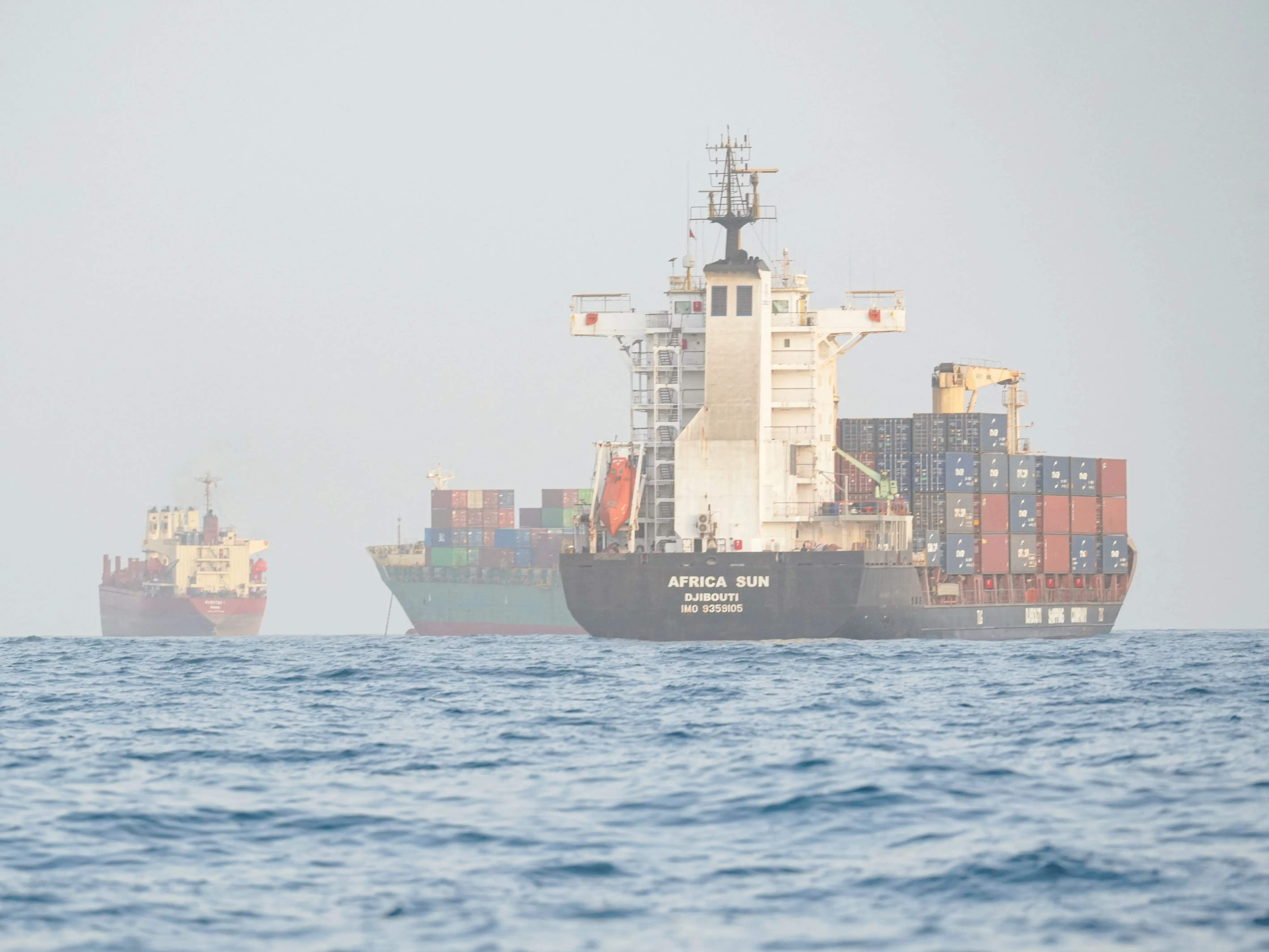)
Red Sea crisis: Houthis promise not to target European ships; UNSC condemns Saudi attacks
)
Gaza's war turned environmental damage into second crisis
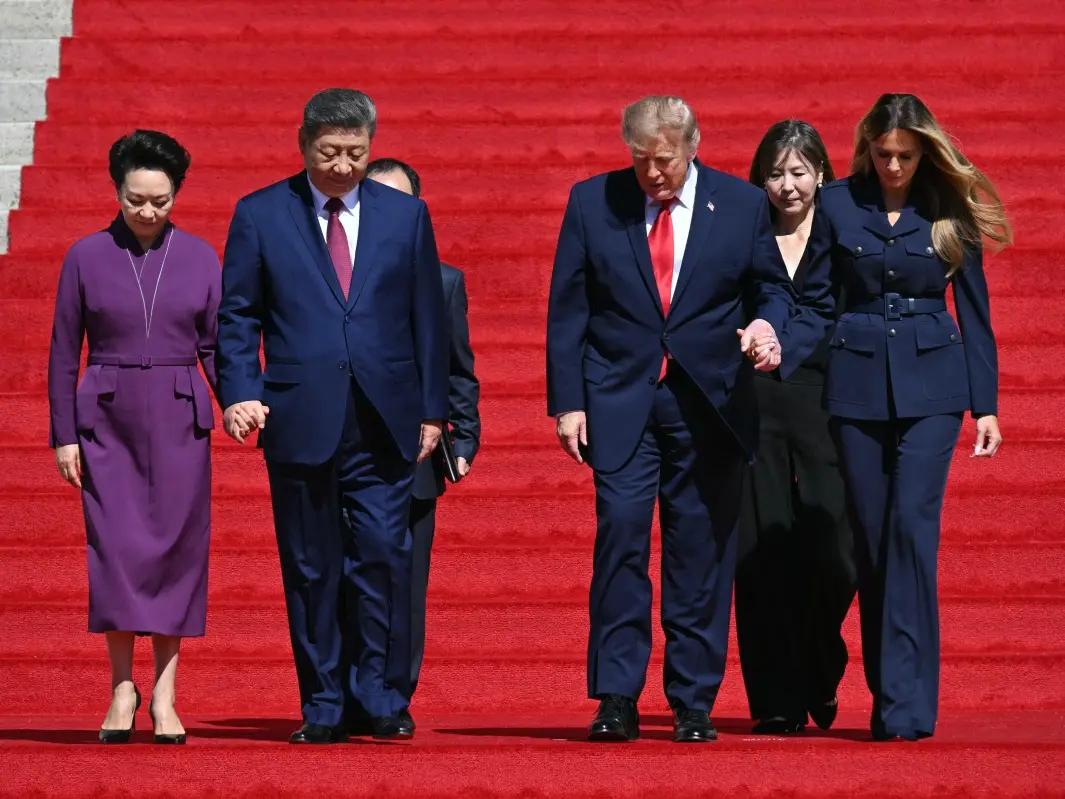)
Trump-Xi summit wrap: Big pageantry, Iran talks, few major developments and more meetings planned
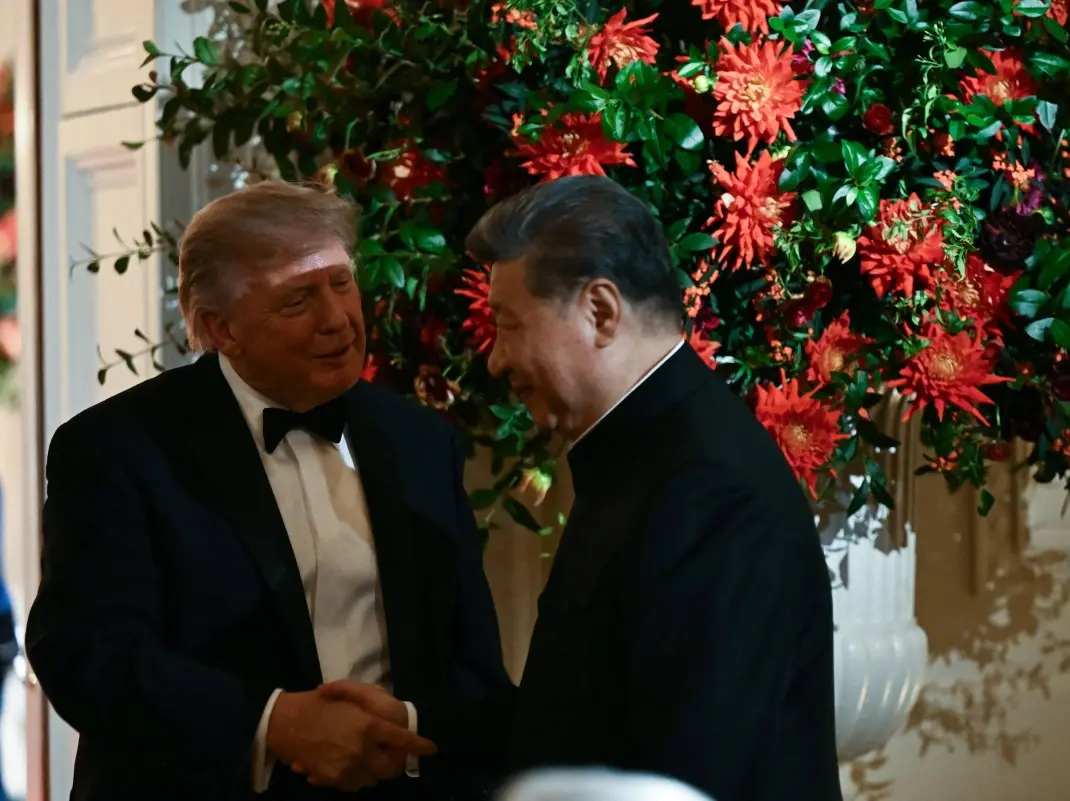)
'Making history': Xi Jinping praises Trump as US-China leaders dine at White House
)
'We do not wish to continue. It's America that must choose': Iran president Pezeshkian calls on US to end war
)
India's UN Envoy slams Pakistan: 'They claim security by day, terrorism by night'
)
Bollywood mourns Mushtaq Khan: Sunny Deol, Rajpal Yadav and others pay tribute
)
Myanmar training camp case: US national, 6 Ukrainians allowed to meet their families abroad
)
'FIRST LOOK from inside Noah’s Ark': Researchers share video from inside mysterious mound in Turkey
)
Cindy Crawford’s son Presley Gerber cremated as death probe continues
)
WATCH | As Shehbaz Sharif claims Pakistan’s ‘victory’ during 2025 conflict, Indian diplomat R Srinivas laughs at UN
)
'A terrorist country is asking me that question?': Jaishankar hits back at Pakistani journalist at UN; flags attacks on commercial shipping
)
Army chief reviews operational preparedness along LoC, visits mega eye camp in Tangdhar
&im=FitAndFill=(700,400))
‘Absolutely savage, sickening’: Zelensky slams Russia as daytime strikes kill 5 in Kyiv
)
US court backs Pentagon's decision to exclude Anthropic over Claude AI restrictions
Amir Khan Muttaqi: The Tashkent conference was a positive moot. Around 35 countries participated in the conference, and most of them were very positive in their talks, except for one or two who were negative. The participants got to know the facts, and it’s very important that they know the real facts about Afghanistan. It has been instrumental in addressing all those perceptions being propagated about us by our opponents and enemies towards the rest of the world. After getting the facts, they now have the real picture of Afghanistan in their minds, and all have emphasised the need for the start of the major economic activities, especially the railway track from Uzbekistan to Pakistan.
And other projects, such as Turkmenistan–Afghanistan–Pakistan–India (TAPI). These were the issues discussed, and we’re also given hope that now, instead of discussing wars, ceasefires, and dialogue, we are talking about economic issues, development, progress, and having good ties with the region. We take all this positively.
On girls' education
We are aware that now in Afghanistan we have around 10 million students. Earlier, education was available in around 35 percent of the areas, and now we have reached 100 percent. We have 141 special education centres and 29 others that are functional. We have around 0.45 million students in these educational centres. So, we are making good progress in the education sector, and we hope to make more improvements in the future.
WATCH WION LIVE HERE
You can now write for wionews.com and be a part of the community. Share your stories and opinions with us here.