Aung Suu Kyi remains Myanmar's best hope: US mediator Bill Richardson

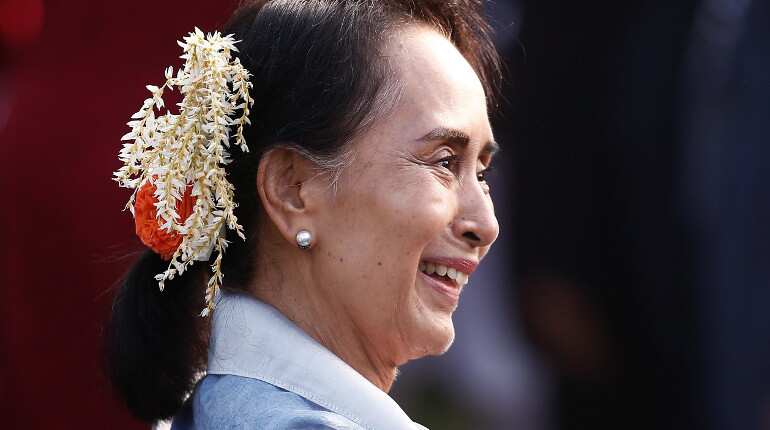
Aang San syu ki
Richardson said he resigned from the advisory board on Wednesday, during its first visit to troubled Rakhine State
Aung SanSuuKyiremainsMyanmar'sbesthopefor change, veteran USmediator BillRichardsonsaid on Friday, days after he got into a fight with the Nobel laureate and quite an international panel advising her government on the Rohingya crisis.
RichardsonsaidSuuKyi- whom he described as a long-time friend - had developed a "siege mentality" in her position asMyanmar'sState Counsellor, the country's civilian leader, but added that Western governments should continue to engage with her.
"The relationship with the West, with human rights groups, with the United Nations, with the international media is terrible," he told Reuters by phone from New Mexico on Friday.

"And I think Aung SanSuuKyihas brought this upon herself, the constant disparagement of the international community, which I think can be helpful to her ... She seems isolated. She doesn't travel much into the country. I think she's developed a classic bubble."
Richardsonsaid he resigned from the advisory board on Wednesday, during its first visit to troubled Rakhine State, saying it was conducting a "whitewash".SuuKyi's office said on Thursday her government had askedRichardsonto step down and accused him of pursuing "his own agenda".
SuuKyi's government said on Friday it did not want discuss the details of the exchange between SuuKyiandRichardsonany further.
)
Infections transmitted from pregnant woman linked to autism risk
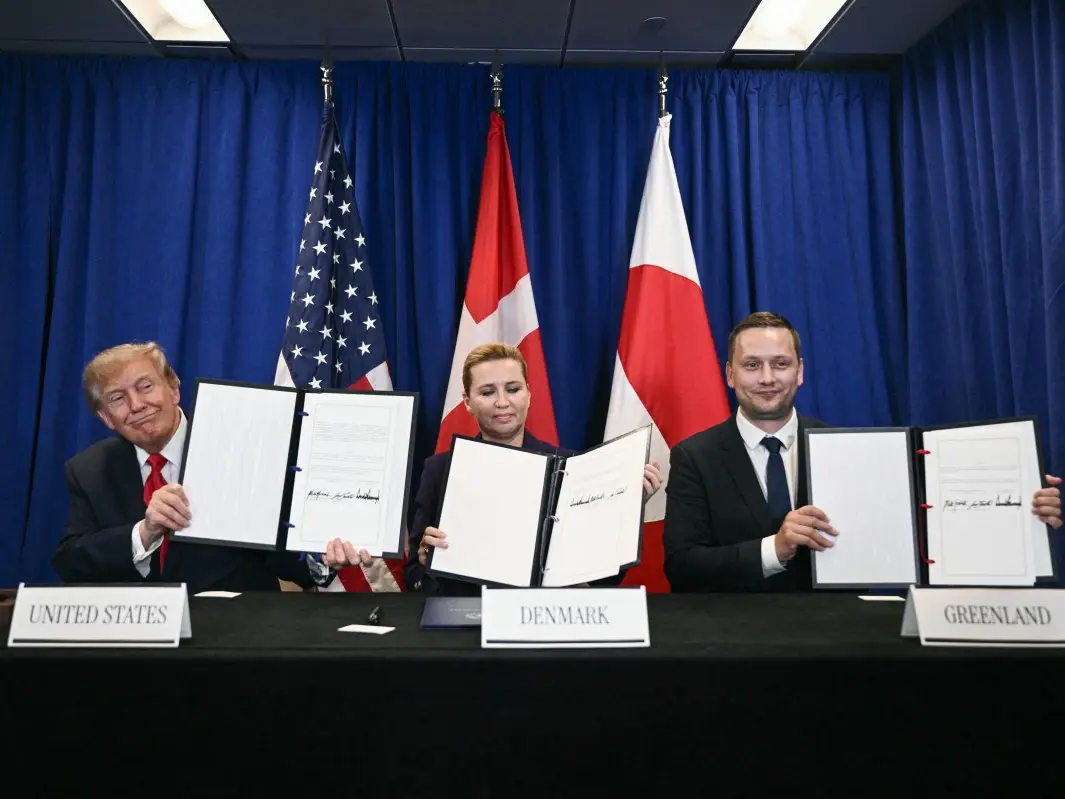)
Trump signs Greenland security deal with Denmark, paving way for two new US military bases
)
81st UN General Assembly: Burnham announces UK-US AI defence tie-up
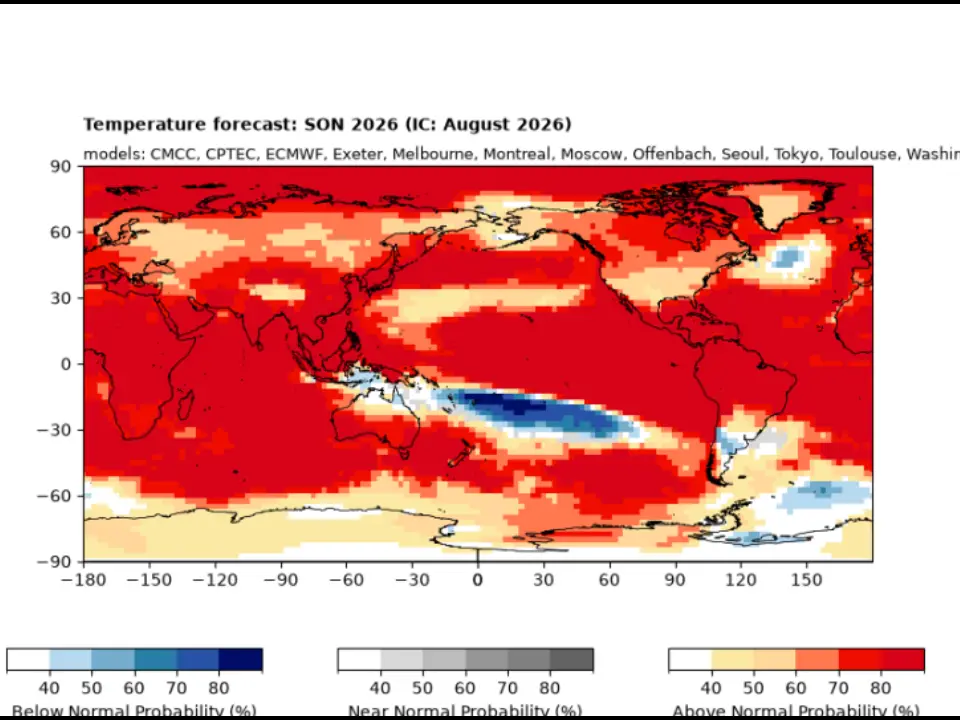)
El Niño 2026 heats up to become strongest in 1,000 years
)
China to test supersonic jet that moves at Mach 2, double the speed of sound
)
Bomb scare in New York amid UNGA: Suspicious suitcase found near UN headquarters
&im=FitAndFill=(700,400))
National Film Awards 2026: Kartik Aaryan, Mammootty, Yami Gautam, Randeep Hooda and other key winners
)
ICC plans T20I expansion and fewer ODIs in 2027–2031 FTP cycle: Report
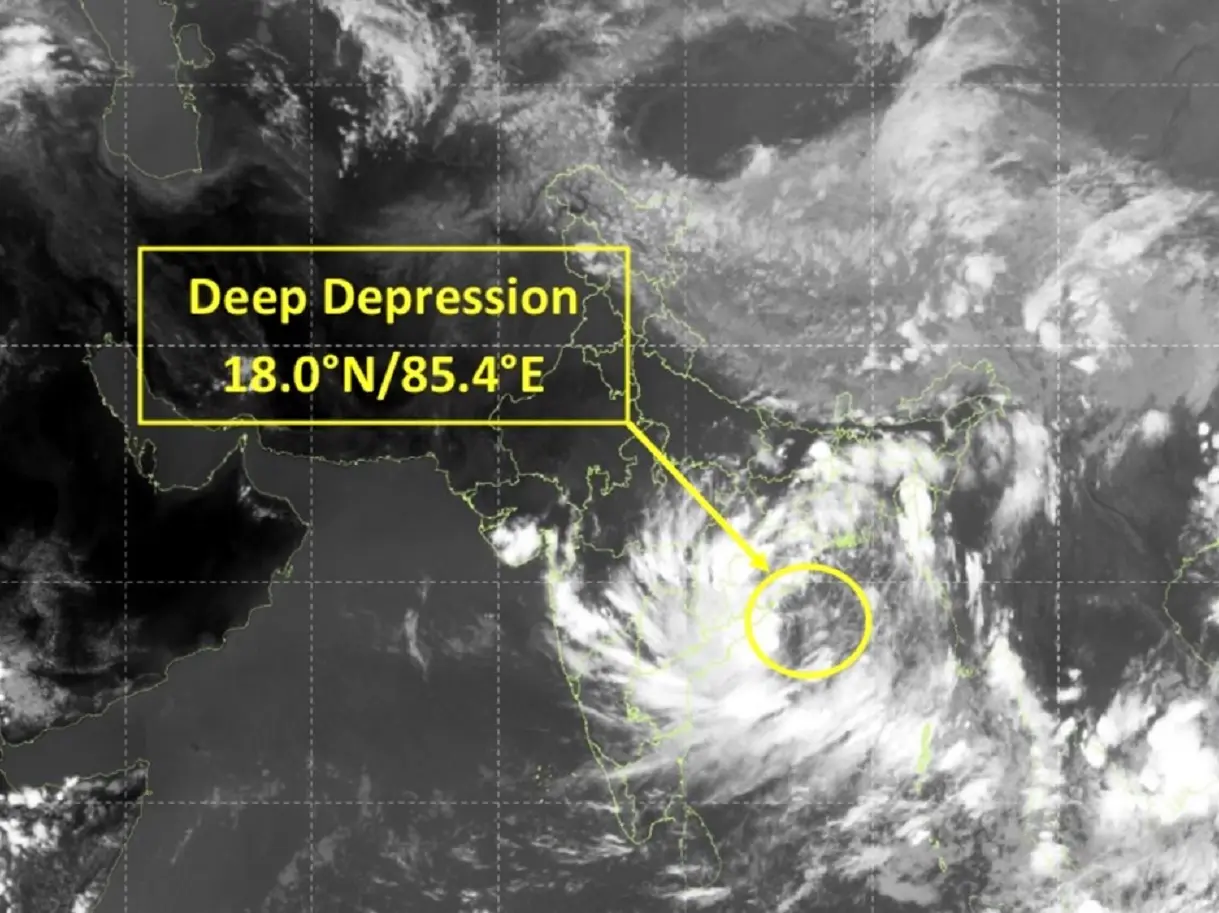)
Cyclone Arnab: Landfall expected before midnight tomorrow as IMD issues orange alerts across six states
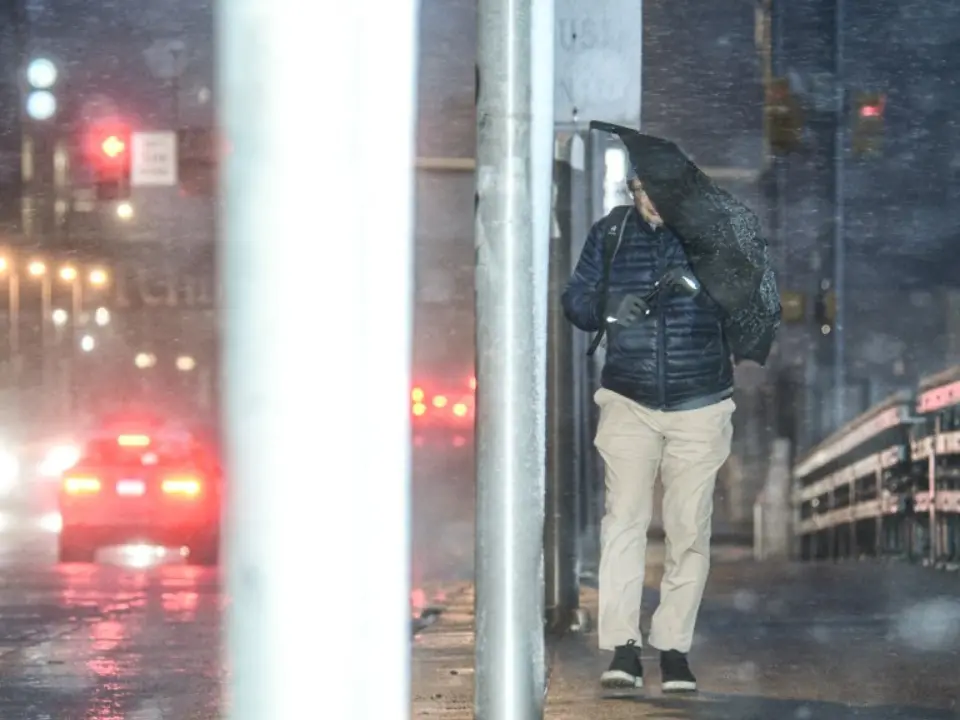)
Nor'easter could batter 13 US states this week. What you should know
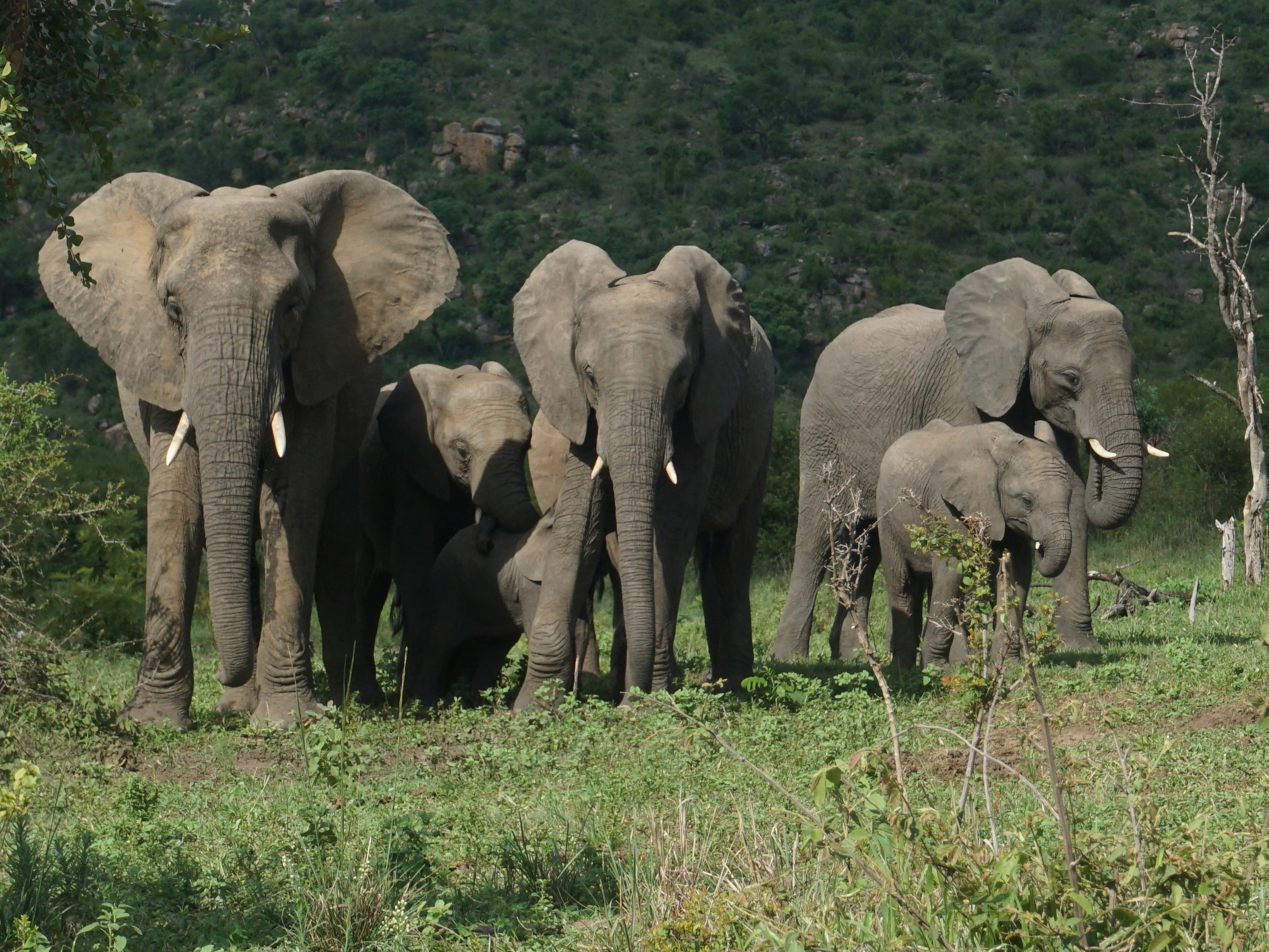)
Elephants hide behind trees, stage surprise attack on poachers targeting rhinos in South Africa
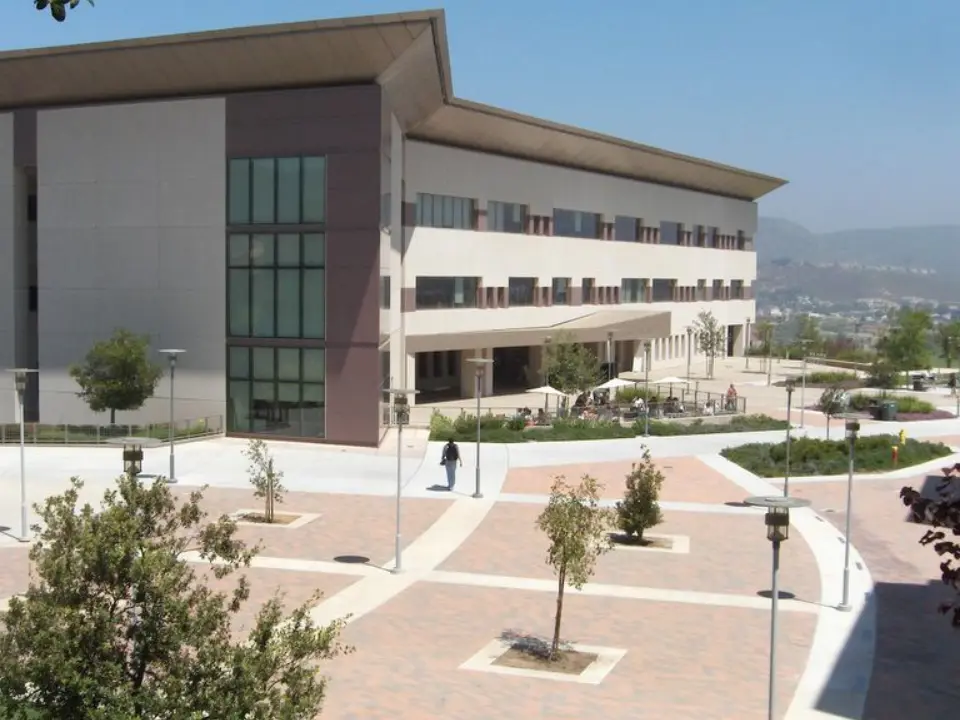)
Four female students raped during 'Red Zone' at California university. What we know
)
Asia prepares for record El Nino, food shock
)
'What kind of confession is this?': Pakistan PM Shehbaz Sharif’s 'terrorists would be roaming New York' remark goes viral, raises alarm online. Watch
)
US-China tech war: Businesses in the front line
)
Forget apps: Qualcomm CEO says AI agents will change how we use smartphones
)
IIT Bombay professor Suryanarayana Doolla sent on leave amid Sahil Wakode death probe
)
IND vs JPN T20I: How an overturned wide became point of difference between India's win and a tie
)
Mikel Arteta verbally agrees to three-year extension with Arsenal after title-winning Premier League season
)
Gravitas | Boosting NHS productivity could save 20,600 lives in UK annually: Report
)
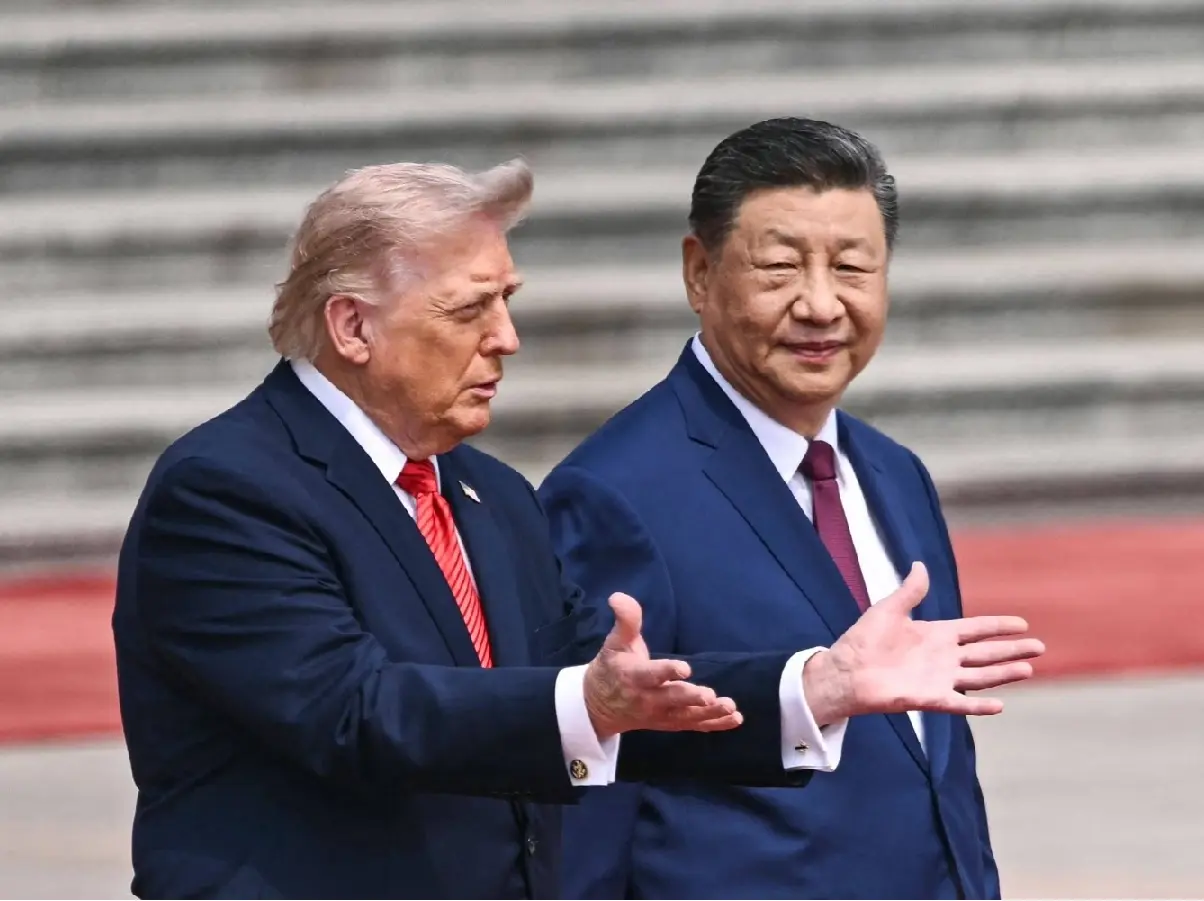
Trump-Xi summit: From trade to Taiwan, what will the US and Chinese presidents discuss in Washington?
)
Yemen clashes kill 154 people in two days as cornered Saudi battles Houthi offensive | Gravitas
)
Trump revives India-Middle East-Europe economic corridor as India emerges central to West Asia’s future: What is it?
)
US and China vie for AI dominance as calls grow for regulation | Gravitas
)
Anne Hathaway to run in supporting race for Nolan's epic
)
Over 4,200 books withdrawn from circulation in J&K colleges, 94% from Kashmir
)
Major League Soccer referee sacked for sexist comment about female match referee
&im=FitAndFill=(700,400))
New OTT releases this week (September 21-27, 2026): Shaque: Trust No One, Hunkkaar, Don’t Be Shy- 5 new titles coming to Netflix, Prime Video and more
)
Justice eludes Air India 1985 bombing victims as Canada probe goes 'inactive' | Gravitas
)
Explainer: Why rare-earth export licences and Board of Trade are US priorities ahead of Trump-Xi summit
)
WION Iconic Tourism Summit: Seychelles envoy says India partnership is important for Seychelles
)
WION Iconic Tourism Summit and Iconic Awards 2026: India's travel economy leaders gather in Delhi
)
IND vs JPN, one-off T20I: Japan captain Kendel on pushing India to the brink - ‘It was special’
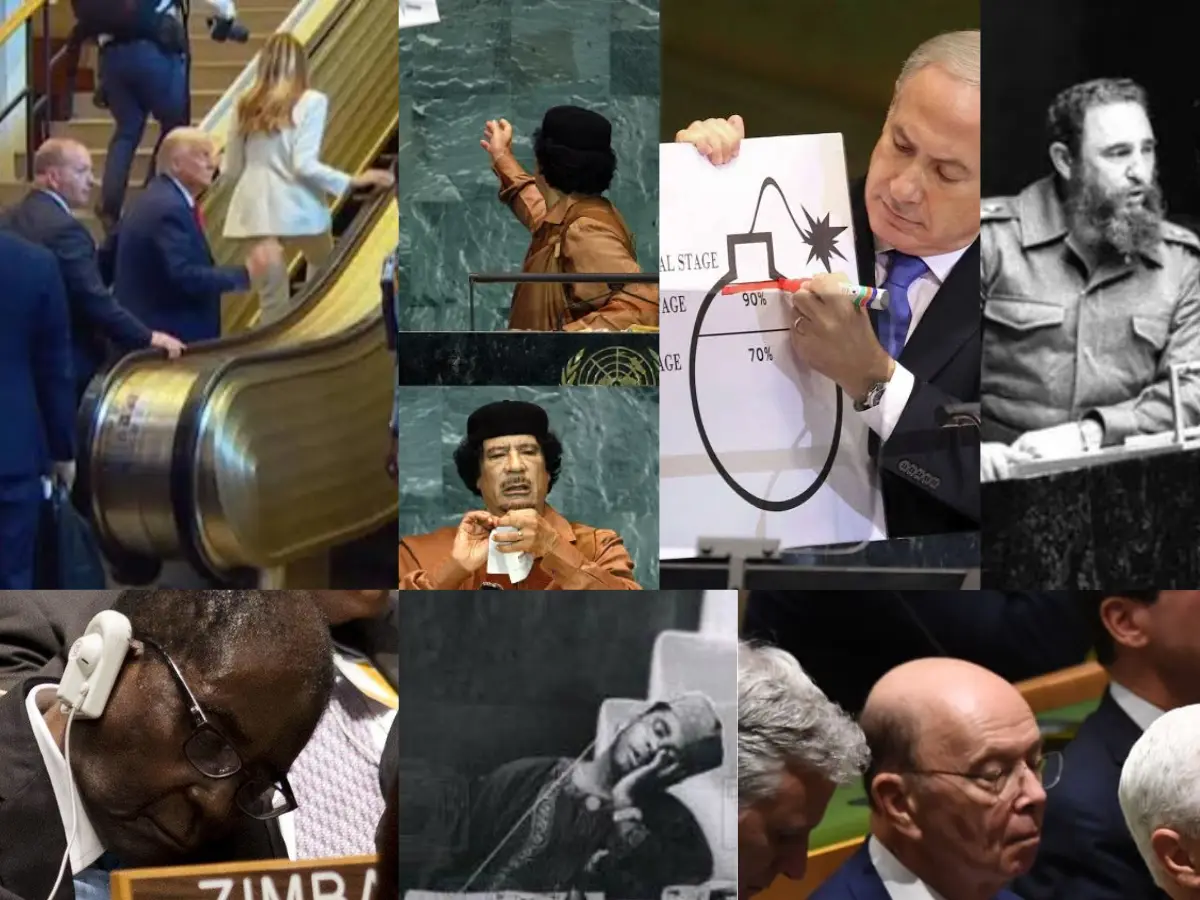)
From Gaddafi tearing up UN Charter to Trump’s ‘escalatorgate’: Most unforgettable UNGA moments
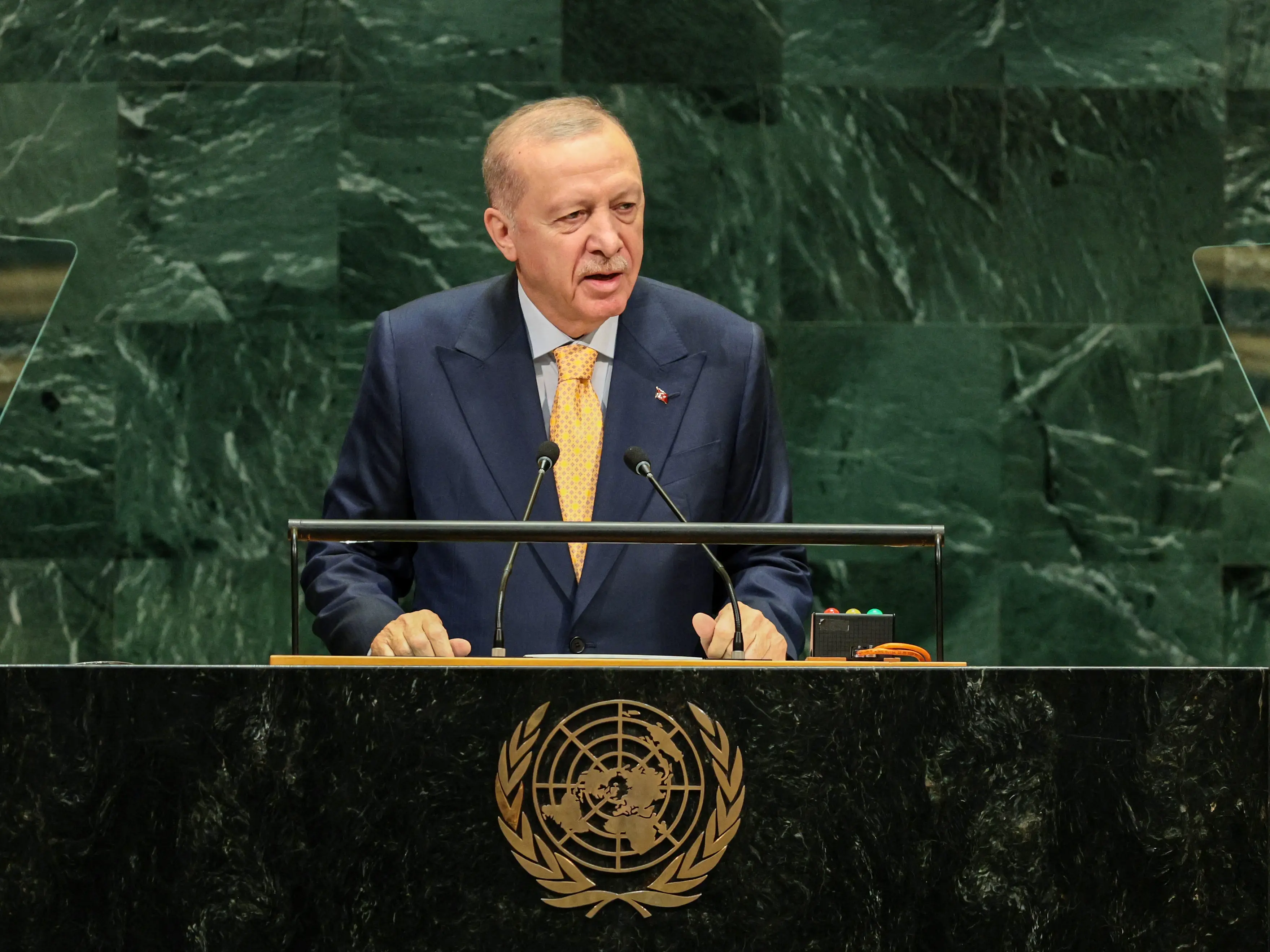)
Erdogan again raises Kashmir issue at UNGA, calls for dialogue under UN Charter
)
Trump calls on nations to quit ‘rogue’ and ‘out-of-control’ International Criminal Court, rips UN
)
WION Iconic Tourism Summit and Awards 2026: Key voices to discuss India’s tourism future
Around 688,000 Rohingya Muslims have fled from Rakhine to Bangladesh in recent months to escape an army crackdown following insurgent attacks on security forces.
"I think the Myanmar military is to blame a lot and the only person that can turn them around, I believe, is Aung SanSuuKyi, and she should start doing that," saidRichardson, a former USambassador to the United Nations under President Bill Clinton who has also worked as a mediator with North Korea.
Richardsonsaid he had informed the USambassador in Yangon and the State Department of his intention to resign but had not sought their guidance.
Richardsonsaid that before his trip to Myanmar, he spoke to USSecretary of State Rex Tillerson, who visited the country in November. "He called me and gave me a briefing on his visit and that was all," he told Reuters in a separate television interview.
A State Department spokesman said he could not immediately confirm details ofRichardson's contacts.
Furious Argument
A statement on Thursday from the nine remaining members of the advisory board said they met this week "with open minds" and rejectedRichardson's criticism that he feared the panel would be used as "a cheerleading squad".
RichardsonsaidSuuKyi's response at a Monday night dinner was "furious" when he brought up the case of two Reuters reporters, who were arrested on Dec. 12 on suspicion of violatingMyanmar'sOfficial Secrets Act.
"She was very angry with me when I raised releasing the journalists, giving them a fair trial," he said.
"She was upset when I said there should be an investigation of the mass-graves issue, that they had to increase their international support for the treatment of the Rohingyas, the terrible refugee crisis. She exploded. She was very unhappy, and it shows that she didn't want to hear frank advice."
Her office said it would not be commenting further on the exchange.
"We already published a statement and also the advisory board published a statement. The judge will decide whether the journalists committed the crime or not. It is Contempt of Court. Even in America, they wouldn't involve themselves in a case while the case is ongoing in a court hearing," said Zaw Htay,SuuKyi's spokesman.
Reporters Wa Lone, 31, and Kyaw Soe Oo, 27, had worked on Reuters coverage of the crisis in Rakhine.
Richardsonsaid it was important for Western governments, the United Nations andSuuKyito enter into a new dialogue "to try to help each other, not to keep fighting each other" before any thoughts of new sanctions on Myanmar.
"What we don't want is to have Aung SanSuuKyijust listen to ASEAN countries, China or Russia. They need engagement with the West. We're all former friends. She needs to change, and perhaps the West needs to give her another chance and not impose sanctions."
Myanmar'sarmed forces have been accused by Rohingya witnesses and human rights activists of carrying out killings, rapes and arson in Rakhine in a campaign senior officials in the United Nations and United States have described as ethnic cleansing. Myanmar rejects that label and has denied nearly all the allegations.
Bangladesh and Myanmar agreed earlier this month to complete the voluntary repatriation of all the refugees. The remaining members of the advisory board on Wednesday toured temporary camps the government has set up for returnees.
Richardsonsaid he did not believe conditions were yet right for the repatriation process to begin.
"I believe that the Myanmar government has emphasised speed instead of systems," he said. "There's been too much emphasis on quick results rather than assuring that safety is guaranteed."