Bangladesh’s crashed jet was a Chinese copy of MiG-21 - All about F-7 BGI aircraft that hit Dhaka college

&imwidth=600&imheight=450&format=webp&quality=medium "Bangladesh’s crashed jet was a Chinese copy of MiG-21 - All about F-7 BGI aircraft that hit Dhaka college")
F-7 BGI jet Photograph: (Bangladesh Defence)
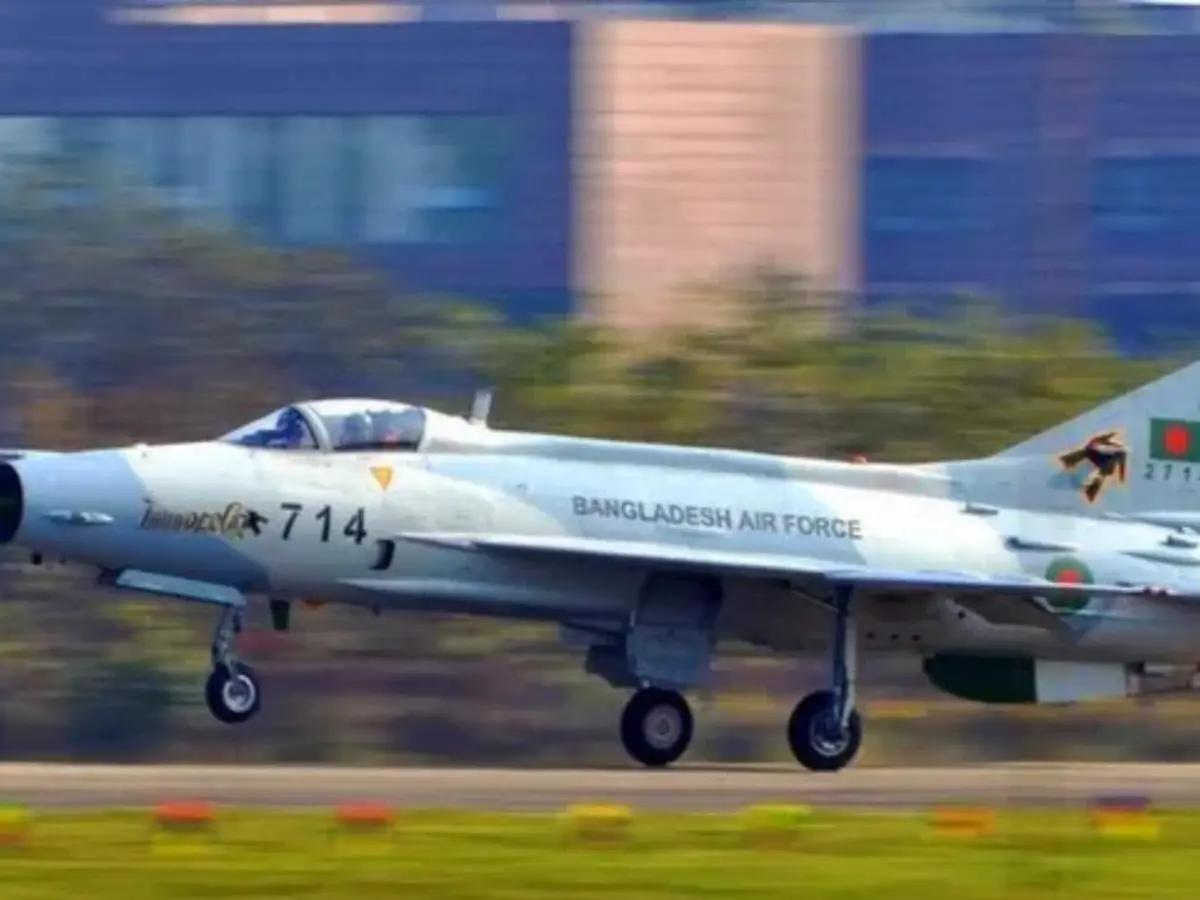
Bangladesh got 16 F-7 BGI jets between 2011 and 2013 as part of its effort to modernise its aging fleet. These aircraft are considered outdated, but the Bangladeshi government has still not discontinued the F-7 due to its low cost and reliability for pilot training.
A Bangladesh Air Force fighter jet crashed into a college building on Monday (July 21), killing at least 19 people and injuring 164 others. The Chinese-made F-7 BGI was on a routine training mission when it went down and hit Milestone School and College in Dhaka's Uttara. Along with 18 people, the pilot, identified as Flight Lieutenant Mohammed Toukir Islam, has also died.
The rescue operations are currently ongoing as eight units of the Fire Service, along with Bangladesh Army personnel, reached the spot. Moreover, two platoons from Border Guard Bangladesh (BGB) and the Navy have also joined the efforts in the crisis situation.
According to the footage captured, fire and black smoke emerged from the crash site. But what do we know about the made-in-China F-7 BGI plane?
Know about the F-7 BJI jet
The aircraft that crashed in Dhaka's college was an F-7 BGI, a Chinese-made fighter jet considered an advanced variant of the Chengdu J-7. Manufactured by China's Chengdu Aircraft Corporation, the jet was mainly used as an interceptor aircraft in various air forces around the world.
The J-7 is itself a Chinese clone of the Soviet-era MiG-21, which is one of the most mass-produced fighter aircraft in history. In 2013, as China discontinued the J-7 series, it began exporting the upgraded F-7 BGI version to countries like Bangladesh before that.
Trending Stories
&imwidth=280&imheight=210&format=webp&quality=medium)
&imwidth=280&imheight=210&format=webp&quality=medium)
&imwidth=280&imheight=210&format=webp&quality=medium)
&imwidth=280&imheight=210&format=webp&quality=medium)
&imwidth=280&imheight=210&format=webp&quality=medium)
&imwidth=280&imheight=210&format=webp&quality=medium)
&imwidth=280&imheight=210&format=webp&quality=medium)
&imwidth=280&imheight=210&format=webp&quality=medium)
&imwidth=280&imheight=210&format=webp&quality=medium)
&imwidth=280&imheight=210&format=webp&quality=medium)
&imwidth=280&imheight=210&format=webp&quality=medium)
&imwidth=280&imheight=210&format=webp&quality=medium)
&imwidth=280&imheight=210&format=webp&quality=medium)
&im=FitAndFill=(700,400)&imwidth=280&imheight=210&format=webp&quality=medium)
&imwidth=280&imheight=210&format=webp&quality=medium)
&imwidth=280&imheight=210&format=webp&quality=medium)
&imwidth=280&imheight=210&format=webp&quality=medium)
&imwidth=280&imheight=210&format=webp&quality=medium)
&imwidth=280&imheight=210&format=webp&quality=medium)
&imwidth=280&imheight=210&format=webp&quality=medium)
&imwidth=280&imheight=210&format=webp&quality=medium)
&imwidth=280&imheight=210&format=webp&quality=medium)
&imwidth=280&imheight=210&format=webp&quality=medium)
&imwidth=280&imheight=210&format=webp&quality=medium)
&imwidth=280&imheight=210&format=webp&quality=medium)
&imwidth=280&imheight=210&format=webp&quality=medium)
&imwidth=280&imheight=210&format=webp&quality=medium)
&imwidth=280&imheight=210&format=webp&quality=medium)
&imwidth=280&imheight=210&format=webp&quality=medium)
&imwidth=280&imheight=210&format=webp&quality=medium)
&imwidth=280&imheight=210&format=webp&quality=medium)
&imwidth=280&imheight=210&format=webp&quality=medium)
&imwidth=280&imheight=210&format=webp&quality=medium)
&imwidth=280&imheight=210&format=webp&quality=medium)
&imwidth=280&imheight=210&format=webp&quality=medium)
Bangladesh got 16 F-7 BGI jets between 2011 and 2013 as part of its effort to modernise its aging fleet. The F-7 BGI had a KLJ-6F radar system that allowed it to spot targets at a distance of more than 86 km. Moreover, the plane can track six targets and engage two simultaneously.
However, these aircraft are considered outdated as per the global standards, but the Bangladeshi government has still not discontinued the F-7 due to its low cost and reliability for pilot training.
These jets have a full glass cockpit with three multi-function displays, three multifunctional heads-up displays, and hands-on throttle-and-stick controls. All this further helps the pilot to improve his situational awareness.
