SpaceX’s Starship, world's biggest rocket, explodes minutes into test flight


Starship launched
SpaceX's Starship created history Thursday, as the most powerful rocket ever built lifted off on its first test flight. The spacecraft has been designed to send astronauts to the Moon, Mars and beyond. However, the rocket exploded during itsfirst-stage separation.The Starship capsule had been scheduled to separate from the first-stage rocket booster three minutes into the flight but separation failed to occur and the rocket blew up.
The giant rocket blasted off in a ball of fire at 8:33 am Central Time (7:03 pm IST) from Starbase, the SpaceX spaceport in Boca Chica, Texas.
"As if the flight test was not exciting enough, Starship experienced a rapid unscheduled disassembly before stage separation," SpaceX tweeted.

However, despite the test launch ending in an explosion,SpaceX declared it a success.
"We cleared the tower which was our only hope," said Kate Tice, a SpaceX quality systems engineer.
&imwidth=180&imheight=135&format=webp&quality=medium)
Asian Para Games: Nishad Kumar clinches T47 long jump gold; Ravi Budigina bags swimming silver
&imwidth=180&imheight=135&format=webp&quality=medium)
NFl 2026/27 - Saints vs Steelers to go ahead in Paris next week despite protest
&imwidth=180&imheight=135&format=webp&quality=medium)
US to review Russia sanctions waiver within 60 days as Rubio cites India’s ‘substantial’ Russian energy imports
&imwidth=180&imheight=135&format=webp&quality=medium)
Researchers name newly discovered Andean plant after Argentina legend Lionel Messi
&imwidth=180&imheight=135&format=webp&quality=medium)
PCB omits Atherton, Hussain from tri-series commentary panel over Imran Khan interview row
&imwidth=180&imheight=135&format=webp&quality=medium)
India moves to buy 10,000 more AI chips for a national compute pool open to startups
&imwidth=180&imheight=135&format=webp&quality=medium)
Girl 'dead' for 8 hours wakes up at her own funeral, dad insists she wasn't breathing
&imwidth=180&imheight=135&format=webp&quality=medium)
Anirudh Ravichander-Kavya Maran wedding: Telangana CM reveals Chennai reception date
&imwidth=180&imheight=135&format=webp&quality=medium)
Putin wants joint meeting with Trump-Xi summit on Ukraine war, proposes talks alongside APEC: Report
&im=FitAndFill=(700,400)&imwidth=180&imheight=135&format=webp&quality=medium)
New OTT releases this week (October 19-25, 2026): Gajab Raat to Chaar Yaar-8 titles to watch during Dussehra week on Netflix, Prime Video and more
&imwidth=180&imheight=135&format=webp&quality=medium)
'Grassroots leagues help bridge the gap': India's ODI WC winner Suresh Raina lauds ISCL ahead of Season 2
&imwidth=180&imheight=135&format=webp&quality=medium)
'We feel like Mr India': Gujarat’s undercover SHE team guard garba nights at Navratri
&imwidth=180&imheight=135&format=webp&quality=medium)
Saudi Arabia asks skyscraper employees to work from home amid Houthi threats
&imwidth=180&imheight=135&format=webp&quality=medium)
4 killed, 19 critically injured in grass fire at Canada's largest military base
&imwidth=180&imheight=135&format=webp&quality=medium)
Lawrence Bishnoi gang claims responsibility for firing at Tiger Shroff over ties to Salman Khan
&imwidth=180&imheight=135&format=webp&quality=medium)
Why France looks the most fragile in the G7 amid protests and budget deadlock
&imwidth=180&imheight=135&format=webp&quality=medium)
Priest dies after crucifix falls on his head during livestreamed Mass in Ecuador | VIDEO
&imwidth=180&imheight=135&format=webp&quality=medium)
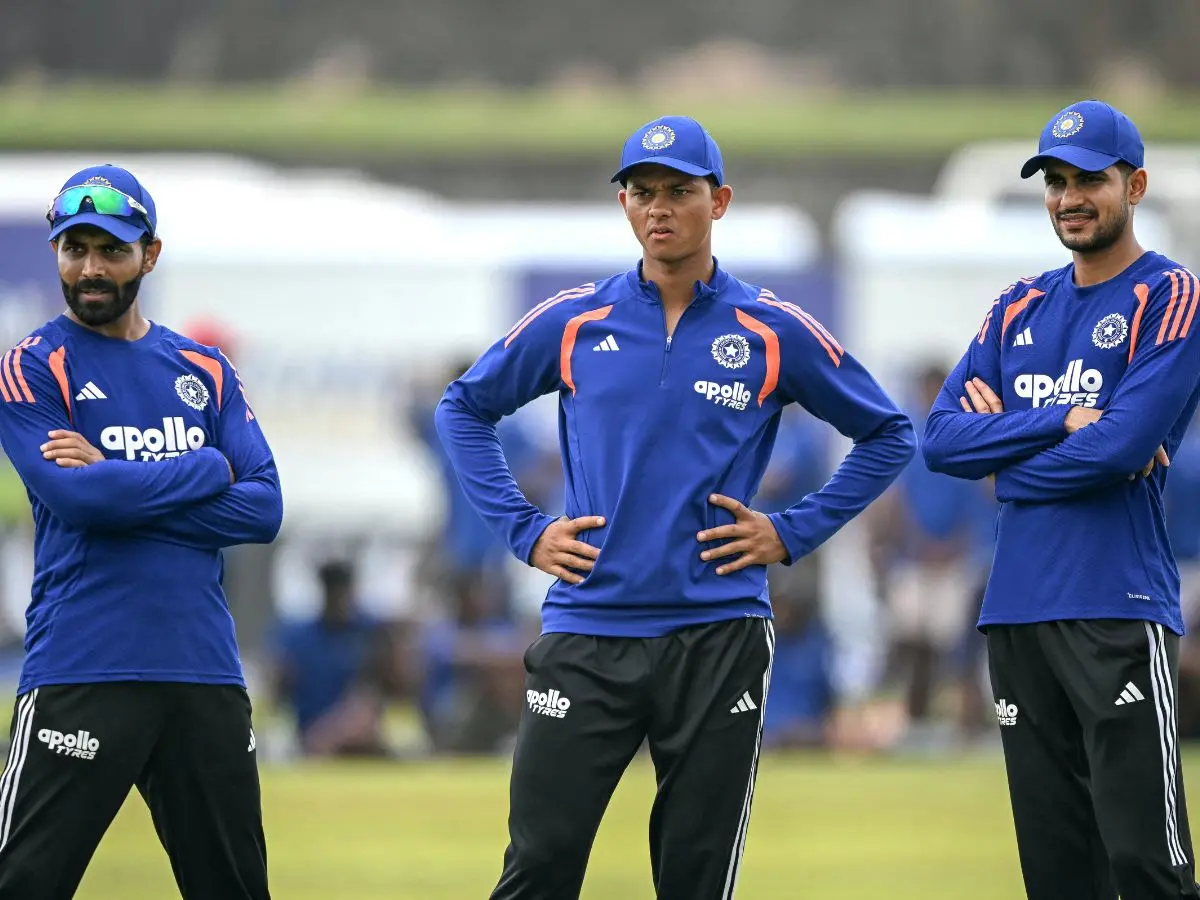
No Ravindra Jadeja, Yashasvi Jaiswal in India’s 2027 ODI World Cup plans: Report
&imwidth=180&imheight=135&format=webp&quality=medium)
Elon Musk features on Lucknow's 'anti-India' Ravan poster alongside Rahul Gandhi, Akhilesh
&im=FitAndFill=(700,400)&imwidth=180&imheight=135&format=webp&quality=medium)
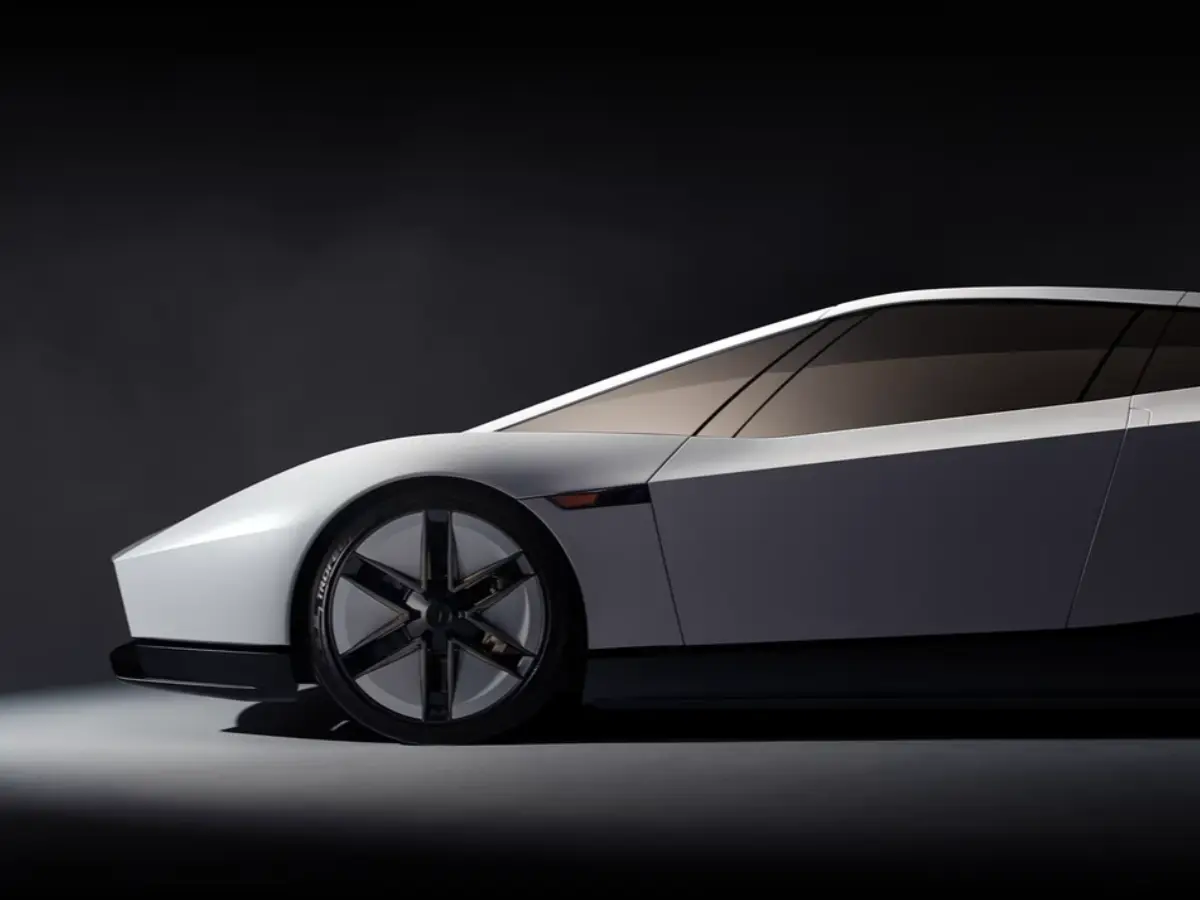
Tesla Roadster engineering: The hidden hardware behind its flying demonstration
&imwidth=180&imheight=135&format=webp&quality=medium)
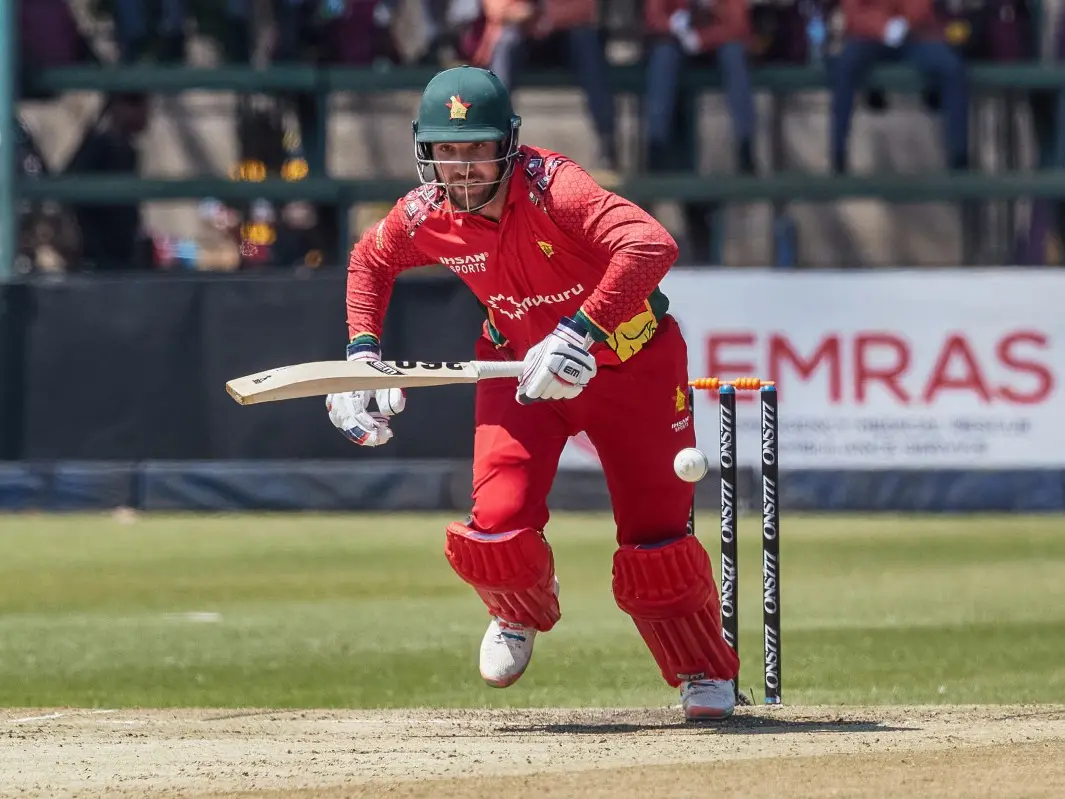
Brendan Taylor overtakes Andy Flower to become Zimbabwe’s leading ODI run-scorer
&imwidth=180&imheight=135&format=webp&quality=medium)
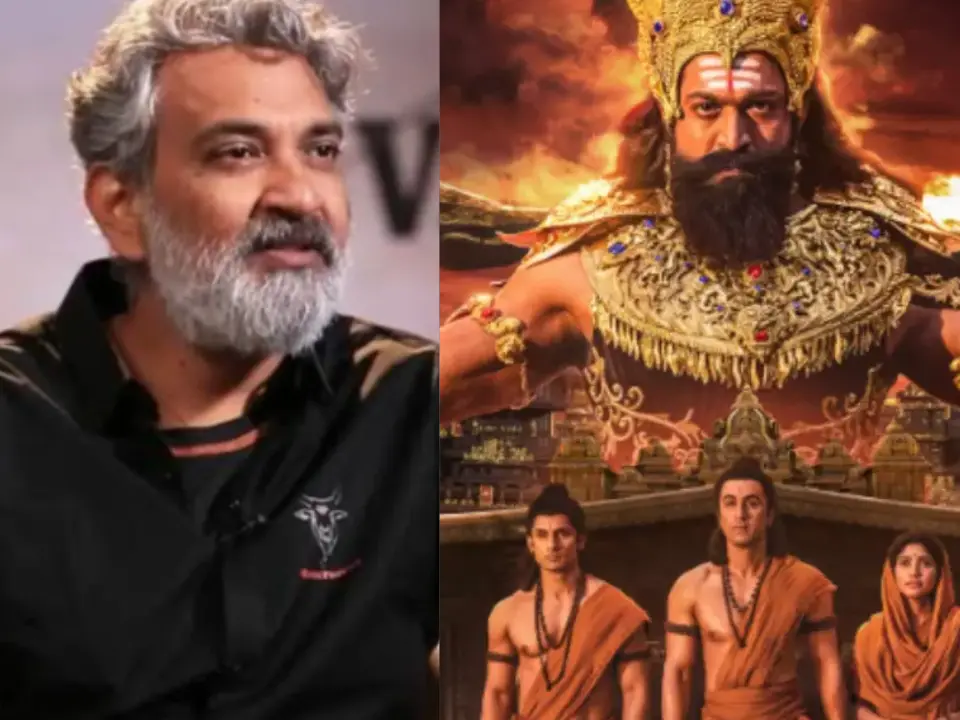
'It's a joy to see the makers bring it on such a grand scale': SS Rajamouli on Ramayana
&imwidth=180&imheight=135&format=webp&quality=medium)
China responds to Trump's Press Secretary Katie Zacharia after toilet remark: 'Visit China more often'
&imwidth=180&imheight=135&format=webp&quality=medium)
MI5 is opening an AI threat centre, and OpenAI just told MPs the worst isn't over
&im=FitAndFill=(700,400)&imwidth=180&imheight=135&format=webp&quality=medium)
Ghaziabad is world's fastest-growing city; Surat, Patna, Rajkot also feature on list
&imwidth=180&imheight=135&format=webp&quality=medium)
Anthropic’s public benefit plan: What its 5% share commitment means for AI’s future
&imwidth=180&imheight=135&format=webp&quality=medium)
Cattle-feed bran in biscuits, detergent in milk: FSSAI acts against 3 companies
&imwidth=180&imheight=135&format=webp&quality=medium)
Flying car race: Alef Aeronautics welcomes Tesla Roadster '11 years' later, but are the two models the same?
&imwidth=180&imheight=135&format=webp&quality=medium)
Kylie Jenner makes Victoria’s Secret debut in $50 million diamond-encrusted design as Timothée Chalamet cheers
&imwidth=180&imheight=135&format=webp&quality=medium)
Shastri backs Shami comeback; lauds Bhuvi and warns Bumrah on format workload ahead of World Cup
&imwidth=180&imheight=135&format=webp&quality=medium)
After Kennedy Center and reflecting pool disputes, Trump turns to Washington golf course plan amid legal battle
&imwidth=180&imheight=135&format=webp&quality=medium)
Nobel laureate Machado, who dedicated prize to Trump, confirmed as Venezuela opposition leader
&imwidth=180&imheight=135&format=webp&quality=medium)
Karan Johar reimagines Student Of The Year with thriller series After Dark, Shanaya Kapoor to debut on OTT
&imwidth=180&imheight=135&format=webp&quality=medium)
Netanyahu rival Benny Gantz quits Israel election race, vows to push for unity government
"With a test like this, success comes from what we learn, and today’s test will help us improve Starship’s reliability as SpaceX seeks to make life multi-planetary," SpaceX tweeted.
SpaceX CEO, Elon Musk, congratulated the entire team on the launch and said that it provided valuable insights for the next test launch.
The test launch was initially supposed to take place on Monday, but had to be postponed at the last minute due to a "technological issue".SpaceX had to call off the test with nine minutes left on the countdown clock. The issue cited was a pressurization problem apparently caused by a frozen valve.
If all had gone well with the rocket on Thursday,Booster 7 would havesplashed down in the Gulf of Mexico eight minutes after the launch. Meanwhile, Ship 24 was supposed to enter space and make a partial circuit ofEarth. Later, it was to splash down in the Pacific Ocean near Hawaii 90 minutes after liftoff.
Starship consists of a 164-foot tall spacecraft that has been designed to carry crew and cargo that sits atop a 230-foot tall first-stage Super Heavy booster rocket. The two-stage rocketship stoodtaller than the Statue of Liberty at 394 feet.
The massive rocket marks a milestone in SpaceX's ambition to send humans back to the moon.A successful test-firing of the 33 Raptor engines on the first-stage booster was conducted in February but the Starship spacecraft and the Super Heavy rocket had never flown together. The test flight aimedto test their performance in combination.
Musk had earlier warned that technical issues were likely and sought to play down expectations for the inaugural test flight.
"It's a very risky flight," he said. "It's the first launch of a very complicated, gigantic rocket.
"There's a million ways this rocket could fail," Musk said.
NASA aims to use the Starship spacecraft to ferry astronauts to the Moon in late 2025 under its mission Artemis III. This will be the first time that men will go to the moon since the Apollo programme ended in 1972.
Before Artemis III, there is Artemis II which will take astronauts around lunar orbit in November 2024. The agency will use its own heavy rocket called the Space Launch System (SLS) for it, which has been in development for more than a decade.
Starship is both bigger and more powerful than SLS and can lift a payload of more than 100 metric tonnes into orbit.
(With inputs from agencies)
WATCH WION LIVE HERE
You can now write for wionews.com and be a part of the community. Share your stories and opinions with us here.

