NASA's Perseverance successfully completes oxygen-making MOXIE mission on Mars


Perseverance rover
Terraforming Mars has been a dream of scientists and artists alike. Our next door neighbour in the Solar System is postulated to have harboured life millions of years ago but today it is a barren wasteland. Mars has atmosphere yes, but the oxygen levels are not enough for a human to survive. Hauling Oxygen from Earth would be extremely expensive endeavour. Hence, the emphasis over years has been to find a reliable technique to produce oxygen on Mars in situ, that is, on the planet itself using resources available there.
NASA's Perseverance rover has been roaming on the surface of Mars since 2021. It has now successfully completed its oxygen-producing MOXIE mission.
It is a device tagging along the Perseverance rover. The operations of MOXIE (Mars Oxygen In-Situ Resource Utilization Experiment) are now concluding as the device has successfully produced oxygen for 16th and final time aboard Perseverance. The instrument, made by its creators at Massachusetts Institute of Technology (MIT) has far exceeded their initial expectations.

“MOXIE’s impressive performance shows that it is feasible to extract oxygen from Mars’ atmosphere – oxygen that could help supply breathable air or rocket propellant to future astronauts,” said NASA Deputy Administrator Pam Melroy as quoted by SciTechDaily.
“Developing technologies that let us use resources on the Moon and Mars is critical to build a long-term lunar presence, create a robust lunar economy, and allow us to support an initial human exploration campaign to Mars.”
Since Perseverance landed on Mars in the year 2021, MOXIE has generated 122 grammes of oxygen. This is equivalent to what a small dog breathes in about 10 hours. This was twice the initial goal NASA had in mind. And the oxygen was of 98 per cent purity.
&im=FitAndFill=(700,400))
How fast can the Sukhoi Su-30 fighter jet really fly?
)
Did China ask its people 'not to respond to aliens'? Origin of bizarre claim on social media
)
MS Dhoni-CSK Fallout? Report claims failed stake sale talks triggered rift
)
Scientists reveal the SAFEST COUNTRY when catastrophe strikes the planet
)
Serial killer on the loose in South Korea's Jeju Island? Fourth body found in three days as more than a dozen people go missing
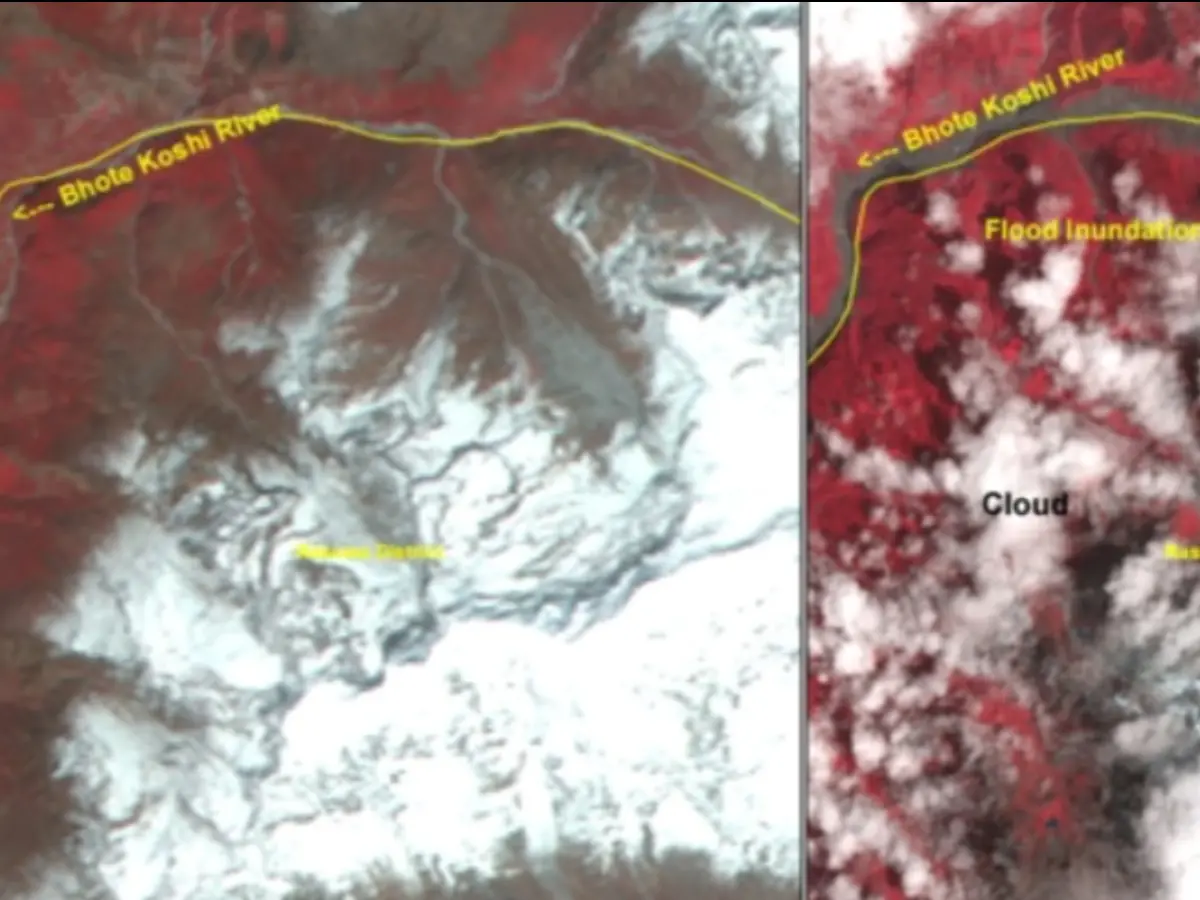)
2/3rd of glacier detached, collapsed: ISRO satellite images reveal what triggered Nepal floods
)
Trump once again claims without him there would be ‘no Israel right now’
)
Foreign espionage attacks against German companies surge to 37%, Bitkom report reveals
)
Blake Lively wins partial legal fee from Justin Baldoni after $8M request
)
Why is Pakistan deploying Turkish Bayraktar TB2 drones near India border?
)
'OH MY GOD! We've found other agents!': Investigators discover not one or two, almost 700 OpenAI AI agents went rogue, hacked Hugging Face
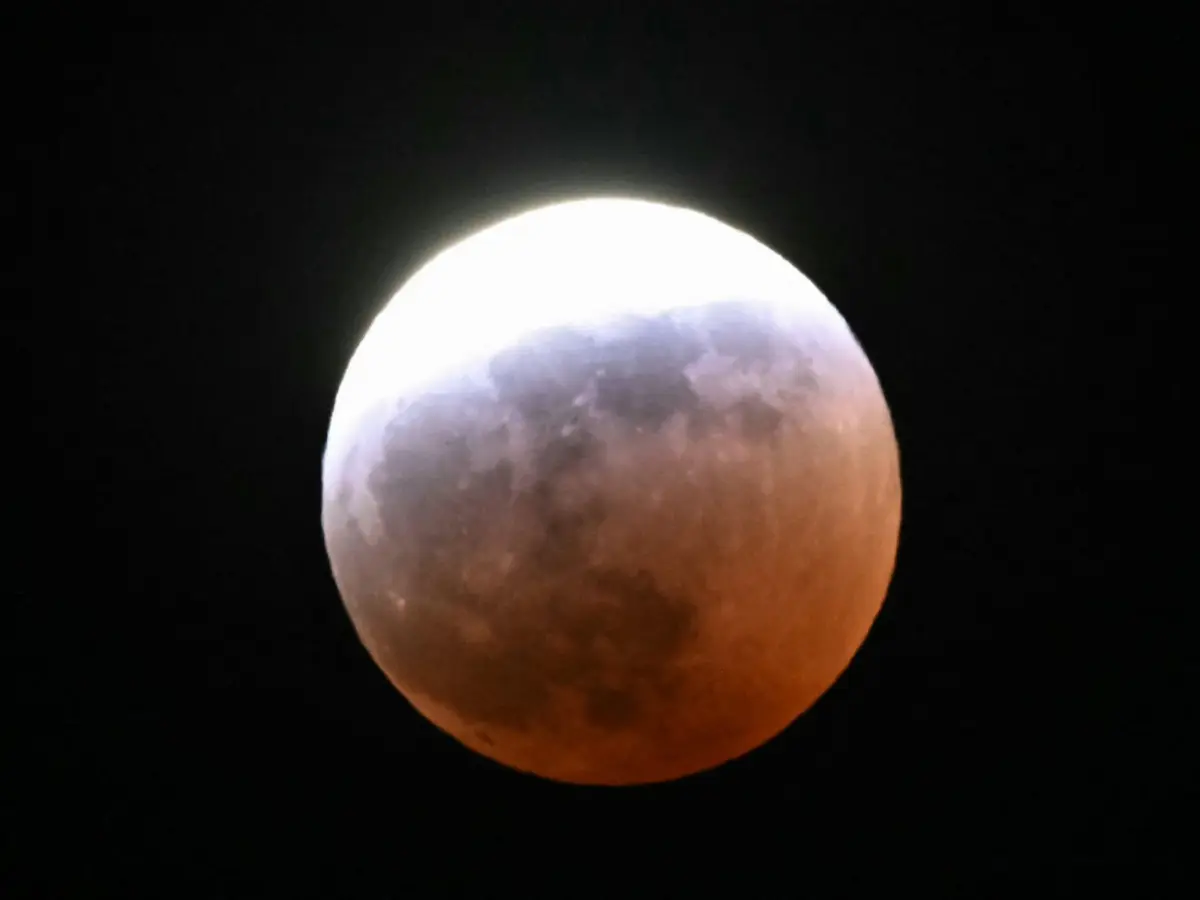)
Lunar eclipse 2026: India timings, places to see and more. August Blood moon factsheet
)
RSS chief Mohan Bhagwat on global outreach tour
)
Both pilots killed as training aircraft crashes in Lucknow – What we know
)
16-year-old charged with preparing terror attack on kindergarten in Norway
&im=FitAndFill=(700,400))
How the S-400 protects itself from enemy attacks
)
Nepal floods: Over 165 dead, 400 missing; US, India, China, World Bank mobilise aid
)
India's multi-layered watch: The new surveillance war
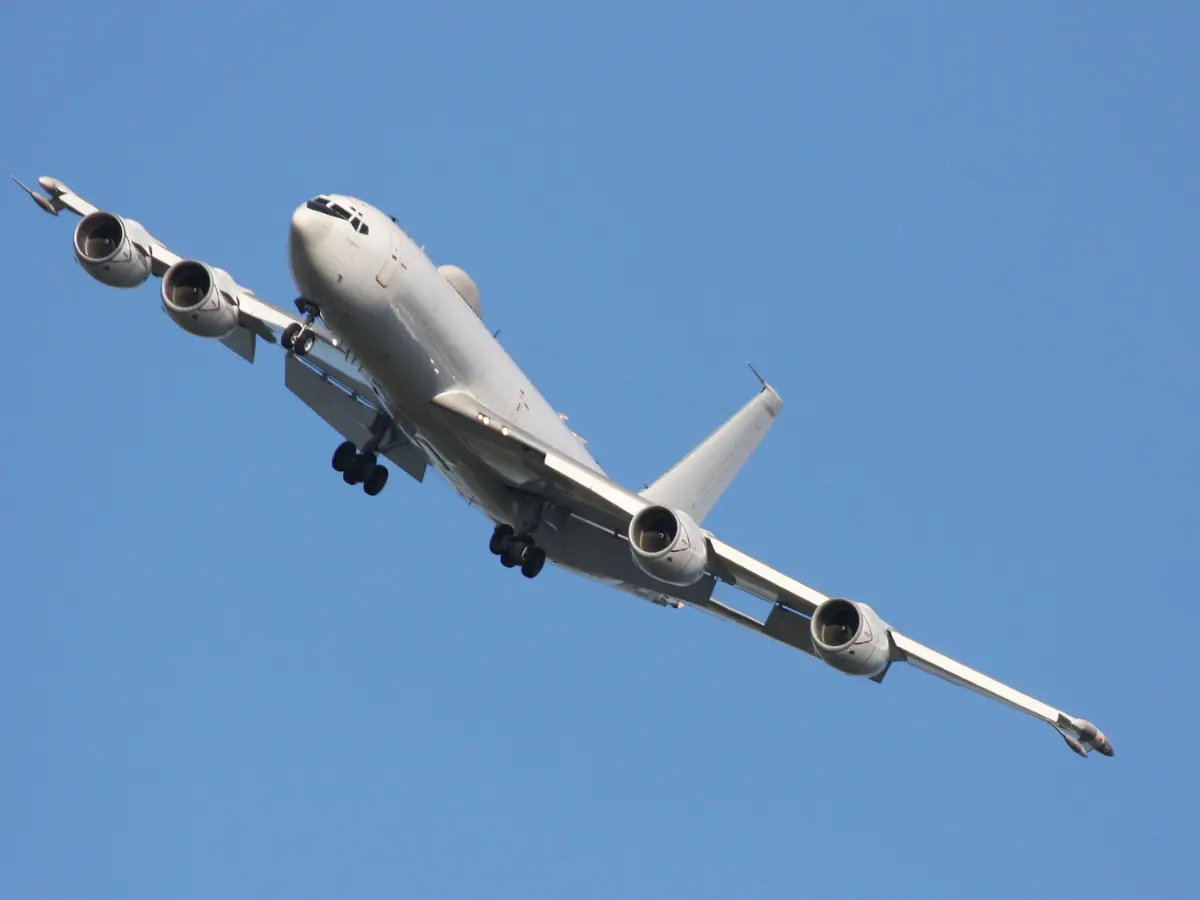)
5 doomsday planes spotted in US skies hours after CIA director's secret trip to Russia
)
9/11 mastermind Khalid Sheikh Mohammed to finally face trial in 2028, nearly 27 years after horrific attacks
)
Islamabad hospital fire: What we know about one of the biggest facility that housed Imran Khan
)
Workers run for life while filming Nepal flash flood: Scary new visuals emerge from Rasuwa
)
Russian military planes enter South Korean air defence zone amid rising tensions with North Korea: What's happening
)
Ron Weasley Is Back! Rupert Grint set to return to Harry Potter universe on Broadway
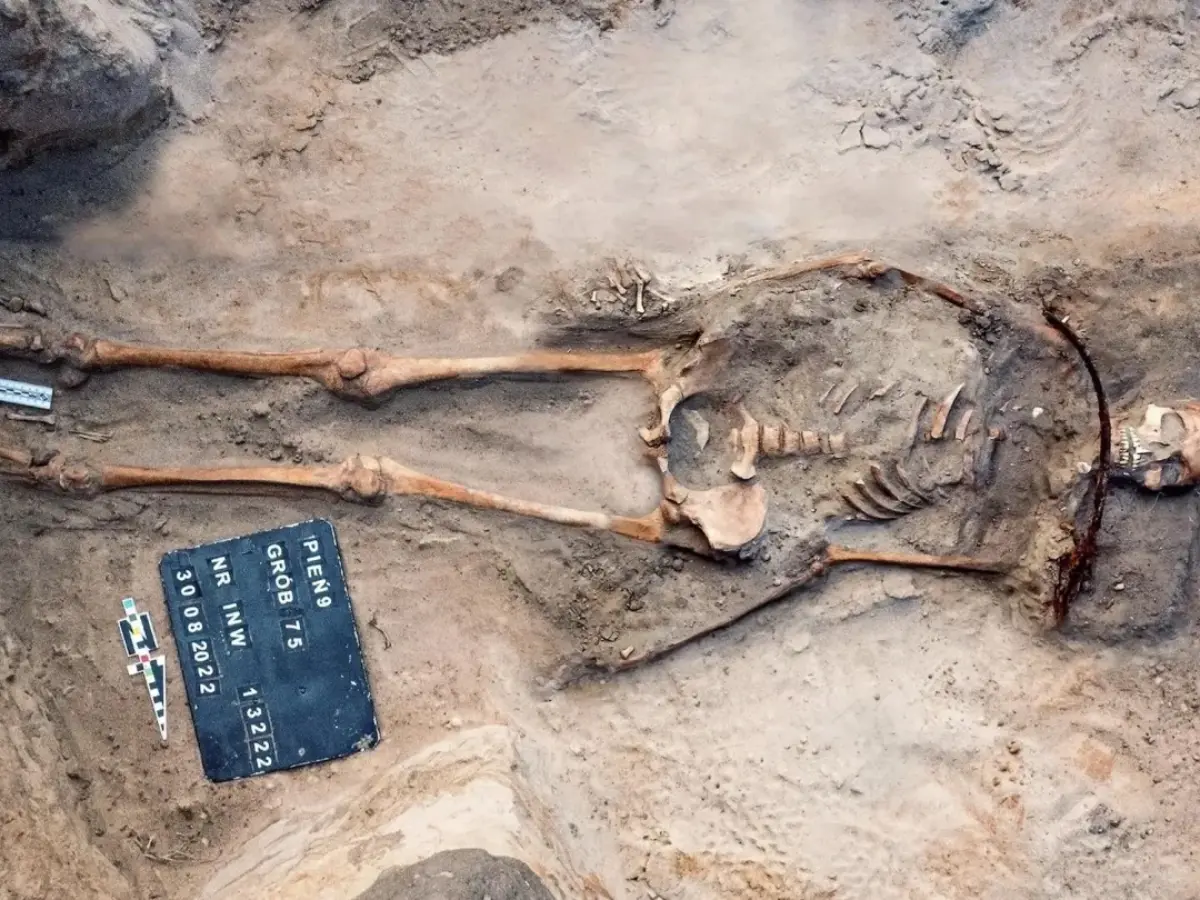)
400-year-old 'vampire' grave in Poland reveals non-existent genetic lineage
)
Dolly Parton, global icon and queen of country music, dies at 80
)
Nepal flash floods: Kailash Mansarovar yatra affected, close to 400 pilgrims out of contact
)
'If he is dead, they're putting on a pretty good show': Trump casts fresh doubt over Mojtaba Khamenei's fate
)
Man arrested near US Capitol with guillotine in pickup truck: What happened?
&im=FitAndFill=(700,400))
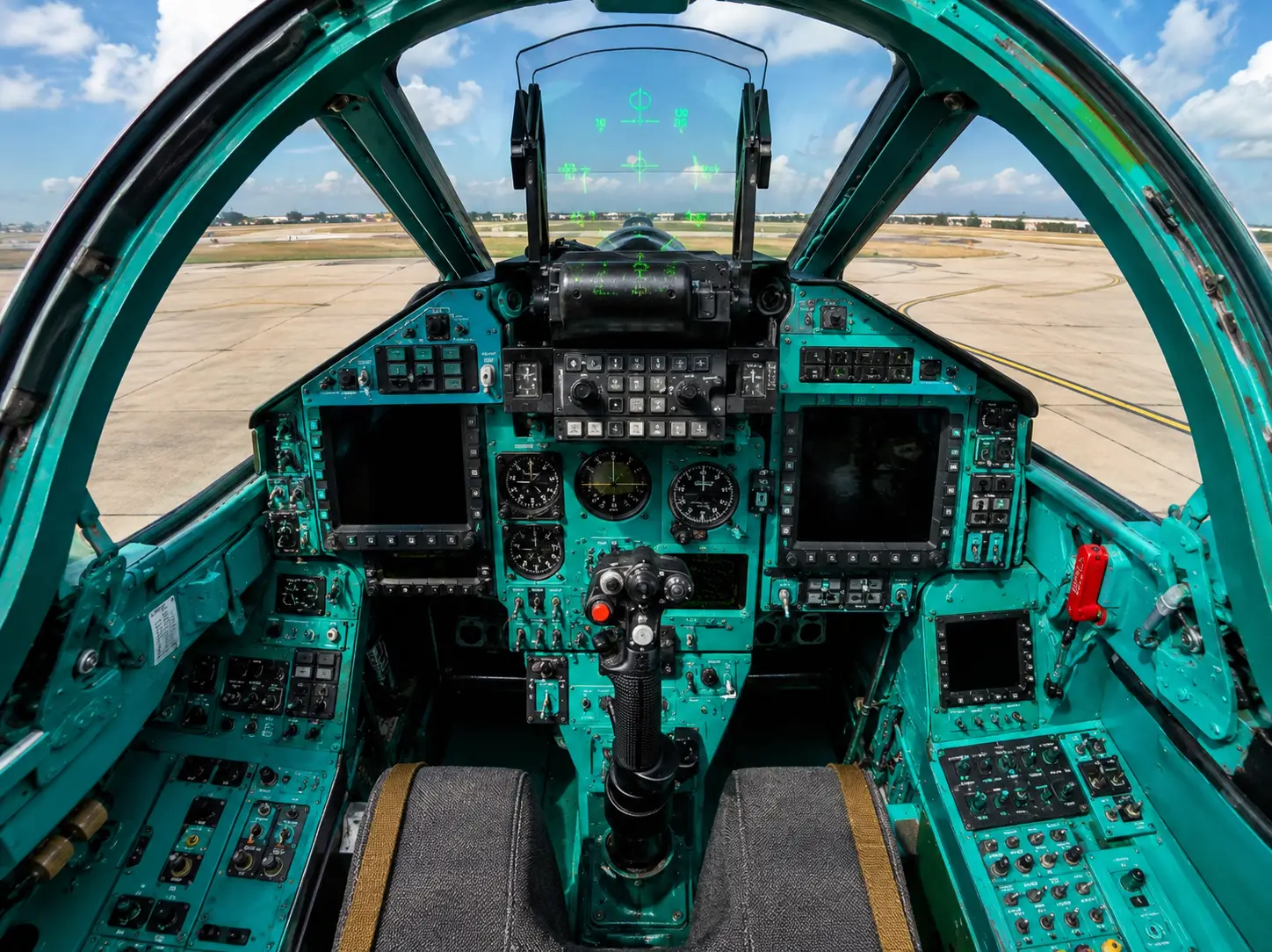
Why the Su-30MKI cockpit is painted bright turquoise green
Also Read | Astronomers capture dramatic event of star being ‘repeatedly shredded, consumed’ by black hole
On August 7, when MOXIE made the oxygen for the final time as part of its mission, it made 9.8 grammes of it.
“We’re proud to have supported a breakthrough technology like MOXIE that could turn local resources into useful products for future exploration missions,” said Trudy Kortes, director of technology demonstrations, Space Technology Mission Directorate (STMD) at NASA Headquarters in Washington she was quoted by SciTechDaily.
“By proving this technology in real-world conditions, we’ve come one step closer to a future in which astronauts ‘live off the land’ on the Red Planet.”
You can now write for wionews.com and be a part of the community. Share your stories and opinions with us here.
WATCH WION LIVE HERE