Is Ozone layer healing? Report suggests recovery of layer back to 1980 levels by mid-century

&imwidth=600&imheight=450&format=webp&quality=medium "Is Ozone layer healing? Report suggests recovery of layer back to 1980 levels by mid-century")
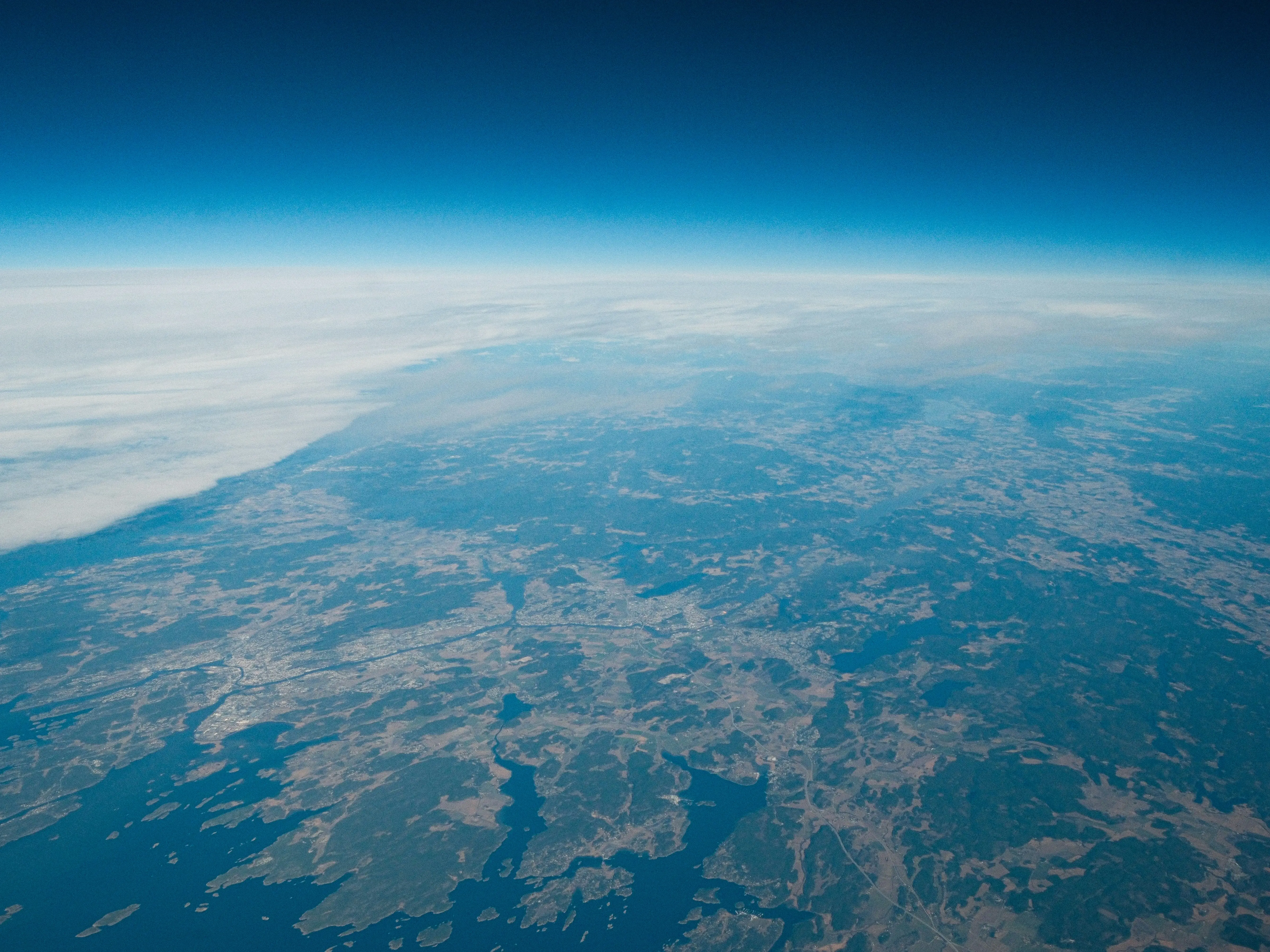
Representational Image. Photograph: (Unsplash)
As per the report by the WMO and UNEP, the layer is projected to return to 1980s levels by mid-century, reducing risks of UV-related health and environmental damage.
The World Meteorological Organisation (WMO) has reported that the Earth's protective ozone layer is on track to recover to 1980s levels by mid-century, with the Antarctic ozone hole in 2024 recorded as smaller than in recent years. According to the WMO Ozone Bulletin 2024, the reduced depletion is partly due to natural atmospheric variations, but overall progress highlights the effectiveness of the global effort to protect the ozone.
How is the Ozone layer healing?
The ozone layer is steadily healing because of the Montreal Protocol (1987), which helped in phasing out 99% of ozone-depleting chemicals like CFCs. According to the WMO and UNEP, the layer is projected to return to 1980s levels by mid-century, reducing risks of UV-related health and environmental damage.
The report released on World Ozone Day also coincided with the 40th anniversary of the Vienna Convention, the landmark agreement that paved the way for international cooperation on ozone protection. "Forty years ago, nations came together to take the first step in protecting the ozone layer, guided by science, united in action," said UN Secretary-General Antonio Guterres, according to WMO Ozone Bulletin.
"The Vienna Convention and its Montreal Protocol became a landmark of multilateral success. Today, the ozone layer is healing. This achievement reminds us that when nations heed the warnings of science, progress is possible," he also said.
Over 99% of controlled ozone-depleting substances have already been phased out by the Montreal Protocol. These substances were widely used in refrigeration, air conditioning, firefighting foam and hairspray. Following the phased ozone-depleting substances, the layer is likely to recover to 1980s levels by mid-century. It will reduce risks of skin cancer, cataracts, and ecosystem damage, the WMO bulletin said.
Trending Stories
&imwidth=280&imheight=210&format=webp&quality=medium)
&imwidth=280&imheight=210&format=webp&quality=medium)
&imwidth=280&imheight=210&format=webp&quality=medium)
&imwidth=280&imheight=210&format=webp&quality=medium)
&imwidth=280&imheight=210&format=webp&quality=medium)
&imwidth=280&imheight=210&format=webp&quality=medium)
&imwidth=280&imheight=210&format=webp&quality=medium)
&imwidth=280&imheight=210&format=webp&quality=medium)
&imwidth=280&imheight=210&format=webp&quality=medium)
&imwidth=280&imheight=210&format=webp&quality=medium)
&imwidth=280&imheight=210&format=webp&quality=medium)
&imwidth=280&imheight=210&format=webp&quality=medium)
&imwidth=280&imheight=210&format=webp&quality=medium)
&imwidth=280&imheight=210&format=webp&quality=medium)
&imwidth=280&imheight=210&format=webp&quality=medium)
&imwidth=280&imheight=210&format=webp&quality=medium)
&imwidth=280&imheight=210&format=webp&quality=medium)
&imwidth=280&imheight=210&format=webp&quality=medium)
&imwidth=280&imheight=210&format=webp&quality=medium)
&imwidth=280&imheight=210&format=webp&quality=medium)
&imwidth=280&imheight=210&format=webp&quality=medium)
&imwidth=280&imheight=210&format=webp&quality=medium)
&imwidth=280&imheight=210&format=webp&quality=medium)
&imwidth=280&imheight=210&format=webp&quality=medium)
&imwidth=280&imheight=210&format=webp&quality=medium)
&imwidth=280&imheight=210&format=webp&quality=medium)
&im=FitAndFill=(700,400)&imwidth=280&imheight=210&format=webp&quality=medium)
&im=FitAndFill=(700,400)&imwidth=280&imheight=210&format=webp&quality=medium)
&imwidth=280&imheight=210&format=webp&quality=medium)
&imwidth=280&imheight=210&format=webp&quality=medium)
&imwidth=280&imheight=210&format=webp&quality=medium)
&imwidth=280&imheight=210&format=webp&quality=medium)
&imwidth=280&imheight=210&format=webp&quality=medium)
&imwidth=280&imheight=210&format=webp&quality=medium)
"The theme for World Ozone Day is From Science to Global Action. It mirrors WMO's 75th anniversary slogan, Science for Action. This is no coincidence," said WMO Secretary-General Celeste Saulo.
Need of the hour
Matt Tully, Chair of WMO's Scientific Advisory Group on Ozone and Solar UV Radiation, stated that even after the success of the Montreal Protocol in helping reduce the depletion of the ozone layer, there remain several essential needs to be systematically monitored.
"Despite the great success of the Montreal Protocol in the intervening decades, this work is not yet finished, and there remains an essential need for the world to continue careful systematic monitoring of both stratospheric ozone and of ozone-depleting substances and their replacements, "Tully said.
The WMO reported that overall stratospheric ozone levels were greater in 2024 compared to previous years. The Antarctic ozone hole reached its peak on September 29, with a maximum ozone mass deficit of 46.1 million tonnes—smaller than the extensive holes recorded between 2020 and 2023.
This year, the depletion began later than usual in September and was followed by a swift recovery. "This persistent later onset has been identified as a robust indication of initial recovery of the Antarctic ozone hole," the bulletin said.

