How satellite launches are accidentally 'geoengineering' our atmosphere

&imwidth=600&imheight=450&format=webp&quality=medium "How satellite launches are accidentally 'geoengineering' our atmosphere")
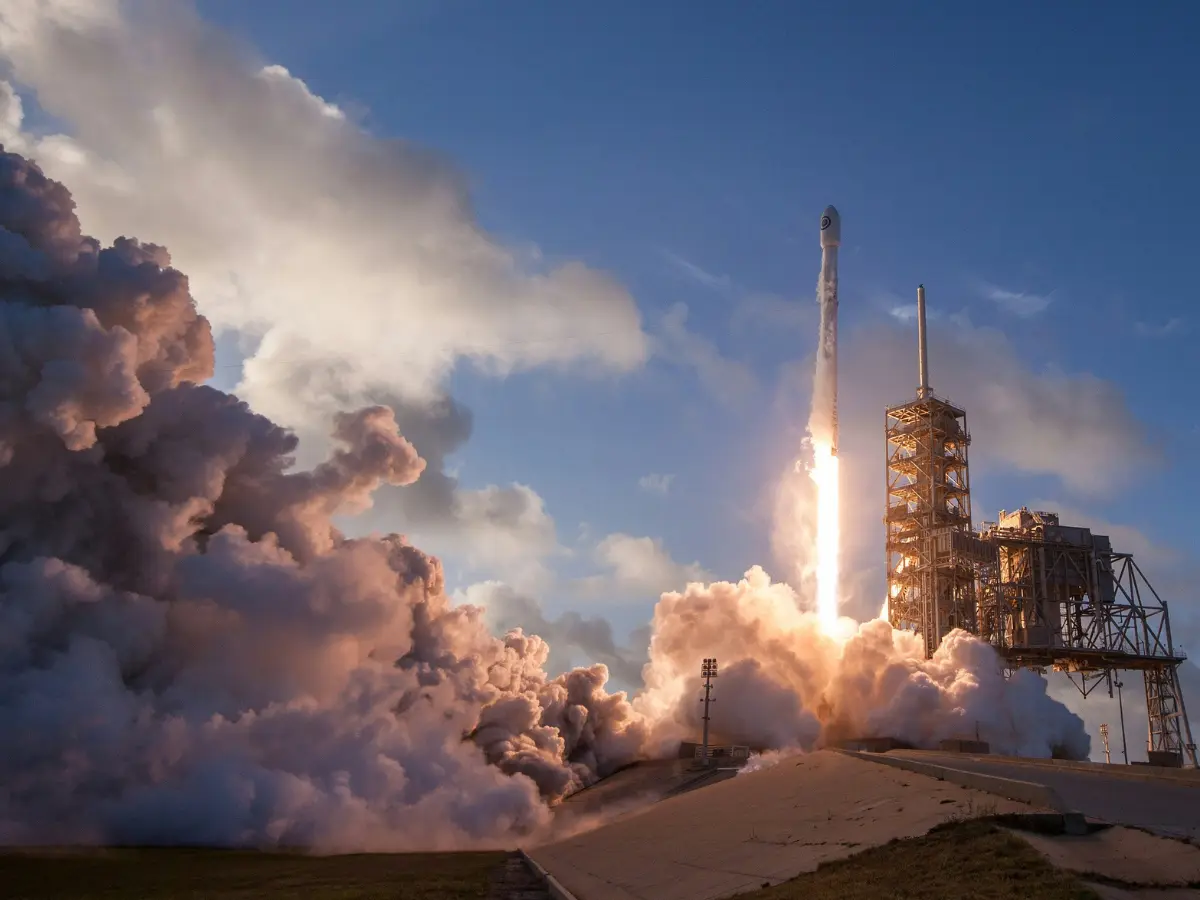
SpaceX Starlink launches are creating a pollution problem. Photograph: (SpaceX)
Satellite megaconstellations are creating a problem for the environment, creating a high-altitude pollution problem that mimics an unregulated geoengineering experiment. Researchers used real-world atmospheric data from NOAA’s SABRE aircraft campaign to validate their models.
A study has painted a worrying picture created by the multiple rocket launches, with the fuel being used as the main problem, Universe Today reported. According to lead author Conner Barker of University College London, the startling growth of Satellite megaconstellations (SMCs), like SpaceX's Starlink, will soon lead to a scenario where they will account for up to 42 per cent of the overall climate impact of the space launch industry. The problem area here is the primary fuel used in the main rocket engine that launches SMCs into orbit - kerosene. It produces black carbon, or soot, which is typically washed away by the rain when produced by ground sources. However, this one stays in the atmosphere for a longer time. According to the paper, when it’s launched into the stratosphere behind a rocket, it can stay there for up to four years.
Soot from kerosene is heating the upper atmosphere
The authors state that soot from the SMC launches is heating up the upper atmosphere, even though, by blocking the sunlight, the lower atmosphere gets cooler. But the launches are responsible for 56 per cent of this "instantaneous warming", and with companies pushing to create megaconstellations, this number will only increase. The scientists back their report using real-world data from NOAA’s SABRE aircraft campaign. As part of this, researchers flew a high-altitude research aircraft directly through a Falcon 9 rocket plume to check the precise chemical composition of its exhaust.
The mission revealed that rockets generate significant amounts of nitrous oxides elevated high into the upper atmosphere. This phenomenon appears to be driven by an "afterburner effect," a process where the scorching rocket exhaust continuously reacts with surrounding atmospheric oxygen. However, the long-term consequences on the environment of injecting these compounds into the upper atmosphere remain poorly understood.
Also Read: Rock clouds on Hot Jupiter 700 light-years from Earth form in the morning and disappear by evening
Trending Stories
&imwidth=280&imheight=210&format=webp&quality=medium)
&imwidth=280&imheight=210&format=webp&quality=medium)
&imwidth=280&imheight=210&format=webp&quality=medium)
&imwidth=280&imheight=210&format=webp&quality=medium)
&imwidth=280&imheight=210&format=webp&quality=medium)
&imwidth=280&imheight=210&format=webp&quality=medium)
&imwidth=280&imheight=210&format=webp&quality=medium)
&imwidth=280&imheight=210&format=webp&quality=medium)
&imwidth=280&imheight=210&format=webp&quality=medium)
&imwidth=280&imheight=210&format=webp&quality=medium)
&imwidth=280&imheight=210&format=webp&quality=medium)
&imwidth=280&imheight=210&format=webp&quality=medium)
&im=FitAndFill=(700,400)&imwidth=280&imheight=210&format=webp&quality=medium)
&imwidth=280&imheight=210&format=webp&quality=medium)
&imwidth=280&imheight=210&format=webp&quality=medium)
&imwidth=280&imheight=210&format=webp&quality=medium)
&imwidth=280&imheight=210&format=webp&quality=medium)
&imwidth=280&imheight=210&format=webp&quality=medium)
&imwidth=280&imheight=210&format=webp&quality=medium)
&imwidth=280&imheight=210&format=webp&quality=medium)
&imwidth=280&imheight=210&format=webp&quality=medium)
&imwidth=280&imheight=210&format=webp&quality=medium)
&imwidth=280&imheight=210&format=webp&quality=medium)
&imwidth=280&imheight=210&format=webp&quality=medium)
&imwidth=280&imheight=210&format=webp&quality=medium)
&imwidth=280&imheight=210&format=webp&quality=medium)
&imwidth=280&imheight=210&format=webp&quality=medium)
&imwidth=280&imheight=210&format=webp&quality=medium)
&imwidth=280&imheight=210&format=webp&quality=medium)
&imwidth=280&imheight=210&format=webp&quality=medium)
&imwidth=280&imheight=210&format=webp&quality=medium)
&imwidth=280&imheight=210&format=webp&quality=medium)
&imwidth=280&imheight=210&format=webp&quality=medium)
&imwidth=280&imheight=210&format=webp&quality=medium)
&imwidth=280&imheight=210&format=webp&quality=medium)
The paper also presents some positive sides to these rocket launches. Since SMCs aren't placed very high up in the atmosphere, the propellant needed is much less. Furthermore, while rocket launches do emit chlorine—a chemical known to actively degrade the ozone layer—the study notes that the entire global space launch industry is currently responsible for a mere 0.02% of total ozone depletion.

