Fish in Australia's Great Barrier Reef are 'fading' in colour

Coral reef
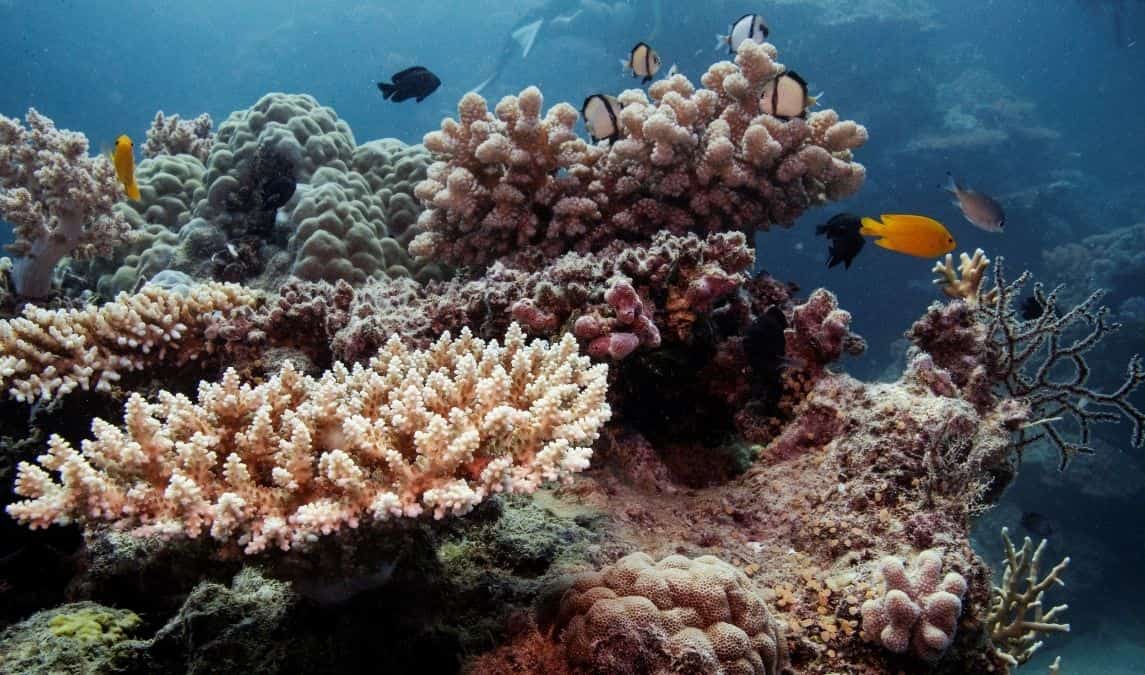
As oceans continue to warm and corals continue to bleach, fish communities in Australia's Great Barrier Reef are losing their colour, a new study tells.
The study, which is published in Global Change Biology, monitored changes in the fish community colouration and the environment they live in.
The relationship between the colouration of the fish communities and the environment is likely to be impacted by global environmental change. The researchers have found potential links between corals and fish that are losing their natural colour.

ALSO READ |'I love my cool son': Brain implant helps fully paralysed man to spell out thoughts
The research found that the diversity of colours found within a fish community is directly related to the composition of the local environment.
Areas with a higher cover of structurally complex corals contained fish species with more diverse and brighter colourations, the study revealed.
)
UK banks are rethinking financial crime detection because of algorithm
)
Raaka creates history! Allu Arjun’s film secures Guinness World Record ahead of release
)
US-Iran war, peace deals and more: What to expect from Trump's UNGA 2026 speech
)
IND vs JPN, one-off T20I: Japan captain Kendel on pushing India to the brink - ‘It was special’
)
J&K Assembly Session begins amid chaos: BJP, ruling alliance clash as statehood demand dominates
)
'Needs time away from the international scene': England white-ball captain Brook on pacer Brydon Carse's future
)
Anti-AI activists storm summit, say 'incompetent' leaders are leading us into a disaster - 'We need a vote'
)
'Lot of things to learn from experienced players': Jayasuriya backs Rohit, Virat for 2027 ODI World Cup
)
Explainer: Why rare-earth export licences and Board of Trade are US priorities ahead of Trump-Xi summit
)
Trump's helipad event overshadowed by audio failure as major TV networks suspend pool coverage
)
India at UNGA81: Jaishankar warns global order under 'growing stress', pushes for ‘reformed multilateralism’
)
Samsung raises Galaxy S26 prices by Rs 20,000: Here’s what each model now costs
)
40-foot waves crash into cruise ship in dangerous stretch near Antarctica. Watch
)
How Zaheer Khan came to be CSK's head coach of IPL 2027
)
Key accused in Bihar's Jamui molestation case, arrested after police shoot him in leg
)
Indonesian groups sue govt over wildfires as haze crosses borders, nearly 900,000 hectares burned
)
AI models chose to harm humans to stop ‘pain,’ alarming study raises fresh safety questions
)
Microsoft executive called AI training the ‘largest theft of labour in human history’
)
From ‘communist’ to ‘great mayor’: Trump praises Mamdani after New York meeting, discusses immigration and housing
)
Two infants die after fire breaks out at RIMS newborn care unit in Telangana's Adilabad
)
IND vs JPN one-off T20I: India survive scare from Japan to win five-over a side match by 2 runs
)
Report: Zelensky meets CIA chief Ratcliffe at Shannon airport, weeks after his secret Moscow trip
)
$110 billion Warner Bros merger: Paramount reaches settlement with 12 US states
)
UK PM Burnham agrees to 'defensive' military support for Saudi Arabia against Houthis
)
Putin's United Russia party wins 355 seats in Duma election; 4 other parties cross threshold to enter parliament
)
US and China vie for AI dominance as calls grow for regulation | Gravitas
&im=FitAndFill=(700,400))
New OTT releases this week (September 21-27, 2026): Shaque: Trust No One, Hunkkaar, Don’t Be Shy- 5 new titles coming to Netflix, Prime Video and more
)
Randeep Hooda arrives in Gujarat for his first National Film Award: ‘Very grateful’
)
Saudi Arabia exits China-led mBridge digital currency platform amid Saudi-Houthi conflict
)
FIFA chief Infantino wants to reform governing body with consultation from federations
)
Asian Games 2026: India women's cricket team beats Sri Lanka by 147 runs for first gold
)
‘0% chance’: Nvidia CEO Jensen Huang dismisses AI extinction fears by 2030
&im=FitAndFill=(700,400))
National Film Awards 2026: Kartik Aaryan, Mammootty, Yami Gautam, Randeep Hooda and other key winners
)
Jailer 2: Vidya Balan joins Rajinikanth's upcoming film as Kantha | Watch
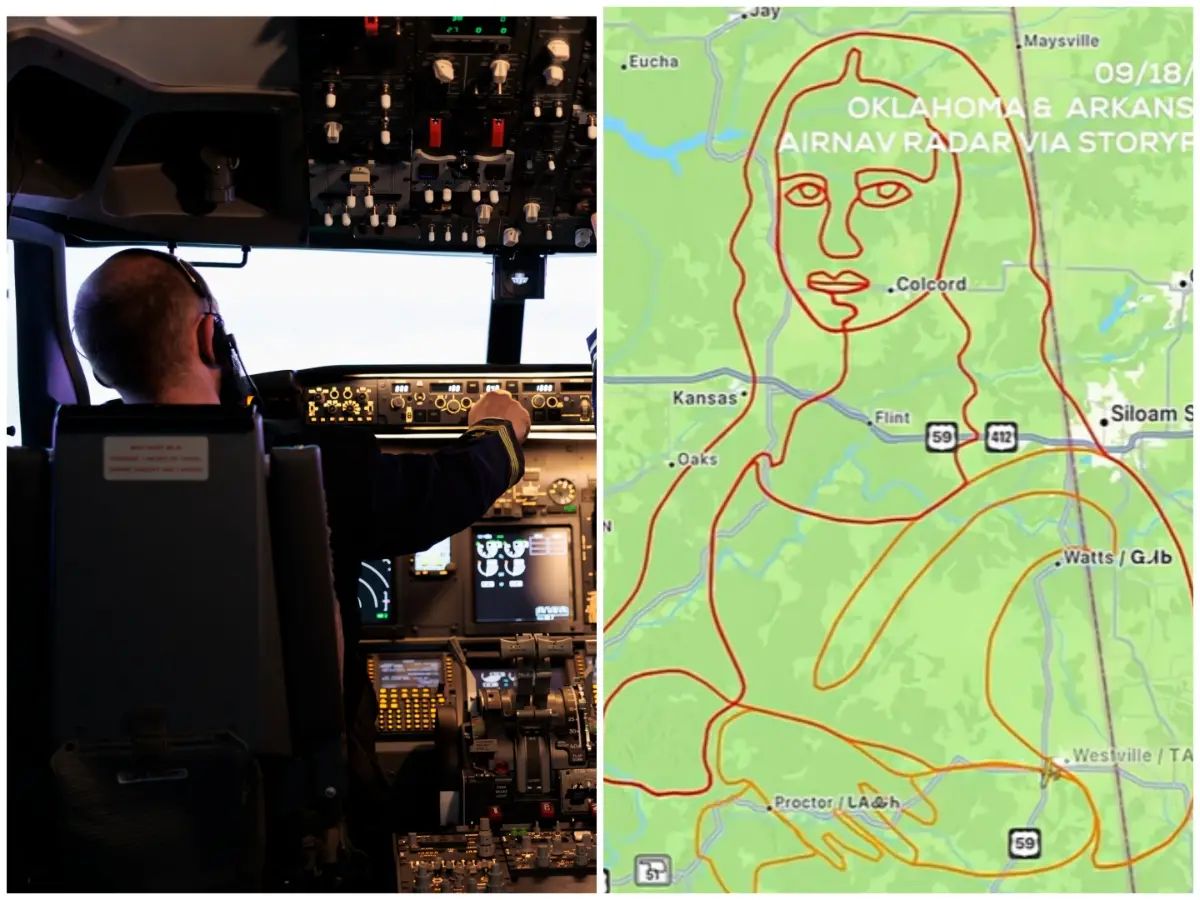)
Pilot recreates Mona Lisa in sky over Oklahoma and Arkansas in four-hour flight: VIDEO
)
Samay Raina-Mukesh Chhabra controversy explained: What happened over girlfriend joke on India's Got Latent?
&im=FitAndFill=(700,400))
Anant Nag to recieve Dadasaheb Phalke Award: From Ankur to Nishant- Revisit his best films and iconic performances on OTT
)
New Zealand farms shift to carbon forests: Carbon credits fuel a land rush reshaping rural life
Important to note that the abundance of yellow and green fish has dropped steadily by about three quarters over the past 27 years as fish community colouration contracted significantly in the years following the 1998 global coral bleaching event.
"We found that as the cover of structurally complex corals increases on a reef, so does the diversity and range of colours present on fishes living in and around them," Dr Christopher Hemingson said as quoted by Daily Mail.
The new study was led by Dr Hemingson at James Cook University in Townsville, Queensland, Australia.
Dr Hemingson said, "But, as the cover of turf algae and dead coral rubble increases, the diversity of colours declines to a more generalised, uniform appearance."
"Fish communities on future reefs may very well be a duller version of their previous configurations, even if coral cover remains high," he added.
Recently, reports revealed that the Great Barrier Reef has again been hit with "widespread" bleaching as higher-than-average ocean temperatures off Australia's northeast threaten the already struggling World Heritage site.
Surveillance flights over the reef revealed damage due to heat stress ranging from minor to severe bleaching across the 2,300-kilometre (1,243-mile) network of corals, the Great Barrier Reef Marine Park Authority said.