

&imwidth=800&imheight=600&format=webp&quality=medium "Could parents one day choose their baby’s traits? Scientists achieve major human embryo gene-editing milestone")
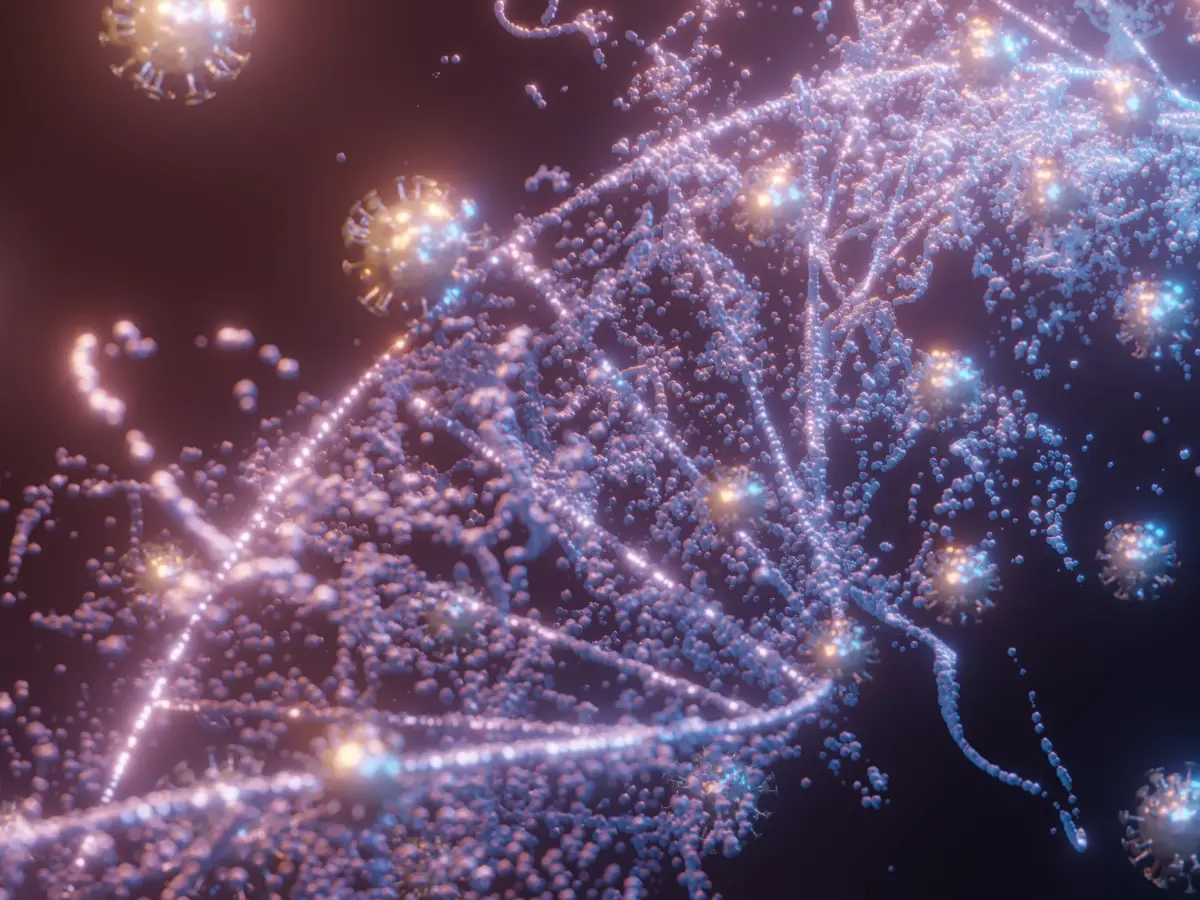
Scientists at Columbia University have successfully edited the DNA of early human embryos with unprecedented precision, marking a significant breakthrough in genetic engineering that could one day allow doctors to correct inherited diseases before birth. The research, led by geneticist Dieter Egli, used a newer gene-editing technique known as base editing to make highly targeted changes to DNA without causing the extensive genetic damage often associated with traditional CRISPR technology.
The findings, which have been posted online and are currently under peer review, are already reigniting ethical concerns over the possibility of creating genetically enhanced or so-called "designer" babies. According to the researchers, base editing allows scientists to alter individual DNA letters rather than cutting out entire sections of genetic material. This approach significantly reduced the risk of major chromosomal damage that had plagued earlier embryo-editing experiments.
"We're not saying this is going to be used tomorrow in the clinics," Egli cautioned, stressing that important questions about safety and unintended consequences remain unanswered. The debate over editing human embryos has intensified since the development of CRISPR technology in 2012. While the technique opened the door to treating inherited diseases, it also raised fears that genetic engineering could eventually be used to select desirable traits, a prospect some ethicists have likened to modern-day eugenics.
The controversy reached a peak in 2018 when Chinese scientist He Jiankui announced that he had edited the genomes of human embryos to create babies resistant to HIV infection. His work was widely condemned by the scientific community, and he was later imprisoned by Chinese authorities.
'Absolutely catastrophic consequences’
Trending Stories
&imwidth=180&imheight=135&format=webp&quality=medium)
Viral video shows cross falling on Colombia priest, no official confirmation | WATCH
&imwidth=180&imheight=135&format=webp&quality=medium)
Rafale Marine fighter begins flight trials in Goa ahead of Indian Navy induction
&imwidth=180&imheight=135&format=webp&quality=medium)
Ranbir Kapoor apologises for Dussehra speech slip, clarifies remark at Ramayana event
&imwidth=180&imheight=135&format=webp&quality=medium)
Meta slapped with $25 billion fine in New Mexico over Facebook data practices, company plans appeal
&imwidth=180&imheight=135&format=webp&quality=medium)
WATCH: Woman IPS officer fires several rounds of AK-47, ignites debate online
&imwidth=180&imheight=135&format=webp&quality=medium)
EU probes Booking.com under Digital Services Act
&imwidth=180&imheight=135&format=webp&quality=medium)
Pakistan signs another defence pact even as Makkah Alliance shows no teeth. This time, it's with Qatar, Indonesia, Turkey
&imwidth=180&imheight=135&format=webp&quality=medium)
Ilhan Omar breaks silence over alleged marriage to her brother; Trump thinks it's 'really good answer'
&imwidth=180&imheight=135&format=webp&quality=medium)
US-Iran war: Bibi, Trump gamble on new Iran war to save themselves in polls
&imwidth=180&imheight=135&format=webp&quality=medium)
From Agni-V to Project Kusha: How are India’s indigenous missile systems and defence shield reshaping modern warfare
&imwidth=180&imheight=135&format=webp&quality=medium)
Will Rohit and Kohli play ODI World Cup 2027? BCCI president Manhas says board 'not in a position to comment'
&imwidth=180&imheight=135&format=webp&quality=medium)
Why websites around the world are suddenly going offline? What you need to know about PHP
&imwidth=180&imheight=135&format=webp&quality=medium)
US midterms 2026: What polls and prediction markets indicate about Congress
&imwidth=180&imheight=135&format=webp&quality=medium)
'You are a dummy, you are a stupid person': Trump loses temper with CNN, ABC reporters after questions about Russia sanctions
&imwidth=180&imheight=135&format=webp&quality=medium)
China's dancing robot turns violent bodyguard, lifts cars and fights intruders - Watch
&imwidth=180&imheight=135&format=webp&quality=medium)
16-foot doomsday fish in Chile triggers fears that the next earthquake is coming
&imwidth=180&imheight=135&format=webp&quality=medium)
US to get 850 F-35 stealth fighter jets under 10-year Pentagon-Lockheed deal
&imwidth=180&imheight=135&format=webp&quality=medium)
Are the US and Israel preparing for another major attack on Iran? Here's what report claims
&imwidth=180&imheight=135&format=webp&quality=medium)
Priyanka Chopra celebrates Dussehra 2026 with Nick Jonas and daughter Malti Marie | See pics
&im=FitAndFill=(700,400)&imwidth=180&imheight=135&format=webp&quality=medium)
New OTT releases this week (October 19-25, 2026): Gajab Raat to Chaar Yaar-8 titles to watch during Dussehra week on Netflix, Prime Video and more
&imwidth=180&imheight=135&format=webp&quality=medium)
‘I caution the president...’: Trump’s ex-press secretary warns after Zacharia’s exit
&imwidth=180&imheight=135&format=webp&quality=medium)
'Father of all bombs' vs 'mother of all bombs': Iran threatens US with new weapon as Trump hints at MOAB strike
&imwidth=180&imheight=135&format=webp&quality=medium)
Diljit Dosanjh's Oct 30 Delhi show hits roadblock, Delhi Police denies permission
&imwidth=180&imheight=135&format=webp&quality=medium)
Australia police arrest former national 100m champ Jake Doran for alleged child abuse
&imwidth=180&imheight=135&format=webp&quality=medium)
'Gyanu must go': CJP's Saurav Das, Ashutosh Ranka after release, despite Jantar Mantar protest undertaking
&imwidth=180&imheight=135&format=webp&quality=medium)
Kolkata airport: CISF detects ₹1.13 crore in US dollars hidden in bags of 2 Bangkok-bound passengers
&imwidth=180&imheight=135&format=webp&quality=medium)
Feds obtain DNA evidence that could prove Ilhan Omar married her brother: Report
&imwidth=180&imheight=135&format=webp&quality=medium)
US midterms 2026: Trump's approval rating hits record low as Democrats gain ground
Egli's team previously investigated the use of CRISPR in human embryos in 2020. In those experiments, researchers attempted to repair a mutation in the EYS gene linked to hereditary blindness. While some embryos were successfully corrected, many suffered severe genetic damage, including the loss of entire chromosomes.
"It had absolutely catastrophic consequences," Egli said of the earlier findings, according to the New York Times. The new study sought to avoid those problems by using base editing. Researchers targeted two genes, PCSK9, which is linked to cholesterol levels and heart disease risk, and HBG, a gene involved in foetal haemoglobin production.
The team introduced base-editing molecules into fertilised eggs and two-cell embryos donated by prospective parents. Unlike earlier CRISPR-based experiments, the researchers found no evidence of large-scale DNA damage and successfully altered both genes. In some cases, they edited both genes within the same embryo.
However, the technique was not flawless. Some embryos developed "mosaicism", a condition in which different cells carry different genetic versions because the edits did not occur uniformly throughout the embryo. Scientists warn that such genetic inconsistencies could potentially lead to health complications if edited embryos were carried to term.
Paula Amato, a fertility specialist at Oregon Health & Science University who was not involved in the study, described the approach as "promising" but said the scientific community would need to carefully examine the full data once the research undergoes peer review.
Bioethicist Ana Iltis of Wake Forest University also urged caution, warning that some harmful effects may not become apparent until after birth. Supporters argue that the technology could eventually benefit families undergoing in vitro fertilisation (IVF). Nathan Treff, chief clinical officer at Nucleus Genomics and a co-author of the study, said gene correction could allow parents to use embryos that might otherwise be discarded because of disease-causing mutations.
"There's still work to do before getting to that point, but this research gets us closer," Treff said.

