'This sugar isn’t grown or refined': Engineered bacteria turn glucose into a healthier sweetener

&imwidth=600&imheight=450&format=webp&quality=medium "'This sugar isn’t grown or refined': Engineered bacteria turn glucose into a healthier sweetener")
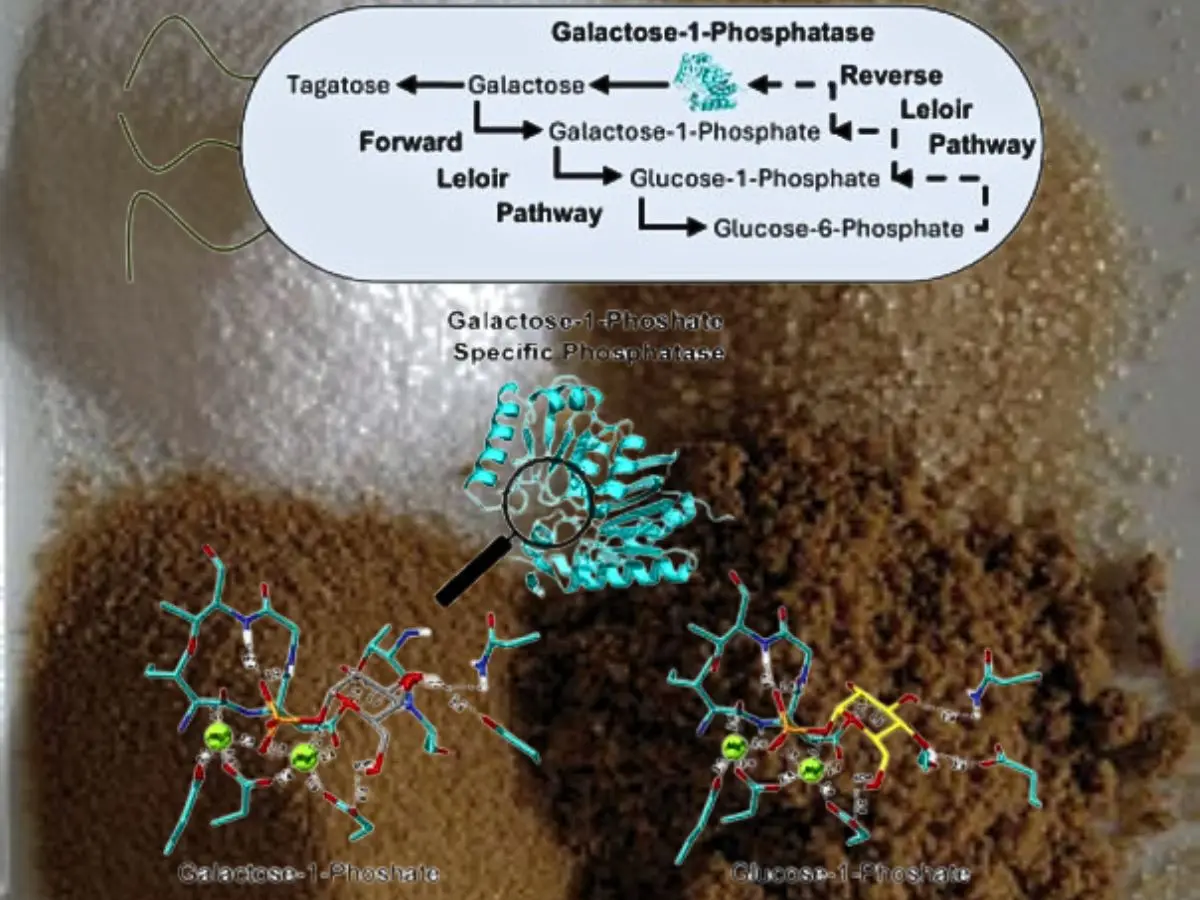
Key innovation and future possibilities Photograph: (Cell Reports Physical Science (2025), Wikimedia Commons)
Tagatose makes up less than 0.2 per cent of sugars in natural sources, which is the reason why it is typically manufactured rather than extracted.
The search for a sugar alternative that matches taste without compromising health has spanned more than a century, from saccharin in the 19th century to plant-based sweeteners such as stevia and monk fruit today. A new study, however, suggests a different route forward. Researchers at Tufts University have engineered bacteria to produce tagatose, a rare, low-calorie sugar that closely mimics sucrose but carries fewer metabolic risks. The findings, that were published in Cell Reports Physical Science, and reported by Phys.org, point to a potentially scalable and more sustainable way of making a sweetener long constrained by cost and scarcity.
Why tagatose matters
Tagatose is a naturally occurring sugar found only in trace amounts in foods such as dairy products and some fruits. According to Phys.org, it makes up less than 0.2 per cent of sugars in natural sources, which is the reason why it is typically manufactured rather than extracted. Chemically similar to common sugars, tagatose is around 92 per cent as sweet as sucrose but contains roughly one-third of the calories, according to the study. It also has a low glycaemic impact, with clinical studies showing minimal increases in blood glucose and insulin levels after consumption. The US Food and Drug Administration has designated tagatose as “generally recognised as safe” (GRAS).
Engineering bacteria to make sugar
Existing methods for producing tagatose rely largely on galactose derived from lactose, a process that is both inefficient and expensive. The Tufts team took a different approach by engineering Escherichia coli to convert glucose directly into tagatose. Central to this method is a newly identified enzyme, a galactose-1-phosphate-specific phosphatase discovered in slime mould, which allows the bacterial cells to reverse the Leloir metabolic pathway. “We developed a way to produce tagatose by engineering the bacteria E. coli to work as tiny factories,” said Nik Nair, associate professor of chemical and biological engineering at Tufts, according to Phys.org.
Trending Stories
&imwidth=280&imheight=210&format=webp&quality=medium)
&imwidth=280&imheight=210&format=webp&quality=medium)
&imwidth=280&imheight=210&format=webp&quality=medium)
&imwidth=280&imheight=210&format=webp&quality=medium)
&imwidth=280&imheight=210&format=webp&quality=medium)
&imwidth=280&imheight=210&format=webp&quality=medium)
&imwidth=280&imheight=210&format=webp&quality=medium)
&im=FitAndFill=(700,400)&imwidth=280&imheight=210&format=webp&quality=medium)
&imwidth=280&imheight=210&format=webp&quality=medium)
&imwidth=280&imheight=210&format=webp&quality=medium)
&imwidth=280&imheight=210&format=webp&quality=medium)
&imwidth=280&imheight=210&format=webp&quality=medium)
&imwidth=280&imheight=210&format=webp&quality=medium)
&imwidth=280&imheight=210&format=webp&quality=medium)
&imwidth=280&imheight=210&format=webp&quality=medium)
&imwidth=280&imheight=210&format=webp&quality=medium)
&imwidth=280&imheight=210&format=webp&quality=medium)
&imwidth=280&imheight=210&format=webp&quality=medium)
&imwidth=280&imheight=210&format=webp&quality=medium)
&im=FitAndFill=(700,400)&imwidth=280&imheight=210&format=webp&quality=medium)
&imwidth=280&imheight=210&format=webp&quality=medium)
&imwidth=280&imheight=210&format=webp&quality=medium)
&imwidth=280&imheight=210&format=webp&quality=medium)
&im=FitAndFill=(700,400)&imwidth=280&imheight=210&format=webp&quality=medium)
&imwidth=280&imheight=210&format=webp&quality=medium)
&imwidth=280&imheight=210&format=webp&quality=medium)
&imwidth=280&imheight=210&format=webp&quality=medium)
&imwidth=280&imheight=210&format=webp&quality=medium)
&imwidth=280&imheight=210&format=webp&quality=medium)
&imwidth=280&imheight=210&format=webp&quality=medium)
&imwidth=280&imheight=210&format=webp&quality=medium)
&imwidth=280&imheight=210&format=webp&quality=medium)
&imwidth=280&imheight=210&format=webp&quality=medium)
Efficiency, health and future uses
In laboratory cultures, the engineered bacteria converted about 35 per cent of supplied glucose into galactose and produced more than one gram per litre of tagatose, a proof-of-principle result described in Cell Reports Physical Science. The researchers note that further optimisation is required, but the process eliminates dependence on lactose-derived feedstocks. Beyond metabolic benefits, tagatose also behaves like sugar in cooking, browning like table sugar, and may even inhibit cavity-causing bacteria.