What is US endgame in Iran? Trump revives regime change talk amid fresh military escalation | RTP

&imwidth=600&imheight=450&format=webp&quality=medium "What is US endgame in Iran? Trump revives regime change talk amid fresh military escalation | RTP")
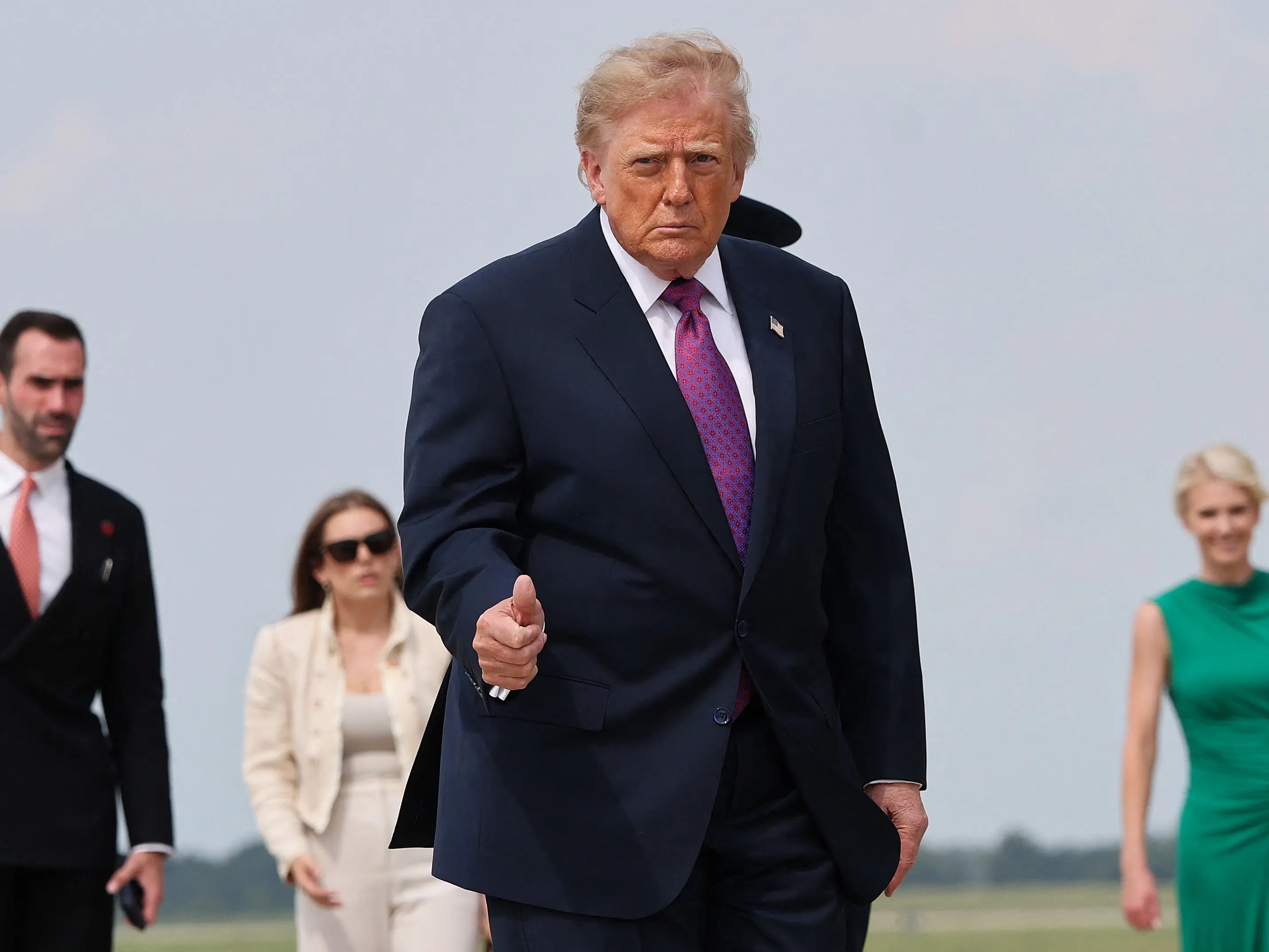
US President Donald Trump. Photograph: (AFP)
Six months after Trump first urged Iranians to overthrow their government, renewed US-Iran strikes and his latest regime change remarks have again raised questions over Washington's ultimate endgame in the conflict.
When the US and Israel launched joint strikes on Iran six months ago, US President Donald Trump delivered a speech as the conflict unfolded.
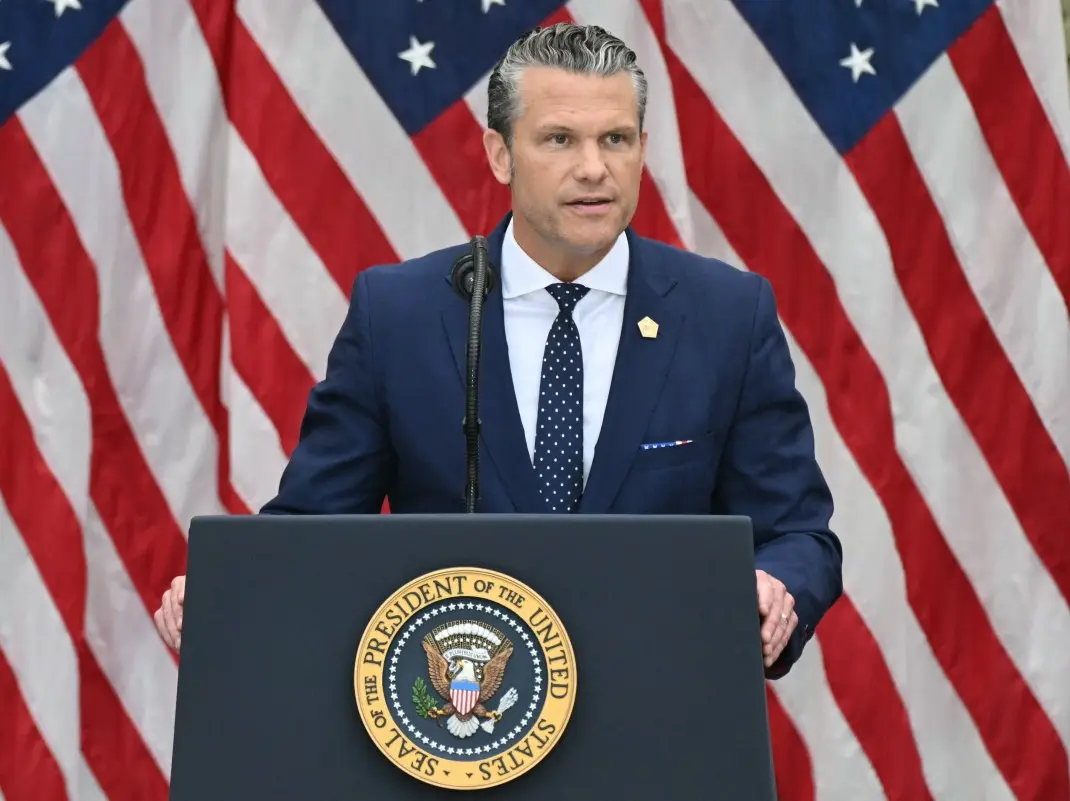
Trump posted an eight-minute video in which he gave several justifications for the decision to launch the strikes. Towards the end of the speech, he also urged Iranians to topple their country's regime.
His exact words in the overlapping hours of February 28 and March 1 were:
"Finally, to the great, proud people of Iran, I say tonight that the hour of your freedom is at hand…when we are finished, take over your government. It will be yours to take. This will be probably your only chance for generations."
For almost six weeks, the war front remained active. An Iranian school came under attack in a double-tap strike, killing schoolchildren. Iran's then Supreme Leader Ali Khamenei and members of his family were also killed in a strike on his compound. Several members of Iran's top leadership were eliminated.
However, Iran's ruling establishment did not collapse. The American administration then quickly changed its tone and said regime change was never the goal.
Trending Stories
&imwidth=280&imheight=210&format=webp&quality=medium)
&imwidth=280&imheight=210&format=webp&quality=medium)
&imwidth=280&imheight=210&format=webp&quality=medium)
&imwidth=280&imheight=210&format=webp&quality=medium)
&imwidth=280&imheight=210&format=webp&quality=medium)
&imwidth=280&imheight=210&format=webp&quality=medium)
&im=FitAndFill=(700,400)&imwidth=280&imheight=210&format=webp&quality=medium)
&imwidth=280&imheight=210&format=webp&quality=medium)
&imwidth=280&imheight=210&format=webp&quality=medium)
&imwidth=280&imheight=210&format=webp&quality=medium)
&imwidth=280&imheight=210&format=webp&quality=medium)
&imwidth=280&imheight=210&format=webp&quality=medium)
&imwidth=280&imheight=210&format=webp&quality=medium)
&imwidth=280&imheight=210&format=webp&quality=medium)
&imwidth=280&imheight=210&format=webp&quality=medium)
&imwidth=280&imheight=210&format=webp&quality=medium)
&imwidth=280&imheight=210&format=webp&quality=medium)
&imwidth=280&imheight=210&format=webp&quality=medium)
&imwidth=280&imheight=210&format=webp&quality=medium)
&imwidth=280&imheight=210&format=webp&quality=medium)
&imwidth=280&imheight=210&format=webp&quality=medium)
&imwidth=280&imheight=210&format=webp&quality=medium)
&imwidth=280&imheight=210&format=webp&quality=medium)
&imwidth=280&imheight=210&format=webp&quality=medium)
&imwidth=280&imheight=210&format=webp&quality=medium)
&im=FitAndFill=(700,400)&imwidth=280&imheight=210&format=webp&quality=medium)
&imwidth=280&imheight=210&format=webp&quality=medium)
&imwidth=280&imheight=210&format=webp&quality=medium)
&imwidth=280&imheight=210&format=webp&quality=medium)
&imwidth=280&imheight=210&format=webp&quality=medium)
&imwidth=280&imheight=210&format=webp&quality=medium)
&imwidth=280&imheight=210&format=webp&quality=medium)
&imwidth=280&imheight=210&format=webp&quality=medium)
&imwidth=280&imheight=210&format=webp&quality=medium)
Iran also retaliated with a barrage of strikes on American assets and troops across West Asia.
The normal passage of vessels through the Strait of Hormuz came to a halt. The critical waterway remains the biggest point of contention between the US and Iran over control of the strategic passage.
Over the past two weeks, Washington shifted its focus towards economic pressure on Iran by imposing fresh sanctions and threatening to further weaken the country.
Iranian leaders dismissed the threats and maintained their defiant stance towards the US.
Military escalation has now begun again. The US launched strikes on Larak Island earlier this week, prompting Iran to retaliate.
The attacks intensified over the past 24 hours, with US strikes hitting multiple locations along Iran's southern coast.
Iranian media reported explosions in other coastal areas, including Konarak, Bandar Abbas, Jask and Asaluyeh, as well as Qeshm Island.
Iranian authorities said at least 18 people had been killed across the country in the latest strikes. The US strike on Kuhestak has emerged as a major flashpoint for Iran.
Iranian officials said a house in Kuhestak was hit while a wedding celebration was underway.
Foreign Ministry spokesperson Esmaeil Baghaei said at least four people were killed and more than 68 others, including women and children, were wounded.
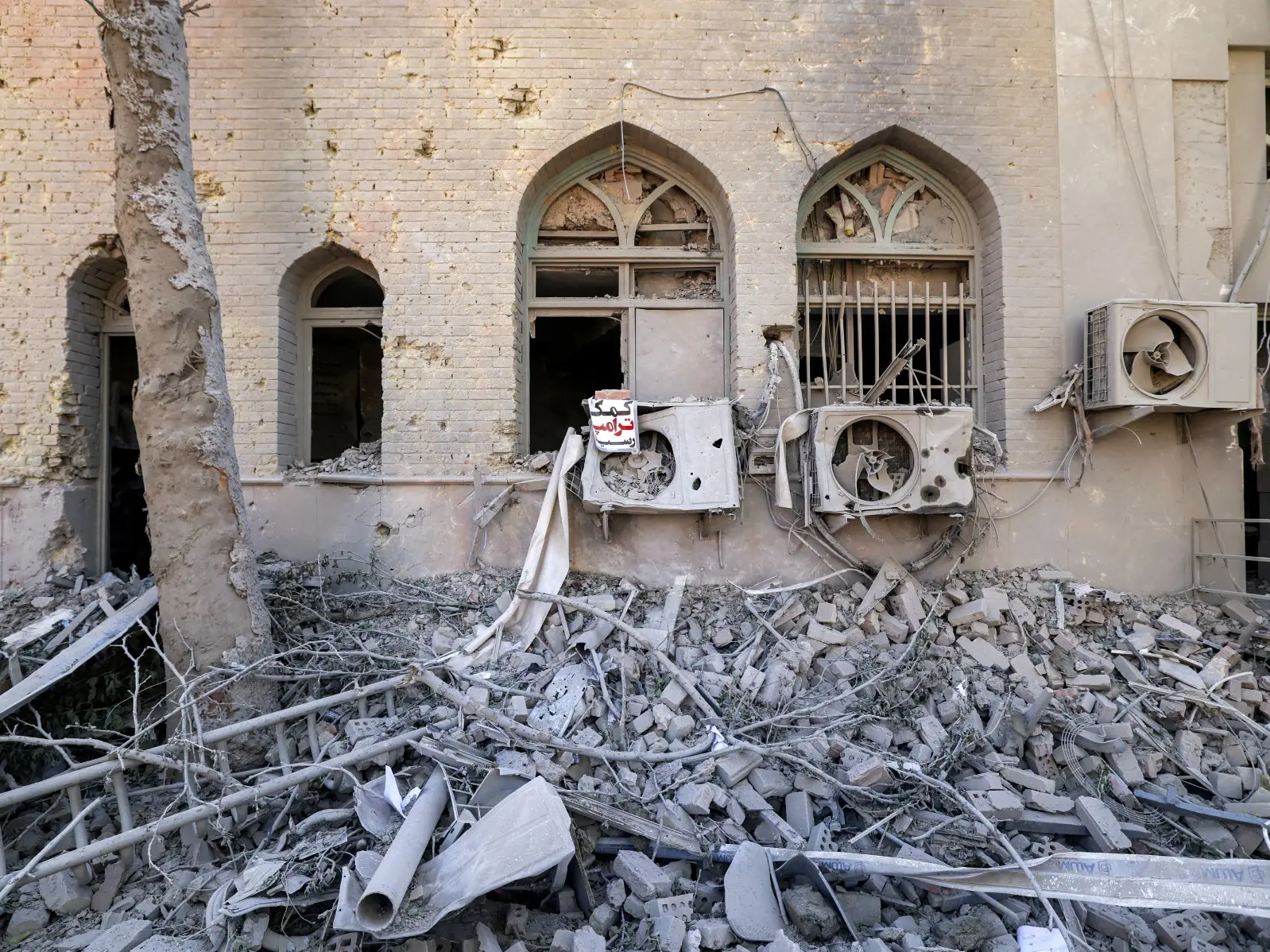
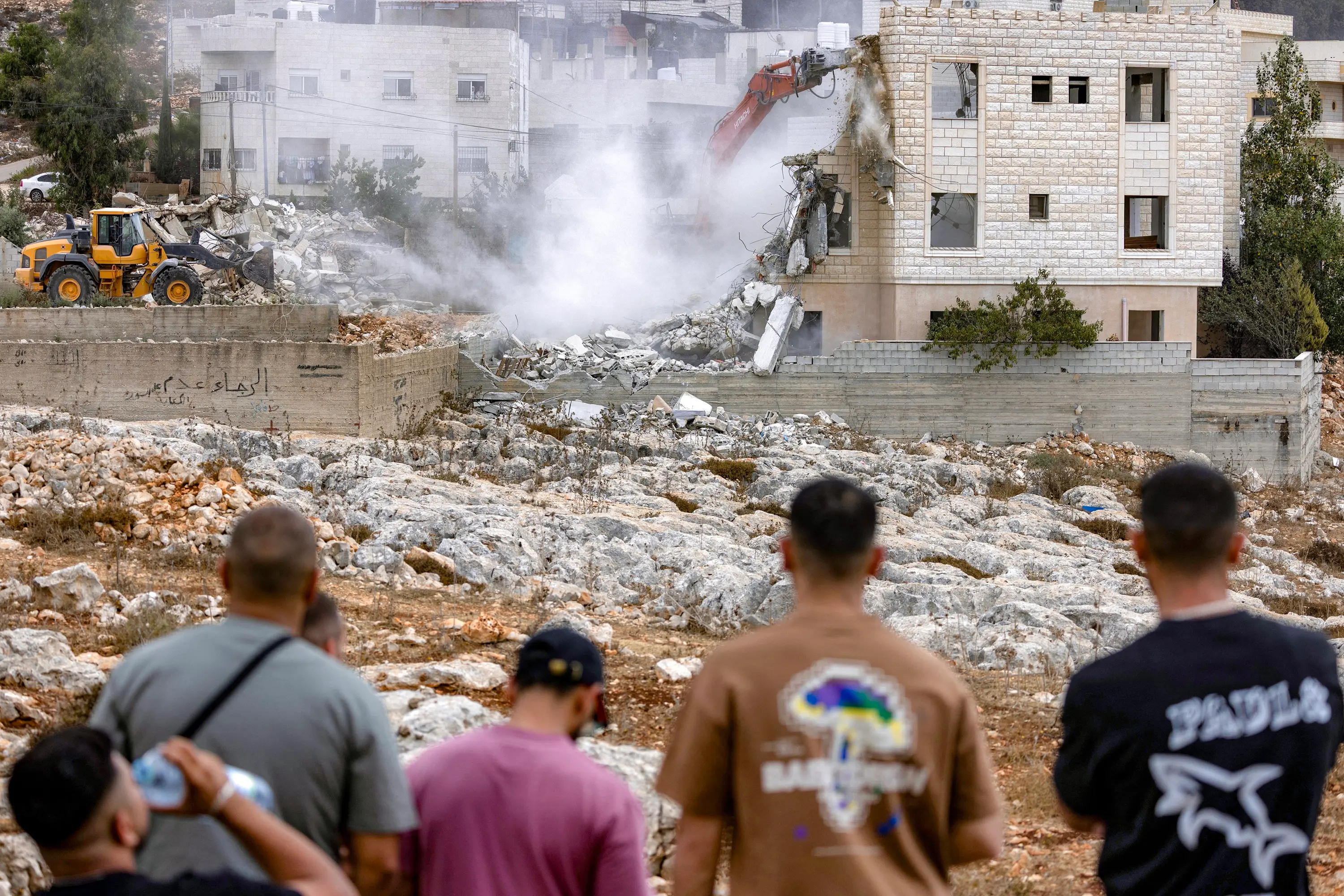
Footage released by the Iranian Red Crescent showed a damaged building with blown-out windows and walls. Debris was scattered across the ground.
Locals have criticised the latest American attacks. Iran then responded with attacks that went beyond US targets inside the country.
Also Read: 'We are not retreating from Gaza': Netanyahu rules out troop pullback, cites terror threat
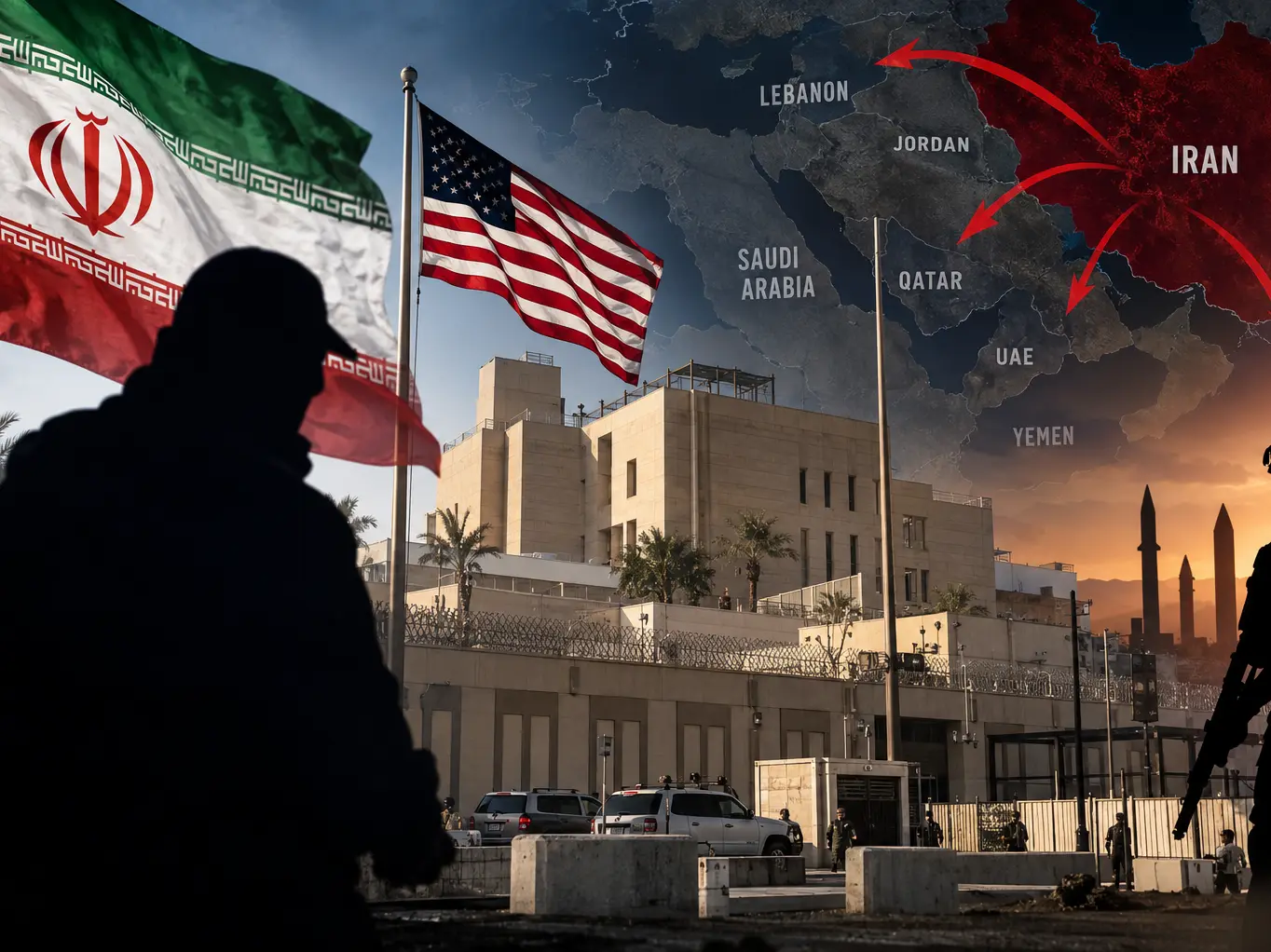
The Iranian military launched attacks on US bases and assets in Jordan, Bahrain, Kuwait and Iraq's Erbil region. The Islamic Revolutionary Guard Corps said its forces carried out a combined missile and drone attack on US facilities in Erbil.
Tehran also claimed that it hit Sheikh Isa Air Base in Bahrain, which hosts US forces. The Bahrain Defence Force accused Iran of continuing what it called a "systematic hostile approach."
The IRGC said it launched a "heavy" ballistic missile attack on Prince Hassan Air Base and a US Marine base in Jordan.
In Kuwait, Iran claimed it targeted the headquarters and residence of the American commander at Ali Al Salem Air Base.
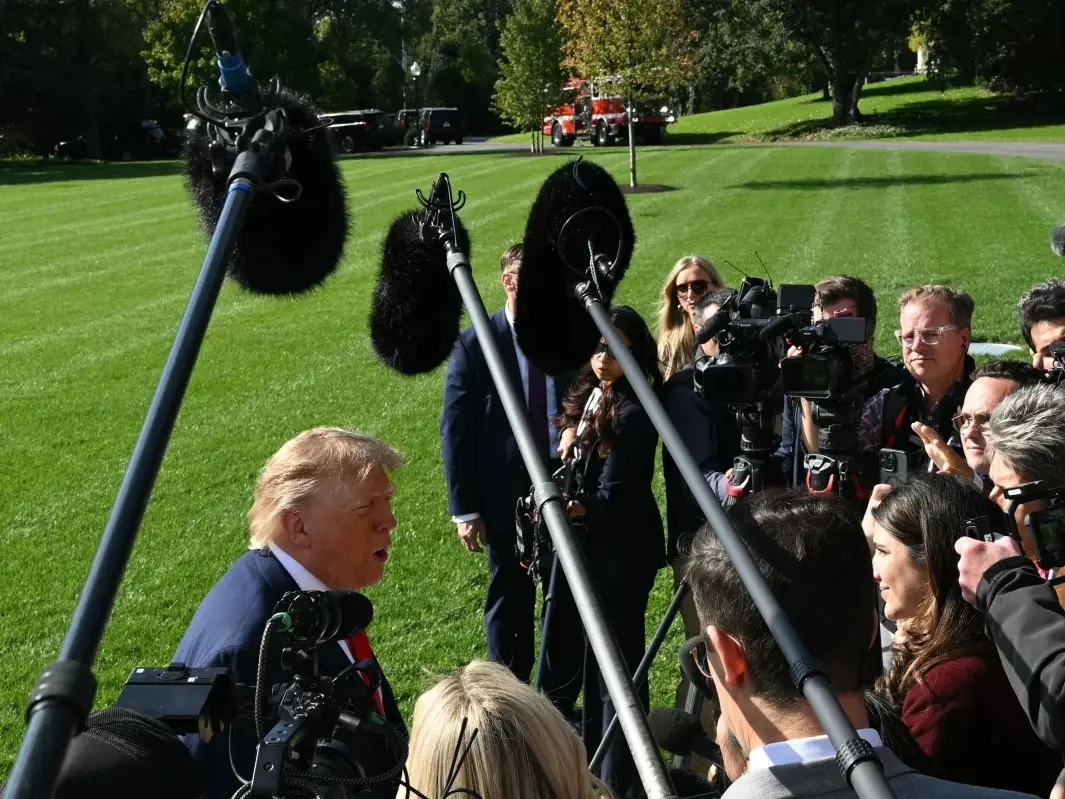
Within hours of Iran's retaliation, Trump issued another statement on social media. Two parts of his remarks stood out.
Trump said he was not trying to force Iran to the negotiating table and did not care whether Iran signed the agreement.
He also brought the regime change issue back into focus. Trump asked, 'When are the Iranian people going to rise up and fight?'
As US tactics continue to shift and the Trump administration's goals remain unclear, a question raised six months ago when the war began has returned.
What is Donald Trump's endgame? And if regime change is the goal, why does the US keep changing its stance on it?
About the Author

