
&imwidth=800&imheight=600&format=webp&quality=medium "Race To Power: Can India, China and Russia bridge differences amid global crises?")
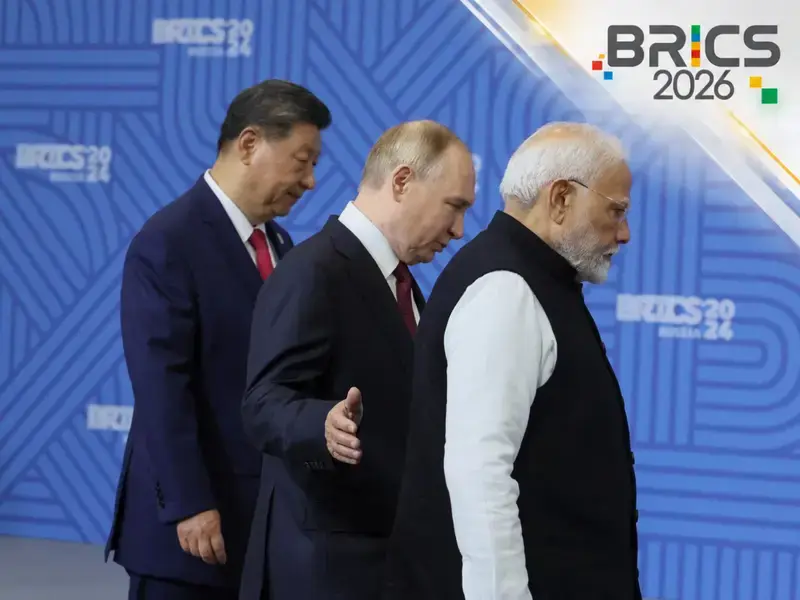
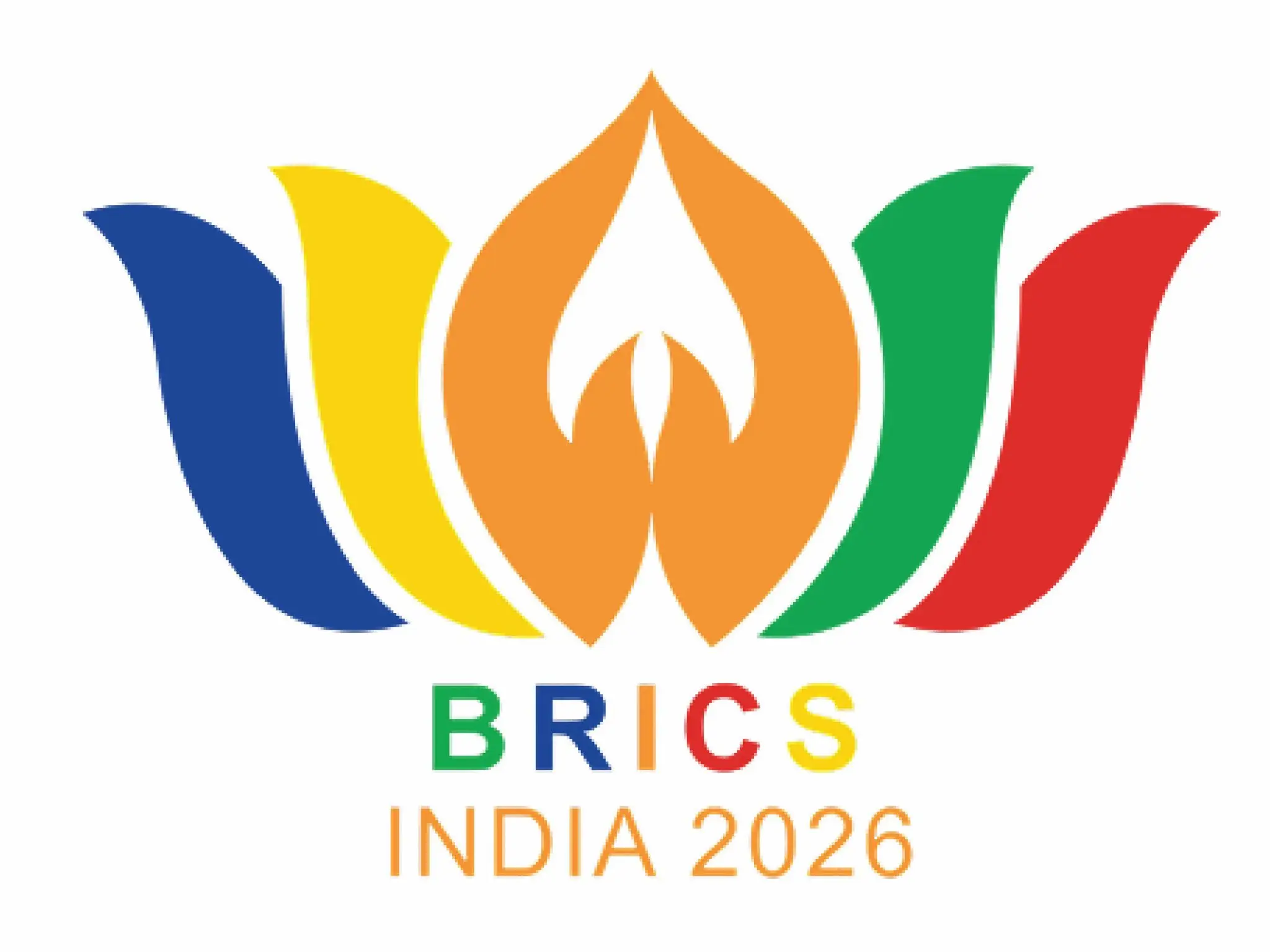
The countdown to the 18th BRICS Summit has begun.
India's national capital is preparing for the arrival of global leaders at the high-stakes gathering, where countries at war, countries affected by war, and those pushing for peace will be under the same roof.
What began as a BRIC summit in 2009 became BRICS with South Africa's inclusion in 2011.

But in the last few years, BRICS has expanded exponentially, with Egypt, Ethiopia, Iran, Saudi Arabia and the UAE joining in 2024. The latest country to join the grouping is Indonesia. With the exception of America and its Western allies, BRICS provides a counterbalance to Western hegemony over the global order.
The rules of this new and emerging world order are no longer being drafted in Western capitals. Despite internal differences and disputes, BRICS provides a critical platform for convergence on shared interests, especially trade and the economy.
Trump's tariff threats and wars in West Asia and Ukraine have left the Western consensus fractured. At the same time, countries like China and India are positioning themselves as stabilising forces.
Trending Stories
)
The Early Spring is proof not everyone can talk about their real feelings, and it is perfectly OK
)
UN votes to ‘correct the map’ as India backs fairer world view
)
Nigerian Navy discovers 99,000 litres of suspected stolen, illegally refined products as it intensifies anti-crude oil theft operations
)
Who is Aditi Paudel? 17-year-old becomes Japan's first literacy ambassador
)
Bengaluru: Officials find 40 kg expired chilli at chairman's club
)
Jaishankar rejects trade link to ending Ukraine war
)
Israeli strikes on Lebanon kill three, injure 23 despite truce
)
Alpine glacier was covered with sheep wool sheets to prevent melting. It worked
)
South Korea mulls deploying military assets to Strait of Hormuz
)
World's fifth-largest economy, British army can't afford to train
)
Breaking | Vance takes the podium: First White House briefing since Leavitt's exit
)
Taiwan raises 'concerns' over China's missile test
)
BRICS 2026: $1 trillion sovereign capital set to converge in Delhi for first iBRICS Summit
)
What is Iran's Pickaxe Mountain that Trump has again threatened to bomb?
)
UN votes to correct world map that visually shrank Africa for 450 years
)
Former NewJeans member Danielle launches YouTube channel, hints at new solo journey
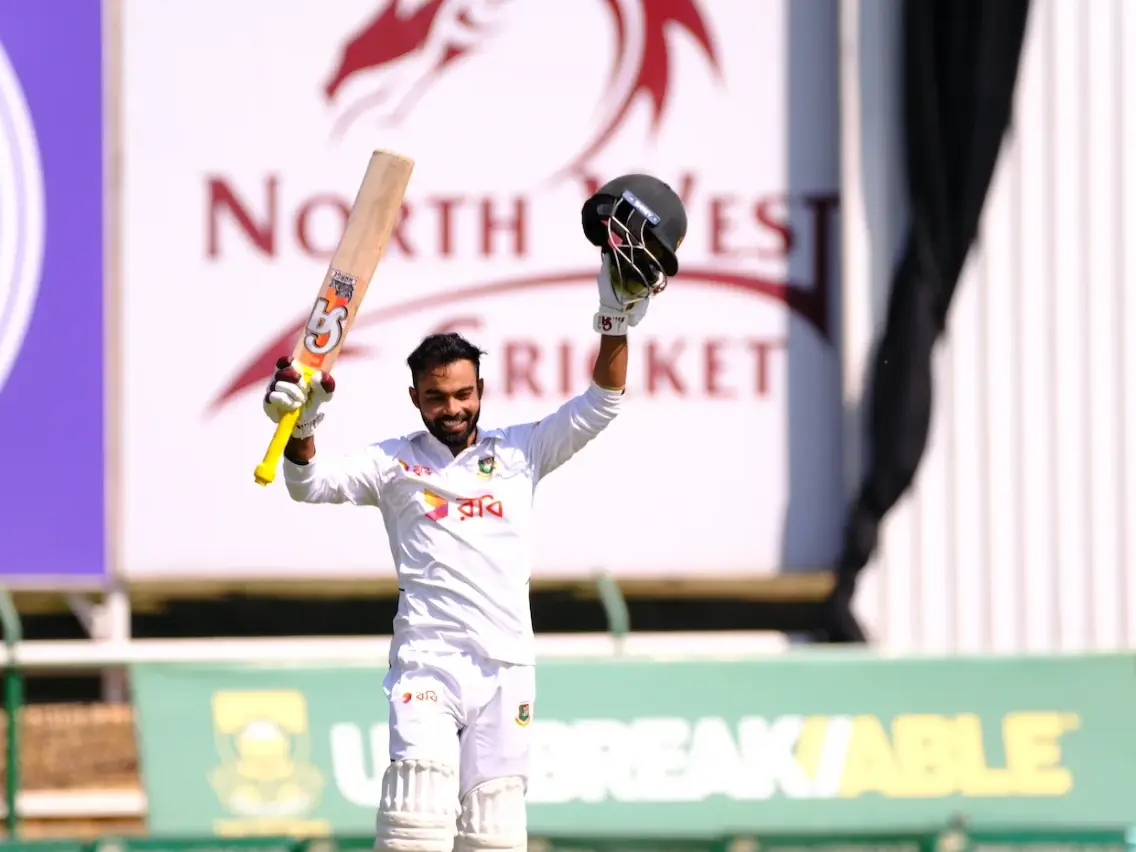)
Bangladesh batter Towhid Hridoy creates history with 350 not out in South Africa
)
Brendan Fraser’s transformation fuels The Mummy 4 excitement as fans welcome back Rick O’Connell
&im=FitAndFill=(700,400))
Krishna Janmashtami 2026: From Dhaniya Panjiri to Makhana Kheer- 5 best sweet dishes perfect for celebrating Lord Krishna’s birth
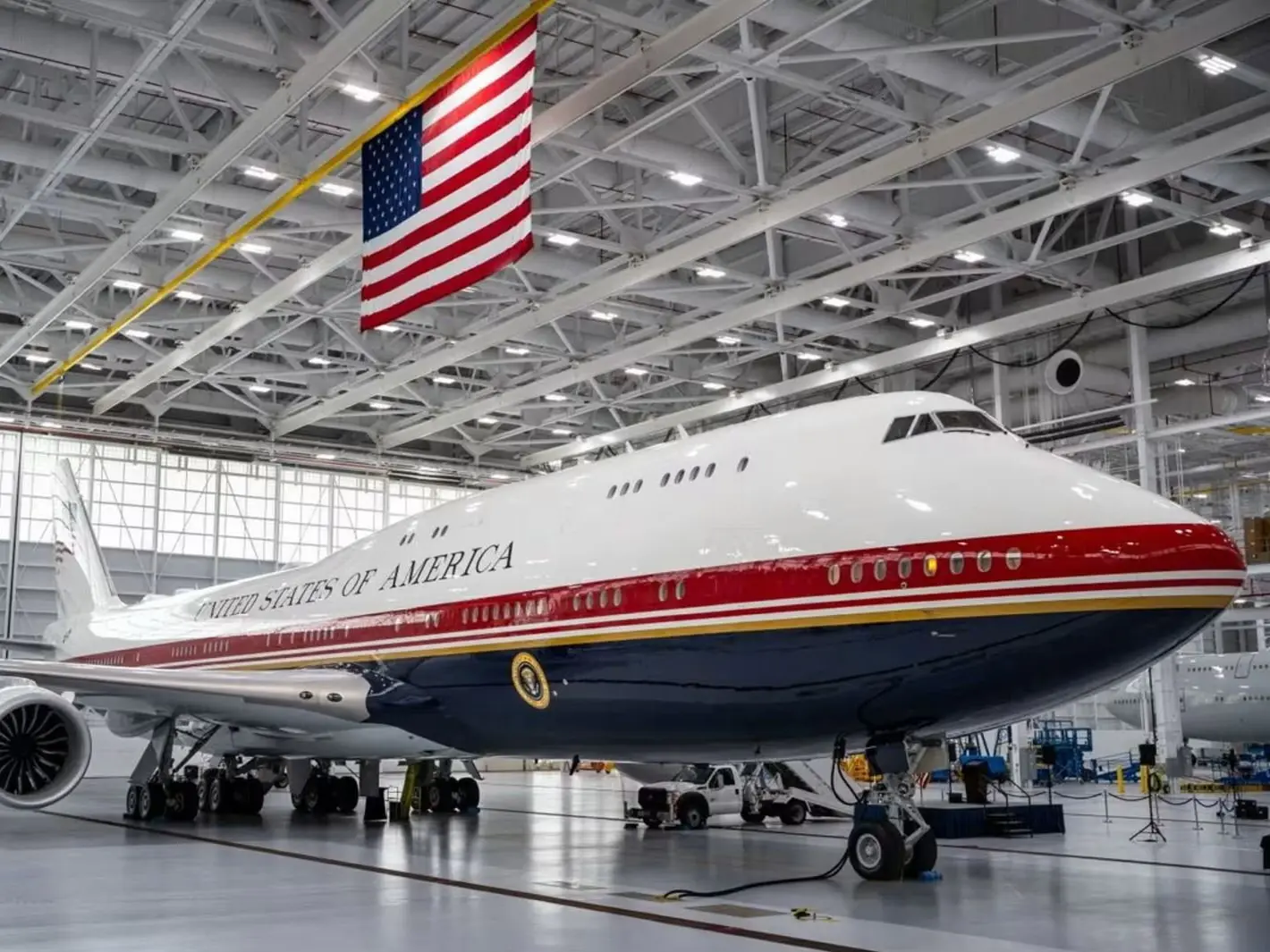)
Donald Trump plans to travel to Ireland on Qatari-donated jet amid security concerns
)
Nazi-looted art to return to Jewish heirs
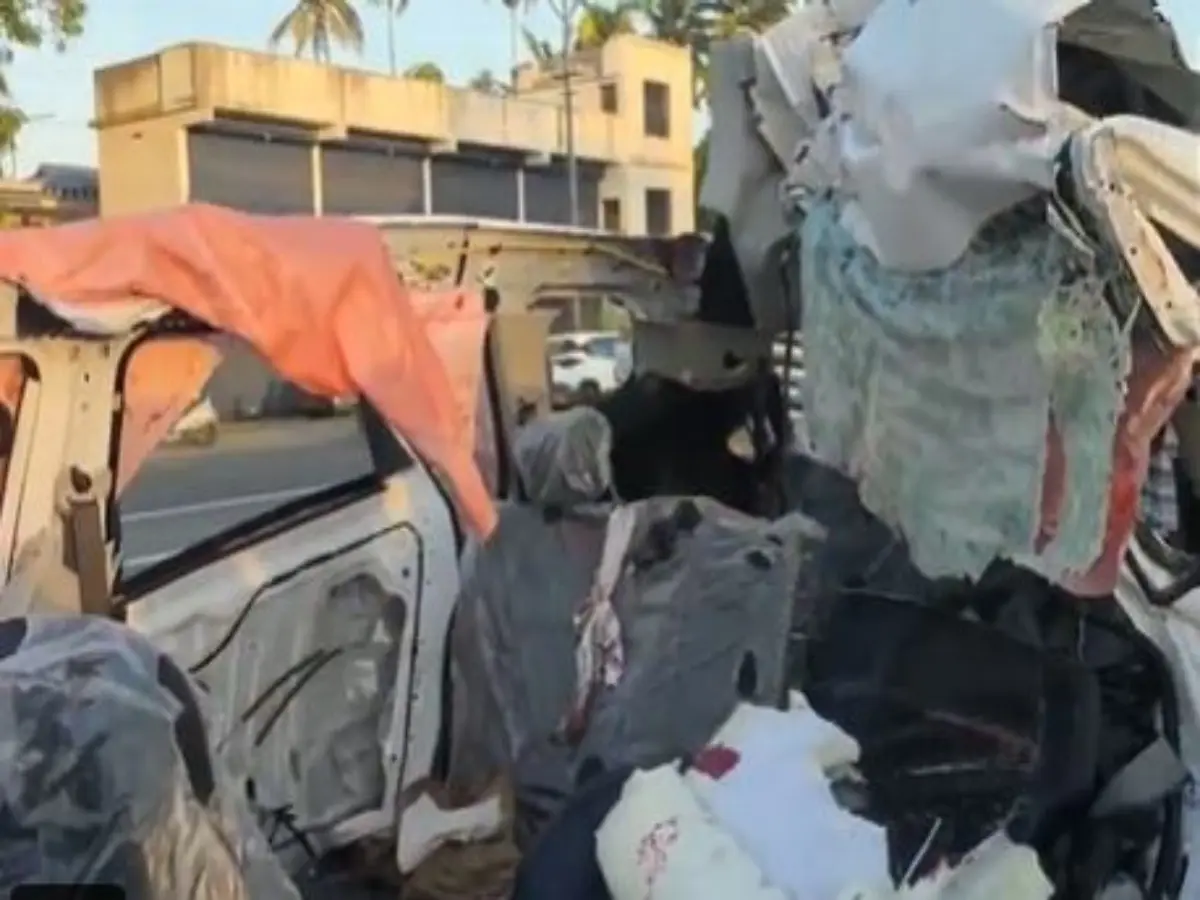)
Eight killed in Kerala’s Thrissur after car rams into lorry parked on highway
&im=FitAndFill=(700,400))
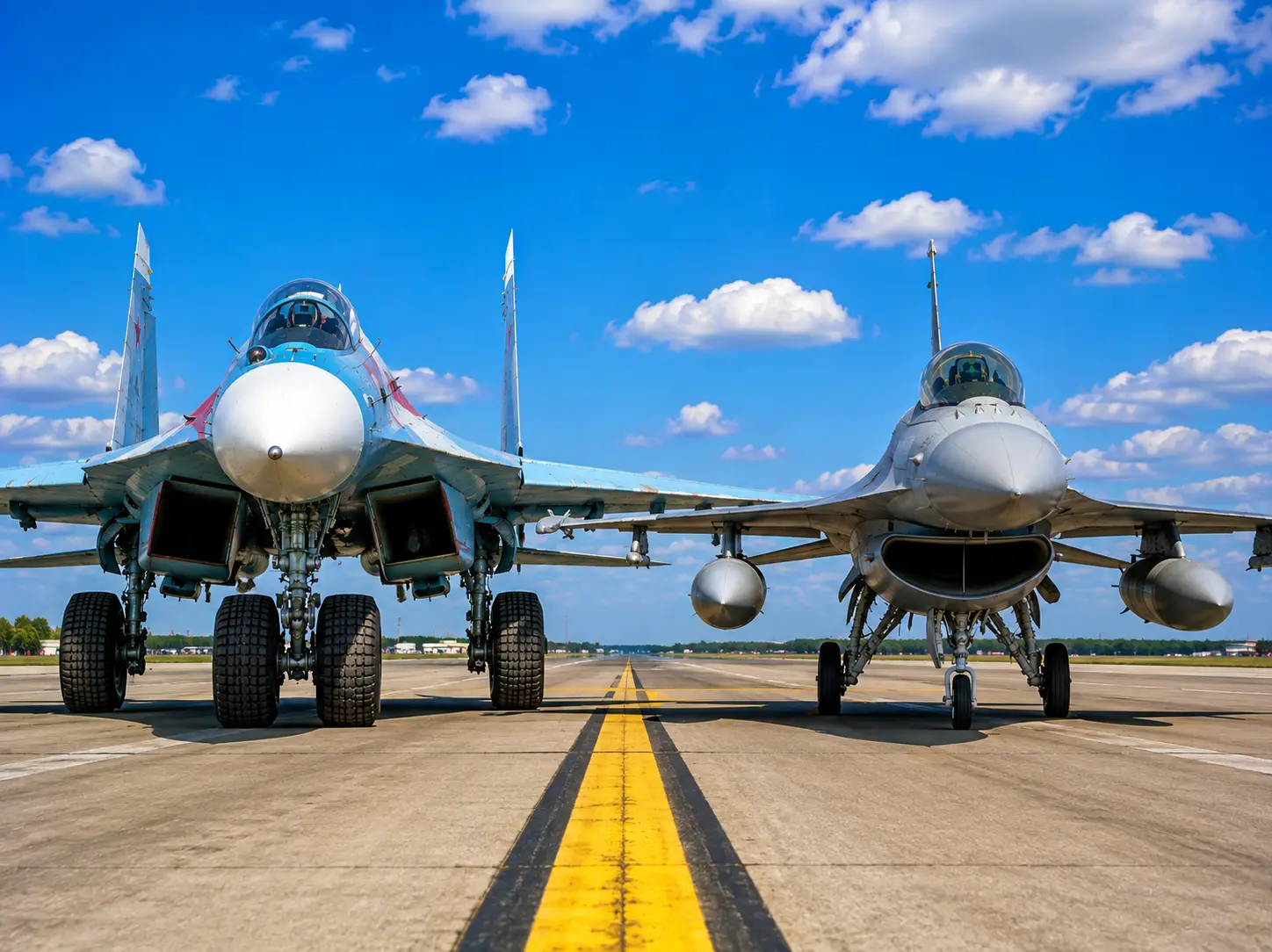
Why Russian fighter jets use bulky, low-pressure tyres compared to US jets
)
FBI-wanted fraud accused arrested in Jalandhar over $600,000 scam
&im=FitAndFill=(700,400))
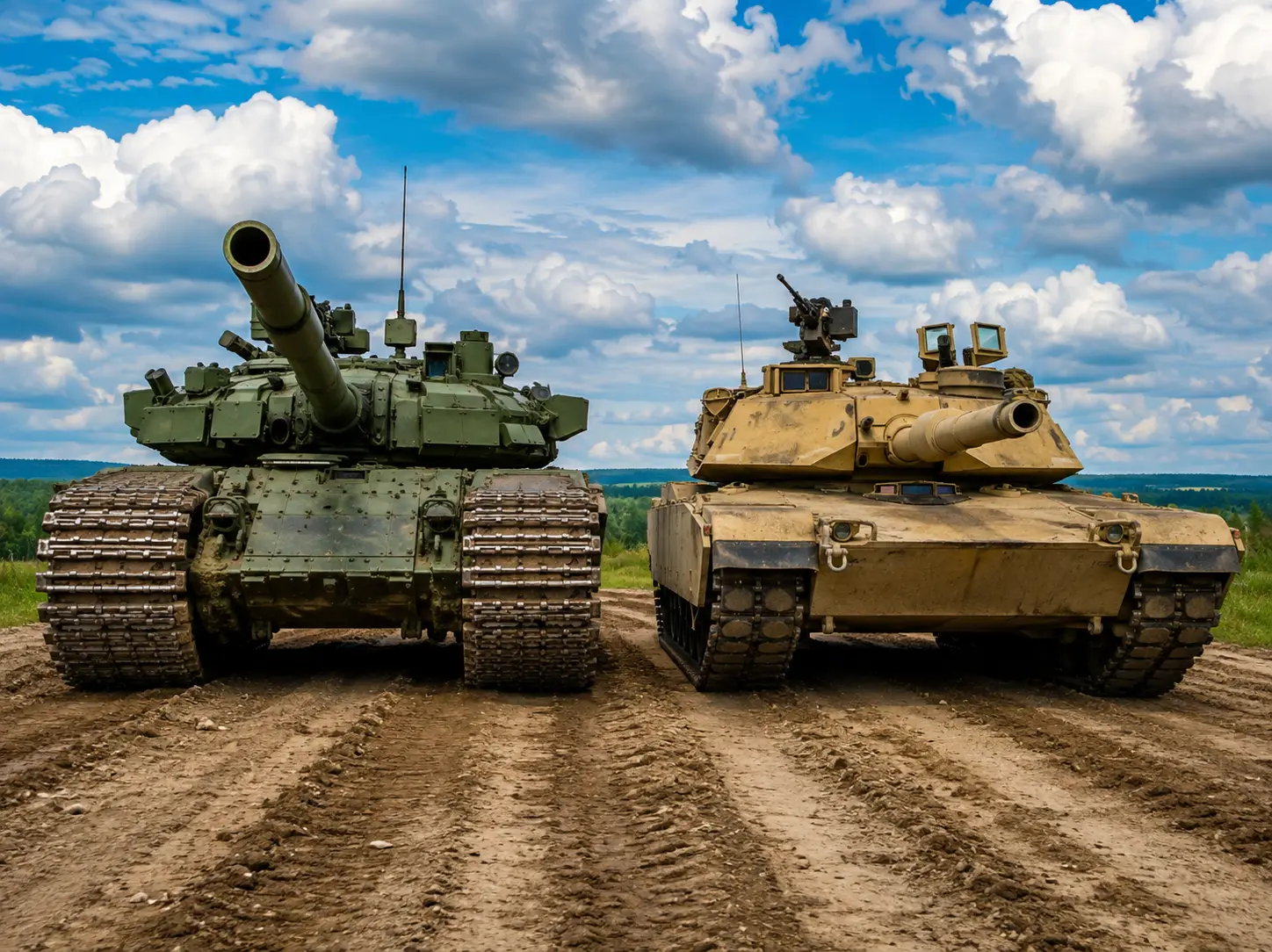
Why US tanks weigh over 20 tons more than Russian tanks
&im=FitAndFill=(700,400))
New Friday OTT releases (September 4, 2026): GDN, Dhamaal 4, Jagamae Sangeetham- Watch 6 new movies and TV shows on Netflix, Prime Video and more
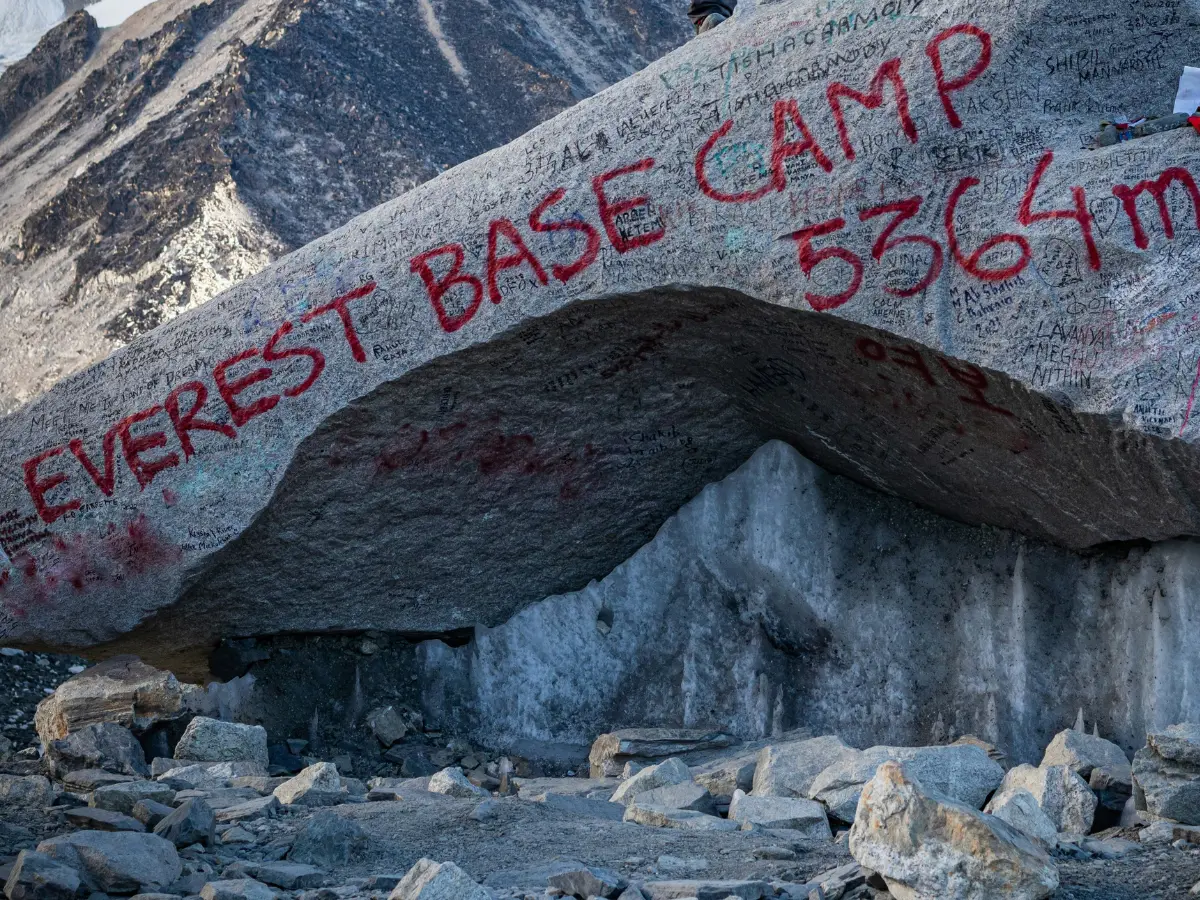)
Killing the Himalayas slowly: Human urine is melting a glacier on Mount Everest
But there is a caveat. There is still a huge difference between what BRICS can be and what it really is. This untapped potential of the grouping can be realised if the member states manage to work out their differences.
China and India have a border dispute to resolve; Saudi Arabia and the UAE have been dragged into the West Asia conflict. Iran and Russia have their own active wars to resolve.
The internal power dynamics have certainly not stopped these countries from engaging on common interests. But can they move further without resolving these issues? That remains a big question.
BRICS will bring together India, China and Russia once again after last month's SCO Summit.
Increased diplomatic engagements and coordination on the bilateral front have revived speculation regarding the RIC trilateral. Russia is striving to revive the activities of the Russia-India-China troika.
New Delhi, on the other hand, has shown cautious openness.
BRICS nations are facing three big challenges, which boil down to one aspect: the economy.
Tariffs, wars and energy — all of these affect the economy.
The strings of all these issues are, one way or another, attached to Washington, where the Trump administration will be watching the summit very closely. China and India are the world's second-largest economy and fastest-growing major economy, respectively.
Both countries are net importers of oil. The longer the Hormuz blockade continues, the greater will be the cost of energy.
Then come tariffs. The US President's tariff onslaught has left countries searching for new markets, and the economic component of BRICS could come into play on this front.
The grouping collectively represents 49.5 per cent of the global population, 40 per cent of world GDP and 26 per cent of global trade.
Last year's BRICS declaration called for comprehensive UN reform, multilateral trade reform and inclusive governance, while strengthening the group's role as a platform for Global South solidarity.
New Delhi has outlined four pillars for its BRICS chairship — resilience, innovation, cooperation and sustainability.
The focus will be on strengthening economic resilience to navigate global uncertainties and deepening multilateral engagement through policy coordination, development finance and trade facilitation.
When BRICS leaders gather in New Delhi on September 12 and 13, all eyes will be on how the forum positions itself in the wake of global challenges.
More importantly, how countries position themselves within the group itself amid internal differences and disputes.