

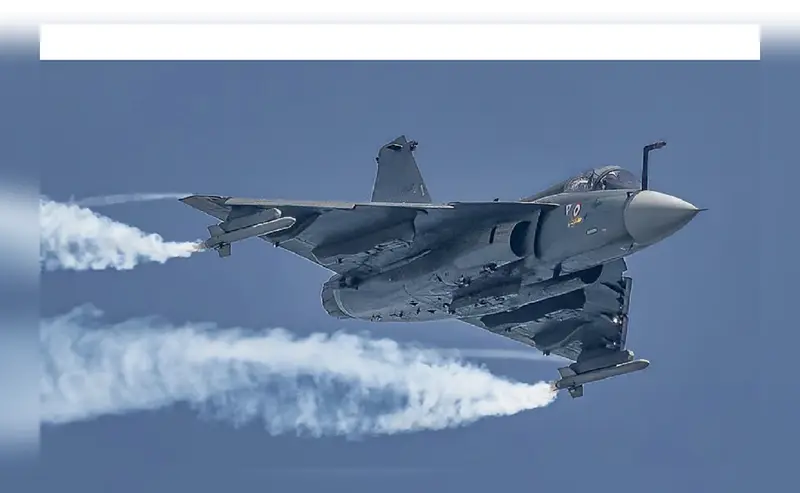
When the Indian Air Force’s Tejas fighter jet exploded into a ball of fire at Dubai’s Al Maktoum International Airport on Friday afternoon, families watching the airshow witnessed something no one should ever see—a pilot’s final moments playing out against a clear sky. Aviation experts who analysed the crash footage believe the aircraft was executing a negative G turn when disaster struck. But here’s the uncomfortable truth we need to talk about: this tragedy wasn’t just about what went wrong with the aircraft. It was about the inherent danger of pushing the laws of physics to their absolute limit at an altitude where there’s zero margin for error.
The video of the crash tells a chilling story. There was no ejection. Not because the pilot didn’t try, not because the zero-zero Martin-Baker ejection seat failed, but because at low altitude during aggressive manoeuvres, physics becomes your enemy. The term “zero-zero” means the seat can save a pilot’s life even at zero altitude and zero speed—literally while the aircraft is still on the runway. It’s an incredible piece of engineering that uses powerful rockets to blast the pilot clear of the aircraft and deploy a parachute within seconds. But here’s the catch: even this remarkable technology needs a minimum amount of time and height for the parachute to fully open and slow the pilot’s descent. When you are performing aerobatics just a few hundred feet above the ground and the aircraft suddenly loses control, that time simply doesn’t exist.
Let’s talk about what negative G really means in practical terms. When a fighter jet completes a loop and the pilot is upside down at the top, blood rushes to the head, vision can blur, and spatial awareness becomes challenged. Now imagine coming out of that loop, trying to level the aircraft, and suddenly something goes wrong. The Tejas, being a modern fighter, uses fly-by-wire technology—meaning there are no direct mechanical links between the pilot’s controls and the aircraft’s moving surfaces. Instead, computers interpret the pilot’s inputs and adjust the control surfaces accordingly, making the aircraft more stable and easier to handle. This system has multiple redundancies and is incredibly reliable. But what if, during a negative G manoeuvre at low altitude, the engine doesn’t respond as expected? Maybe there’s a compressor stall—where the engine temporarily chokes and loses power. Maybe the airflow gets disrupted for just a fraction of a second. At 10,000 feet, a pilot has time to troubleshoot, the fly-by-wire system has time to compensate, or the pilot can eject safely. At 500 feet during an aggressive manoeuvre? You have seconds, perhaps less.
This is why airshow crashes, though rare, are almost always fatal. The Rajasthan Tejas crash in March 2024 had a different outcome—the pilot survived because he had altitude. When that aircraft got into trouble, there was enough height for the ejection sequence to work properly. The zero-zero seat fired, the rockets blasted the pilot clear, the parachute deployed, and he walked away. But in Dubai, performing for spectators at low altitude, there simply wasn’t enough sky between the aircraft and the ground. By the time the emergency became apparent and the pilot may have attempted to eject, the aircraft was already too close for the parachute to deploy effectively.
Now, some argue that Dubai’s 35°C heat affected the engine performance. But this reasoning falls apart when you consider that India operates these jets in Rajasthan, where summer temperatures regularly exceed 45°C. The Tejas has performed flawlessly in those conditions for years. The aircraft from Sulur squadron that crashed had been flying since 2016 without incident. So why Dubai? Why now? The answer isn’t the desert heat—it’s the deadly combination of low altitude and complex aerobatics.
Here’s what most people don’t understand about airshow flying: it’s not normal flying. Combat missions, patrol duties, even training exercises—all these happen at safer altitudes with built-in safety margins. The fly-by-wire system is designed to prevent pilots from accidentally overstressing the aircraft during normal operations. But airshows demand that pilots push their machines to the visual limits at heights low enough for spectators to see the drama. The crowd wants to see tight turns, vertical climbs, and loops that make their hearts race. And pilots, being the brave professionals they are, deliver exactly that. But every single time they do, they’re gambling with physics in a way that leaves almost no room for mechanical failure or unexpected aircraft behaviour.
Trending Stories
&imwidth=180&imheight=135&format=webp&quality=medium)
'Hell of a beautiful a**': Trump compliments Nicki Minaj as rapper joins him in Michigan rally
&imwidth=180&imheight=135&format=webp&quality=medium)
'Hire the robot, fire the human': Bill Gates's words hint at a bleak future
&imwidth=180&imheight=135&format=webp&quality=medium)
Telangana unveils AI avatar of IT minister D Sridhar Babu at Hyderabad DevFest 2026
&imwidth=180&imheight=135&format=webp&quality=medium)
Who is Eyal Zamir, Israeli army chief, who reportedly clashed with Netanyahu over Iran?
&imwidth=180&imheight=135&format=webp&quality=medium)
Fire breaks out at Delhi’s North Block, thick black smoke seen | VIDEO
&im=FitAndFill=(700,400)&imwidth=180&imheight=135&format=webp&quality=medium)
Armoured vehicles vs main battle tanks: What is the real difference?
&imwidth=180&imheight=135&format=webp&quality=medium)
IND vs NZ: Tilak Varma sets world record with most T20I catches in a year
&imwidth=180&imheight=135&format=webp&quality=medium)
Harry Kane favourite to win 2026 Ballon d’Or ahead of Lamine Yamal and Kylian Mbappé
&imwidth=180&imheight=135&format=webp&quality=medium)
FIR filed against opposition MPs for ‘trespassing’ amid Jamia Millia students’ protest
&imwidth=180&imheight=135&format=webp&quality=medium)
WATCH | Virat Kohli returns to training ahead of New Zealand ODI series
&imwidth=180&imheight=135&format=webp&quality=medium)
Can Putin cheat death? All about his daughter’s billion-dollar quest for immortality
&imwidth=180&imheight=135&format=webp&quality=medium)
Daler Mehndi controversy: Mika Singh’s team confirms Subodh Uniyal’s apology
&im=FitAndFill=(700,400)&imwidth=180&imheight=135&format=webp&quality=medium)
How do army night-vision systems see in almost complete darkness?
&imwidth=180&imheight=135&format=webp&quality=medium)
Netanyahu warns Israelis of ‘existential threat’ from Iran, posts AI image of nuclear strike
&imwidth=180&imheight=135&format=webp&quality=medium)
Brazil re-elects factory worker Lula for fourth term; Indian PM Modi congratulates 'dear friend'
&imwidth=180&imheight=135&format=webp&quality=medium)
Pakistan airline PIA unveils new crew uniforms, faces online criticism
&imwidth=180&imheight=135&format=webp&quality=medium)
‘That is a miss’: Ravi Ashwin questions Sooryavanshi’s demotion to No. 3 in 2nd T20I vs NZ
&im=FitAndFill=(700,400)&imwidth=180&imheight=135&format=webp&quality=medium)
Why does this fighter jet have a golden window that looks like alien technology?
&im=FitAndFill=(700,400)&imwidth=180&imheight=135&format=webp&quality=medium)
New OTT releases this week (October 26-November 1, 2026): Baththa, Akka, The One About Matthew Perry- 7 titles coming on Netflix, Prime Video and more
&imwidth=180&imheight=135&format=webp&quality=medium)
Elon Musk’s Grok releases first AI-generated Odyssey episode, months after promising ‘historically accurate’ full-length film
&imwidth=180&imheight=135&format=webp&quality=medium)
'Already tired of his 9-to-5': Baby born with a moustache becomes internet sensation, video goes viral | Watch
&imwidth=180&imheight=135&format=webp&quality=medium)
Serbia’s student-led movement defeats Vucic’s party after 14 years in power: Why it matters
&imwidth=180&imheight=135&format=webp&quality=medium)
'I promised Gautam & Kotak Sir that...': Tilak Varma opens up on match-winning mindset against NZ
&imwidth=180&imheight=135&format=webp&quality=medium)
Maldives opposition leader demands transparency on Muizzu Govt's Pakistan defence, security deals
&im=FitAndFill=(700,400)&imwidth=180&imheight=135&format=webp&quality=medium)
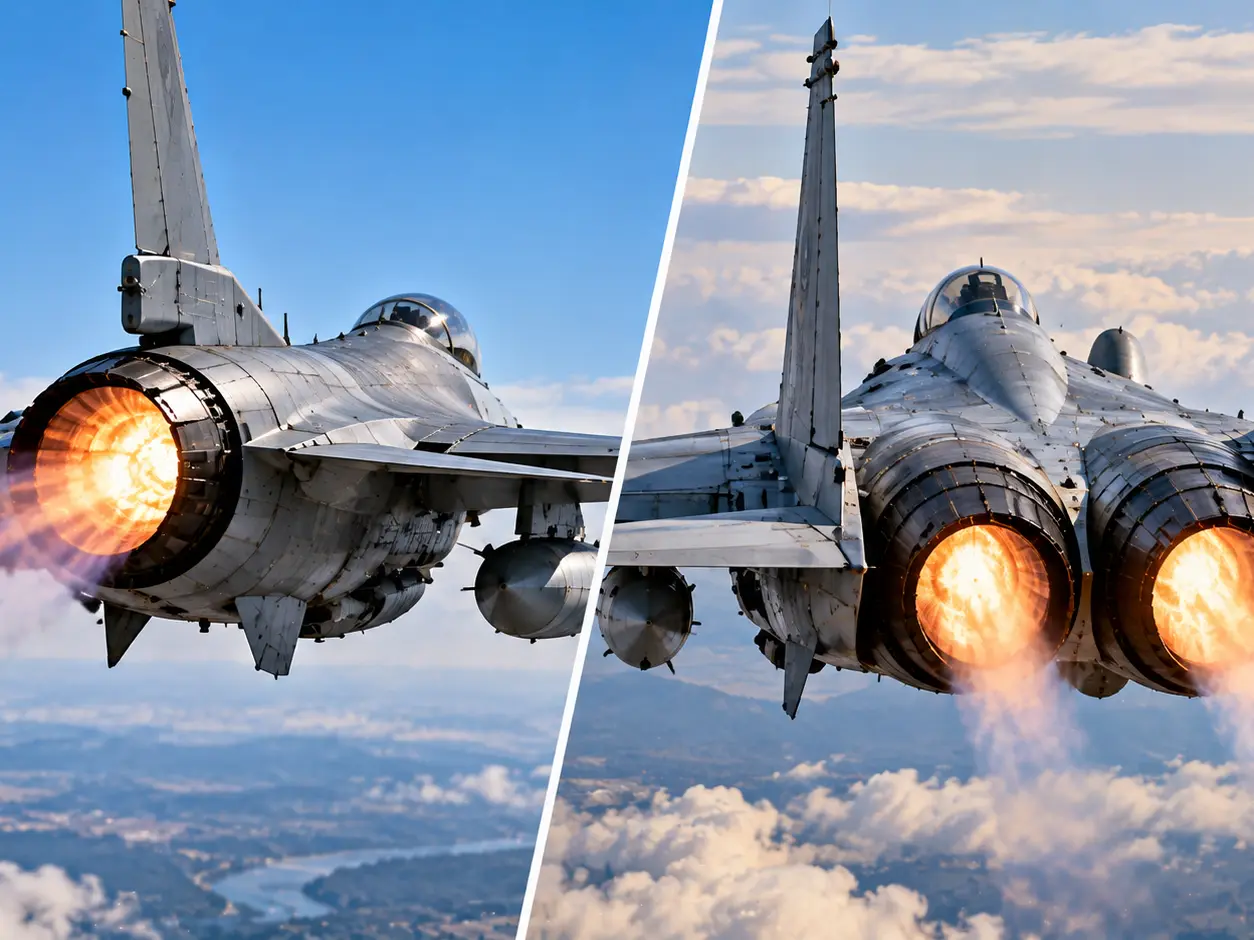
Why do some fighter jets have two engines while others use one?
&imwidth=180&imheight=135&format=webp&quality=medium)
Formula 1: Mercedes' Kimi Antonelli one race and ninth spot finish away from title after US Grand Prix win
&imwidth=180&imheight=135&format=webp&quality=medium)
Delhi's new entry rules for vehicles begin November 1. Here's all you need to know about the ban
&imwidth=180&imheight=135&format=webp&quality=medium)
'Clear overkill': Putin rejects claims Russia is behind mass protests in Europe
&imwidth=180&imheight=135&format=webp&quality=medium)
'I've done my work sincerely': AR Rahman on facing backlash over Ramayana soundtrack
&imwidth=180&imheight=135&format=webp&quality=medium)
Clayface tops North American box office, Elizabeth Holmes documentary follows close behind
&imwidth=180&imheight=135&format=webp&quality=medium)
Nagpur man fails to pay rent, allegedly prints fake Rs 500 notes worth Rs 37 lakh
&imwidth=180&imheight=135&format=webp&quality=medium)
Israel elections 2026: How the country is gearing up for a crucial vote
&imwidth=180&imheight=135&format=webp&quality=medium)
Donald Trump targets Bill Maher in lengthy post after White House dinner, says ‘Don’t call anymore’
&imwidth=180&imheight=135&format=webp&quality=medium)
'He is a red flag': Ex-India strength and conditioning coach on Rohit's fitness regime
The LCA Tejas has an impressive safety record—just two crashes in 24 years. Compare that to the MiG-21, which earned the grim nickname “flying coffin” for its numerous accidents. The Tejas was supposed to change that narrative, and largely it has. Its fly-by-wire controls make it inherently safer than older generation fighters. Its zero-zero ejection seat is among the best in the world. But safety records and advanced technology mean little when you’re performing aggressive manoeuvres at altitudes where even a one-second delay in recognizing a problem can be fatal. This isn’t a Tejas problem—it’s an airshow problem. F-16s have crashed at airshows. Sukhois have crashed. Even the legendary Blue Angels and Thunderbirds have lost pilots during displays. The aircraft type matters less than the unforgiving nature of low-altitude aerobatics.
So here’s the question we should be asking: Is it worth it? Is the spectacle of a fighter jet looping and rolling just a few hundred feet above the ground worth the risk to highly trained pilots who are national assets? These aren’t stunt performers—they’re combat-ready officers who’ve spent years mastering their craft. Every pilot lost in an airshow is a pilot who won't be available to defend the nation when it truly matters. The entertainment value for a few thousand spectators lasts minutes. The loss is permanent.
The investigation will tell us what mechanically failed or what sequence of events led to the crash. But we already know the larger truth: low-altitude aerobatics will always be dangerous, no matter how advanced the fly-by-wire system, no matter how skilled the pilot, no matter how reliable the zero-zero ejection seat. When you operate at the extreme edges of what’s physically possible with minimal altitude cushion, you’re accepting a level of risk that can turn catastrophic in an instant.
Perhaps it’s time we rethink how we showcase our military capabilities. Perhaps virtual reality displays, simulator demonstrations, or higher-altitude performances could deliver the same impact without putting irreplaceable human lives on the line. The pilot who died in Dubai gave everything to represent India on an international stage. But the real question is: should we have asked him to take that risk in the first place?
(Girish Linganna is an award-winning science communicator and a Defence, Aerospace & Geopolitical Analyst. He is the Managing Director of ADD Engineering Components India Pvt. Ltd., a subsidiary of ADD Engineering GmbH, Germany.)
