The Verdict | Africa is too big to remain a guest at the BRICS table


Africa is too big to remain a guest at the BRICS table Photograph: (ANI)
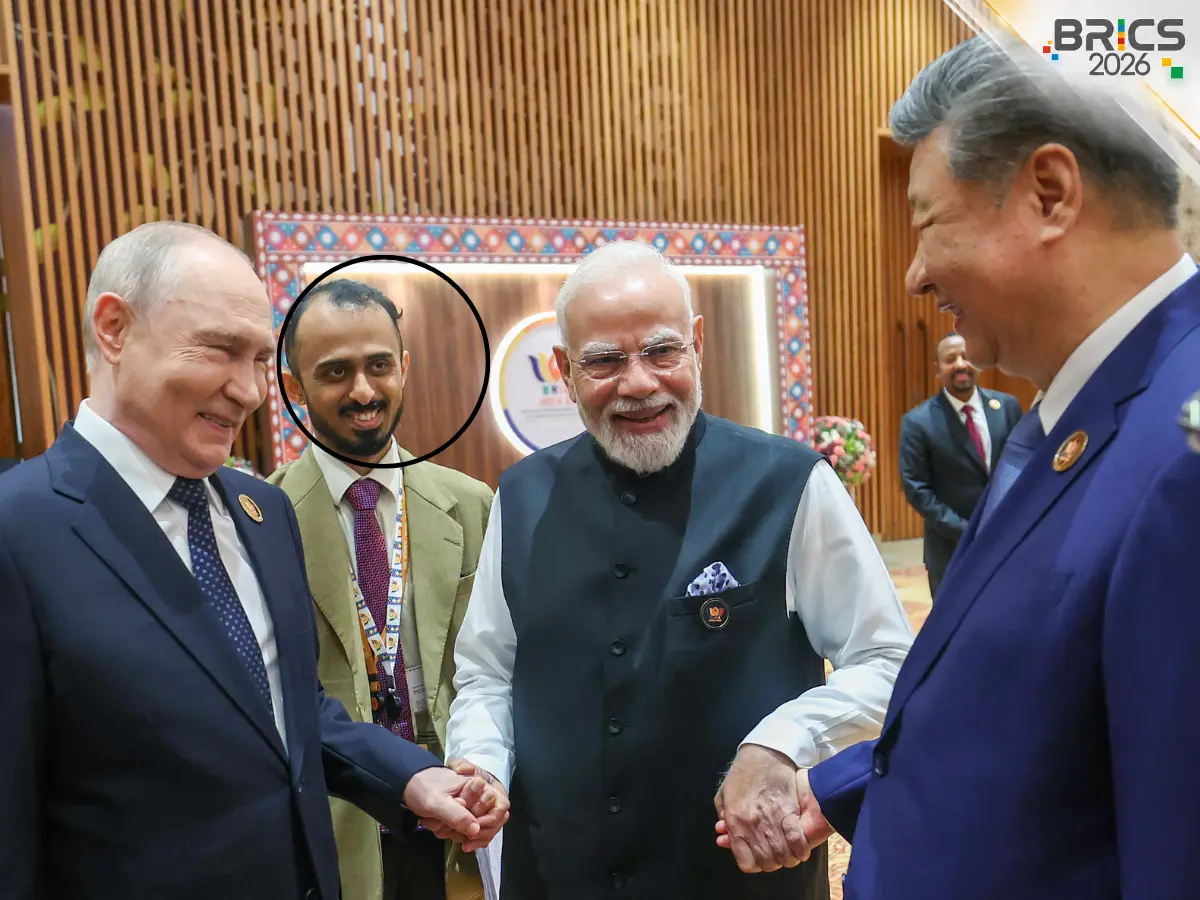
New Delhi has repeatedly pushed greater representation of the Global South, backed the African Union's elevation within the G20 and used its 2026 BRICS chairship to again place developing economies prominently on the agenda.
Africa has heard the compliments before.
The continent of the future. The world's youngest continent. A mineral powerhouse. The next great consumer market. An indispensable voice of the Global South.
All true.
But recognition without influence is merely applause.
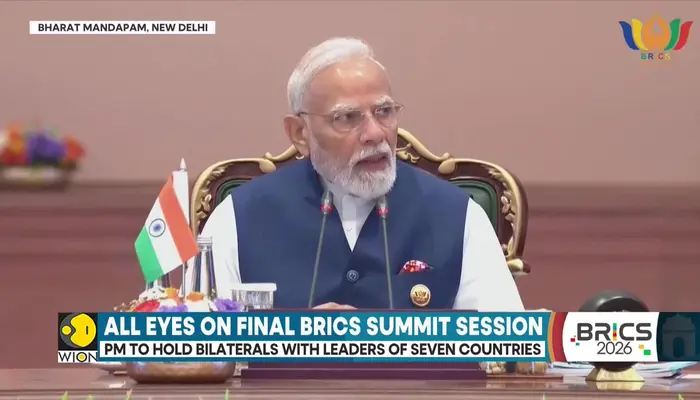
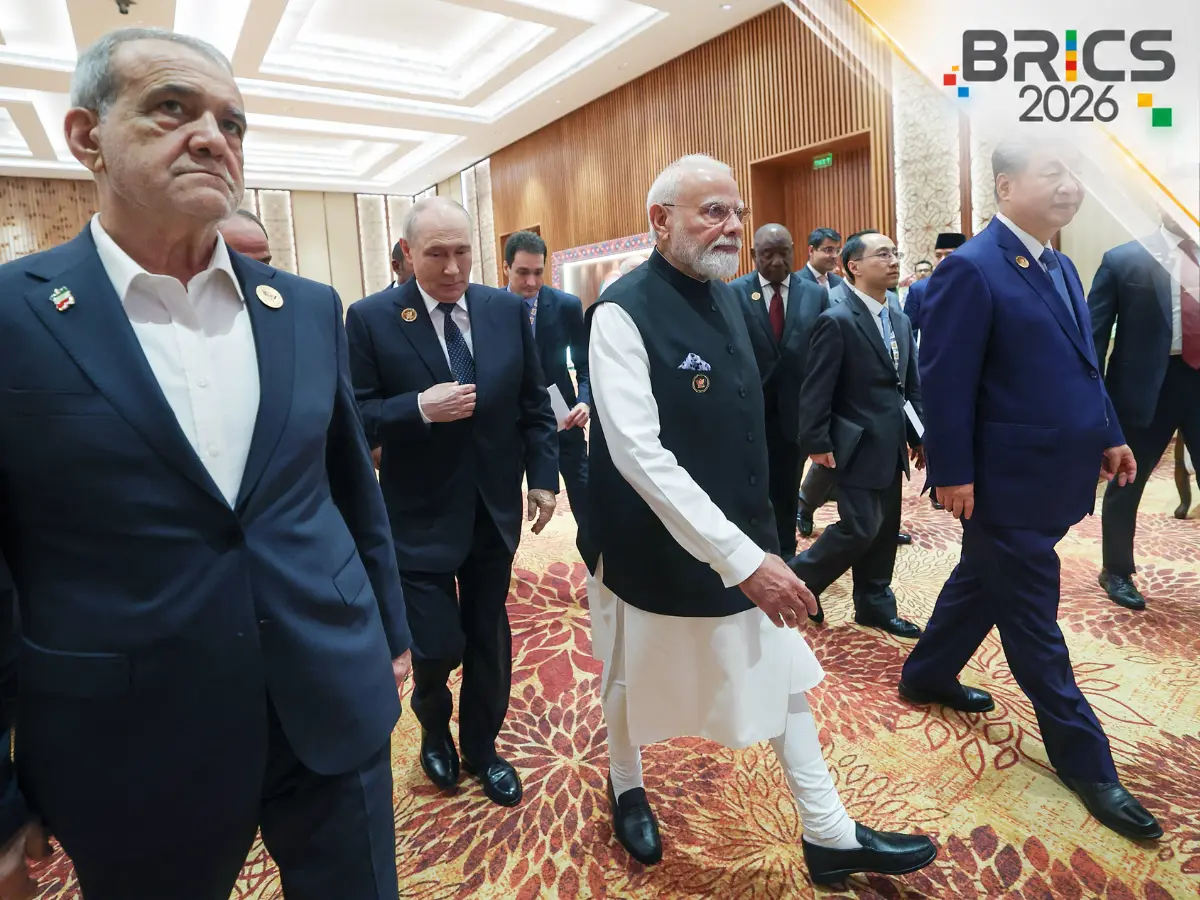
The New Delhi Declaration adopted at the BRICS Summit makes a powerful case for a more representative global order and greater participation by developing economies, particularly those from Africa, Asia and Latin America.
That is welcome.
Trending Stories
)
)
)
)
)
)
)
)
)
)
)
)
)
)
)
)
)
)
)
)
)
)
)
)
)
&im=FitAndFill=(700,400))
&im=FitAndFill=(700,400))
)
)
)
)
)
&im=FitAndFill=(700,400))
)
)
)
)
)
But Africa should ask an uncomfortable question: where is its power in this emerging order?
Africa has 54 countries and more than 1.5 billion people, yet only South Africa, Egypt and Ethiopia are full members of BRICS. Nigeria and Uganda are partner countries.
That is progress. It is not proportional power.
And simply stuffing BRICS with dozens more members is not necessarily the solution either.
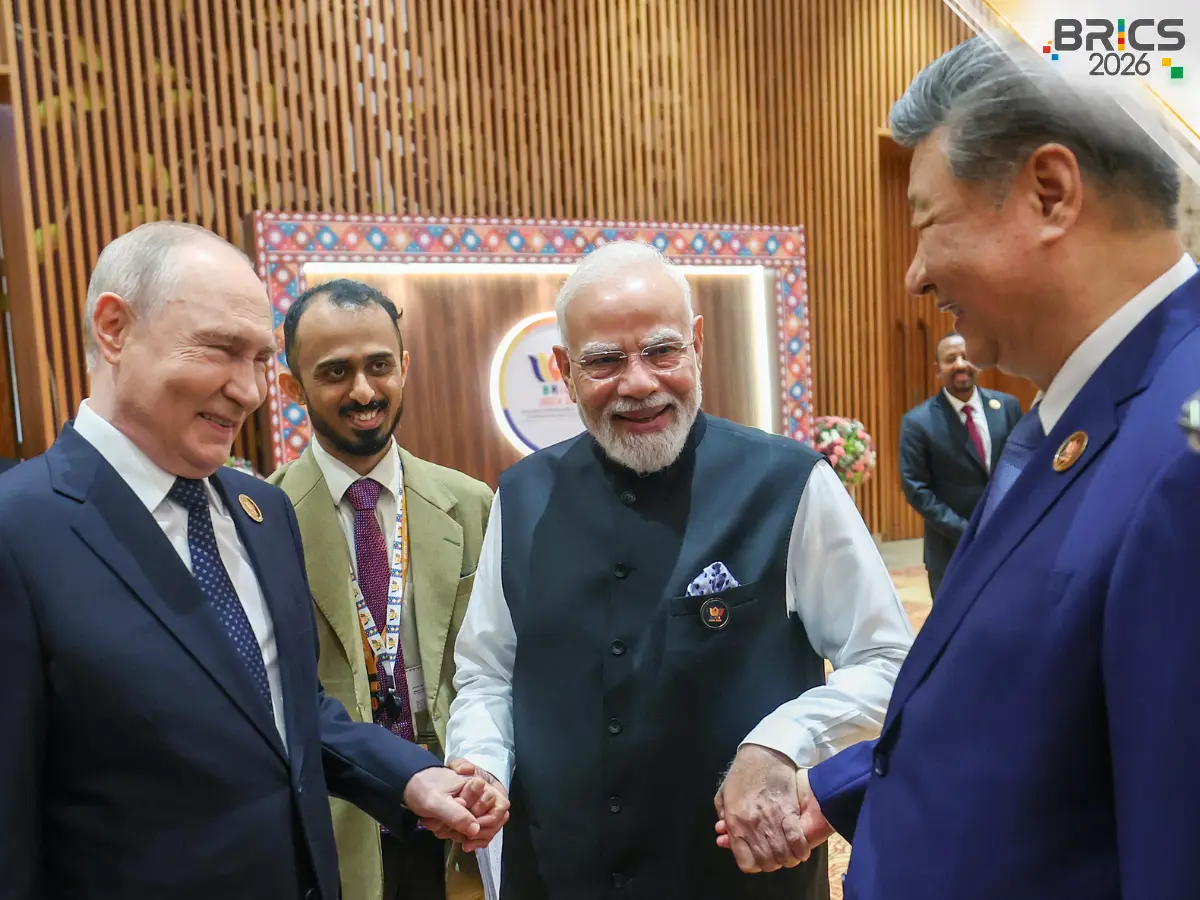
Expansion without coordination risks creating another enormous international talking shop — impressive family photographs, lengthy declarations and very little ability to act.
Africa therefore needs something more important than seats: a strategy.
This is where the African Union should become central.
Instead of African countries approaching emerging blocs primarily through individual national interests, the continent needs greater coordination around what it wants from them: infrastructure financing, industrialisation, technology transfer, energy security, agricultural transformation, value addition and reform of global financial institutions.
Africa possesses many of the resources the emerging world wants. It should negotiate accordingly.
India deserves recognition here.
New Delhi has repeatedly pushed greater representation of the Global South, backed the African Union's elevation within the G20 and used its 2026 BRICS chairship to again place developing economies prominently on the agenda.
That matters.
India and Africa also have something important in common: neither wants the international system permanently dictated by institutions reflecting yesterday's balance of power.
But partnership cannot mean replacing dependence on one centre of global power with dependence on another.
Africa should neither become an appendage of the West nor a bargaining chip for the East.
It should become a pole of power itself.
That means BRICS should not simply ask how many more African countries it can accommodate.
Africa should ask what membership actually delivers.
More African flags around the BRICS table will mean little if African economies continue exporting raw minerals only to import the finished products; if infrastructure gaps persist; if Africans remain underrepresented where global financial and security decisions are made; and if the continent's enormous population translates into market size but not negotiating strength.
The New Delhi Declaration talks about giving the Global South a greater voice.
Good.
Now Africa must use it.
Because the continent does not need another invitation to somebody else's table.
It needs the leverage to help decide what is served.