Priyanka ko Vanakkam

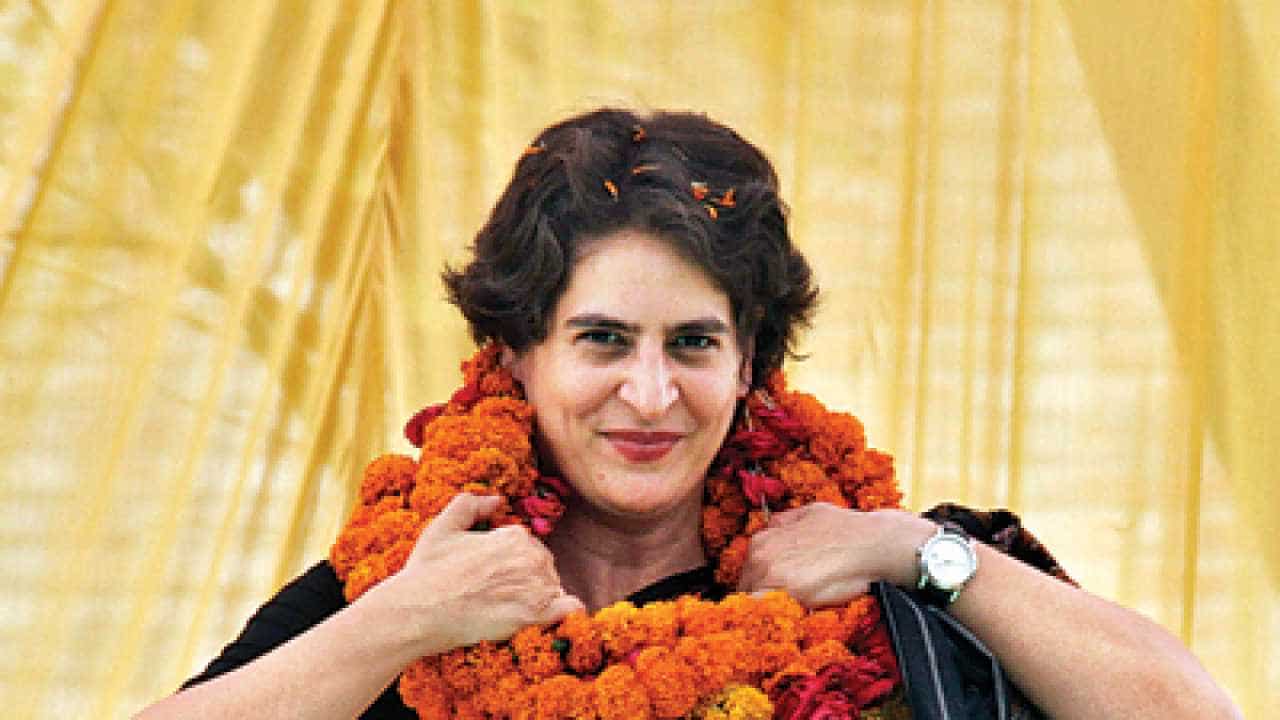
Priyanka Gandhi
Priyanka Gandhi Vadra's political debut as the Congress party's general secretary for eastern Uttar Pradesh is, as Prashant Kishor put it, one of the most awaited entries in Indian politics. It has created an unprecedented buzz and was the top trend worldwide on social media. That should make people in the party feel good. The question is what good will it do to the party's fortunes in the coming General Election. Equally important is the question: Why now?
As of now, no one knows whether and how her arrival on the scene will help the Congress party, hurt its principal opponent the BJP or harm the chances of friendly rivals like the Samajwadi Party and Bahujan Samaj Party. If the last of the Gandhis to take the plunge succeeds and the Congress ends up with a score or more Lok Sabha seats in UP besides becoming the main prop of a new government, then pundits and charlatans alike would hold forth on the success formula that did the trick. That is always after the results, never before.
On the other hand are those who believe that Priyanka's entry will wreck the SP-BSP alliance's chances of sweeping UP and boost the BJP's prospects, thereby ensuring the return of Prime Minister Narendra Modi.

Common to those rooting for her and the Cassandras is their view of Priyanka as a game changer. When, in fact, she may be not the game changer, but the game.
Seeing her as a game changer means speculating on the basis of outcomes which are unknowable at this stage. On the other hand, viewing her as the game could help one understand what considerations may have gone into the family's decision to launch her now.
The Congress party's sole aim is to increase its numbers in the Lok Sabha, regardless of whether this is achieved at the expense of the BJP, the SP-BSP alliance or any other party. Splitting the opposition vote has never held back any non-BJP party in electoral contests – every party is in the election, first and foremost, for itself. Thus, there is no reason for the Congress to give precedence to the interests and prospects of the SP-BSP alliance.
)
Former Pak PM Imran Khan's ex-wife Jemima Goldsmith marries Australian financier: Who is Cameron O'Reilly
)
Did India risk its US trade deal despite softer stance at BRICS?
)
Who is Kalyan Bainsla, accused in the Gurugram hit-and-run case involving woman biker?
)
UPI payments up to Rs 2,000 to stays free, but bigger transactions may soon cost you: Govt
)
Saudi Arabia discovers 110 million tonnes of Uranium-rich ore in Madinah region
)
Legendary costume designer Bob Mackie dies at 87: A look back at his iconic legacy
)
Pakistan puts Pak Rs 70 lakh bounty on UN terrorist Masood Azhar; move draws skepticism in Delhi
&im=FitAndFill=(700,400))
Emmys 2026 Red Carpet: Zendaya, Nicole Kidman and Julia Garner lead the glamour peak
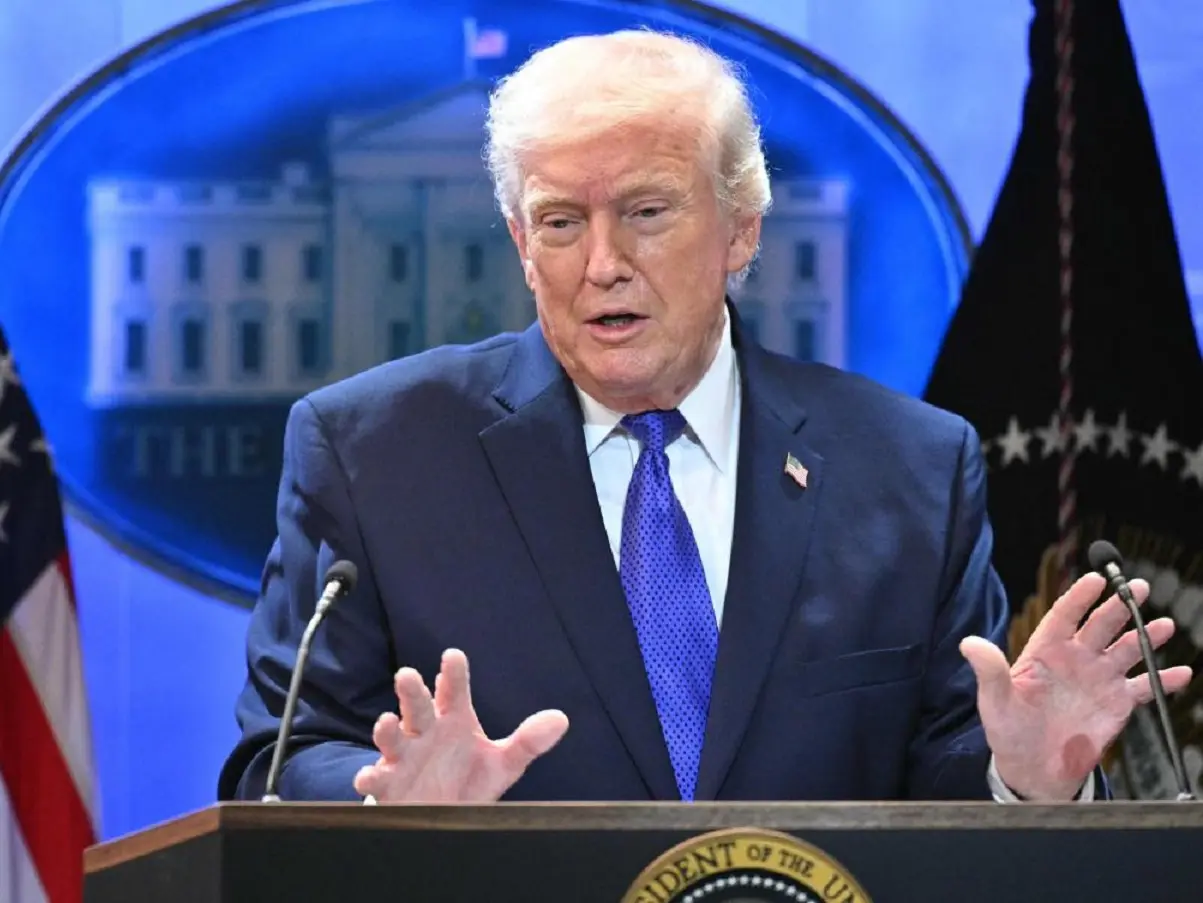)
‘US ensuring global energy supplies’: Trump demands reimbursement for securing Strait of Hormuz
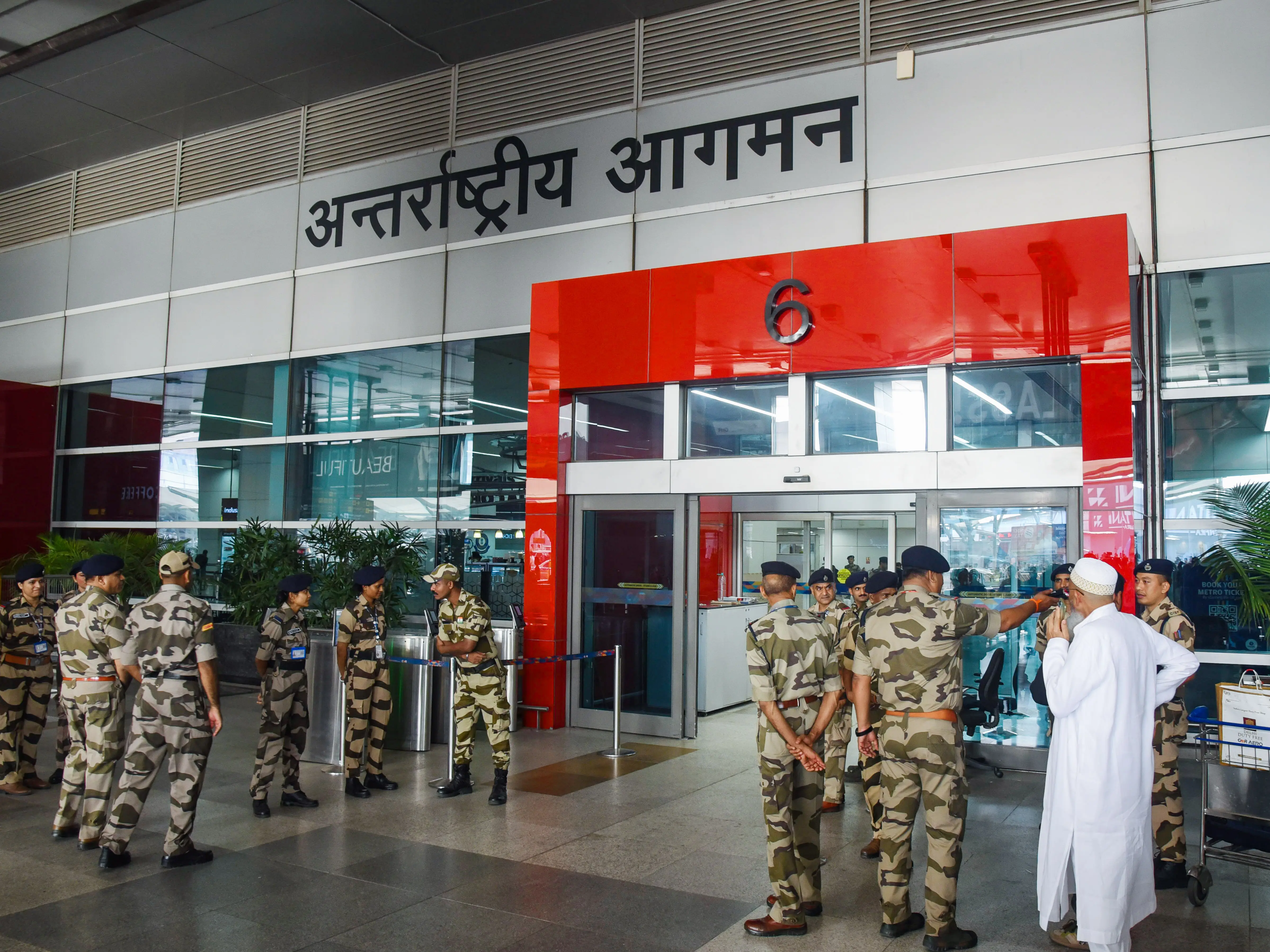)
3 Italians fly from Delhi to Munich without immigration clearance; Air India gets notice on major security lapse
)
800 million years old - Scientists discover 'fingerprints' of supercontinent Gondwana in ancient rocks
)
Emmys 2026: Michael J Fox honoured with Bob Hope Humanitarian Award for Parkinson’s advocacy
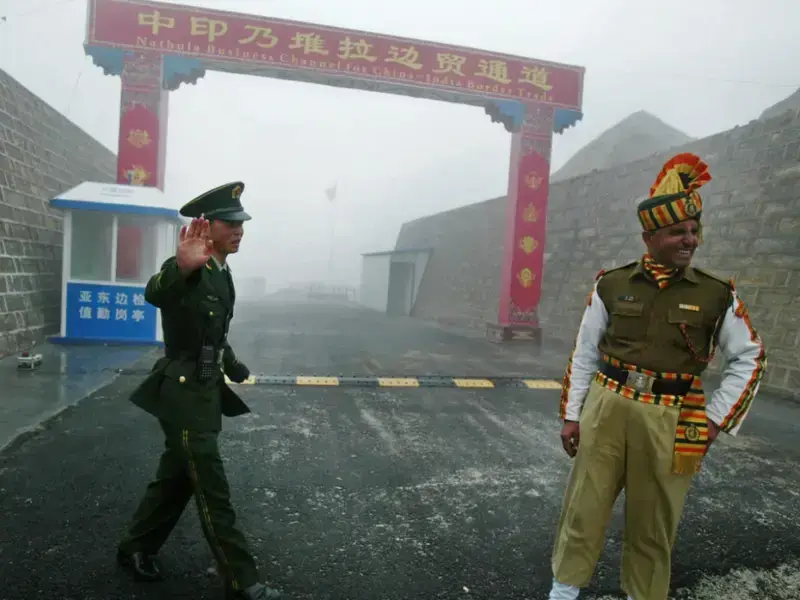)
China thinned Himalayan troop presence in 2025, India defence report says; terms border situation 'stable'
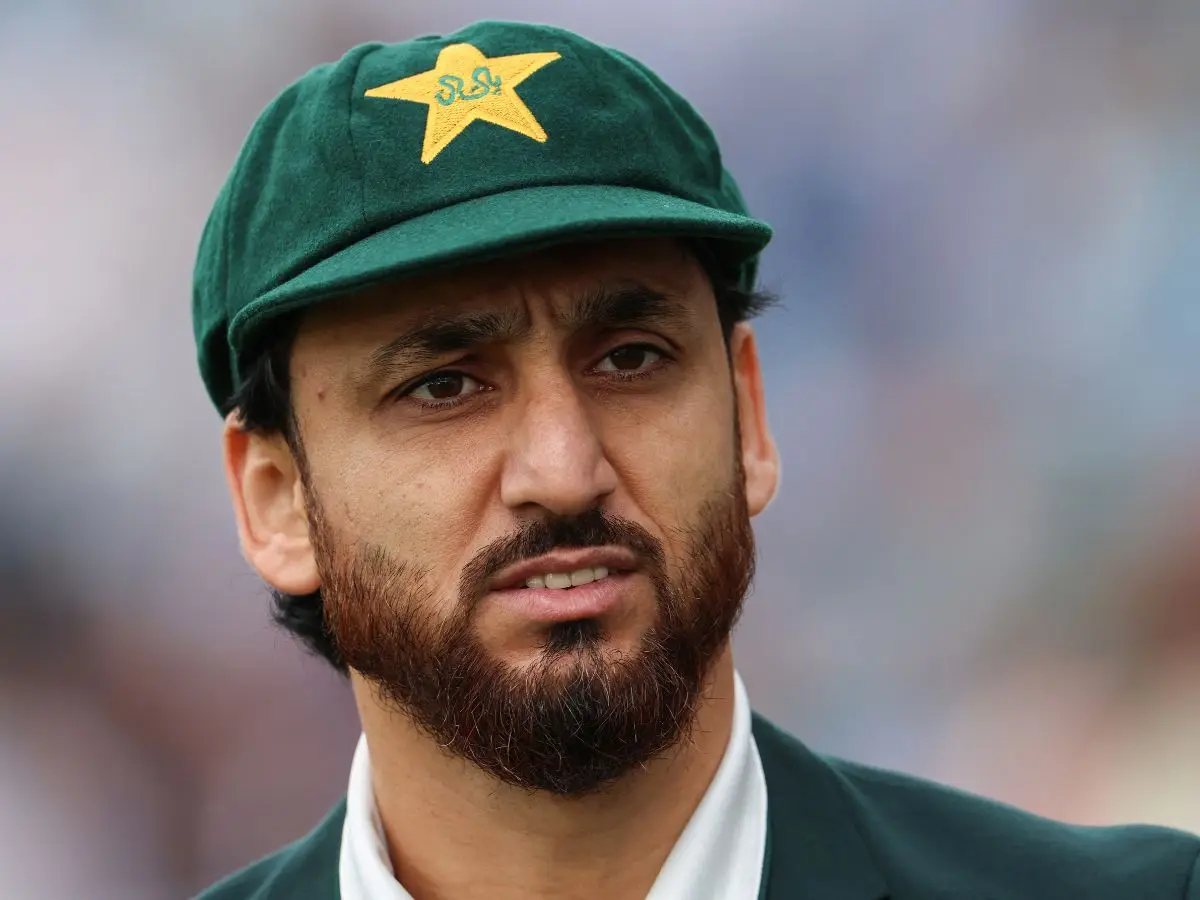)
Sent home midway from UK tour, Pakistan's Salman Agha hits 300* in domestic return
)
Emmys 2026 In Memoriam: Catherine O’Hara honoured by on-screen children Macaulay Culkin, Annie Murphy, Dan Levy; Dolly Parton, Rob Reiner remembered
)
Turkish Airlines plane flies through a storm three times, triggering severe turbulence
)
Extreme warming in Indian Ocean added 695 billion tons of ice to Antarctica ice sheet
&im=FitAndFill=(700,400))
New OTT releases this week (September 14-20, 2026): Lust Stories 3, Waiting Hai, Irumudi- 5 new titles coming on Netflix, Prime Video and more
)
Emmy Awards 2026: Widow's Bay and The Pitt win in lead categories- check out the complete list of winners
)
Trump downplays China's alleged 'help' to Iran in strike on Jordan base | Gravitas
)
Nigerian Navy seizes 10,000 litres of suspected illegal fuel in Rivers State crackdown
)
BCCI VP Rajeev Shukla says Mohsin Naqvi 'did not object' India refusing trophy from ACC chief
)
Ex-CIA official David Rush nears plea deal in $40 million gold bar theft case
)
Dodgers beat Reds for playoff berth in bid for third consecutive World Series
)
Video of Pakistani lawmaker struggling to read English tribute to Jinnah goes viral - WATCH
)
'Definitely feel bad for yourself': Kuldeep Yadav opens up on India Test snubs
)
UK man admits drugging, raping wife for 20 years in shocking abuse case
)
'She married her brother': Ilhan Omar faces criminal probe over immigration fraud claims
)
Gurugram hit and run case: Police arrest car driver Kalyan Bainsla, book him for attempt to murder
)
Ukraine strikes Syzran Oil Refinery deep inside Russia, fires erupt
)
Russia proposes to build 360 kmph Ivolga FG trains in India: What happened on sidelines of BRICS
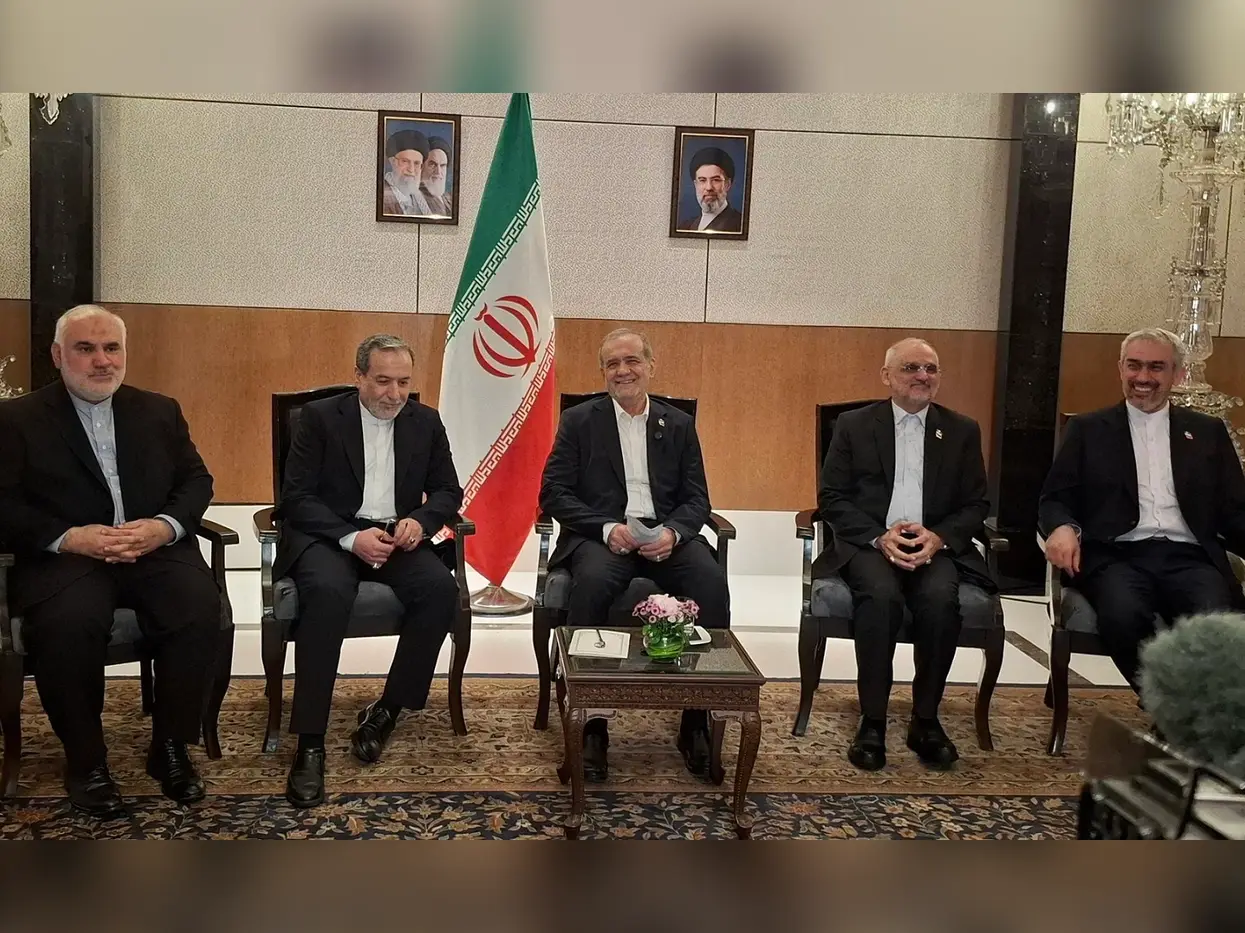)
Iran, India agree to deepen humanitarian and political ties, President Pezeshkian says
)
Indian-origin woman, Nepali-American friend crushed to death by subway train in New York
)
China's property crisis deepens as investment plunges nearly 20%
)
Ecstasy tablets are rage in 'drug haven' Libya | Gravitas
)
'Now Trump is copying us': Shivakumar links US $5,000 plan to Congress guarantees
)
Delhi govt to roll out ₹13,820 crore development projects under Seva Sankalp Abhiyan: CM Rekha Gupta
)
Trump loses Supreme Court battle over mail ballots ahead of US midterms: What happened?
)
What is Hyrox, in news for athlete who soiled herself, but kept running and using common equipment?
)
Emmys 2026: Matthew Rhys wins Best Actor twice, sets historic 78-year record
In UP, as elsewhere, the Congress party has hit rock-bottom. In the 2014 Lok Sabha elections, the party won two seats and its vote share was 7.5 per cent. And, Rahul Gandhi did not win by a flattering margin in Amethi. The BJP's vote share was 42 per cent and the SP and BSP together accounted for 41 per cent. The assembly elections of 2017 saw the Congress fare even worse – its vote share fell further to 6.2 per cent whereas the SP-BSP together managed 44.2 per cent against the BJP's 39.47 per cent.
The SP's poor showing in the assembly election was blamed on its alliance with the Congress. This made the SP embrace Mayawati's BSP, leaving the Congress to fend for itself as a bit player in a state that elects 80 members to the Lok Sabha.
In the event, the Congress had little choice but to raise the stakes stupendously and go for broke. Which is exactly what it has done. Electoral necessity requires that it cast the BJP as its main enemy. Survival demands that it take votes from whoever else it can. After its recent victories in Chhattisgarh, Madhya Pradesh and Rajasthan, there is no way the Congress can afford to be on the back foot. Any sign of being marginalised, even if by allies, could weaken its governments in Karnataka, Rajasthan and MP.
Two, Congressmen being what they are have always looked to a vote-getter from the family to get them elected, with the party having no base, grassroots cadres and organisational structures in many parts of the country.
Three, while it is all very well to say that the non-BJP parties would decide their Prime Minister after the elections, the Congress has to project itself as the main challenger to the BJP. As matters stand and it became evident at the opposition's Kolkata rally, Rahul is not accorded any precedence over Mayawati and Mamata Banerjee.
With Sonia Gandhi retiring, the party would be bereft of a woman leader. This is a fraught deficiency in a party where, after Jawaharlal Nehru, it is two women – Sonia and Indira Gandhi – who were its most powerful leaders for long periods in the last 50 years. After Nehru, it is only under Sonia that the Congress got elected for two full terms. And, in history, Indira as a leader who won a war and split an 'enemy country' would occupy more pages than even Nehru.
These, among other considerations, left Priyanka as the only game the Congress could have played in the hope of a hawa turning the electoral tide.
(Disclaimer: The opinions expressed above are the personal views of the author and do not reflect the views of ZMCL)