India’s 3F problem is not a crisis: Whimsical US is the elephant in the room

&imwidth=600&imheight=450&format=webp&quality=medium "India’s 3F problem is not a crisis: Whimsical US is the elephant in the room")
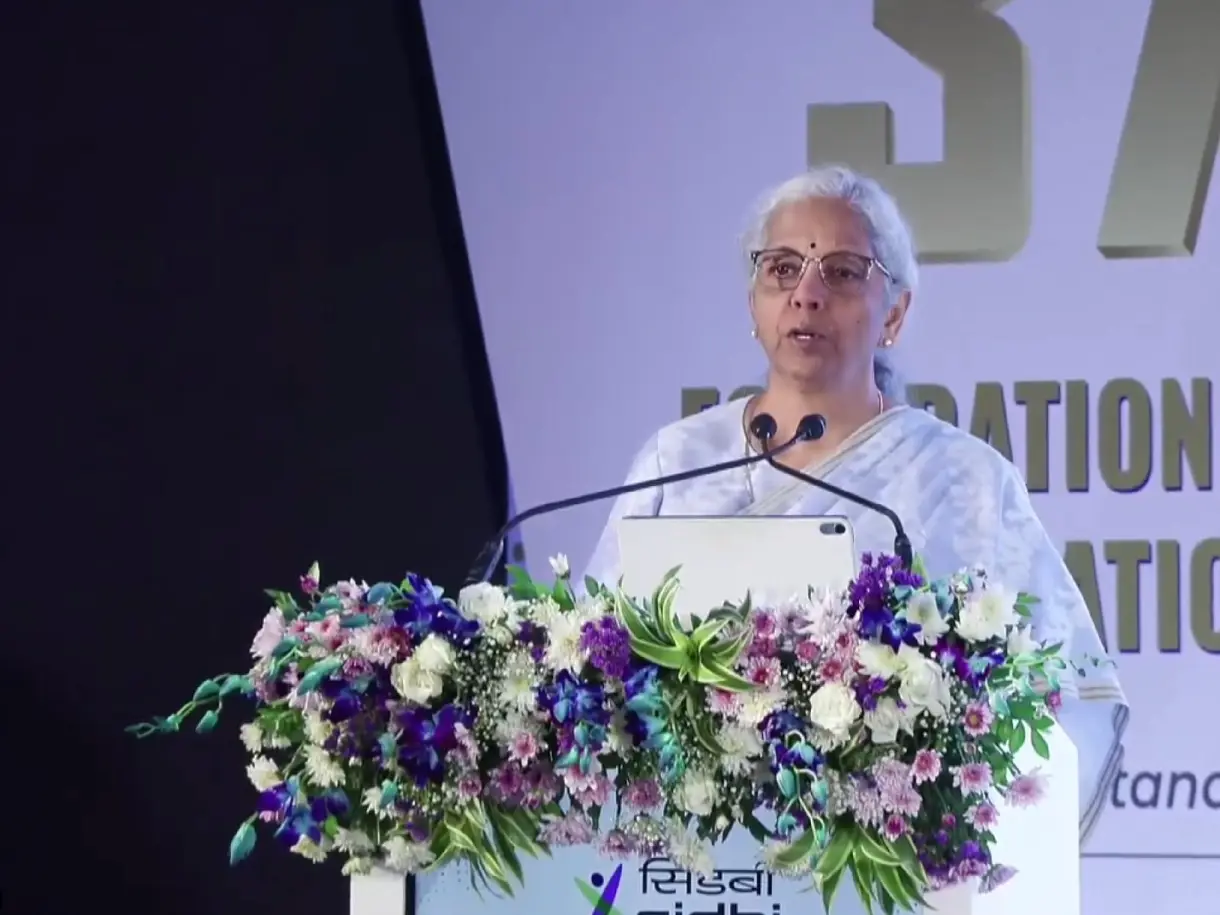
FM Nirmala Sitharaman said rising prices of fuel, fertiliser and gold were posing major external challenges for India. Photograph: (X)
As the world’s largest recipient of remittances, India’s forex inflows on that account grew from $10 billion in 1998 to a record $135 billion in 2024/25. Total reserves have fallen from $728 billion in late February to $689 billion in mid-May, triggering a forex crunch.
It was six men of Indostan
To learning much inclined,
Who went to see the Elephant
(Though all of them were blind),
That each by observation
Might satisfy his mind.
While India’s economy is facing what looks like multiple challenges, what I thought of this week was chemistry, not economics. With good reason. In my high school chemistry, I learnt about how German chemist August Kekule discovered the structure of benzene, which has six carbon atoms arranged in a cyclical form. The legend goes that he solved the puzzle of the benzene molecule while dozing by the fire where he had a daydream about a snake twisting and biting its own tail, inspiring a closed ring.
As Finance Minister Nirmala Sitharaman spoke this week about three Fs being India’s challenge, I was wondering if we need to understand the cyclical structure of some key factors affecting the country’s economy to get a hang of what is going on. Ms Sitharaman mentioned fuel, fertiliser and foreign exchange reserves as the top challenges. Her speech’s alliterative charm aside, it all may have to do with some other letters, such as H for Hormuz or H1B, IT for information technology and AI for artificial intelligence. There are those who might expand her third F to include FDI and FPI – foreign direct investment and foreign portfolio investments.
It seems this is a season for blame-games and casual diagnostics as economists dig up their own reason to explain what went wrong as the Indian rupee touched Rs 96 to the US dollar with oil prices surging and the crisis around the Strait of Hormuz blocked India’s easy access to vital fuel and fertiiser links with West Asia.
One economist mentioned a lack of fresh reform as the reason for FDI stalling for the past couple of years or so. Another, with a similar fund-management orientation, spoke of how India is a laggard in the AI game, and thereby unattractive to foreign portfolio investors who have pulled out an estimated $40 billion out of the Indian markets over the past year.
Yet another economist murmured about how Supreme Court cases linked to investments discouraged investors. One more pointed to Prime Minister Narendra Modi’s BJP rule having a deleterious effect on social harmony through its Hindutva ideology that in turn affected investor mood. It seems like “The Blind Men And the Elephant” in the poem with that title, economists have their own favourite way to describe a downturn in the economy.
Trending Stories
&imwidth=280&imheight=210&format=webp&quality=medium)
&im=FitAndFill=(700,400)&imwidth=280&imheight=210&format=webp&quality=medium)
&imwidth=280&imheight=210&format=webp&quality=medium)
&imwidth=280&imheight=210&format=webp&quality=medium)
&imwidth=280&imheight=210&format=webp&quality=medium)
&imwidth=280&imheight=210&format=webp&quality=medium)
&imwidth=280&imheight=210&format=webp&quality=medium)
&imwidth=280&imheight=210&format=webp&quality=medium)
&imwidth=280&imheight=210&format=webp&quality=medium)
&imwidth=280&imheight=210&format=webp&quality=medium)
&im=FitAndFill=(700,400)&imwidth=280&imheight=210&format=webp&quality=medium)
&imwidth=280&imheight=210&format=webp&quality=medium)
&imwidth=280&imheight=210&format=webp&quality=medium)
&imwidth=280&imheight=210&format=webp&quality=medium)
&imwidth=280&imheight=210&format=webp&quality=medium)
&imwidth=280&imheight=210&format=webp&quality=medium)
&imwidth=280&imheight=210&format=webp&quality=medium)
&imwidth=280&imheight=210&format=webp&quality=medium)
&imwidth=280&imheight=210&format=webp&quality=medium)
&imwidth=280&imheight=210&format=webp&quality=medium)
&imwidth=280&imheight=210&format=webp&quality=medium)
&im=FitAndFill=(700,400)&imwidth=280&imheight=210&format=webp&quality=medium)
&imwidth=280&imheight=210&format=webp&quality=medium)
&imwidth=280&imheight=210&format=webp&quality=medium)
&imwidth=280&imheight=210&format=webp&quality=medium)
&imwidth=280&imheight=210&format=webp&quality=medium)
&imwidth=280&imheight=210&format=webp&quality=medium)
&imwidth=280&imheight=210&format=webp&quality=medium)
&imwidth=280&imheight=210&format=webp&quality=medium)
&imwidth=280&imheight=210&format=webp&quality=medium)
&imwidth=280&imheight=210&format=webp&quality=medium)
&imwidth=280&imheight=210&format=webp&quality=medium)
&imwidth=280&imheight=210&format=webp&quality=medium)
Strangely enough, they remind me of the six carbon atoms of the benzene molecule – each one partly right as they blindly grope a giant economy to describe its shape, much like the blind men who felt various parts of the elephant in the poem by John Godfrey Saxe seven years after Kekule dreamt of that benzene snake.
I would like instead to point out to some strange phenomena that we often overlook. India survived the balance of payments crisis of 1991 with a structural adjustment loan from the International Monetary Fund (IMF) and then survived three more shocks in the decade that followed: the Asian financial crisis of 1997 that saw the region’s currencies battered by capital flight and the US sanctions linked to nuclear tests staged in 1998 by Prime Minister Atal Behari Vajpayee’s BJP-led government and the Internet “dotcom” crash circa 2000.
Having been there and seen all that, the problem seems hardly like a crisis to me, but what strikes me is the way Indians take much for granted, including the grand assumption that imported cooking gas is a birthright. Unlike the 1990s. Indians can now easily invest abroad, gorge on imported chocolates and olives, take overseas holidays and get their teenagers educated abroad – all aided by IT and IT-enabled services exports and inward remittances from overseas Indians many of whom are able to send money back home to Bharat because of their IT connection. From $4 billion circa 1998 to $246 billion in 2025/26, software and allied exports have actually helped stabilise foreign exchange reserves in India at high levels, dramatically lowering the external threats to the economy.
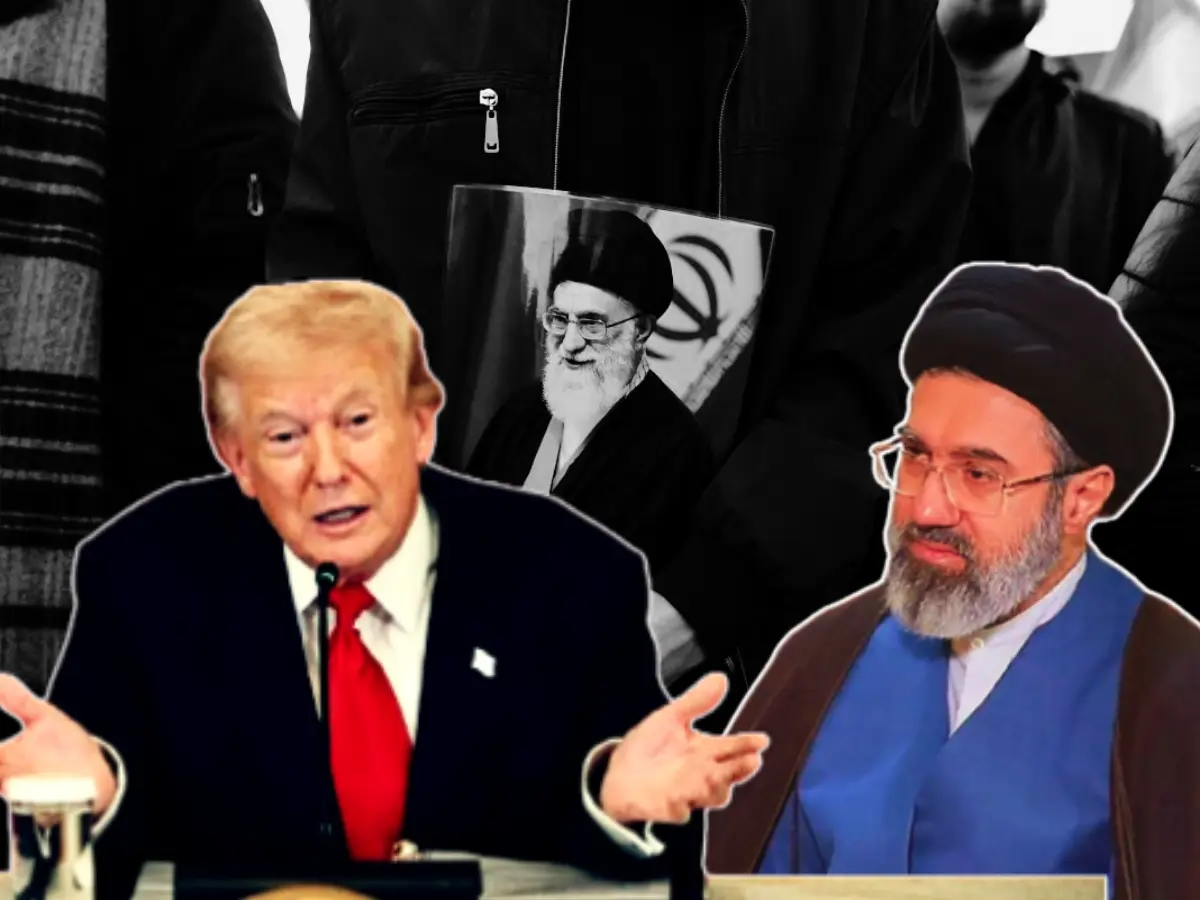
As the world’s largest recipient of remittances, India’s forex inflows on that account grew from $10 billion in 1998 to a record $135 billion in 2024/25. Total reserves have fallen from $728 billion in late February to $ 689 billion in mid-May triggering a forex crunch. Look hard, and most of it can be blamed on the US-Iran war and the oil shock that it triggered. No doubt, the government was not fully prepared for this. But the elephant in the room (there we go again with that elephant metaphor) is the Hormuz crisis and India’s blow-hot-blow-cold relations with the US, which last August imposed hefty 25% and later 50% tariffs on Indian imports months before its Operation Epic Fury that hit Iran in late February.
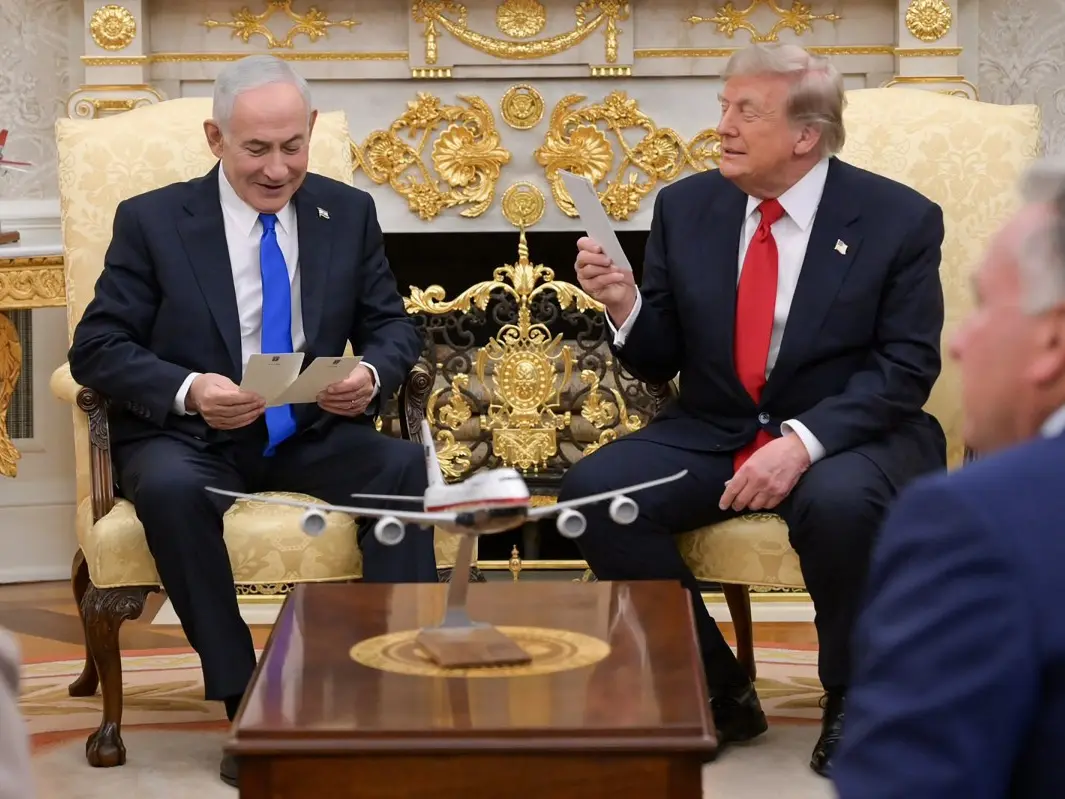
The real issue for India now is how to deal with the Trump administration in the US, which has now tightened restrictions on Green Card applications and H1B visas that hurt Indians most. This may hinder or stymie remittances as well as IT exports, apart from the AI threat that is off-putting both stock market investors and cautious IT watchers.
The core issue are not Supreme Court cases or other issues cited by some economists.
Take a look at the numbers. India’s fertiliser imports totalled about $27.2 billion in 2025/26 and crude imports cost $137.6 billion. But in the very first month of the new fiscal year that started in April, oil imports have shot up by about 60% from the year-ago period, mainly on account of surging crude prices. As recently as last year, the total of about $165 billion spent on fuel and fertilisers was significantly below the software industry’s exports.
What India is witnessing thus is a mini version of what Asian economies witnessed in 1998. India’s smart economists were then clear that India should not be in a hurry to liberalise the rupee on the capital account.
India has seen FPI outflows of about $40 billion in the past year, more than half of it in the past three months. It does not take a rocket scientist to link it to the whimsical ways of the US and its impact on the oil economy.
The implications are clear. While a lot can and should be done to fix the Indian economy, roundabout long-shot tales by half-blind economists is not it. With the wisdom of smart policies that helped India in the 1990s, a lot more can be done.
But the focus should be on the trade deal with the US in suspended animation. With everything from AI to visas messing up the backbone of India’s foreign exchange reserves, the Modi government needs to get the trade deal right. Everything else seems like a distraction, though not irrelevant.