Hormuz Hostage: Trump, Netanyahu and Iran’s high-stakes game of escalation

&imwidth=600&imheight=450&format=webp&quality=medium "Hormuz Hostage: Trump, Netanyahu and Iran’s high-stakes game of escalation")
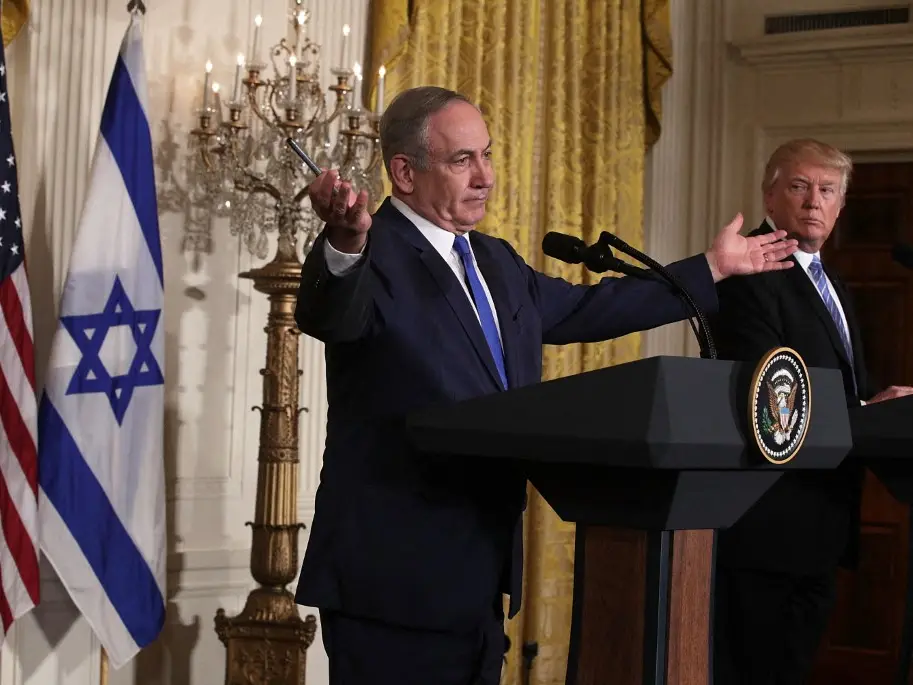
Hormuz Hostage: Trump, Netanyahu and Iran’s high-stakes game of escalation Photograph: (Credit: AFP)
Inside the high-stakes friction between Donald Trump, Benjamin Netanyahu, and Tehran as a naval blockade and the Strait of Hormuz crisis push global energy to the brink.
A downed American helicopter, retaliatory US strikes, Iranian counterattacks, Israeli operations across multiple fronts and renewed Houthi disruptions in the Red Sea have brought West Asia to another dangerous moment. Yet beneath the military exchanges lies a more consequential struggle. Trump seeks a politically marketable deal before electoral pressures intensify. Netanyahu sees military pressure as the pathway to strategic dominance and political survival. Iran believes Hormuz and its network of proxies remain its strongest bargaining chips. The region's future will depend on which of these competing visions prevails.
“Wars end when adversaries agree on the future. Today, Trump, Netanyahu and Iran are imagining three entirely different futures.”
Three Men, Three Wars
Trump, Netanyahu and Iran are not fighting the same war.
- Trump’s clock is electoral. He is looking toward the US midterm elections and wants to avoid being trapped in an open-ended Middle Eastern war while still appearing tough on Iran.
- Netanyahu’s clock is political survival. He has long understood that in Israeli politics, a leader under legal or political pressure can regain space through a security-centric national narrative.
- Iran’s clock is strategic endurance. Tehran believes that time, geography and asymmetric warfare favour it against materially stronger adversaries.
Trending Stories
)
)
&im=FitAndFill=(700,400))
&im=FitAndFill=(700,400))
)
)
)
)
)
)
&im=FitAndFill=(700,400))
)
&im=FitAndFill=(700,400))
)
)
)
)
)
)
)
)
)
)
)
)
)
)
)
)
&im=FitAndFill=(700,400))
)
)
)
&im=FitAndFill=(700,400))
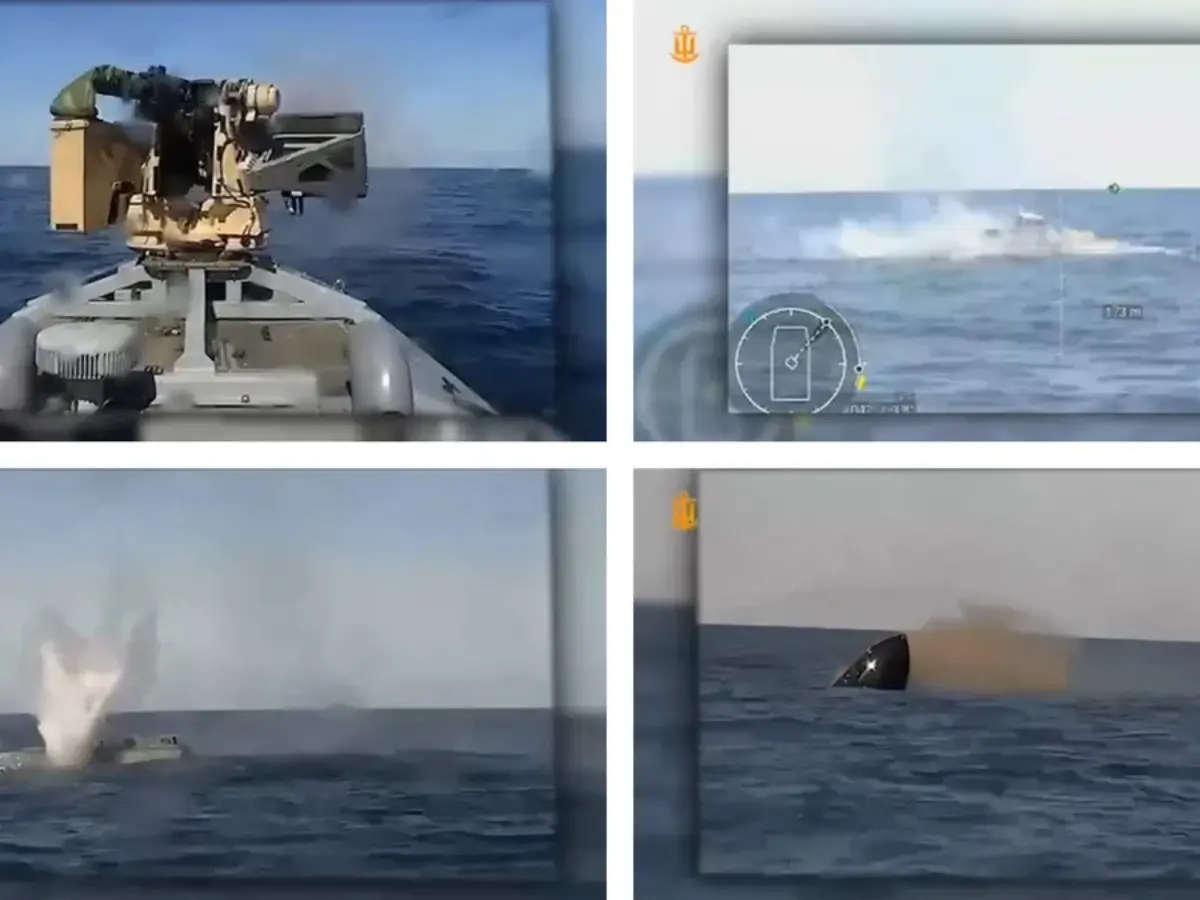)
That is why the current crisis feels so combustible. The military exchanges are real, but the deeper battle is about who can shape the post-crisis political narrative.
Also read: Has Iran created a TACO moment for Trump? Decoding strategies and limits of military power
Trump’s objective: From Regime Change to a “JCPOA-plus” Deal!
Trump’s original rhetoric toward Iran often invoked maximum pressure, regime change and total capitulation. But the current escalation suggests a narrowing of objectives. Washington now appears focused on extracting a deal that can justify both past coercion and present military action.
The essentials of Trump’s desired outcome are increasingly visible:
- No Iranian nuclear weapon capability.
- Restrictions on uranium enrichment and stockpiles.
- Guaranteed freedom of navigation through the Strait of Hormuz.
- A diplomatic framework tougher than the original Obama-era JCPOA.
This is politically important for Trump. He withdrew from the JCPOA arguing it was inadequate. Any new agreement must therefore look tougher — a JCPOA-plus — or else the withdrawal itself appears strategically hollow.
That explains the paradox in Trump’s behaviour: he is willing to authorize calibrated strikes, but he also signals restraint and negotiation. The strikes are meant to restore deterrence; the diplomacy is meant to avoid a regional war that could damage oil markets, global trade and domestic American politics.
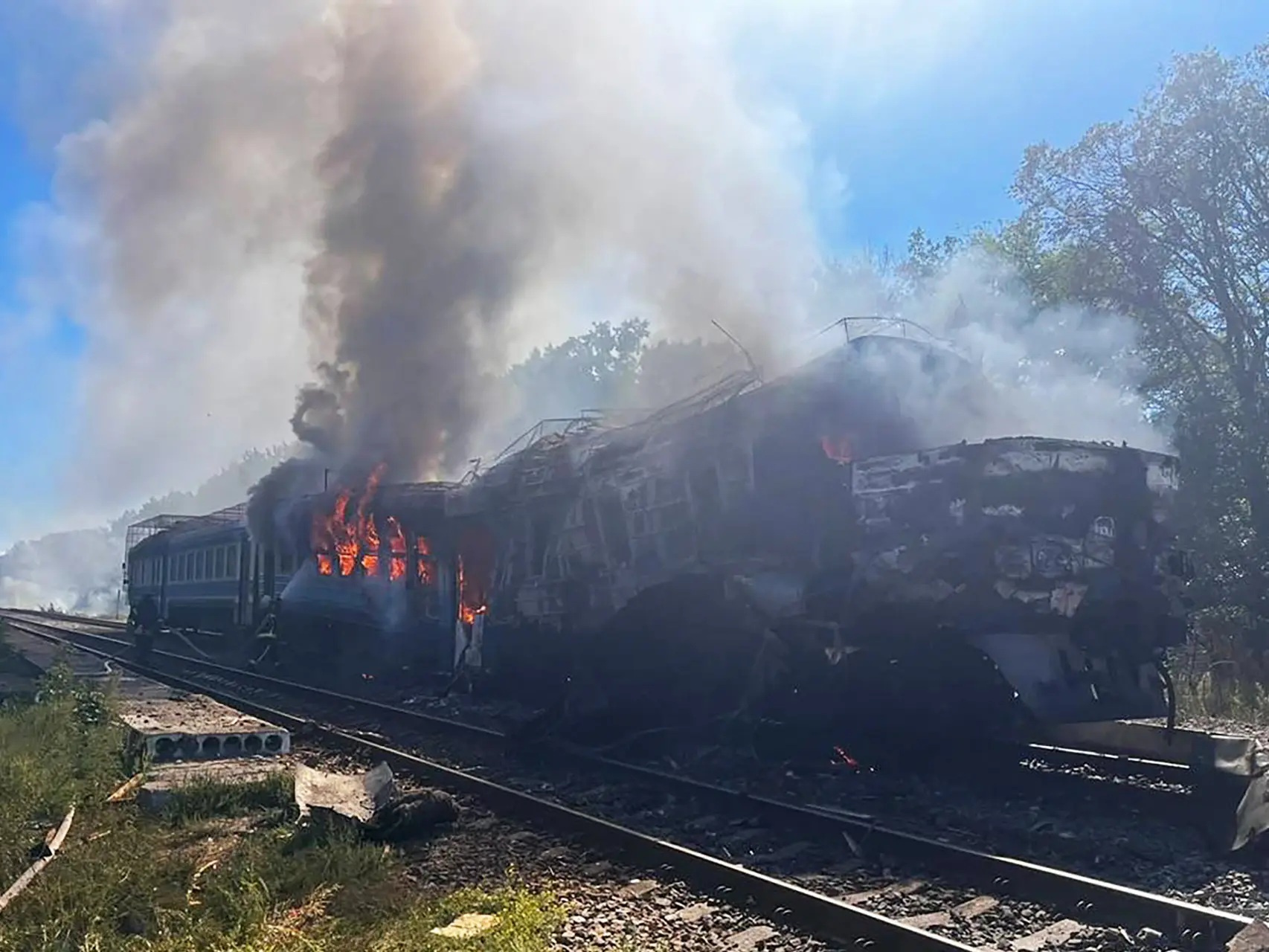
The downing of the US Apache helicopter near Hormuz forced Washington to respond militarily. But even after retaliatory strikes, Trump’s messaging has avoided endorsing every Israeli claim about an “imminent Iranian nuclear launch.” That distinction matters. It suggests the White House is trying to keep escalation within negotiable limits rather than fully embracing Netanyahu’s maximalist framing. In short, Trump may be trying to play a dangerous game: strikes and truce, pressure and negotiation, until he can secure a politically saleable deal before electoral costs mount.
Netanyahu’s objective: Security dominance through permanent pressure
Netanyahu’s calculus is different. For him, Iran is not merely a negotiating problem; it is an existential and ideological challenge. His strategic worldview has long rested on several assumptions:
- Iranian nuclear capability must never mature.
- Iran’s proxy network — Hezbollah, Hamas, the Houthis and allied militias — must be degraded continuously.
- Israel must retain the unilateral right to strike threats across the region in the name of national security.
- Military pressure creates strategic space; diplomacy merely pauses threats.
That is why Israel continues striking in Lebanon despite ceasefire arrangements and why Hezbollah’s disarmament remains a non-negotiable Israeli demand. But there is a structural problem: Hezbollah will not disarm, and Israel will not fully withdraw. This creates what may be called a permanent “armed truce” — a ceasefire without political resolution.
Netanyahu also understands domestic politics. A nation under perceived existential threat rallies around leadership. Critics therefore argue that perpetual confrontation can become politically useful for a leader seeking longevity. Whether one accepts that fully or not, the pattern is evident: military escalation repeatedly resets the Israeli political conversation around security.
There is also a broader ideological layer. Many analysts in the region believe sections of the Israeli right view the regional struggle through the prism of a wider security and territorial doctrine of Greater Israel, extending from the Jordan River to the Mediterranean. Even where this is not official policy, it influences regional perceptions and deepens Arab and Iranian suspicion of Israeli intentions.
Iran’s objective: Survive, deter, and retain leverage
Iran enters this crisis weakened economically and militarily degraded in some theatres. Yet Tehran believes it still possesses one decisive asymmetric advantage: the Strait of Hormuz. Nearly a fifth of global oil trade passes through that narrow waterway. Iran cannot defeat the United States conventionally, but it can threaten global energy stability. That gives Tehran leverage disproportionate to its economic condition.
Iran’s red lines remain clear:
- It will not abandon support for regional proxies such as Hezbollah.
- It will not surrender its missile program, which it views as essential deterrence.
- It is unlikely to hand over enriched uranium outright without major concessions. It doesn’t have faith on US deals and possibly on the IAEA, which is also accused of passing information to Americans.
- It seeks sanctions relief and financial breathing space.
From Tehran’s perspective, proxies are not optional ideology; they are strategic buffers. Hezbollah in Lebanon, militias in Iraq and Syria, and the Houthis in Yemen create a distributed deterrence network. The recent activation of the Houthis in the Red Sea — including shipping disruptions and missile launches toward Israel — demonstrates how Iran can widen the conflict geographically without direct conventional confrontation.
Iran is also signalling that Lebanon must be part of any broader ceasefire architecture. In Tehran’s view, Hezbollah’s survival is tied to Iranian national security. That is why the Lebanon front cannot be treated separately from the Iran-Israel confrontation.
The regional shockwaves: Oil, shipping and Fragile states
The crisis is no longer confined to Iran and Israel.
- Gulf monarchies are on high alert, fearing missile spillover and energy infrastructure attacks.
- The Red Sea is again becoming militarised, threatening shipping routes already strained by earlier Houthi disruptions.
- Oil markets react nervously to every Hormuz headline because traders know even a partial disruption can send prices sharply upward.
- Lebanon remains the weakest link: politically fractured, economically broken and strategically hostage to the Hezbollah-Israel equation.
- Threat to undersea cables can create complications.
For India, this matters enormously. India depends heavily on West Asian energy flows and maritime stability. Any prolonged disruption in Hormuz or the Red Sea is directly affecting inflation, shipping costs and energy security.
The recent incident of three Indian sailors killed in a US strike on the Palau-flagged oil tanker MT Settebello in the Gulf of Oman on June 10, 2026, as part of US enforcement of a naval blockade on Iran-linked shipping.This is part of a series of three US strikes on merchant tankers with Indian crews in roughly four days, amid escalating US-Iran tensions following earlier strikes on Iran. While US Central Command remains unapologetic about it, It certainly puts pressure on reliability of strategic partnership and on Indian diplomacy increasingly been seen to be compromising to Trump Administration, despite strong protest by the MEA.
China and others like Japan feel that they have sufficient reserves to last beyond Trump’s patience. US has been careful in not striking their merchant vessels.
The real danger: Misaligned Escalation Ladders
The most dangerous feature of the current crisis is not any single strike. It is that each actor believes escalation can remain limited.
- Trump thinks calibrated force can push Iran toward negotiations without triggering a major war or attempt to extend them beyond mid-term elections to minimise impending political cost.
- Netanyahu believes sustained military operations can help him achieve regional dominance in Israel’s favour and ensure his political survival as a wartime leader.
- Iran believes an asymmetric advantage can impose tremendous political costs on Trump, besides ensuring its survival.
But escalation ladders rarely remain under perfect control. A missile that hits the wrong target, a major casualty event, a successful strike on oil infrastructure, or a naval clash in Hormuz could rapidly internationalise the conflict.
Trump wants leverage without occupation. Netanyahu wants dominance without strategic exhaustion. Iran wants deterrence without annihilation. Yet all three are operating in a theatre crowded with proxies, militias, shipping lanes and nervous allies.
A Final Assessment
What, then, are they trying to achieve?
- Trump is trying to convert military pressure into a tougher nuclear and maritime deal while avoiding a politically damaging regional war before U.S. elections.
- Netanyahu is trying to preserve Israeli military freedom of action and sustain a regional security architecture built on continuous pressure against Iran and its proxies, besides seeking political survival.
- Iran is trying to survive sanctions and strikes while preserving its deterrent ecosystem — missiles, proxies and Hormuz leverage — in exchange for meaningful economic concessions.
The tragedy is that these goals are not easily compatible. A Trump deal requires compromise. Netanyahu’s strategy resists compromise. Iran’s strategy depends on retaining precisely the tools Washington and Tel Aviv want dismantled.
That is why the world should worry less about the latest headline strike and more about the absence of a shared political end-state. Wars end not when missiles stop flying, but when adversaries agree on what the future should look like. Right now, Trump, Netanyahu and Iran are imagining three different futures.
DISCLAIMER: The opinions expressed in this article are solely those of the author and do not necessarily reflect the views of WION.
