From tariff war to tariff flirtation: Who needs whom more, Trump or Xi? | The Verdict

&imwidth=600&imheight=450&format=webp&quality=medium "From tariff war to tariff flirtation: Who needs whom more, Trump or Xi? | The Verdict")
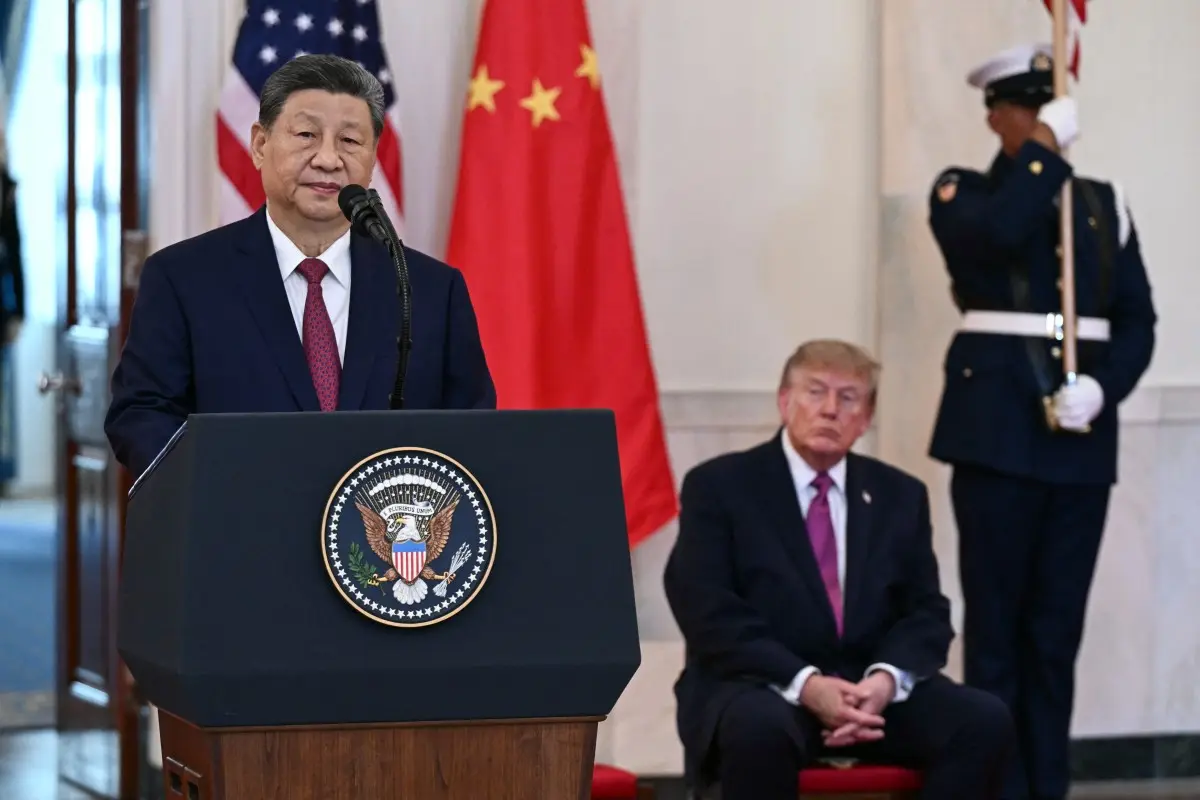
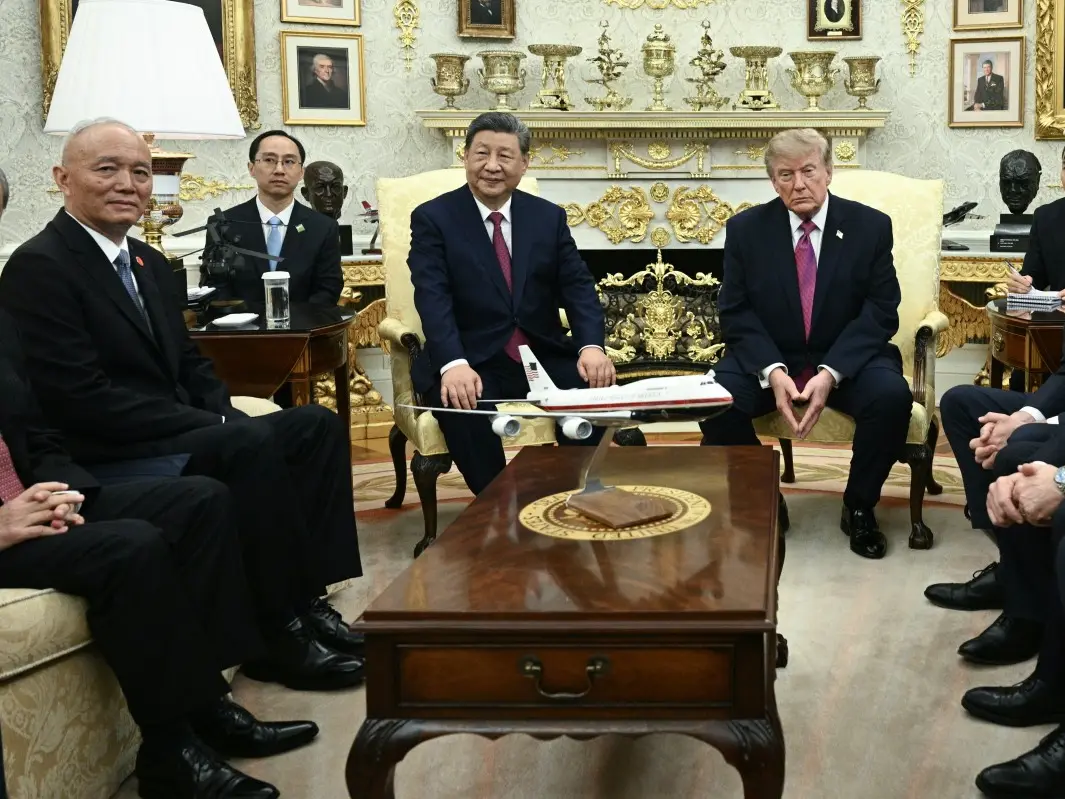
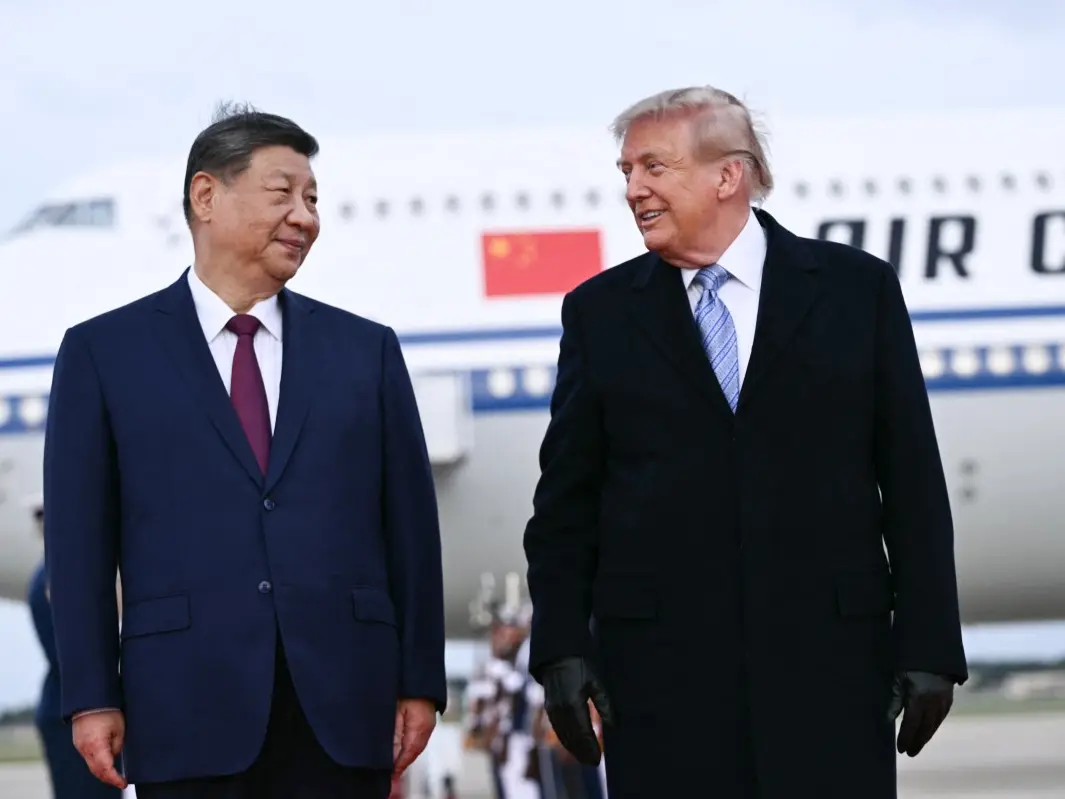
US President Donald Trump and China's President Xi Jinping hold a bilateral meeting in the Oval Office of the White House in Washington, DC, on September 24, 2026. Photograph: (AFP)
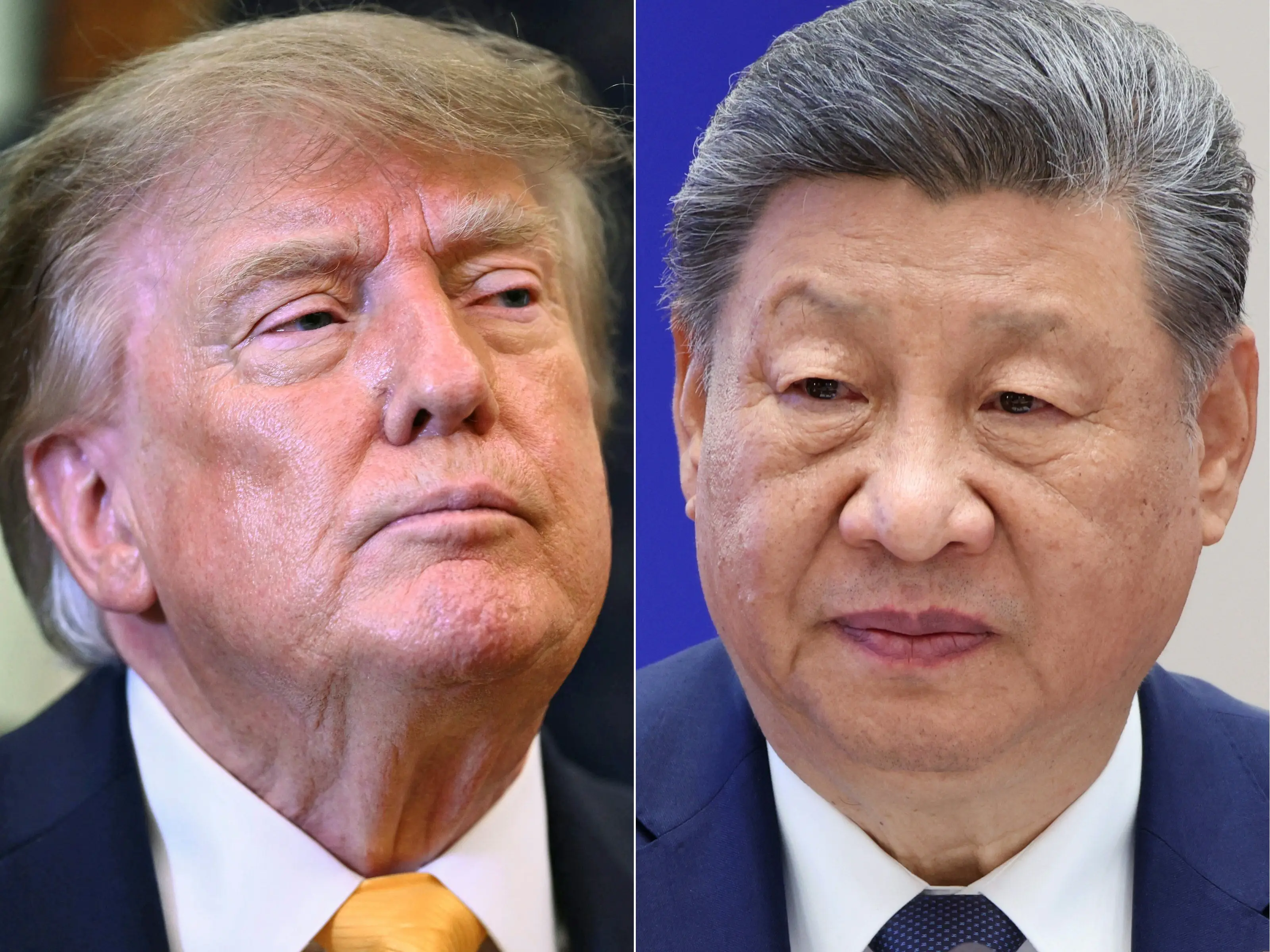
Donald Trump’s meeting with Xi Jinping comes amid a US-China trade truce, with tariffs, rare earths, technology, Taiwan and growing economic interdependence shaping the relationship between the two powers.
Donald Trump built much of his political brand around confronting China. Tariffs were his weapon of choice, economic pressure his preferred language and Beijing one of his favourite targets.
But as Chinese President Xi Jinping arrives in Washington, something has changed.
The tariff warrior appears to have discovered tariff diplomacy.
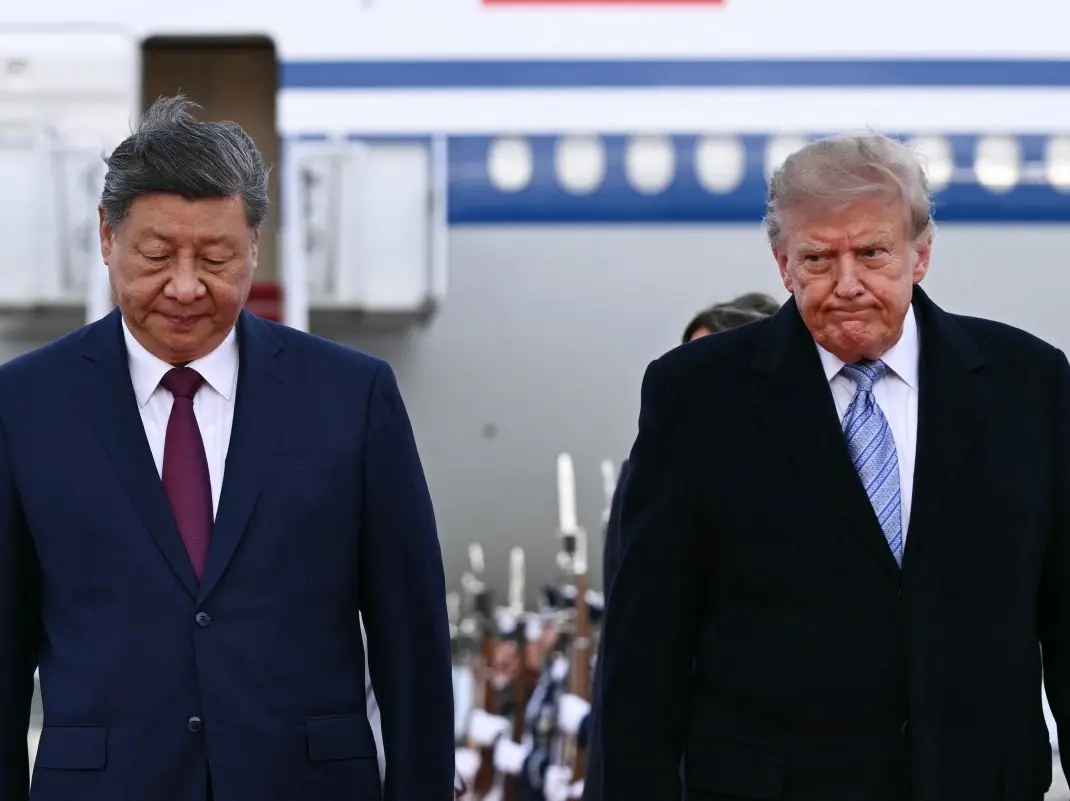
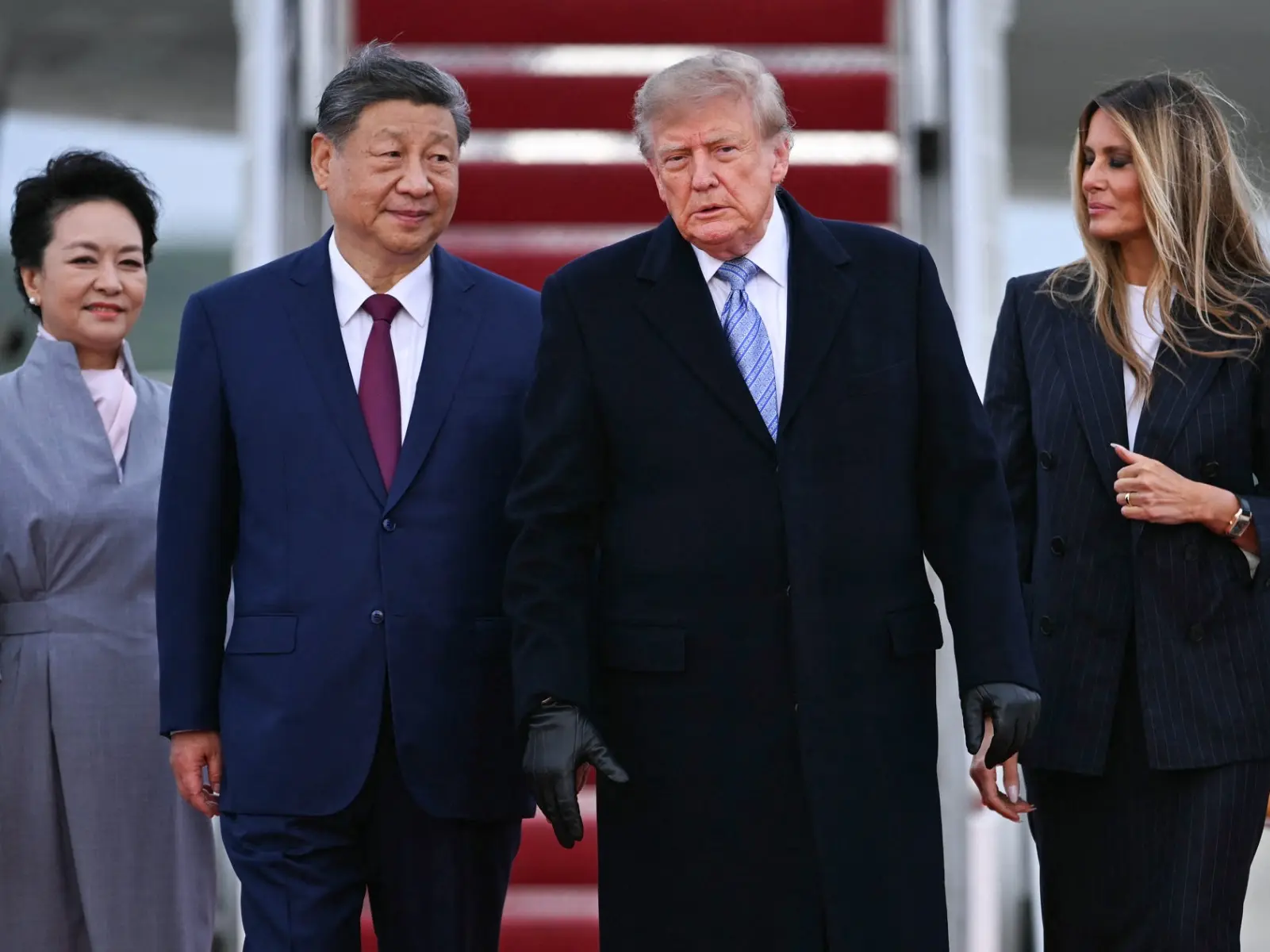
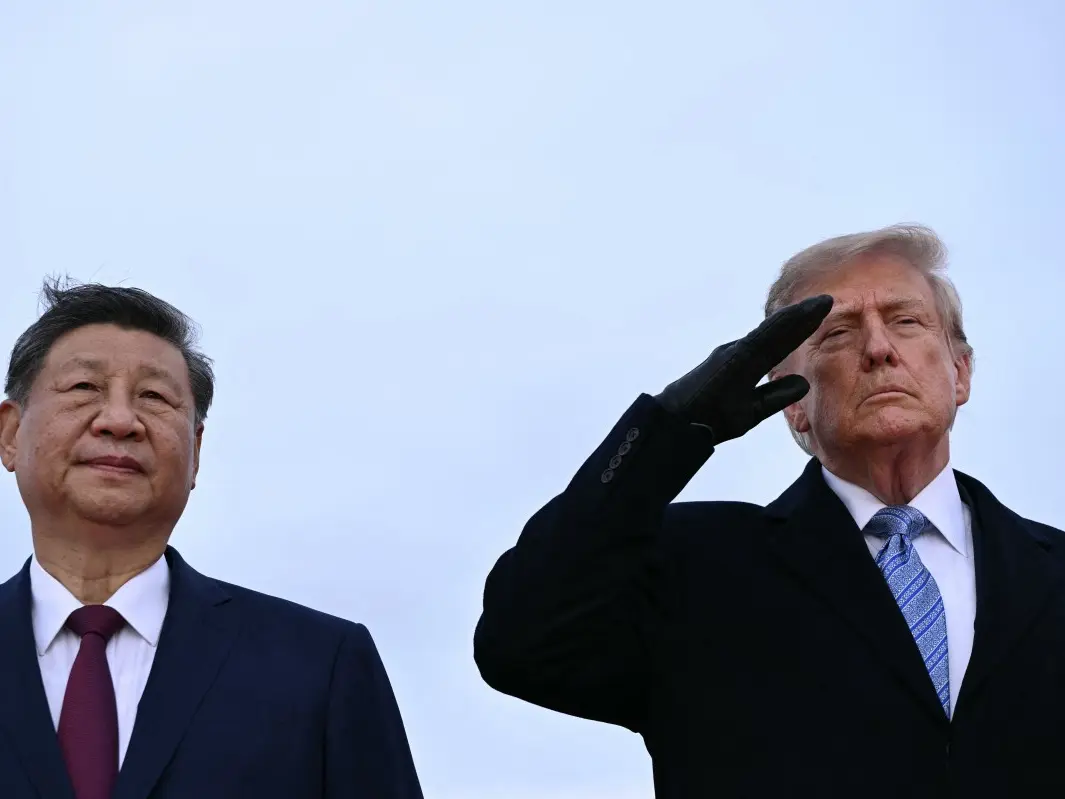
Xi's state visit comes during an extended trade truce and against the backdrop of a noticeably less confrontational American approach towards Beijing. The symbolism surrounding the visit is difficult to ignore: elaborate ceremonies, a state dinner and an American president increasingly speaking warmly about his Chinese counterpart.
But behind the smiles lies a far more consequential question: who needs whom more?
China has leverage Washington cannot ignore.
Trending Stories
)
)
)
)
)
)
)
)
)
)
)
)
)
)
)
)
)
)
)
)
)
)
)
&im=FitAndFill=(700,400))
)
)
)
)
)
)
)
)
)
&im=FitAndFill=(700,400))
)
)
&im=FitAndFill=(700,400))
)
For years, Washington assumed its enormous consumer market, technological superiority and financial power gave it the stronger hand.
China has complicated that calculation.
Its dominance of critical-mineral supply chains — particularly rare earths needed for automobiles, electronics, semiconductors and defence equipment — has emerged as an important source of leverage.
Reuters reports China controls up to 70% of global rare-earth mining, around 85% of refining capacity and roughly 90% of rare-earth metal alloy and magnet production. Previous Chinese export restrictions demonstrated how quickly disruption could reverberate through global industries.
That helps explain why tariffs are no longer the entire conversation.
Trade, artificial intelligence and rare earths have all featured in discussions ahead of the summit.
Washington still possesses enormous leverage of its own, particularly through access to advanced technology, capital and the American market. Beijing, meanwhile, wants economic stability as it manages challenges at home.
This is therefore not a story of one superpower becoming dependent on another.
It is a story of mutual dependence becoming increasingly difficult to disguise.
Xi arrives with another constituency watching
There is also a wider geopolitical dimension.
Xi arrives in Washington days after using the BRICS summit in New Delhi to explicitly call for the bloc to “rally the Global South” and strengthen cooperation among emerging economies.
China's government increasingly presents Beijing as a champion of a more multipolar international system and a partner of developing economies. But that does not mean Xi literally represents the Global South: those countries have diverse interests and do not speak with one voice.
Still, the political symbolism matters.
President Trump has repeatedly challenged BRICS and the broader push by emerging economies to reduce their vulnerability to American economic pressure.
That makes this meeting bigger than a bilateral trade dispute.
It is also part of a competition over what the next global economic order will look like.
Then comes the biggest red line: Taiwan
Trade can be negotiated. Tariffs can be reduced. Agricultural purchases can be increased.
Taiwan is different.
Beijing has consistently described the Taiwan question as the first red line that must not be crossed in China-US relations.
That puts limits on how far the warmth between Trump and Xi can travel.
The two governments remain strategic competitors. They disagree over technology, security, military power and the architecture of the Indo-Pacific.
And previous agreements remain unfinished. AP reports that progress on commitments reached during their May meeting has been uneven, with analysts expecting incremental progress rather than a sweeping breakthrough from the Washington summit.
So what would constitute success?
Perhaps the wrong benchmark is a grand deal.
A narrower tariff agreement, improved access to critical minerals, agricultural purchases or progress on an artificial-intelligence dialogue would all be tangible outcomes.
But preventing another escalation may itself be significant.
The relationship between Washington and Beijing has entered a peculiar phase: too competitive for genuine partnership, but too economically intertwined for unlimited confrontation.
Trump can threaten tariffs.
Xi can weaponise supply chains.
Washington can restrict technology.
Beijing can find new markets.
Eventually, however, both return to the negotiating table.
That may be the clearest message from this summit.
America still needs China. China still needs America.
The world's two largest economies can compete, threaten and manoeuvre — but neither can simply wish the other away.
And somewhere between Trump's tariffs and Xi's red lines lies the new reality of superpower politics:
the age of dictating terms may be giving way to the age of negotiating leverage.