Ceasefire undermined by Pakistan's rogue commanders: Strategic options for New Delhi

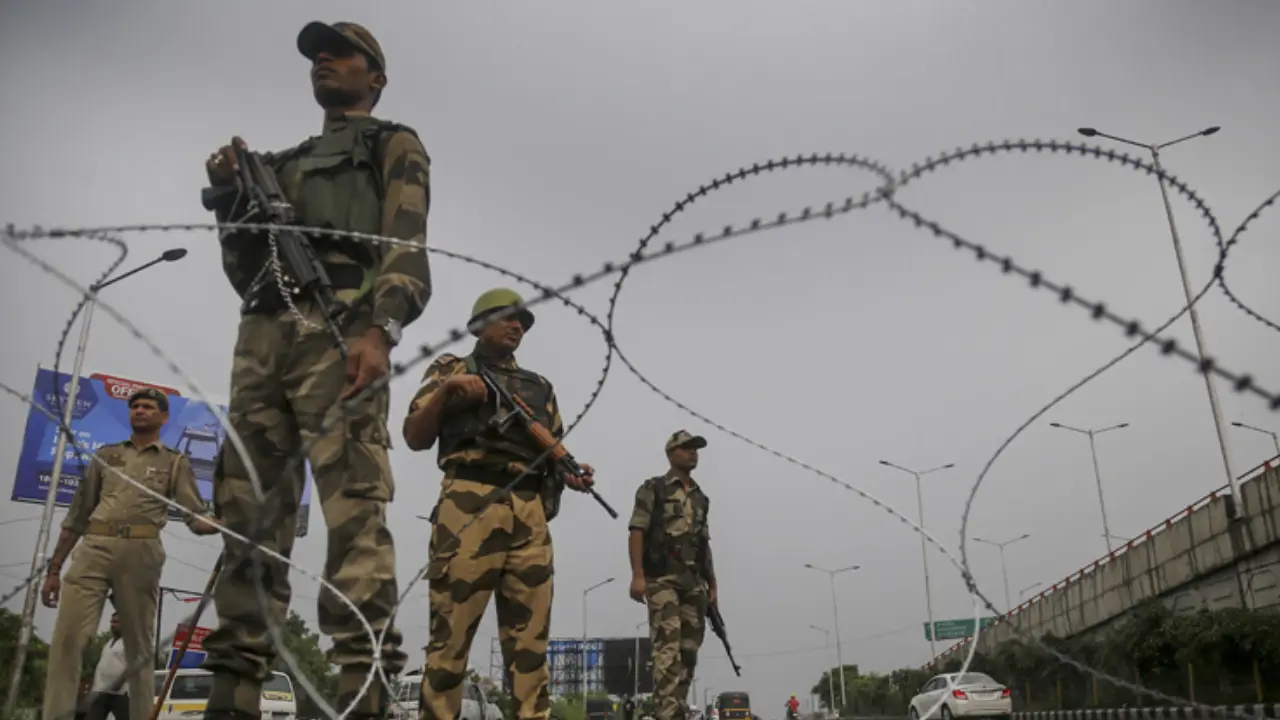
Despite explicit ceasefire understandings reached at the DGMO level talks, rogue commanders in Pakistan's Army continue to violate these agreements by dispatching armed drones into Indian territory.
The recent wave of drone-based greyzone warfare launched from Pakistani soil has once again heightened tensions along the Line of Control (LoC) and International Border (IB). Despite explicit ceasefire understandings reached at the Director General of Military Operations (DGMO) level talks, rogue commanders in Pakistan's Army continue to violate these agreements by dispatching armed drones into Indian territory.
Read More | India-Pak ceasefire | It took just 3 hours for Pakistan to breach an understanding: Can it be ever trusted?
This greyzone threat has triggered significant disruptions in civilian aviation. Forward airports in Jammu, Punjab, and Rajasthan have been put on high alert, and a series of flight cancellations has ensued. The Pakistani drone incursions—primarily using Turkish-made Asisguard Songar drones capable of surveillance and lethal payload delivery- pose a serious challenge to our security architecture.

However, these drone attacks are not merely a military provocation but reflect deep-seated fissures within Pakistan's military establishment. Credible intelligence indicates a widening schism between the Pakistani Army Chief, General Asim Munir, and disgruntled local commanders on the ground. Munir, despite his hawkish public stance towards us, appears strategically invested in maintaining a ceasefire arrangement, likely due to Pakistan's severe economic distress, international isolation, and ongoing internal insurgencies.
The Pakistan Army's organisational structure highlights this internal discord's sheer gravity. The DGMO reports directly to General Munir, implying a strict vertical alignment of strategic decisions. DGMO-level meetings and resultant ceasefire agreements explicitly bear Munir's strategic imprint. Given that recent ceasefire negotiations occurred with his direct concurrence, it is evident that General Munir himself seeks to stabilise the Indo-Pak front, at least temporarily.
&imwidth=180&imheight=135&format=webp&quality=medium)
Blasts heard in Sanaa as Saudi-led coalition warns civilians to evacuate; Houthis vow retaliation
&imwidth=180&imheight=135&format=webp&quality=medium)
China's counter-surveillance industry booms amid heightened espionage fears | Gravitas
&imwidth=180&imheight=135&format=webp&quality=medium)
Saudi Arabia strikes Yemen oil sites as Houthi missiles target Riyadh; 'limited fire' breaks out at Aramco
&im=FitAndFill=(700,400)&imwidth=180&imheight=135&format=webp&quality=medium)
Navratri 2026: 9 days, 9 forms of Goddess Durga and 9 colours- Check the complete list
&imwidth=180&imheight=135&format=webp&quality=medium)
Trump accuses Houthis of driving up oil prices before US midterms, warns of consequences
&imwidth=180&imheight=135&format=webp&quality=medium)
New Delhi rejects Beijing’s claims and remarks on Ladakh location naming exercise
&imwidth=180&imheight=135&format=webp&quality=medium)
US Midterms 2026: In Alaska, cost-of-living anxiety meets strangest ballot in high-stakes Senate race
&imwidth=180&imheight=135&format=webp&quality=medium)
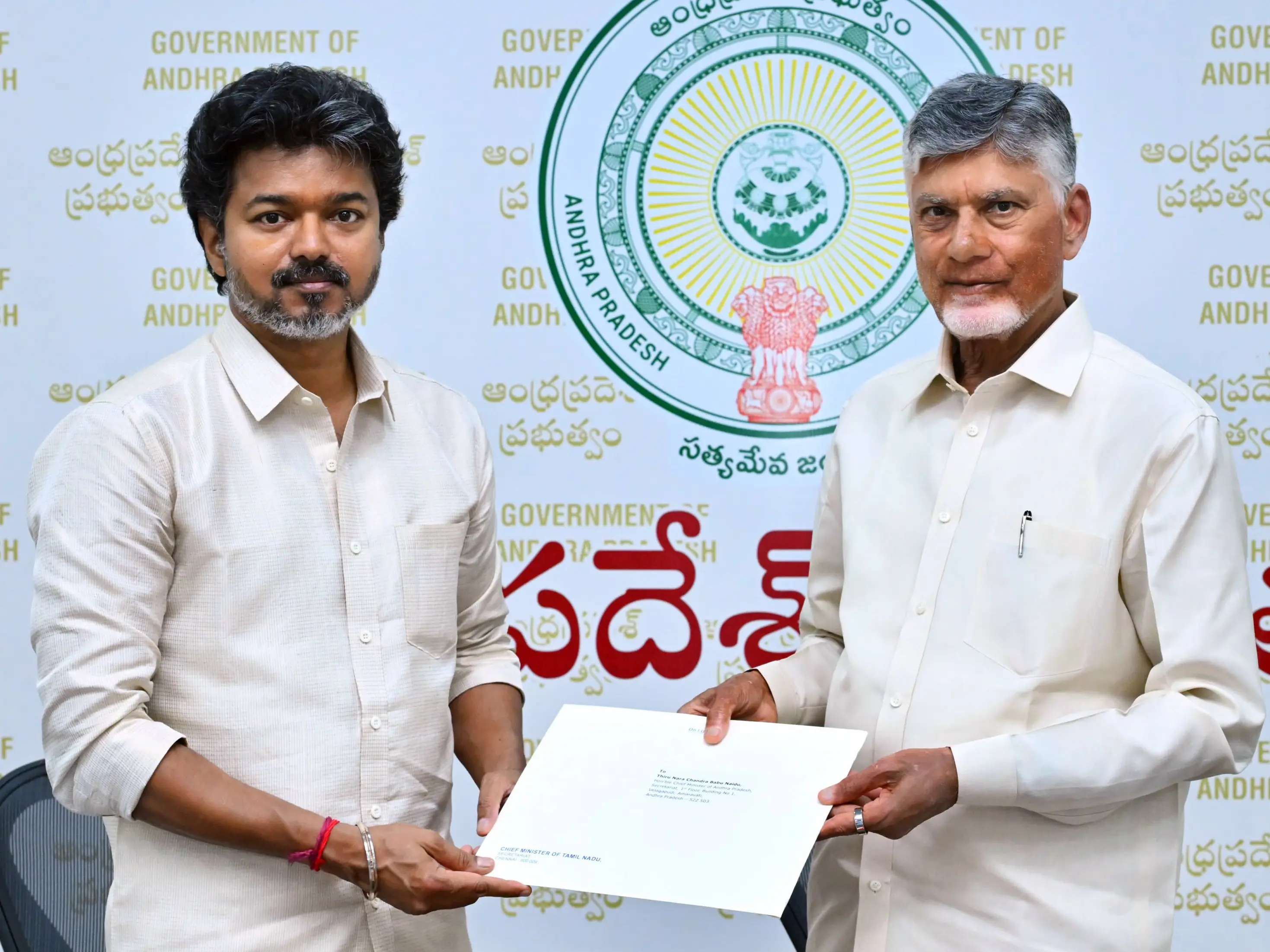
CMs Vijay-Naidu meet in Vijayawada, discuss water sharing, river-linking
&imwidth=180&imheight=135&format=webp&quality=medium)
'Don't ever mess with nature!': Trump’s tiger attack post triggers social media backlash as victim's family issues heartbreaking tribute
&imwidth=180&imheight=135&format=webp&quality=medium)
OpenAI employee arrested by FBI after allegedly hiding recording device in office
&imwidth=180&imheight=135&format=webp&quality=medium)
1,500 drones illuminate Mumbai sky as Cordelia Cruises unveils second ship, Cordelia Sky
&imwidth=180&imheight=135&format=webp&quality=medium)
Pope Leo XIV diagnosed with lung cancer after surgery, Vatican says 'successful surgery and recovering'
&imwidth=180&imheight=135&format=webp&quality=medium)
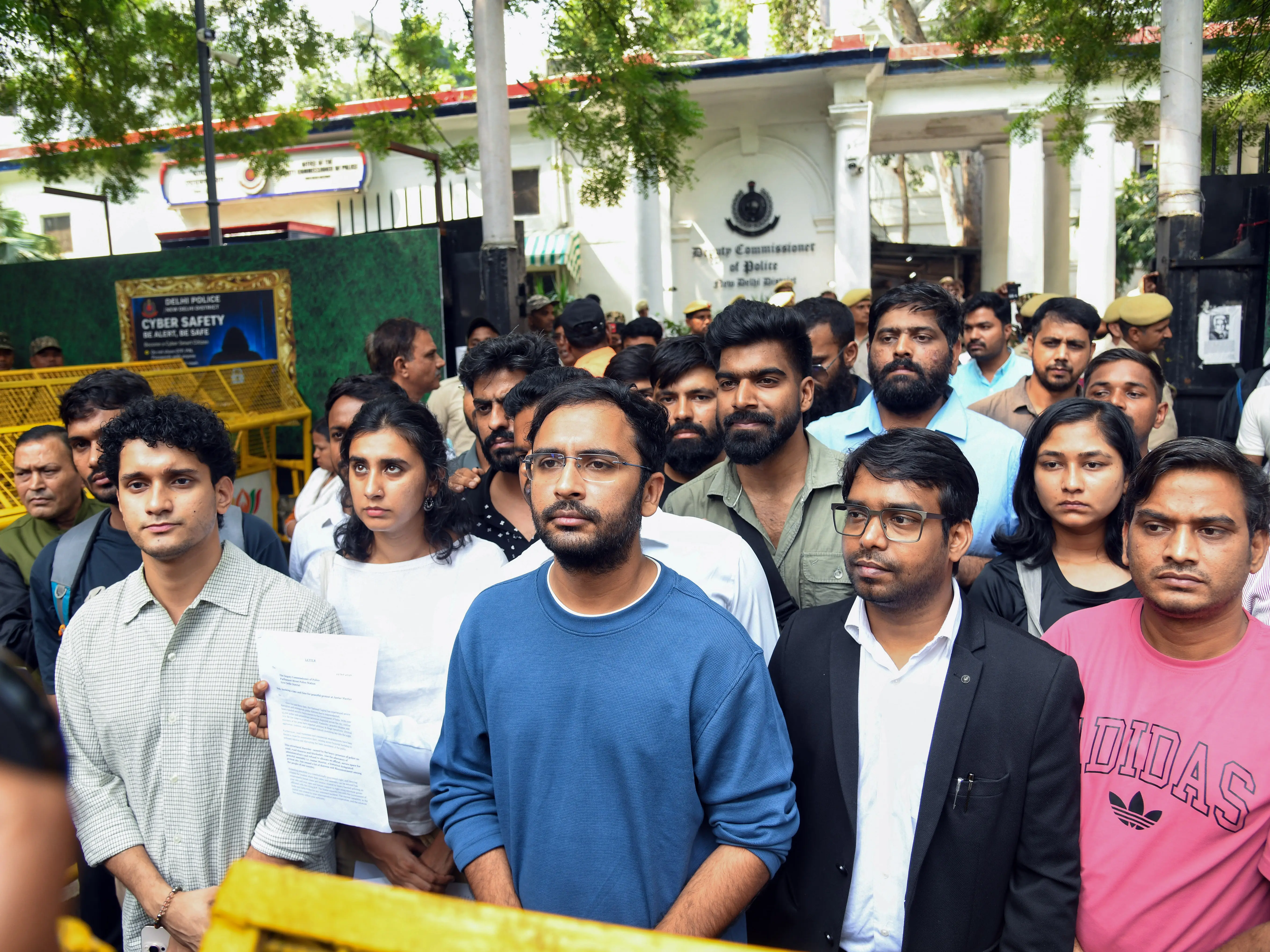
Delhi Police arrest Cockroach Janta Party's Saurav Das, Ashutosh Ranka, Ajinkya Shinde in Jantar Mantar case, to be produced before court
&imwidth=180&imheight=135&format=webp&quality=medium)
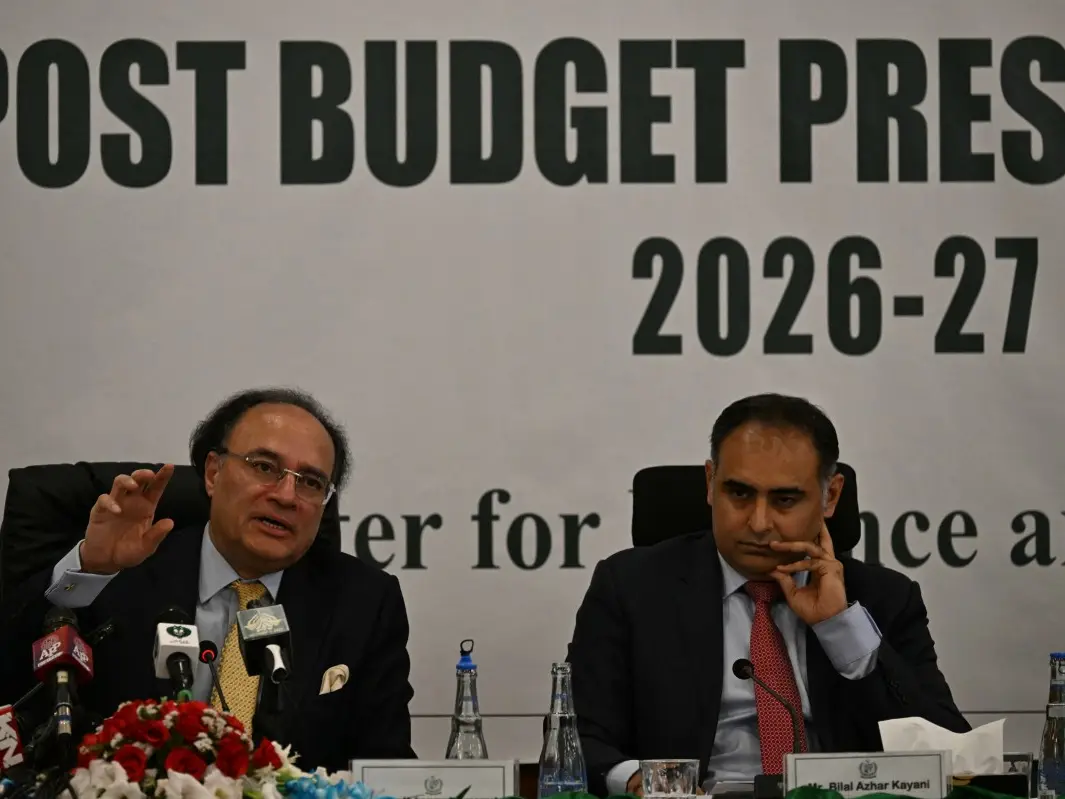
Pakistan to chair UN-backed global Borrowers’ Platform as its own debt burden mounts, triggers sarcastic reactions on social media
&imwidth=180&imheight=135&format=webp&quality=medium)
Suicidal man survives jump from 11th floor in Japan, could now be tried for murder
&imwidth=180&imheight=135&format=webp&quality=medium)
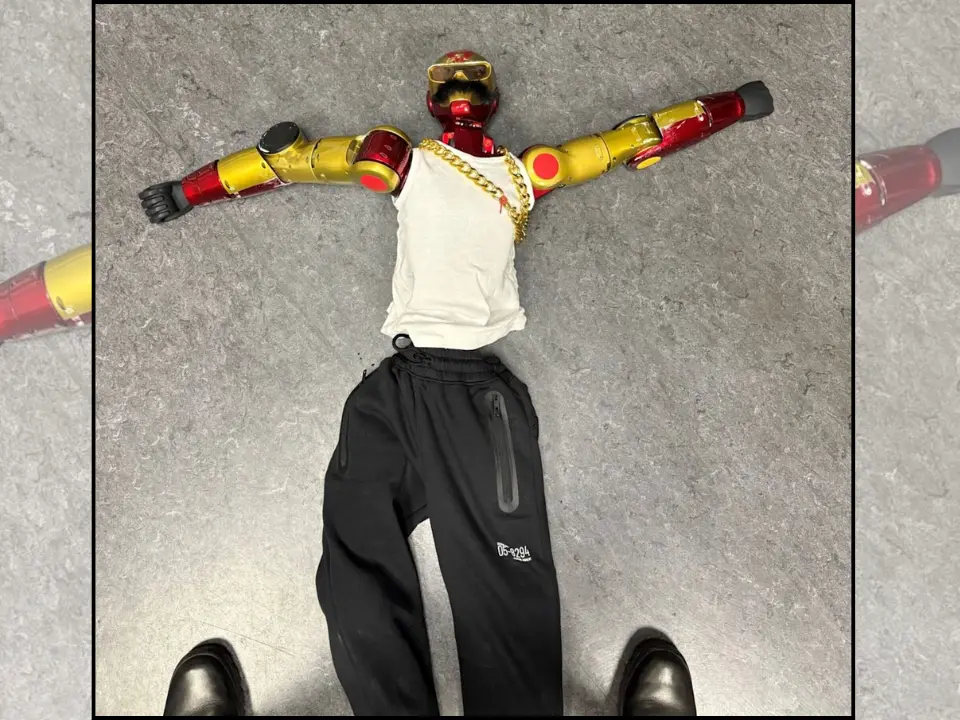
Robot gropes girl, makes thrusting movements in bizarre crime in Germany
&imwidth=180&imheight=135&format=webp&quality=medium)
France accuses Musk of ‘online harassment’ of European leaders, warns of poll interference
&imwidth=180&imheight=135&format=webp&quality=medium)
MI5 chief warns Russia is UK’s ‘aggressor number one’ as Iran and AI threats grow
&imwidth=180&imheight=135&format=webp&quality=medium)
'Turn approver, resign, we'll forgive you': Rahul Gandhi claims receiving messages from CEC Gyanesh Kumar
&imwidth=180&imheight=135&format=webp&quality=medium)
Trump reconsidering calling off Nidal Hasan's execution livestream. Here's why
&imwidth=180&imheight=135&format=webp&quality=medium)
‘My president, I mean my husband’: Trump's new press secretary Katie Zacharia's first briefing goes off the rails in 14 minutes
&im=FitAndFill=(700,400)&imwidth=180&imheight=135&format=webp&quality=medium)
IMF World Economic Outlook: 10 economies to watch for growth in FY27 and FY28 - Where does India stand?
&imwidth=180&imheight=135&format=webp&quality=medium)
Marco Rubio to visit India next week, focus on energy cooperation and strategic ties
&imwidth=180&imheight=135&format=webp&quality=medium)
Is the AI chip boom already over? Global semiconductor stocks slide as investors question unbridled spending
&imwidth=180&imheight=135&format=webp&quality=medium)
L Murugan resigns as Union Minister, expresses wish to return to grassroots
&imwidth=180&imheight=135&format=webp&quality=medium)
'Ouch!!! That must hurt': Kangana Ranaut hails Kamal Haasan's sharp reply to Elon Musk over Starlink row
&imwidth=180&imheight=135&format=webp&quality=medium)
Girl 'dead' for 8 hours wakes up at her own funeral, dad insists she wasn't breathing
&imwidth=180&imheight=135&format=webp&quality=medium)
Sidhu Moose Wala’s younger brother wins hearts by recreating late singer’s signature move at Toronto Hologram Show
&imwidth=180&imheight=135&format=webp&quality=medium)
UK school ditches technology, shifts from screen to pen and paper for learning
&im=FitAndFill=(700,400)&imwidth=180&imheight=135&format=webp&quality=medium)
New OTT releases this week (October 12-18, 2026): Sacrifice, Koffee with Karan S9, Roadies Rebirth- 6 titles coming on Netflix, JioHotstar and more
&imwidth=180&imheight=135&format=webp&quality=medium)
UEFA Champions League: Atletico Madrid sink Manchester United as Viking FK hold Bayern Munich to 3-3 draw
&imwidth=180&imheight=135&format=webp&quality=medium)
Anupam Kher joins Ranbir Kapoor's Ramayana as Jatayu, new poster unveiled
&imwidth=180&imheight=135&format=webp&quality=medium)
Measles kills again: 6 dead in Pennsylvania as America faces its worst outbreak in decades | Gravitas
&imwidth=180&imheight=135&format=webp&quality=medium)
Ken Paxton's Dubai night out with two US fugitives sparks political storm as Texas Senate race tightens
&imwidth=180&imheight=135&format=webp&quality=medium)
Mundhe: Fight against unsafe food goes on
&imwidth=180&imheight=135&format=webp&quality=medium)
Cornell University suspends fraternity parties over 2024 gang rape allegations
Yet, this strategic clarity at the top does not resonate with frontline commanders. Reports of unauthorised drone launches illustrate an alarming degree of insubordination and operational autonomy among local commanders, reflecting internal dissatisfaction and possibly ideological differences within Pakistan's military ranks. This discord mirrors historical incidents, notably during the 1999 Kargil conflict and the 2019 Pulwama attack, where rogue Pakistani military actions precipitated severe diplomatic and military fallout for Islamabad.
Read More | What are Kirana Hills, and why is the location in discussion after Operation Sindoor | WION Explains
We now face a complex strategic challenge. To counter continued violations, calibrated military responses are imperative. Precise surgical strikes on identified drone launchpads along the LoC and IB can effectively degrade Pakistan's drone capabilities, establishing credible deterrence without causing excessive escalation. Our demonstrated capability and international backing for such targeted operations, such as the 2016 surgical strikes and the Balakot airstrikes in 2019, lend weight and legitimacy to this option.
Furthermore, if Pakistan responds by restricting Indian airspace or civilian aviation operations, we should leverage Prime Minister Modi's established doctrine of robust reciprocity. Specifically, we must prepare to respond decisively by enforcing an operational shutdown of Lahore Airport, Pakistan's busiest aviation hub. Such a measured yet firm retaliation emphasises our nation's resolve and effectively communicates strategic boundaries to Islamabad's military leadership.
While General Munir may desire temporary peace to consolidate Pakistan's strategic and economic stability, persistent operational insubordination among his field commanders introduces unpredictability into Indo-Pak relations. Our strategic calculus, therefore, requires decisive yet proportionate military actions backed by robust diplomatic initiatives to manage and mitigate this evolving threat landscape.
Lieutenant General Dushyant Singh (Retd)is currently DirectorGeneralofCentre for Land WarfareStudies (CLAWS), an independent Think Tank of Indian Army on strategic studies and Security related issues.
(Disclaimer: The views of the writer do not represent the views of WION or ZMCL. Nor does WION or ZMCL endorse the views of the writer.)