Bridges across the ocean: AIKEYME and the promise of India-Africa maritime unity

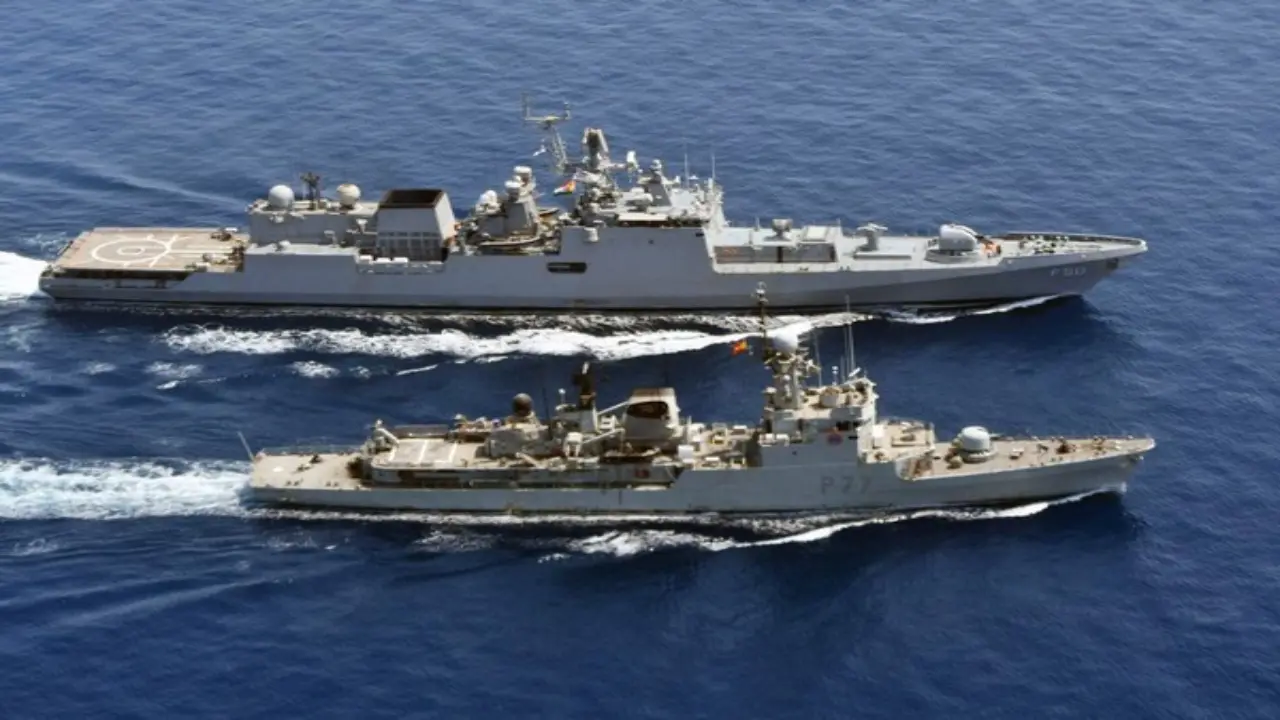
This will mark the first-ever overseas field maritime exercise led by the Indian Navy, signalling not just operational expansion but a shift in how India is reshaping the future of maritime diplomacy
In the second week of April 2025, the waters off Dar es Salaam will host a maritime engagement of quiet yet transformative significance. The Africa-India Key Maritime Engagement (AIKEYME), co-hosted by the Indian Navy and the Tanzania People’s Defence Force (TPDF), will bring together navies and observers from over eight African nations for joint exercises, training, and dialogue.
This will mark the first-ever overseas field maritime exercise led by the Indian Navy, signalling not just operational expansion but a shift in how India is reshaping the future of maritime diplomacy, one that rests on trust, respect, and regional partnership. Built on the foundation of a multi-millennial presence across the Indian Ocean, the Indian Navy has been an enabler of maritime connectivity and commerce across a vast swath.
Key to the current initiative is the upcoming deployment of INS Sunayna, a Naval Offshore Patrol Vessel commanded by Commander Kamal Singh Rana, which will sail from Kochi on April 5, 2025, as part of the IOS SAGAR initiative. The Indian warship is scheduled to visit Malé (Maldives), Port Victoria (Seychelles), Port Louis (Mauritius), Nacala (Mozambique), and culminate at Dar es Salaam (Tanzania), symbolically linking South Asia and Africa across a chain of shared maritime commitment.

AIKEYME in Tandem with IOS SAGAR
AIKEYME derives its name from the Sanskrit word for unity, an apt moniker for a platform representing collective maritime capacity and security. It is grounded in the Gandhinagar Declaration of 2022, where African and Indian defence leadership identified maritime security as a core area of cooperation.
Spanning from April 13 to 18, the exercise will feature Indian, Tanzanian, Kenyan, and South African naval vessels and observers from Comoros, Djibouti, Eritrea, Seychelles, Mauritius, and Madagascar. The harbour phase will include tabletop exercises, VBSS (Visit, Board, Search, Seizure) drills, and small arms training, while the sea phase will feature search and rescue evolutions, helicopter operations, and coordinated maritime domain sharing. A Defence Expo alongside the exercise will promote industrial linkages and technology transfer discussions.
)
Lady Gaga is a mom! Oscar-winning singer welcomes first child with fiance Michael Polansky
)
BRICS Summit 2026: Iran's Pezeshkian praises PM Modi at BRICS
)
Karthik Subbaraj’s Dorothy gets a standing ovation at TIFF world premiere
)
Harry Potter TV show vs films: Gary Oldman explains why HBO’s reboot could be better
)
North Korea fires missiles after US, South Korea and Japan military drills but America says 'does not pose immediate threat'
)
Delhi's top luxury hotels turn into high-security fortress hubs for BRICS 2026 delegations
)
BRICS Summit 2026: 30+ countries seek BRICS membership
)
Frustrated man demolishes his kitchen after thousands flock to see Mother Mary his wife spotted on the wall
)
BRICS summit: India faces delicate Iran-UAE diplomatic test
)
From drones to KAAN fighters: Turkey outlines 229% surge in defence spending amid regional shifts
)
Odisha gets investment proposals worth Rs 2.42 trillion from UAE with 6.18 lakh potential jobs
)
After praising Modi, Pezeshkian meets Indian religious leaders, Hurriyat's Mirwaiz Umar Farooq
)
Houthis vs Saudi Arabia: East-west oil pipeline shut after drone attacks from Iraq
)
South Africa batter Jordan Hermann hits highest individual score on ODI debut
)
800 million years old - Scientists discover 'fingerprints' of supercontinent Gondwana in ancient rocks
)
Osama Bin Laden's son ALIVE? Al-Qaeda releases video 7 years after US declared him dead
)
BRICS Summit 2026: South Africa says it will use the summit to advance its economic priorities
)
Israel spent nearly $470,000 on PM's hair, makeup since 2019, data shows
)
BRICS Summit 2026: Rivals in West Asia, partners in BRICS, UAE, Iran, and Saudi delegations in Delhi
)
BRICS Summit 2026: PM Modi meets Malaysia, Ethiopia leaders; defence ties, trade in focus
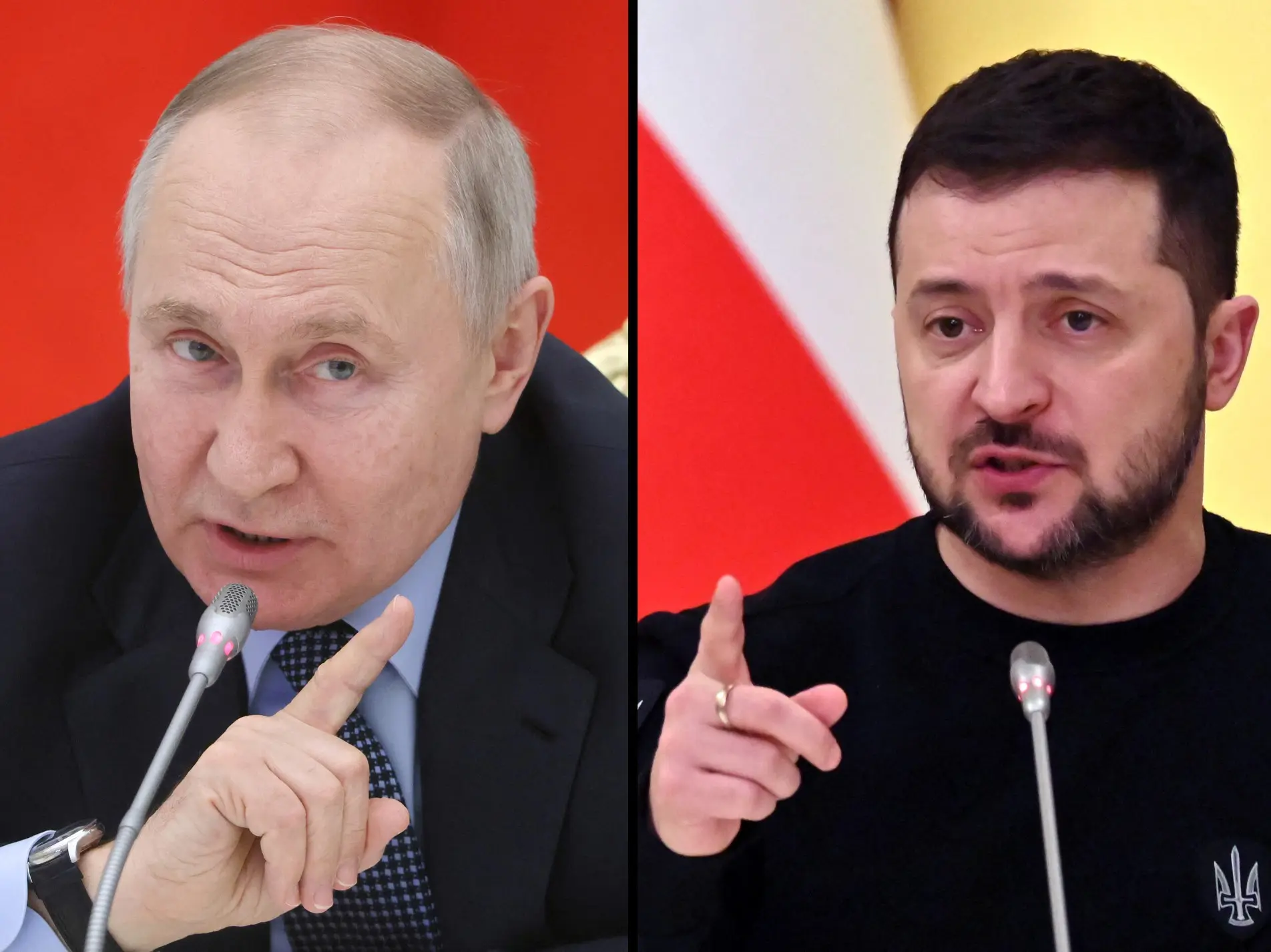)
From India, Putin warns Europe against sending troops to Ukraine, Zelensky expresses willingness to meet him at G20 Summit
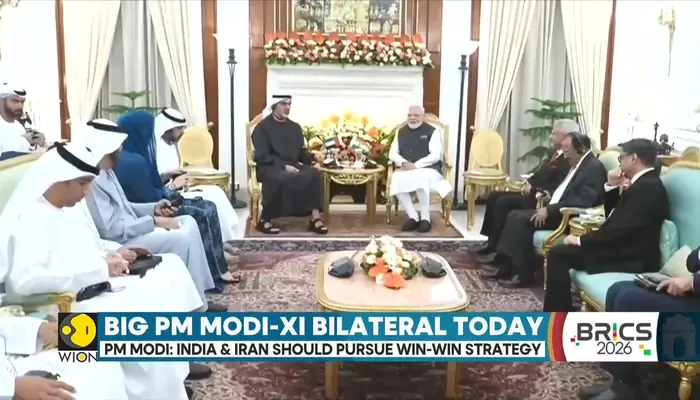)
BRICS Summit 2026: Special BRICS session on 'inclusive global governance'
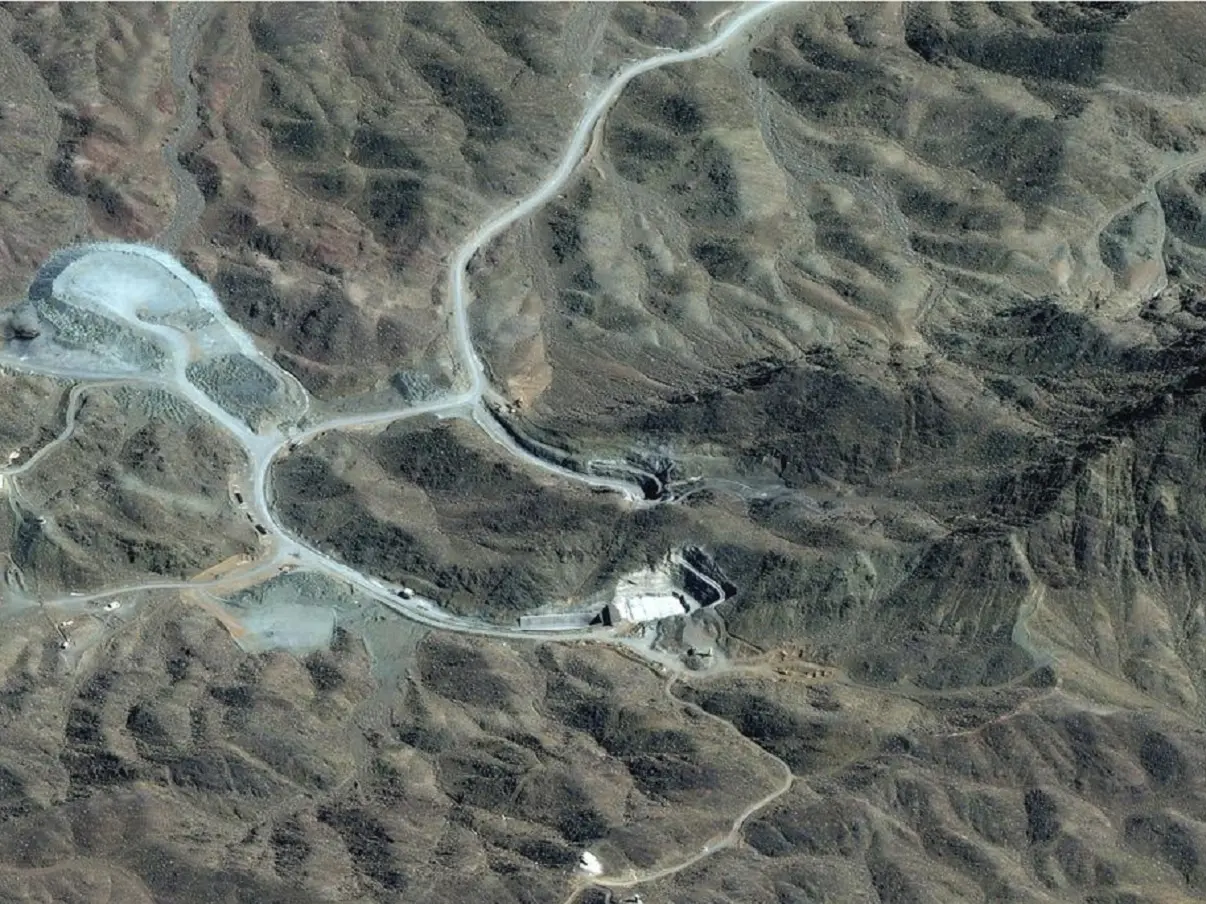)
Satellite images show construction surge at Iran’s Pickaxe nuclear site amid US war
)
9/11 attack anniversary: The day that changed America forever
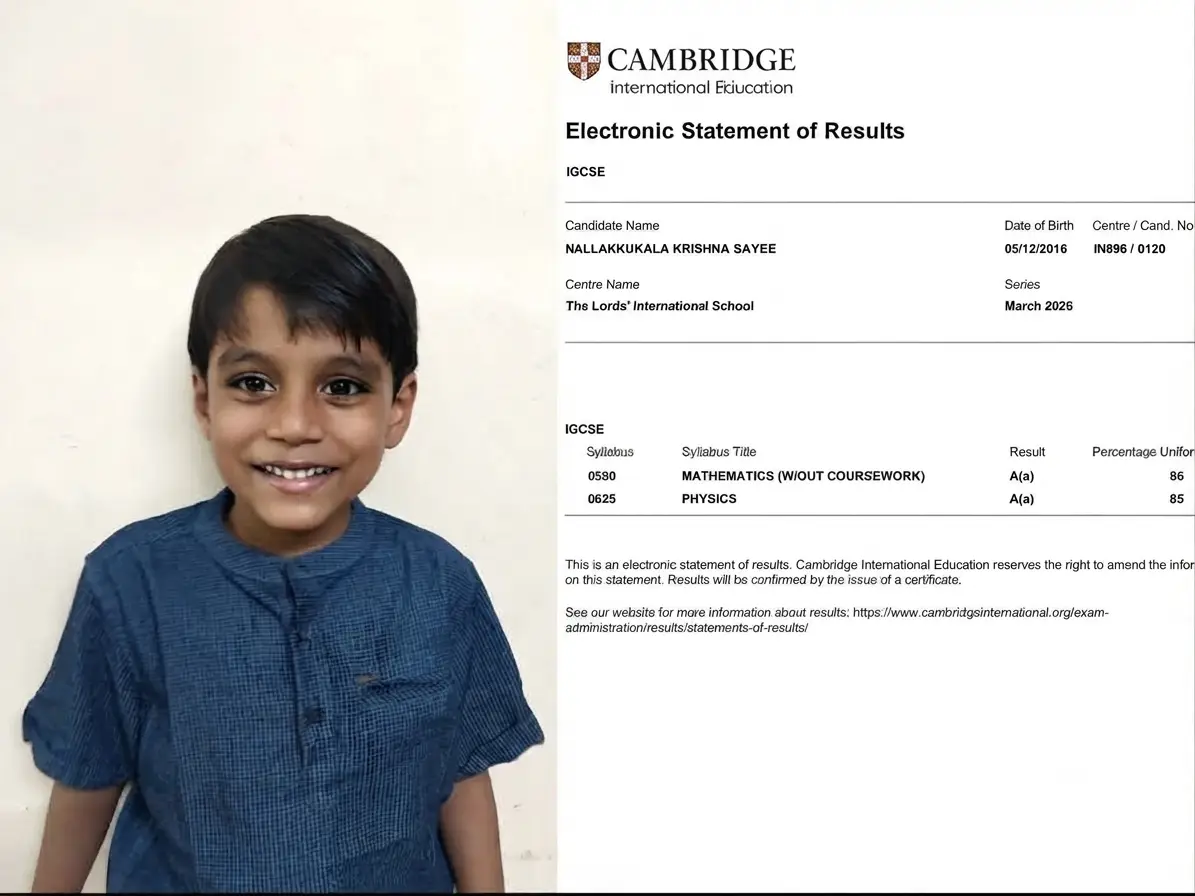)
9-year-old Chennai prodigy clears Cambridge IGCSE grade 10 exams
)
Satya Niketan horror: Who is responsible?
)
BRICS Summit 2026: Top world leaders in New Delhi; West Asia war casts shadow on BRICS Summit
&im=FitAndFill=(700,400))
New Friday OTT releases (September 11, 2026): The Revolutionaries, Vishwanath & Sons, Ghamasaan- 6 new titles coming on Netflix, Prime Video and more
)
Years before 9/11, CIA warned Clinton, Bush of 'explosive-packed airplane attack': What newly released files reveal
)
In first of its kind, Trump admin deports Afghan woman via Alien Terrorist Court
)
Saudi Arabia shuts East-West oil pipeline, key Hormuz bypass, after attacks
)
IND vs AFG, 1st T20I: When and where to watch live streaming in India?
)
WION Expertspeak: Understanding India's BRICS presidency amid wars, trade tensions and global turmoil
)
BRICS Summit: China resumes Guangzhou-New Delhi flight, issues 'good-neighbourliness' remark ahead of Xi-Modi meet
Also Read: Artillery Modernisation: Why the Indian Army's High Standards are Absolutely Non-Negotiable!
Parallelly, IOS SAGAR (Indian Ocean Ship SAGAR), operationalised through INS Sunayna, will serve as a floating classroom, diplomacy platform, and cooperative enforcement unit. African personnel on board will engage in watch-keeping, on-the-job trade-based training, and joint EEZ surveillance operations.
These initiatives reflect India’s commitment to being a “Preferred Security Partner” and “First Responder” in the Indian Ocean Region—not through assertion but assistance.
India’s Quiet Rebuttal to a Loud Contest
While AIKEYME and IOS SAGAR are cooperative in design, their strategic context cannot be ignored. Over the past decade, China’s Belt and Road Initiative (BRI) has gained substantial traction across Africa’s coastal states, constructing ports, railways, and special economic zones in Djibouti, Kenya, and Tanzania.
These projects have helped bridge infrastructure gaps but have also drawn criticism for lack of transparency, debt burdens, and long-term strategic dependency. Djibouti’s debt-to-GDP ratio has surpassed 70%, with the bulk owed to Chinese institutions. Kenya’s Standard Gauge Railway, part-funded by China Exim Bank, has placed a fiscal strain on public finances, and the Bagamoyo port in Tanzania was suspended due to concerns about terms undermining regulatory autonomy.
This is the subtext against which India’s SAGAR vision has evolved. Instead of infrastructure-for-equity models or base rights, India offers training, interoperability, maritime domain awareness (MDA) tools, and respect for sovereignty. By investing in people, not ports, India’s maritime diplomacy focuses on enhancing capacity, not extracting concessions. The difference is not just in deliverables but in the ethos of engagement.
Mutual Trust and Strategic Freedom
At the heart of India’s maritime strategy is the understanding that African littoral states need more than capital. They need strategic breathing space. The proliferation of international actors vying for influence in the Western Indian Ocean has left smaller states wary of new dependencies. Initiatives like AIKEYME allow African navies to learn alongside their Indian counterparts, test interoperable frameworks, and strengthen their own maritime governance capacities, be it in anti-piracy enforcement, blue economy management, or climate-resilient coastal planning.
India has consistently offered training slots in its naval academies, conducted hydrographic surveys in partnership with countries like Mauritius and Seychelles, and built radar chains that bolster local command over vast EEZs. It has supported hydrographic surveys for countries like Mauritius and Seychelles, enabling them to map their coastal and undersea resources independently. In all this, no Indian flag has ever sought permanent anchorage, only partnership. This aligns with the aspirations of the African Union’s Agenda 2063, which foregrounds a harmonised maritime governance model as key to continental growth. India’s maritime diplomacy supports this vision, not by setting the agenda but by enabling it.
A Blueprint for the Future
AIKEYME 2025 will as per potential ,become a turning point. Its success can serve as a launchpad for a permanent Africa-India Maritime Dialogue. Rotating annual naval exercises, joint training institutions, and pooled MDA infrastructure would transform symbolic cooperation into a strategic arc of trust stretching across the Indian Ocean.
India must also invest in complementary pillars: a Maritime Fellowship Fund for African cadets, joint eco-port development programs, and collaborative research on blue economy strategies. These would consolidate India’s role not just as a maritime responder but as a long-term developmental partner.
Navigating Shared Currents, Not Competing Currents
The Indian Ocean has always been a zone of convergence, of trade, migration, and now, geopolitics. In this space, India’s maritime outreach does not seek to outbid or outflank but to outlast by anchoring relationships in transparency, co-ownership, and shared destiny.
As INS Sunayna sails from Kochi this April, it carries with it not just crew and cargo but the weight of a larger idea: that trust can be the strongest vessel in uncertain waters. And in initiatives like AIKEYME, the foundations of that trust are being built, one joint drill, one shared chart, and one sailor-to-sailor handshake at a time.
(Disclaimer: The views of the writer do not represent the views of WION or ZMCL. Nor does WION or ZMCL endorse the views of the writer.)