
&imwidth=800&imheight=600&format=webp&quality=medium "A year of deepening defence ties: Why the Indian army chief’s Sri Lanka visit matters")
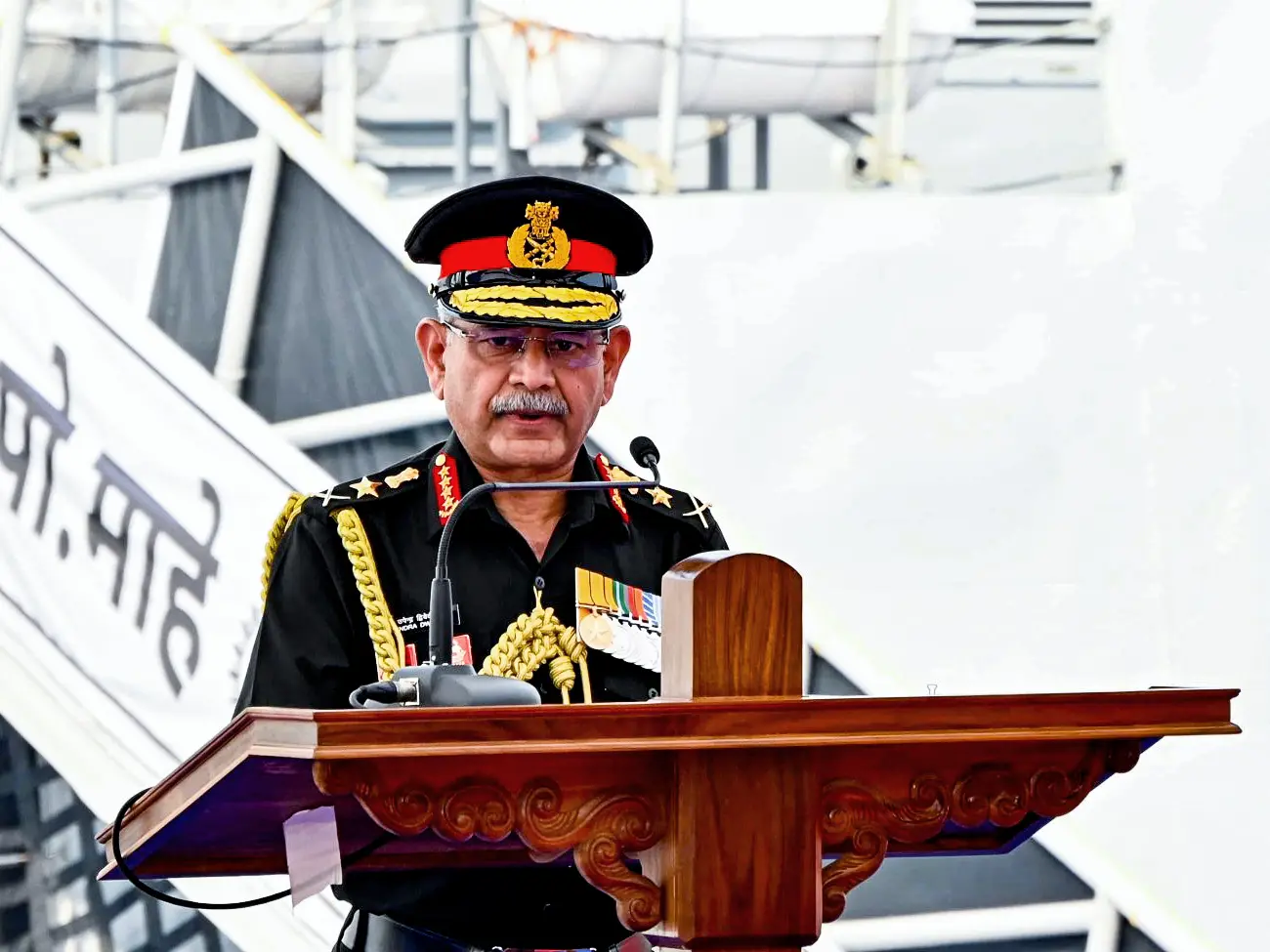
India’s Chief of Army Staff, General Upendra Dwivedi, will undertake an official visit to Sri Lanka on 1–2 December 2025. At a superficial glance, it may appear to be another entry in the calendar of military diplomacy. In reality, the visit marks a significant moment — a strategic punctuation point in a year that has seen India–Sri Lanka defence ties advance with unusual consistency, professionalism and mutual assurance. It is the culmination of a sequence of engagements that reflect not episodic goodwill, but a deeper institutional maturity taking root between the two Armies.
The visit follows a deliberate chain of high-level interactions. The Sri Lanka Army Commander’s official visit to India in June 2025 — where he returned to the Indian Military Academy (IMA) after more than three decades to review the Passing Out Parade — set the emotional and symbolic tone for the year. The Indian Navy Chief’s visit to Colombo in September reinforced the widening maritime axis of cooperation. Earlier, General M.M. Naravane’s 2021 visit, during which he engaged with Sri Lanka’s senior leadership and observed Exercise Mitra Shakti, had laid important professional foundations. These visits did not stand alone; taken together, they point to a defence relationship that has moved beyond individual personalities or convenient public moments.
The December visit must be viewed against this continuum. It reflects the practical expression of India’s Neighbourhood First policy — a policy grounded not merely in diplomatic language, but in long-term commitments to stability, trust and capability-building within the Indian Ocean Region. India has never treated its ties with Sri Lanka as transactional. Instead, the partnership has been built through a patient, steady investment in Sri Lanka’s security capacity, whether through training, doctrine, maritime surveillance, cyber resilience or peacekeeping preparation.

The conversations expected during the Army Chief’s visit will be substantive. Both Armies carry deep, lived experience in counter-terrorism and sub-conventional operations. India’s operational history — from the Northeast to Punjab to Jammu & Kashmir — has shaped a sophisticated understanding of asymmetric conflict. Sri Lanka’s own experience in navigating internal security challenges offers perspectives that few militaries possess. Such shared operational memory creates rare intellectual common ground. It allows both sides to speak the same tactical language, interpret threats through comparable lenses, and identify realistic areas for collaboration.
This alignment extends beyond classical operations. The two Armies are increasingly aware of emerging threats: the vulnerabilities introduced by unmanned systems, the challenges of network security, the strategic leverage created by space-based monitoring, and the speed with which cyber incidents can destabilise national decision cycles. These are no longer futuristic concerns — they are part of the contemporary operating environment and demand a shared professional vocabulary. Maritime security, too, has become an essential area of convergence. Both nations operate in a region marked by great-power assertions, contested waters, and the risks of grey-zone activity. In such an environment, coordinated maritime domain awareness and interoperable decision loops are no longer optional.
Peacekeeping remains another strong pillar. India has long been recognised as one of the UN’s most dependable troop contributors. Sri Lanka has made steady contributions of its own. The United Nations Troop Contributing Countries Chiefs’ Conclave in New Delhi in October 2025 reflected this shared stake. There is considerable scope for both countries to refine their understanding of UN mandates, protection-of-civilians frameworks, quick-impact operations and mission-specific challenges — and to build compatible training modules that prepare troops for complex theatres in Africa and West Asia.
Trending Stories
)
The Early Spring is proof not everyone can talk about their real feelings, and it is perfectly OK
)
UN votes to ‘correct the map’ as India backs fairer world view
)
Nigerian Navy discovers 99,000 litres of suspected stolen, illegally refined products as it intensifies anti-crude oil theft operations
)
Who is Aditi Paudel? 17-year-old becomes Japan's first literacy ambassador
)
Bengaluru: Officials find 40 kg expired chilli at chairman's club
)
Jaishankar rejects trade link to ending Ukraine war
)
Israeli strikes on Lebanon kill three, injure 23 despite truce
)
Alpine glacier was covered with sheep wool sheets to prevent melting. It worked
)
South Korea mulls deploying military assets to Strait of Hormuz
)
World's fifth-largest economy, British army can't afford to train
)
Breaking | Vance takes the podium: First White House briefing since Leavitt's exit
)
Taiwan raises 'concerns' over China's missile test
)
BRICS 2026: $1 trillion sovereign capital set to converge in Delhi for first iBRICS Summit
)
What is Iran's Pickaxe Mountain that Trump has again threatened to bomb?
)
UN votes to correct world map that visually shrank Africa for 450 years
)
Former NewJeans member Danielle launches YouTube channel, hints at new solo journey
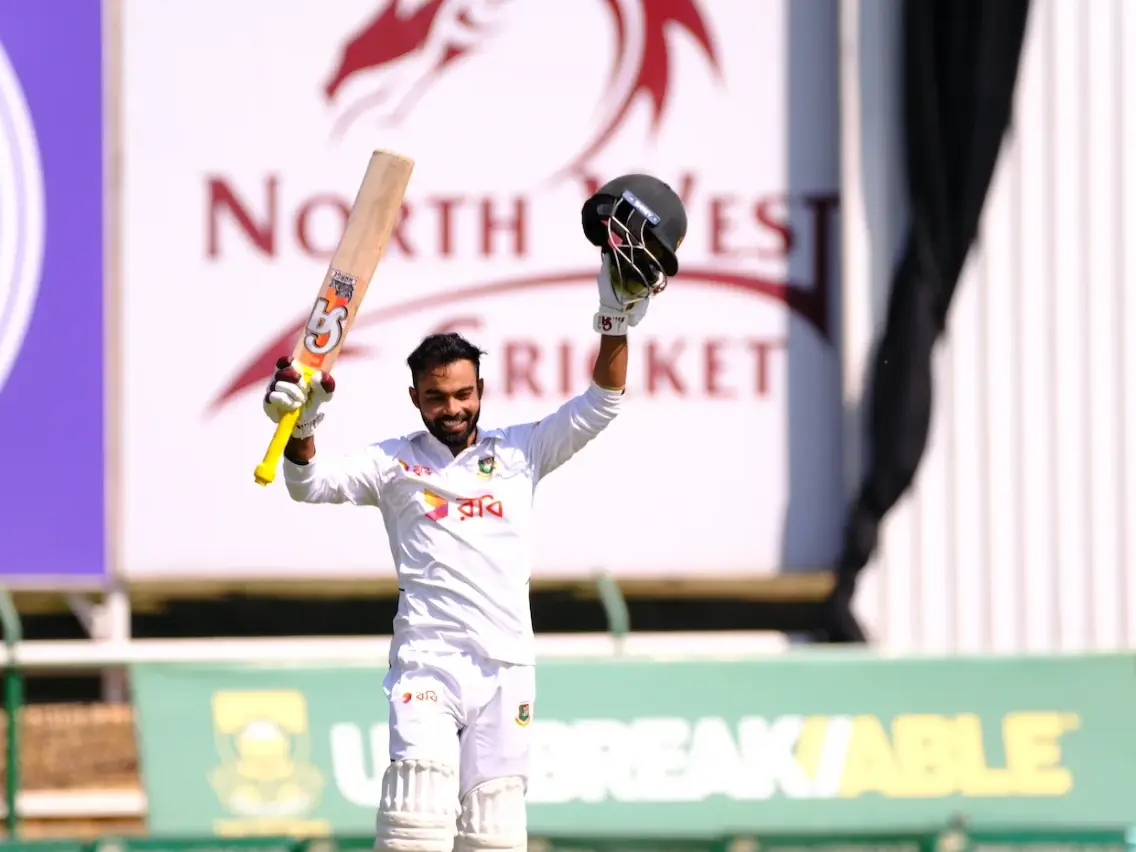)
Bangladesh batter Towhid Hridoy creates history with 350 not out in South Africa
)
Brendan Fraser’s transformation fuels The Mummy 4 excitement as fans welcome back Rick O’Connell
&im=FitAndFill=(700,400))
Krishna Janmashtami 2026: From Dhaniya Panjiri to Makhana Kheer- 5 best sweet dishes perfect for celebrating Lord Krishna’s birth
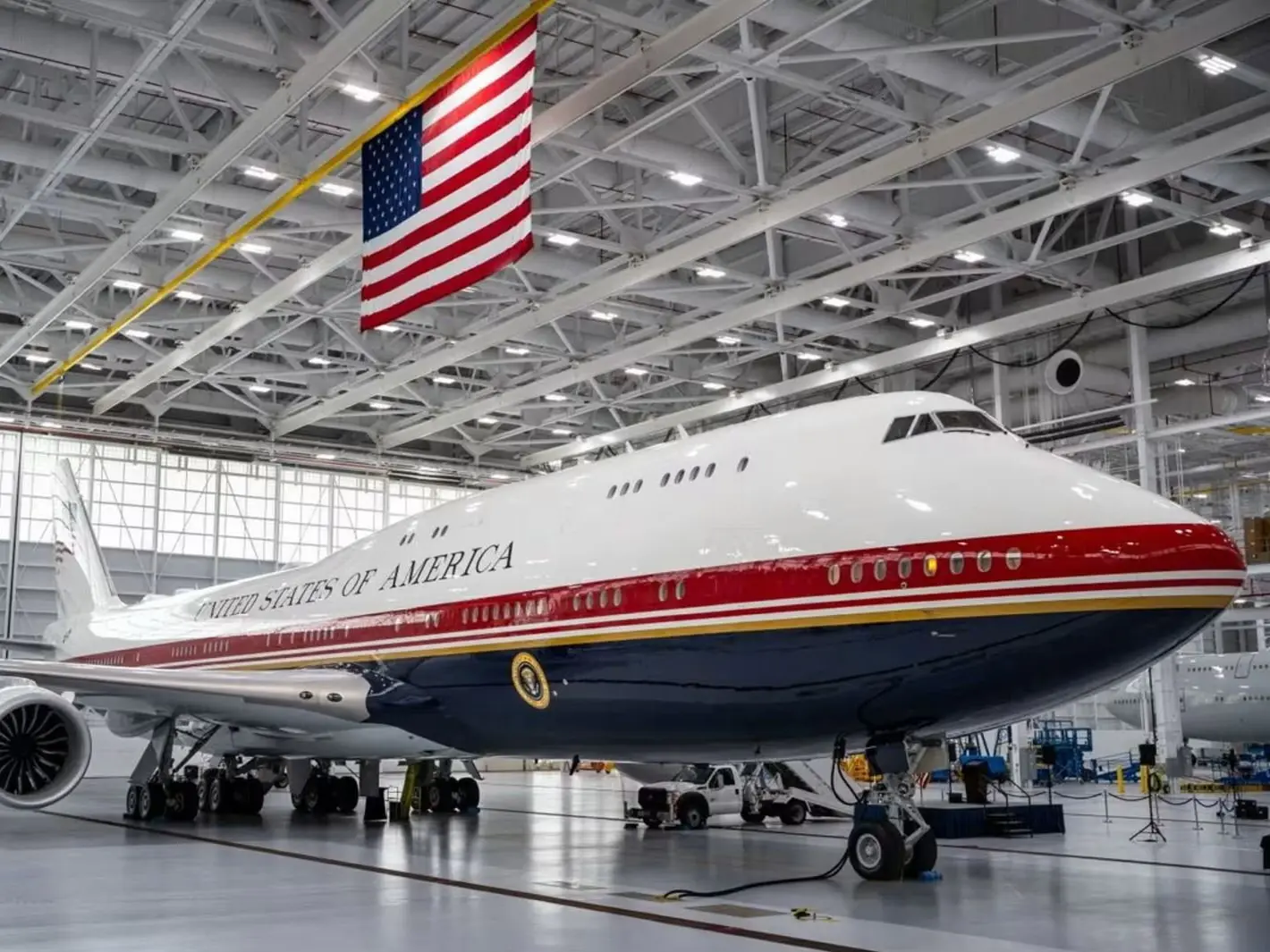)
Donald Trump plans to travel to Ireland on Qatari-donated jet amid security concerns
)
Nazi-looted art to return to Jewish heirs
)
Eight killed in Kerala’s Thrissur after car rams into lorry parked on highway
&im=FitAndFill=(700,400))
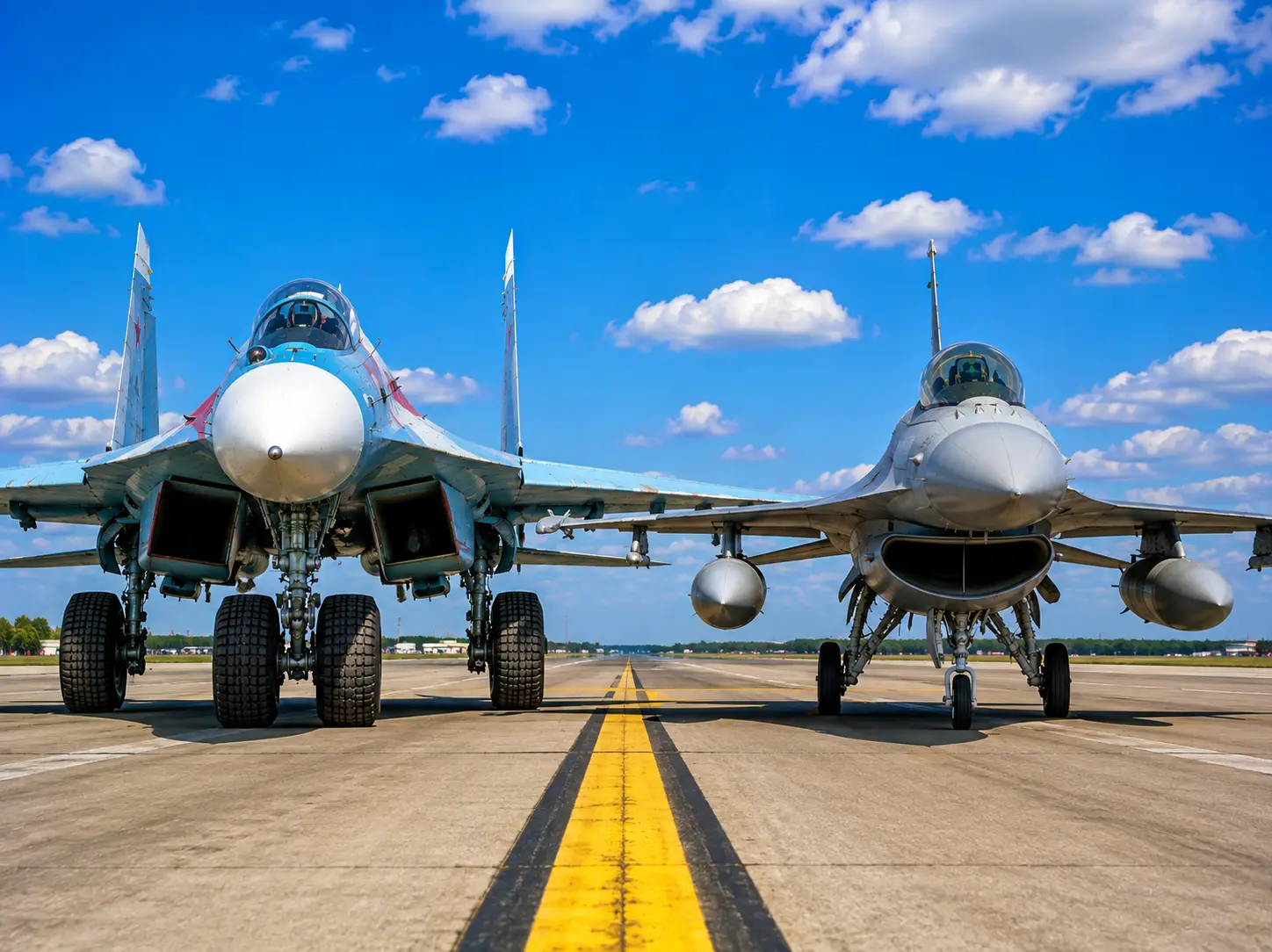
Why Russian fighter jets use bulky, low-pressure tyres compared to US jets
)
FBI-wanted fraud accused arrested in Jalandhar over $600,000 scam
&im=FitAndFill=(700,400))
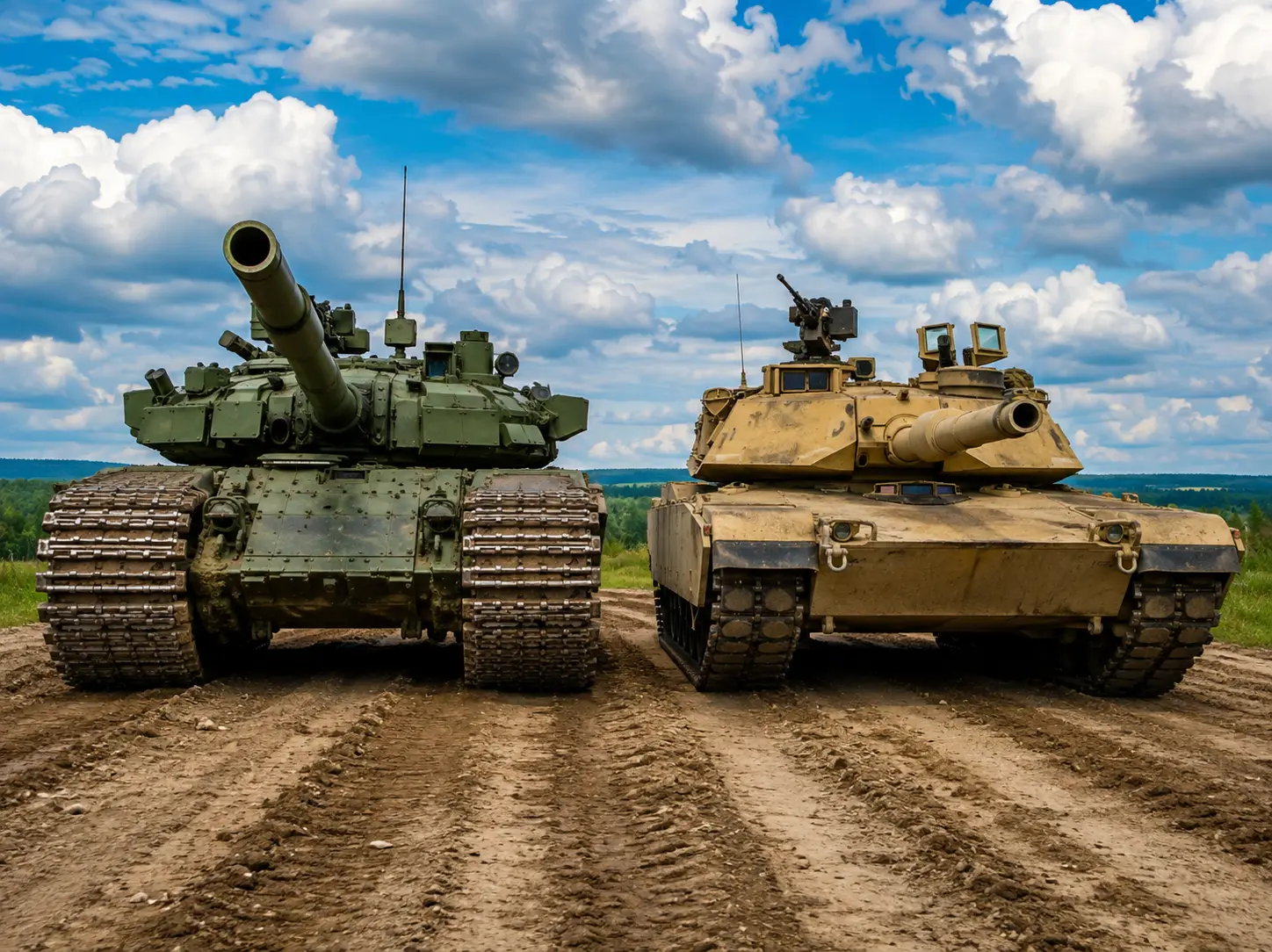
Why US tanks weigh over 20 tons more than Russian tanks
&im=FitAndFill=(700,400))
New Friday OTT releases (September 4, 2026): GDN, Dhamaal 4, Jagamae Sangeetham- Watch 6 new movies and TV shows on Netflix, Prime Video and more
)
Killing the Himalayas slowly: Human urine is melting a glacier on Mount Everest
The strategic convergence that frames the Chief’s visit is not confined to the military realm. Both India and Sri Lanka uphold strategic autonomy. Both recognise that security today is shaped not merely by territorial threats, but by globalised economic flows, maritime chokepoints, information networks and technological dependencies. Both have confronted terrorism directly and understand the cost of internal vulnerabilities. This common experience has created a pragmatic alignment that is not dictated by ideology or external pressures, but by the necessities of regional stability.
This alignment is increasingly visible in multilateral platforms. Sri Lanka’s support for India’s aspirations within the United Nations system reflects confidence, not obligation. India’s support for Sri Lanka’s engagement with emerging groupings such as BRICS reflects acknowledgement of Sri Lanka’s strategic space, not patronage. These mutual positions demonstrate a partnership that respects sovereignty while advancing shared interests.
The timing of the visit is particularly significant. By concluding a year in which senior military leaders from both countries have travelled across each other’s capitals, the Army Chief’s visit completes a full cycle of 2025’s engagement. It signals a transition: India–Sri Lanka defence ties are no longer characterised by occasional enthusiasm followed by long pauses. They now exhibit continuity, rhythm and professional predictability. They are becoming institutionalised — anchored in standing mechanisms, structured interactions, and regularised pathways for cooperation.
Institutionalisation is perhaps the strongest marker of strategic maturity. It means that when political cycles shift, defence cooperation does not falter. It ensures that younger officers on both sides, trained together at IMA, DSSC or CIJWS, will inherit a living framework rather than a hollow shell. It means that when crises emerge — whether at sea, in cyber networks or on land — both Armies already understand each other’s processes, planning assumptions and operational instincts.
The visit also takes place in a year when both Armies have demonstrated the confidence to acknowledge their shared history with clarity. India’s formal commemoration of the IPKF fallen at the National War Memorial in November 2025, and the Sri Lanka Army Commander’s wreath-laying at the same memorial earlier in the year, revealed a relationship mature enough to honour its past without allowing it to define the future. Such gestures are quiet, dignified and deeply meaningful. They reflect professionalism, not sentimentality; respect, not reticence.
Seen from this perspective, the December visit honours a long lineage of cooperation and sacrifice. It acknowledges that India–Sri Lanka military ties have been shaped not only in conference rooms but in difficult operations, complex missions and shared experiences. It recognises 2025 as a year of systematic trust-building — not a sequence of gestures, but a steady expansion of institutional cooperation.
Looking ahead, the visit will help shape the next phase of the partnership. The discussions in Colombo will influence the direction of training integration, maritime coordination, peacekeeping preparation and cyber-technical cooperation. They will reinforce the growing role of the Colombo Security Conclave as a regional security compact. And they will help define a shared approach to an Indian Ocean that is increasingly contested by actors far removed from the region’s interests.
The Army Chief's visit is more than an official engagement. It is a marker of trust, continuity and strategic convergence. It reflects a defence relationship that has matured beyond personalities and grounded itself in values, institutions and shared purpose. For two nations linked by history, geography and the experiences of soldiers who have served through difficult times, the December 2025 visit stands as a testament to how far the partnership has travelled — and how much further it is poised to go.
Disclaimer: The views of the writer do not represent the views of WION or ZMCL. Nor does WION or ZMCL endorse the views of the writer.
