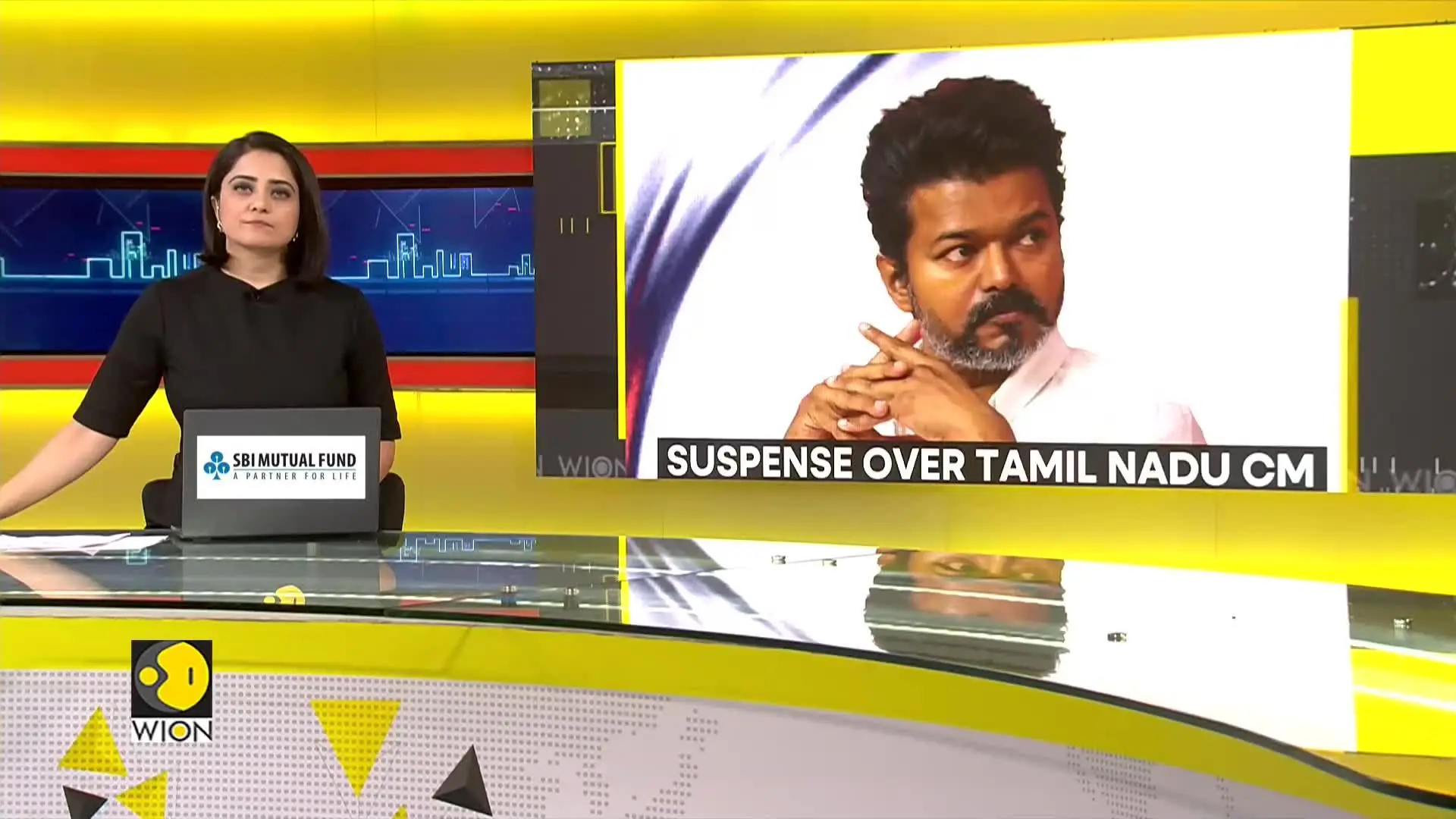
Vijay's path to Tamil Nadu chief minister: Who will be the kingmaker - VCK, PMK or the Left? What you should know

&imwidth=600&imheight=450&format=webp&quality=medium "Vijay's path to Tamil Nadu chief minister: Who will be the kingmaker - VCK, PMK or the Left? What you should know")
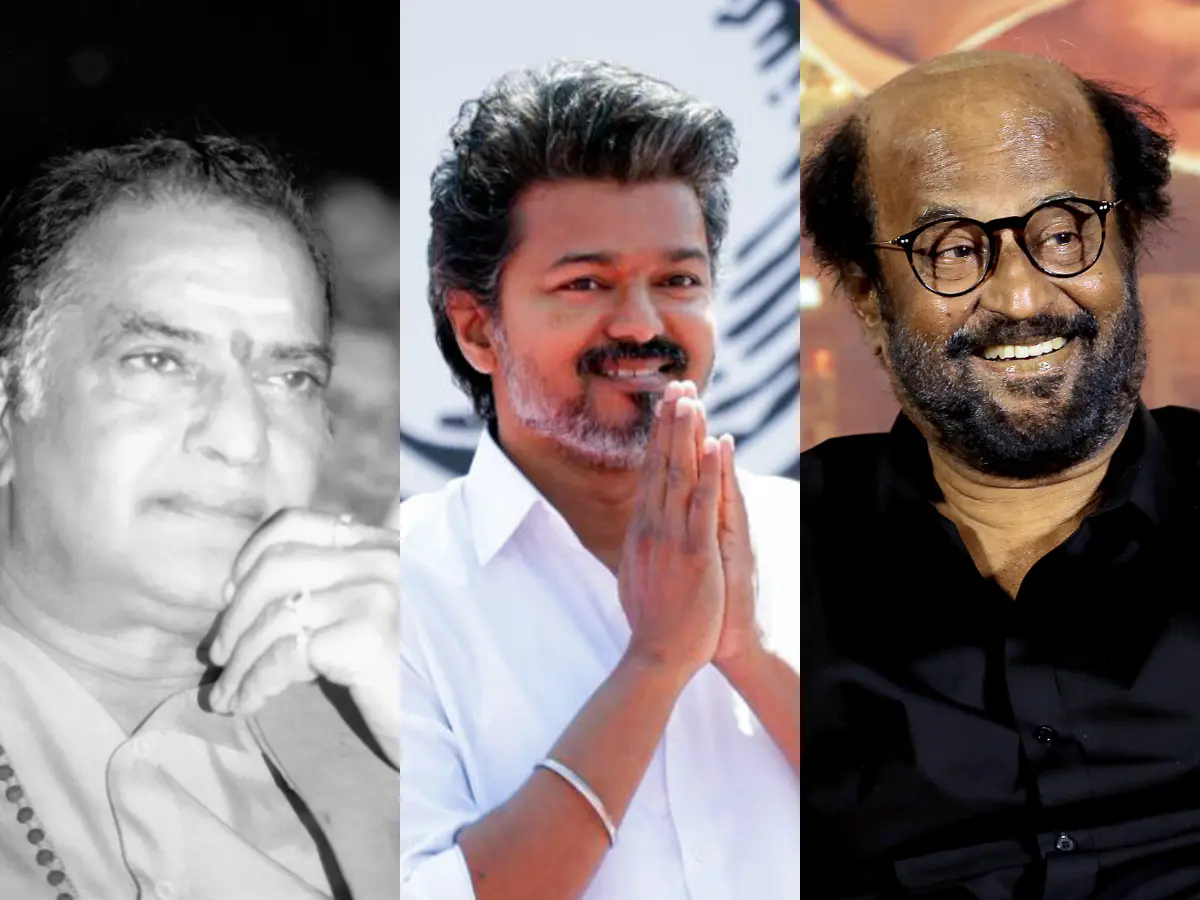
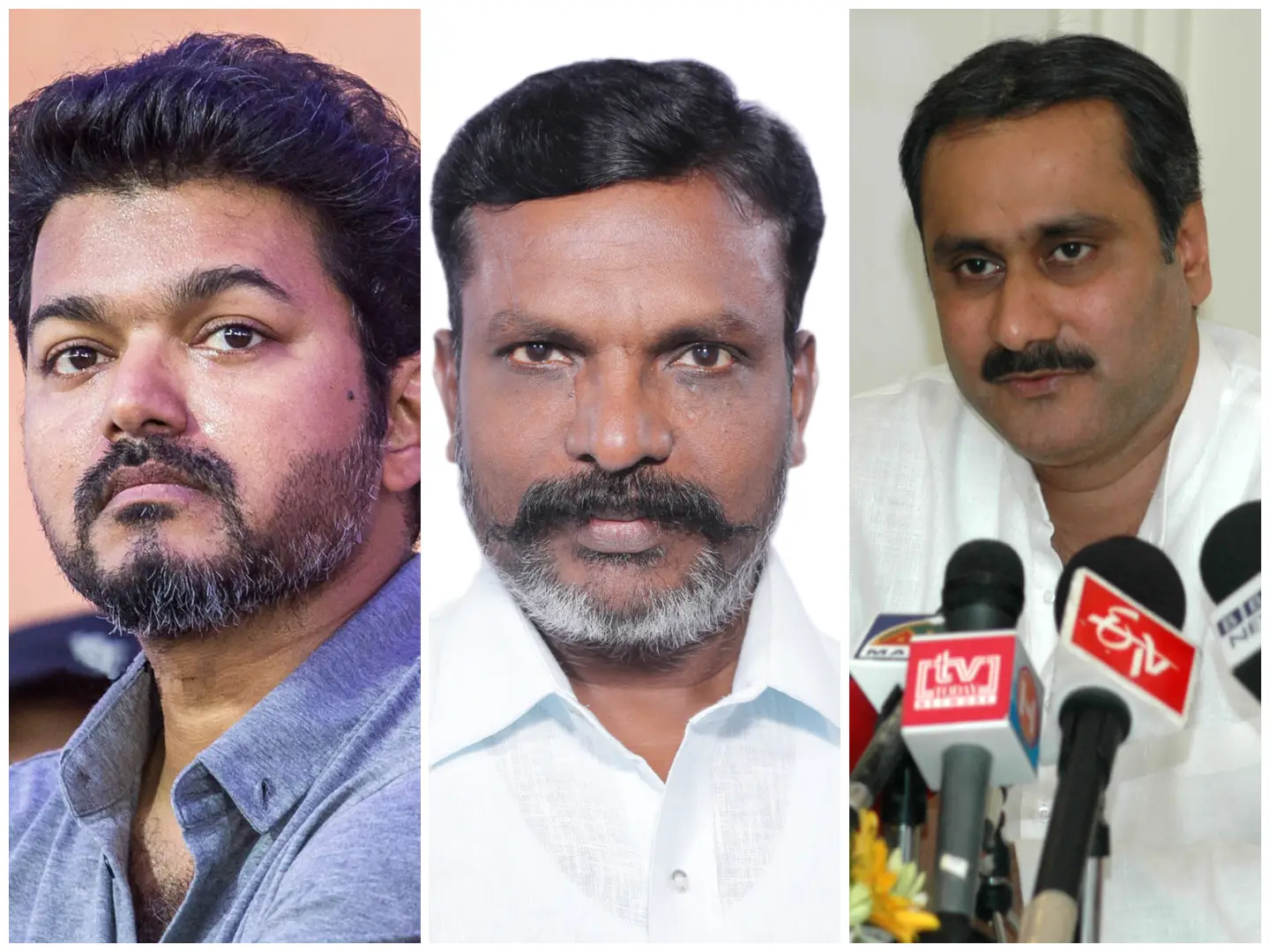
TVK's Vijay, VCK's Thol Thirumavalavan and PMK's Ramadoss are shown in this combo Photograph: (Others)
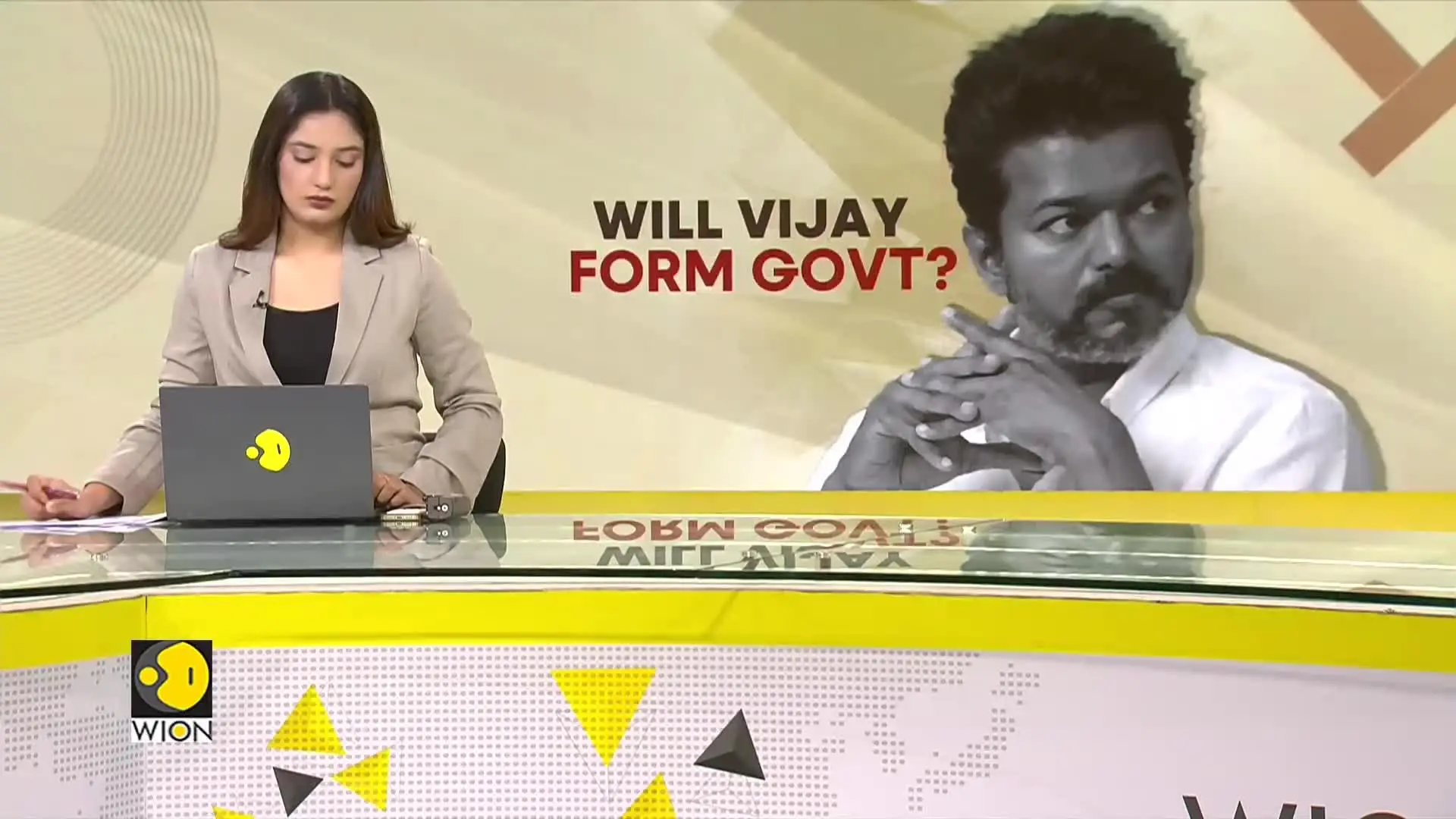
Actor-politician Vijay’s TVK is seeking support from VCK, PMK and Left parties to cross the majority mark and form the next government in Tamil Nadu after emerging as the single largest party. But his path to chief ministership is not yet clear. Who will emerge the kingmaker?
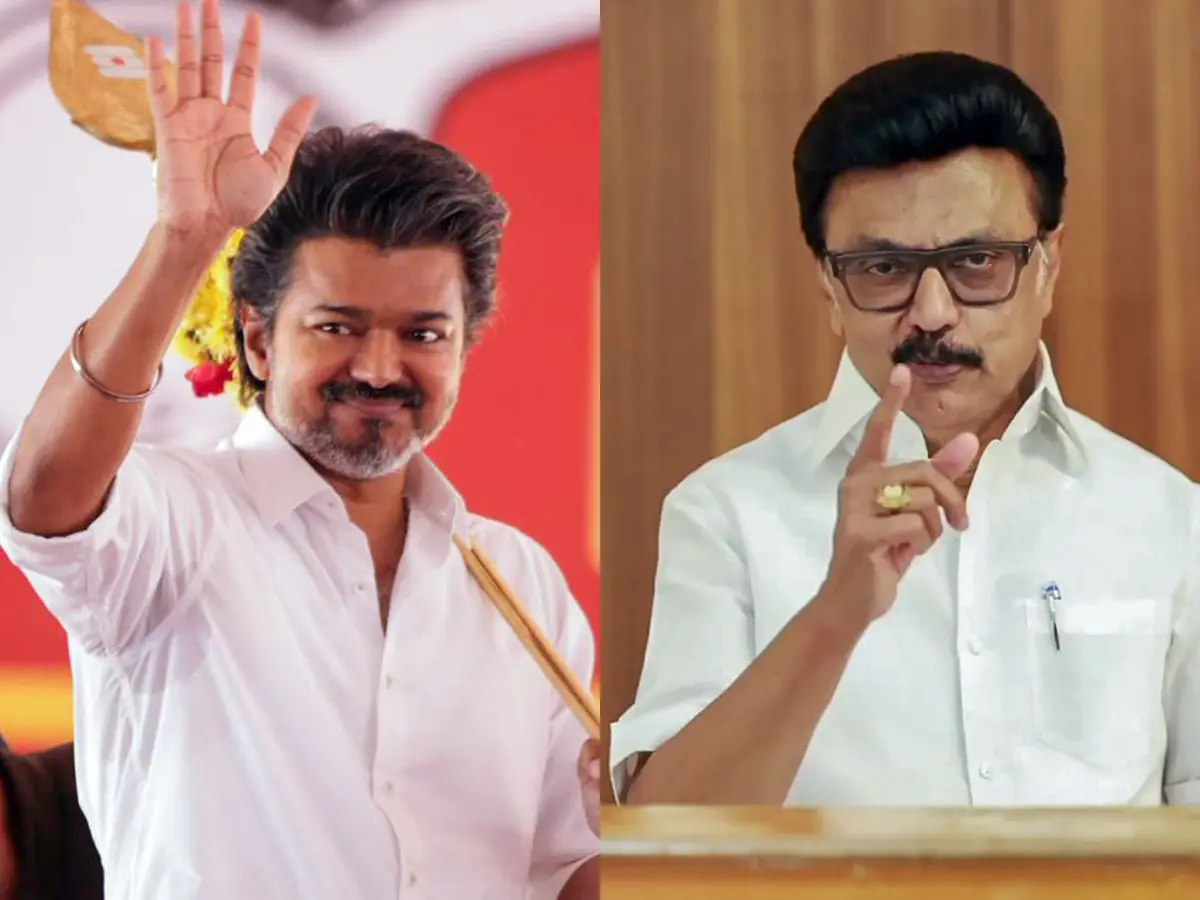
The Tamil Nadu government formation talks are fluid, with actor-politician Vijay's Tamilaga Vettri Kazhagam (TVK) still negotiating with various smaller parties for support after it emerged as the single largest party without the majority mark of 118. With 108 MLAs (including two seats won by Vijay, one of which he will have to vacate) and explicit support from five Congress MLAs, TVK still needs external support to form the government. Tamil Nadu Governor Rajendra Vishwanath Arlekar insisted on written proof of support before inviting Vijay for a floor test in the Assembly and to form the next government in the south Indian state. While DMK, the second largest party led by former chief minister MK Stalin, said it is willing to give up to six months for TVK to prove majority support, the situation remains unpredictable amid multiple backroom manoeuvres.
Parties with single-digit seats in the Assembly have suddenly emerged as the most important players in this context. Topping the kingmaker list are VCK and PMK, along with a couple of Left parties. Here is what you should know about the VCK, PMK and other potential kingmaker parties.
VCK, the Dalit-focused party that could emerge powerful
VCK, or Viduthalai Chiruthaigal Katchi, which translates to Liberation Panthers Party, advocates social justice, opposition to caste discrimination, and Tamil nationalism. A political spinoff of the Dalit Panthers movement of the 1980s and 1990s, it has become an electoral presence in the past few years, particularly in constituencies reserved for the downtrodden Scheduled Castes and Scheduled Tribes, collectively known as Dalits.
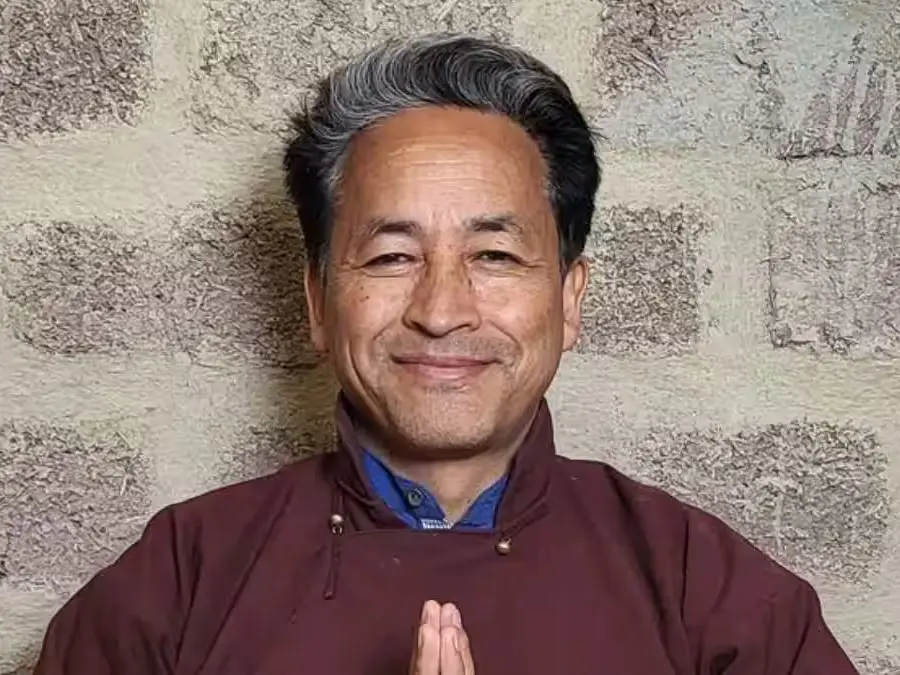
The party is led by its chairperson and president Thol Thirumavalavan, a prominent Dalit activist and lawyer who is also a parliamentarian from Chidambaram. Writer and former parliamentarian D Ravikumar is the party's general secretary.
Trending Stories
)
)
&im=FitAndFill=(700,400))
)
)
)
)
)
)
)
)
)
)
)
&im=FitAndFill=(700,400))
)
)
)
)
&im=FitAndFill=(700,400))
&im=FitAndFill=(700,400))
)
)
)
)
)
)
&im=FitAndFill=(700,400))
While it has an independent ideology advocating social justice, VCK has allied in the past with the DMK-led Secular Progressive Alliance (SPA). In the Tamil Nadu Assembly election 2026, VCK won two seats: Vanni Arasu from Tindivanam and LE Jothimani from Kattumannarkoil.
TVK is actively courting VCK, with Vijay personally reaching out to Thirumavalavan.
VCK's two MLAs, along with the four from Left parties (two from CPI and two from CPI(M)), could turn the fortunes in favour of TVK. They could also block Vijay's path to power.
VCK is reportedly consulting internally and with allies before deciding on its course of action.
It has also urged the governor to invite TVK for a floor test and is weighing ideological alignment, even while dealing with the dilemma of having been a DMK ally.
PMK is the other party that could help TVK form the government. But will they?
Pattali Makkal Katchi, which won four seats in the Assembly election, is a party mainly led by the powerful Vanniyar community. It is numerically stronger than VCK in the Assembly.
Multiple reports indicate PMK is considering or is likely to extend support to TVK, with the party's founder S. Anbumani Ramadoss holding party meetings to decide. Ramadoss has already publicly urged that TVK's massive mandate as the single-largest party be accepted.
But that is not the full picture. In the past, PMK had allied with the BJP-led NDA and AIADMK.
This would make them ideologically incompatible with TVK.
Which other parties can help TVK form the government?
Indian Union Muslim League, with two seats, has so far rejected TVK overtures and prefers sticking with DMK and SPA on ideological grounds. Left parties are also in discussions with TVK but remain tied to the broader SPA ecosystem, which makes it a difficult choice to make.
Broader support from independents and possible rebels from larger Dravidian parties AIADMK and DMK could tip the scales in favour of TVK. But the price to pay would be senior Cabinet berths, which might weaken TVK while allocating ministerial portfolios.