UAE minister calls for open Strait of Hormuz, hails India ties amid West Asia conflict

&imwidth=600&imheight=450&format=webp&quality=medium "UAE minister calls for open Strait of Hormuz, hails India ties amid West Asia conflict")
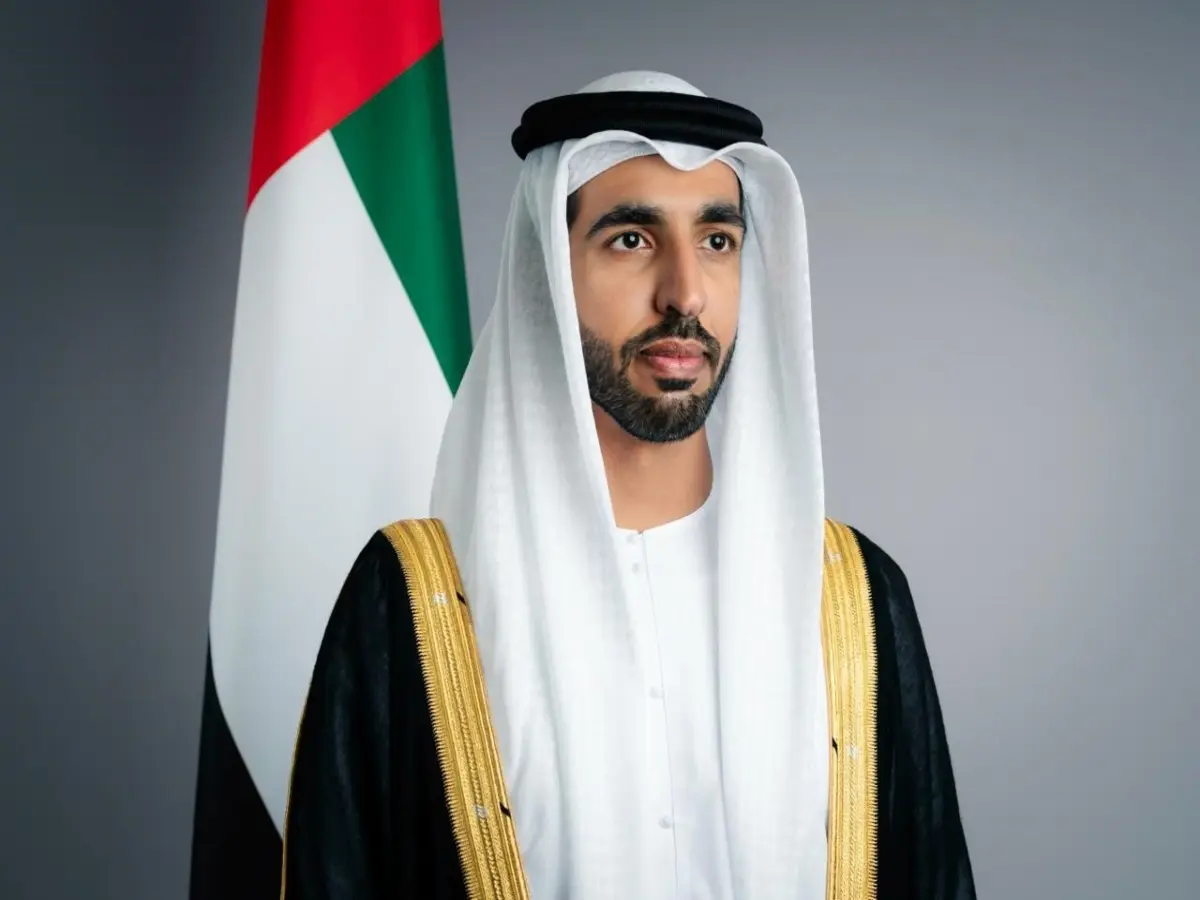
Sheikh Shakhboot bin Nahyan Al Nahyan, UAE Minister of State Photograph: (WION)
Sheikh Shakhboot bin Nahyan Al Nahyan, UAE Minister of State pointed to the recent visit of India’s External Affairs Minister Dr Subrahmanyam Jaishankar to the UAE as a sign of deepening ties amid heightened regional tensions.
The UAE has underlined the need to keep the Strait of Hormuz open and secure, warning that any disruption from the West Asia conflict would hit economies across the Indian Ocean and Africa, as it deepens strategic coordination with India. Sheikh Shakhboot bin Nahyan Al Nahyan, UAE Minister of State, who was present at the 9th Indian Ocean Conference in Mauritius, highlighted close alignment with India on maritime security and connectivity.
“The UAE and India share a comprehensive strategic partnership that is increasingly focused on the Indian Ocean and Africa, with strong alignment on maritime security, connectivity, and economic cooperation,” Sheikh Shakhboot in an interview with WION's Sidhant Sibal.
He pointed to the recent visit of India’s External Affairs Minister Dr Subrahmanyam Jaishankar to the UAE as a sign of deepening ties amid heightened regional tensions.
“India plays an important role in supporting global efforts and ensuring the continued openness of vital maritime corridors, including the Strait of Hormuz,” he said. On the economic fallout from the ongoing West Asia conflict, the minister issued a strong warning: “A central priority is ensuring that the Strait of Hormuz is open, secure, and free from disruption. This critical corridor is not owned by any one country, and transit must be unimpeded."
Full interview:
Trending Stories
&imwidth=280&imheight=210&format=webp&quality=medium)
&imwidth=280&imheight=210&format=webp&quality=medium)
&imwidth=280&imheight=210&format=webp&quality=medium)
&imwidth=280&imheight=210&format=webp&quality=medium)
&im=FitAndFill=(700,400)&imwidth=280&imheight=210&format=webp&quality=medium)
&imwidth=280&imheight=210&format=webp&quality=medium)
&imwidth=280&imheight=210&format=webp&quality=medium)
&imwidth=280&imheight=210&format=webp&quality=medium)
&imwidth=280&imheight=210&format=webp&quality=medium)
&imwidth=280&imheight=210&format=webp&quality=medium)
&imwidth=280&imheight=210&format=webp&quality=medium)
&imwidth=280&imheight=210&format=webp&quality=medium)
&imwidth=280&imheight=210&format=webp&quality=medium)
&imwidth=280&imheight=210&format=webp&quality=medium)
&imwidth=280&imheight=210&format=webp&quality=medium)
&imwidth=280&imheight=210&format=webp&quality=medium)
&imwidth=280&imheight=210&format=webp&quality=medium)
&imwidth=280&imheight=210&format=webp&quality=medium)
&imwidth=280&imheight=210&format=webp&quality=medium)
&imwidth=280&imheight=210&format=webp&quality=medium)
&imwidth=280&imheight=210&format=webp&quality=medium)
&imwidth=280&imheight=210&format=webp&quality=medium)
&imwidth=280&imheight=210&format=webp&quality=medium)
&imwidth=280&imheight=210&format=webp&quality=medium)
&imwidth=280&imheight=210&format=webp&quality=medium)
&imwidth=280&imheight=210&format=webp&quality=medium)
&imwidth=280&imheight=210&format=webp&quality=medium)
&imwidth=280&imheight=210&format=webp&quality=medium)
&imwidth=280&imheight=210&format=webp&quality=medium)
&imwidth=280&imheight=210&format=webp&quality=medium)
&imwidth=280&imheight=210&format=webp&quality=medium)
&imwidth=280&imheight=210&format=webp&quality=medium)
&imwidth=280&imheight=210&format=webp&quality=medium)
&im=FitAndFill=(700,400)&imwidth=280&imheight=210&format=webp&quality=medium)
Sidhant Sibal: How does the UAE see its participation at the Indian Ocean Conference and its role in the stability of the Indian Ocean?
Sheikh Shakhboot bin Nahyan Al Nahyan: The UAE views its participation in the Indian Ocean Conference as a vital platform for dialogue and collective action across the Indian Ocean region.
The UAE has consistently emphasised the importance of safeguarding maritime security, ensuring freedom of navigation, and strengthening economic connectivity through inclusive partnerships. These priorities are especially critical at a time of heightened regional tensions.
As a global hub connecting Asia, Africa, and Europe, the UAE has backed its commitment with significant investments in ports and logistics across the Indian Ocean, from operations in the Horn of Africa and Red Sea to port investments in South Asia. We see our role as a facilitator of cooperation and a reliable partner in promoting stability, resilience, and shared prosperity.
Sidhant Sibal: How does the UAE see its ties with the African continent and Mauritius in particular?
Sheikh Shakhboot bin Nahyan Al Nahyan: Africa represents one of the world’s most significant growth markets, and the UAE’s relationship with the continent is strong and long-standing. With over US$110 billion invested across the continent, the UAE is a key partner in developing infrastructure, energy, logistics, and food security.
Through DP World and Abu Dhabi Ports, the UAE has developed and operates port infrastructure across Africa, strengthening connectivity and supporting trade flows across the Indian Ocean.
The UAE is also advancing Comprehensive Economic Partnership Agreements (CEPAs) with our African partners, aimed at reducing trade barriers and unlocking investment, positioning the UAE as a gateway for African trade globally. Already we have signed deals with Angola, Kenya, Nigeria, Republic of Congo, among many others.
With Mauritius, the UAE sees a natural partner. Its role as a financial gateway to Africa complements the UAE’s position as a global hub, creating strong opportunities across trade, tourism, and financial services. This is reflected in Mauritius being one of the first African countries with which the UAE concluded a CEPA.
Sidhant Sibal: The current West Asia conflict and its economic impact—if you can detail
Sheikh Shakhboot bin Nahyan Al Nahyan: Iran’s unprovoked and unjustified attacks on the UAE and countries of the region have introduced volatility into global energy markets and supply chains. The UAE has been clear and consistent in condemning Iran’s illegal terrorist attacks against our country, neighbors, as well as any actions that threaten the free flow of trade through vital waterways.
A central priority is ensuring that the Strait of Hormuz is open, secure, and free from disruption. This critical corridor is not owned by any one country, and transit must be unimpeded. Any disruption would have far-reaching consequences, not only for the Gulf, but for economies across the Indian Ocean, including Africa and global trading partners.
Domestically, the UAE has implemented targeted measures to support businesses, including a US$270 million package to safeguard jobs and sustain growth, alongside steps to stabilise markets, support tourism, and assist over 10,000 visitors, reflecting a proactive and resilient response to regional challenges.
Sidhant Sibal: How do you see working with India in the Indian Ocean and Africa, particularly in light of India’s Foreign Minister’s visit to the UAE?
Sheikh Shakhboot bin Nahyan Al Nahyan: The UAE and India share a comprehensive strategic partnership that is increasingly focused on the Indian Ocean and Africa, with strong alignment on maritime security, connectivity, and economic cooperation. This partnership continues to deepen across trade, energy, and defence, reflecting a shared vision for a stable and prosperous Indo-Pacific.
Recent high-level engagements, including the visit of President His Highness Sheikh Mohamed bin Zayed Al Nahyan to India, have reaffirmed a commitment to expanding cooperation across infrastructure, supply chains, and emerging sectors, alongside defence and maritime cooperation.
The recent visit of His Excellency Dr. Subrahmanyam Jaishankar demonstrates the importance of close coordination at a time of heightened tensions. India plays an important role in supporting global efforts and ensuring the continued openness of vital maritime corridors, including the Strait of Hormuz.
Together, the UAE and India are well positioned to contribute to stability, resilience, and long-term prosperity across the Indian Ocean and Africa.
