Technologies India cannot afford to import: IISc expert lists defence priorities


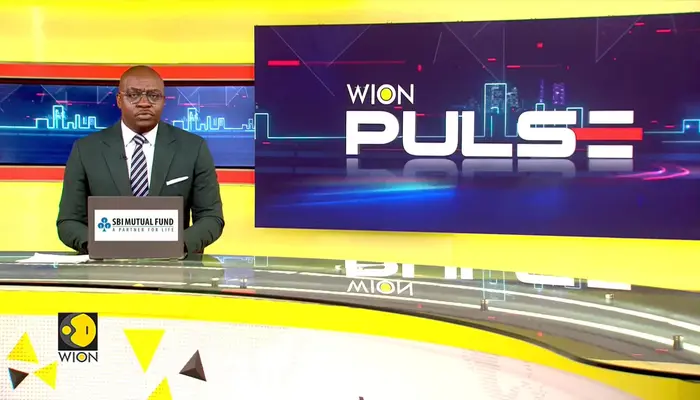
Omprakash Subbarao, CEO of the Foundation for Science Innovation and Development (FSID) Photograph: (Credit: WION)
Speaking on WION's Defence Pulse, IISc FSID CEO Omprakash Subbarao emphasised deepening defence indigenisation at the component level, highlighting how public digital infrastructure drives private innovation.
India's defence indigenisation drive is increasingly moving beyond building weapons at home to owning the critical technologies inside them, a more difficult challenge. Modern fighters, missiles, drones and warships depend on an intricate ecosystem of semiconductors, sensors, advanced materials, communications, electronic warfare systems and software.
Dependence on imported components in these areas can expose defence programmes to supply disruptions and technology-denial regimes during a crisis. Speaking on WION's Defence Pulse, Omprakash Subbarao, CEO of the Foundation for Science Innovation and Development (FSID) at the Indian Institute of Science, argued that India now needs to take indigenisation deeper into the component and subsystem level. Subbarao drew lessons from India's digital transformation, including Aadhaar, where large public infrastructure helped create an ecosystem for private innovation. “The lesson to learn from that is how we can use public rails to fuel private innovation.”
He said a similar model could be extended to strategically important sectors including food, energy and defence. On military technology, Subbarao identified five areas requiring particular attention:
- satellite-guided hypersonic weapons,
- advanced fighter-engine development,
- high-speed communication systems,
- radar and electronic warfare technologies
- electro-optical systems including indigenous seekers.
India, he said, has already developed significant capability in assembling increasingly complex systems. The next step is developing the underlying components and critical subsystems domestically. Asked to narrow the priority list further, Subbarao identified three capabilities he believes could have a major impact over the coming decade.
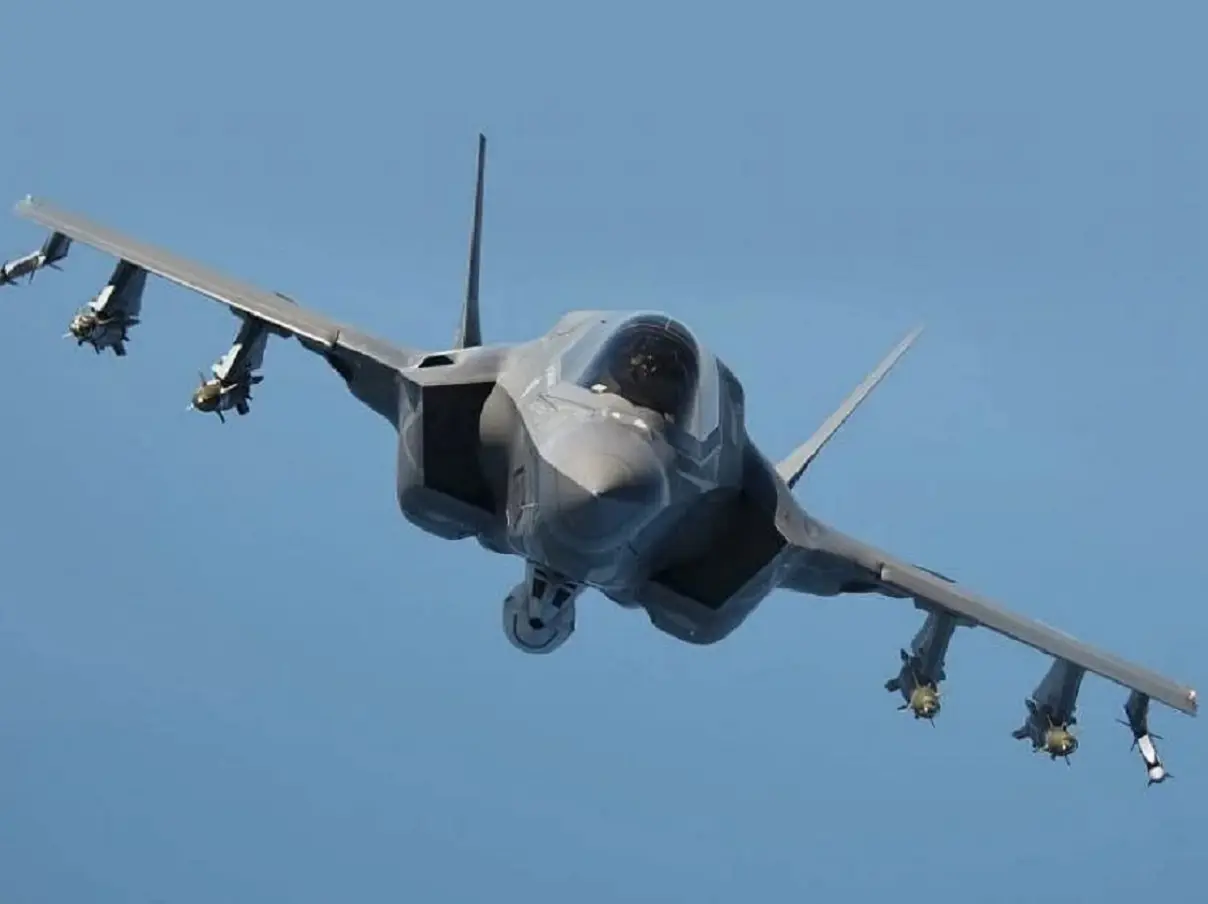
First was a fully indigenous fighter aircraft. “It should be an indigenous fighter aircraft incorporating domestically developed engines, materials and critical subsystems.”
Trending Stories
)
)
)
)
)
&im=FitAndFill=(700,400))
)
)
)
)
)
)
)
)
)
)
)
)
)
)
)
)
)
)
&im=FitAndFill=(700,400))
)
)
)
)
)
&im=FitAndFill=(700,400))
)
)
)
His second priority was hypersonic missiles equipped with advanced precision-navigation technologies, potentially incorporating scramjet propulsion.
The third was satellite-enabled surveillance, navigation and countermeasure systems, reflecting the increasing importance of space-based capabilities to military operations.
For India's next phase of defence self-reliance, indigenous platforms are one part of the equation. Owning the engines, materials, sensors, seekers, electronics and critical subsystems that make those platforms work represents the deeper technological test.
WATCH FULL INTERVIEW HERE

